Is Rain-X Bad for Your Car Paint? The Honest Truth
Is Rain-x Bad For Your Car Paint? The Honest Truth
Rain-X is one of the most popular products for car owners who want clear windshields during rainy weather. Its promise is simple: water beads up and rolls off glass, making driving safer. But recently, many drivers are asking a new question: Is Rain-X bad for your car paint? This concern is growing as people use Rain-X not just on glass, but sometimes on painted surfaces, headlights, or even the whole car. Some online forums warn about damage, while others claim it’s perfectly safe. The truth is less obvious than you might think.
If you’re worried about your car’s paint, or you’re just curious about what Rain-X really does, you’re not alone. In this article, we’ll dive deep into Rain-X’s ingredients, how it interacts with car paint, what experts and real users say, and what science tells us.
You’ll see facts, comparisons, and practical advice so you can decide if Rain-X is right for your vehicle. Let’s clear up the confusion once and for all.
What Is Rain-x And How Does It Work?
Rain-X is a brand known mainly for its water-repellent formulas. The original Rain-X product is made for glass, especially windshields, but there are now versions for other surfaces. The core idea is simple: Rain-X creates a thin layer on the surface, causing water to bead up and slide off instead of sticking.
The main ingredient in Rain-X is polysiloxane (a type of silicone). This compound forms a hydrophobic (water-repelling) layer. There are also other additives, like solvents and surfactants, which help the product spread evenly and bond to surfaces.
Rain-X is used for:
- Windshields and windows: To improve visibility in rain and snow.
- Headlights: To prevent fogging and water spots.
- Mirrors: To keep them clear in wet conditions.
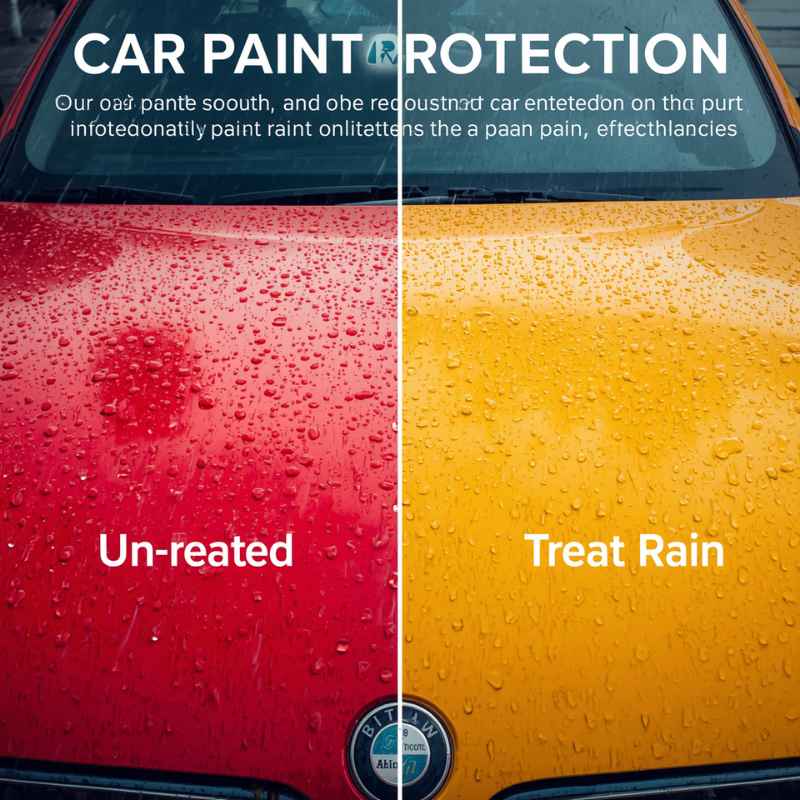
Some people experiment by applying Rain-X to painted surfaces, believing it might help water bead up and protect the paint. But is this really safe?
Car Paint Chemistry: What Makes Paint Vulnerable?
To understand if Rain-X is bad for your car paint, you need to know what car paint is made of. Modern cars use multi-layer paint systems:
- Primer: Bonds the paint to the metal and protects against rust.
- Base coat: Adds color and depth.
- Clear coat: Seals the color, adds shine, and protects against scratches, UV rays, and chemicals.
The clear coat is especially important. It’s the top layer you see and touch, designed to protect the paint underneath. But it’s not invincible. Harsh chemicals, strong solvents, and abrasive materials can damage it.
Paint damage can happen in several ways:
- Fading from UV exposure
- Swirling or light scratches
- Etching from bird droppings or acid rain
- Chemical reactions from cleaners and coatings
So, anything you apply to your car’s paint should be gentle and tested for compatibility.
Rain-x Ingredients And Their Effect On Paint
Let’s look closely at Rain-X’s ingredients and how they interact with car paint.
Rain-x Original Formula
Rain-X’s most common product, the Original Glass Treatment, lists these ingredients:
- Polysiloxane: The hydrophobic agent
- Isopropanol (isopropyl alcohol): Solvent to spread the formula
- Water
- Additives
Polysiloxane is generally safe for glass and many plastics. Isopropanol is a mild solvent, often used in cleaning products, but can be harsh if left on paint in high concentration.
Rain-x And Clear Coat Interaction
A well-maintained clear coat should withstand occasional mild solvents like isopropanol, but repeated exposure can weaken the surface over time. Polysiloxane forms a temporary layer; it doesn’t bond permanently, but repeated use could lead to buildup.
Some Rain-X products (like Rain-X 2-in-1 Glass Cleaner) contain stronger solvents or surfactants, which may remove wax or sealant from paint. This could leave the paint exposed to the elements.
Here’s a simple comparison:
| Product | Main Purpose | Safe for Paint? | Key Ingredients |
|---|---|---|---|
| Rain-X Original | Glass treatment | No | Polysiloxane, Isopropanol |
| Rain-X 2-in-1 Glass Cleaner | Glass cleaner & repellant | No | Alcohol, Surfactants |
| Rain-X Car Wash | Car wash soap | Yes | Detergents, Polysiloxane |
| Rain-X Wax | Paint protection | Yes | Polysiloxane, Waxes |
Key takeaway: Not all Rain-X products are made for paint. The original formulas for glass are NOT recommended for painted surfaces.
Manufacturer Warnings And Recommendations
Rain-X’s official website and product labels are clear: the Original formula is intended for glass, not paint. The company warns users not to apply the glass treatment to painted surfaces, as it could cause streaking, residue, or damage.
Rain-X does offer products for paint and car bodies, like Rain-X Car Wash and Rain-X Wax. These are formulated to be safe for paint, with gentler ingredients.
It’s easy to miss these distinctions, especially since people sometimes use Rain-X glass products on headlights, chrome, or even paint.
Official Guidance
Rain-X’s FAQ states:
> “Rain-X Original Glass Treatment is designed for glass only. Applying to painted surfaces may cause streaking or haze. ”
This is not the same as saying it will destroy paint, but it’s a clear warning. If you use Rain-X glass treatments on paint, you risk unwanted effects.
Real-world Experiences: What Car Owners Report
Many car owners have shared their experiences with Rain-X on paint. Some accidentally spill Rain-X on the hood, while others purposely apply it to experiment.
Common Reports
- Streaks and haziness: Rain-X can leave streaks or a cloudy film on paint, especially if not wiped off quickly.
- Difficulty removing: The residue can be tough to remove, requiring strong cleaners or clay bars.
- No visible damage: In most cases, the clear coat is not visibly damaged after a single accidental application, but repeated use can cause dullness.
A few users claim minor paint dulling after frequent use. Others see no change, but report that the paint feels “sticky” or “grabby” after Rain-X is applied.
Example Case
A user on a popular car forum described spilling Rain-X on their trunk. After wiping it off, a dull patch remained. It took several rounds of polish to restore the shine.
Another user applied Rain-X to their painted bumper by mistake. After washing the area, there was no lasting harm, but the product left a greasy feel.
Data From Detailers
Professional detailers often warn against using glass-specific Rain-X on paint. They note that removing Rain-X residue from paint often requires extra steps, like:
- Washing with a strong soap
- Using a clay bar
- Polishing with a mild abrasive
Repeated mistakes can wear down the clear coat, especially if harsh cleaners are used to fix the problem.
Scientific Studies And Lab Results
There are few independent studies directly testing Rain-X’s effect on car paint. However, lab tests on similar silicone-based products show:
- Short-term exposure: No immediate chemical reaction or damage to clear coat.
- Long-term exposure: Repeated application or improper cleaning can cause the clear coat to lose gloss and become more prone to water spots.
A study published in the Journal of Coatings Technology found that silicone-based products can bond to clear coat, making it harder to remove dirt, but do not typically cause direct damage unless used with strong solvents.
Data from paint manufacturers supports this. They warn that solvents like isopropanol (used in Rain-X) can break down wax or sealant, exposing paint to wear and tear.
Comparing Rain-x To Other Paint Protectants
Rain-X is not the only product people use to repel water. Let’s compare it with other paint protectants.
| Product Type | Water Repellency | Paint Safety | Longevity |
|---|---|---|---|
| Rain-X Glass Treatment | Excellent (on glass) | No (on paint) | 1-2 weeks |
| Car Wax | Good | Yes | 1-3 months |
| Paint Sealant | Very Good | Yes | 3-6 months |
| Ceramic Coating | Excellent | Yes | 1-2 years |
Rain-X glass treatments are unmatched for windshield clarity, but they’re not a substitute for paint wax or sealant. For paint protection, use products specifically made for that purpose — see our guide comparing glass rain repellent vs. paint ceramic coating to find the right one.
Common Myths And Misconceptions
Some myths about Rain-X and car paint can make things confusing. Let’s clear up a few:
- Rain-X will eat through your clear coat overnight.
- False. Rain-X isn’t strong enough to destroy clear coat instantly. Problems come from repeated use or improper cleaning.
- Rain-X is safe for all surfaces.
- False. Rain-X glass treatments should not be used on paint, plastic trim, or rubber.
- Rain-X can replace wax or sealant on paint.
- False. Rain-X doesn’t provide the same protection. It’s made for glass, not paint.
- If you accidentally spill Rain-X, your paint is ruined forever.
- False. Usually, a good wash and polish will fix the problem.
- Silicone products always damage paint.
- False. Many paint protectants use safe silicones. The problem is the formula and how it’s used.
What To Do If Rain-x Gets On Your Paint
Mistakes happen. If you accidentally get Rain-X on your car’s paint, don’t panic. Here’s what to do:
- Act quickly: The sooner you clean it off, the less chance for residue or streaks.
- Wash the area: Use a gentle car soap and lots of water.
- Dry and inspect: Look for streaks, haze, or dull patches.
- Use a clay bar: If residue remains, a clay bar can remove stubborn film.
- Polish if needed: For dullness or haze, a mild polish can restore shine.
- Reapply wax or sealant: Protect the area after cleaning.
Example Process
Let’s say you spill Rain-X on your hood. Here’s a step-by-step guide:
- Rinse the area with water.
- Wash with a pH-neutral car soap.
- Dry with a microfiber towel.
- If you see streaks, use a clay bar.
- Polish with a light abrasive if dullness remains.
- Apply wax or sealant to protect.
Most cases resolve with a single cleaning. Persistent residue may need professional detailing.
Choosing The Right Rain-x Product For Your Car
Rain-X makes many products. If you want water repellency for your paint, choose carefully.
Rain-X’s Car Wash and Wax products are formulated for paint. They add shine and water repellency without risk. The glass treatments should be reserved for windshields, windows, and mirrors.
Here’s a quick guide:
| Rain-X Product | Best Use | Safe for Paint? |
|---|---|---|
| Original Glass Treatment | Windshields, windows | No |
| 2-in-1 Glass Cleaner | Windshields, windows | No |
| Car Wash Soap | Paint, wheels, body | Yes |
| Wax | Paint, body | Yes |
Tip: Always read the label and follow instructions. If you’re unsure, stick to products made for paint.
Expert Opinions: What Professionals Say
Professional detailers and paint experts have clear advice:
- Rain-X glass treatments are for glass only.
- Car paint needs products designed for paint protection.
- Silicone-based formulas are safe if formulated for paint.
- Isopropanol can remove wax or sealant but won’t destroy clear coat in small amounts.
Experts stress the importance of using the right product for the right surface. Using Rain-X glass treatments on paint can lead to streaks, haze, and extra work to remove residue.
One detailer shares:
> “I see people try Rain-X on paint all the time. It’s not a disaster, but it’s not smart. You’ll spend more time fixing the streaks than you would just waxing your car. ”
Non-obvious Insights Most Beginners Miss
Many car owners overlook these key points:
- Rain-X residue can interfere with future paint treatments. If Rain-X glass treatment is left on paint, wax or sealant may not bond properly. This can reduce protection and cause uneven shine.
- Repeated cleaning to remove Rain-X can wear down clear coat. Aggressive cleaning, especially with strong solvents or abrasives, may cause micro-scratches and dullness over time.
- Not all water-repellent products are equal. Some paint-safe products use similar technology as Rain-X, but are balanced for paint. Using glass formulas is risky because they aren’t designed to spread or bond on paint.
Practical Tips For Keeping Your Paint Safe
If you want water repellency and shine for your car’s paint, follow these tips:
- Use paint-specific products. Car wax, paint sealant, or ceramic coatings are made for paint.
- Avoid glass treatments on paint. Even if they seem similar, the formulas are different.
- Read labels and follow instructions. Manufacturers know their products best.
- Test in a small area first. If you’re unsure, try a hidden spot before applying to the whole car.
- Maintain regular cleaning and protection. Wash your car often, use wax or sealant, and inspect for damage.
Environmental Impact: Is Rain-x Harmful Beyond Paint?
Rain-X products contain chemicals that could impact the environment. Isopropanol and silicone compounds are not highly toxic, but repeated washing can introduce these chemicals into storm drains.
Paint-safe Rain-X products are formulated to be more biodegradable and less harmful. Glass treatments, if used as directed, pose minimal risk. But improper use and disposal can contribute to pollution.
According to the EPA, car wash soaps and coatings should be used responsibly. Always wash your car in designated areas, not in the street, to reduce runoff.
Summary: The Honest Truth About Rain-x And Car Paint
So, is Rain-X bad for your car paint? The honest answer is: Rain-X glass treatments are not designed for paint and can cause streaks, haze, and extra cleaning work. They are unlikely to destroy your clear coat instantly, but repeated misuse can dull your paint and make protection harder. Rain-X’s paint-safe products, like car wash and wax, are fine for paint and give water repellency.
If you accidentally get Rain-X glass treatment on your paint, act quickly, wash and clean the area, and reapply protection. For best results, stick to products made for paint. Don’t try to shortcut with glass treatments—they’re great for windshields, not your paint.

Frequently Asked Questions
Can I Use Rain-x On My Car’s Paint To Make Water Bead Up?
No, you should not use Rain-X glass treatments on car paint. They are made for glass, and using them on paint can cause streaks, haze, and residue. For water beading on paint, use paint-safe products like wax, sealant, or ceramic coating.
What Should I Do If I Accidentally Spill Rain-x On My Paint?
If Rain-X gets on your paint, wash the area immediately with car soap and water. If streaks or haze remain, use a clay bar or mild polish. Reapply wax or sealant afterward to restore protection.
Are Rain-x Car Wash And Wax Products Safe For Paint?
Yes, Rain-X car wash and Rain-X wax are made for paint and are safe to use. They add shine and water repellency without risking damage or residue.
Will Rain-x Glass Treatment Remove My Car’s Wax Or Sealant?
Rain-X glass treatments contain solvents like isopropanol, which can break down wax or sealant if applied to paint. This leaves your paint unprotected and more vulnerable to damage.
Is There A Safer Alternative For Making Water Bead On Car Paint?
Yes, there are many paint-safe options. Car wax, paint sealant, and ceramic coatings are made for paint and provide water repellency, shine, and protection. Choose products designed for automotive paint for best results.
If you want to learn more about the chemistry behind car paint and coatings, check this Wikipedia page on automotive paint.
Whether you’re protecting your car from rain or just keeping it shiny, using the right product is key. Rain-X is a great tool for glass, but it’s best to keep it away from paint. With proper care, your car’s paint will stay glossy, protected, and beautiful for years to come.
Products related to this article
Sponsored / affiliate links. As an Amazon Associate I earn from qualifying purchases. I may earn additional commission from eligible campaigns.