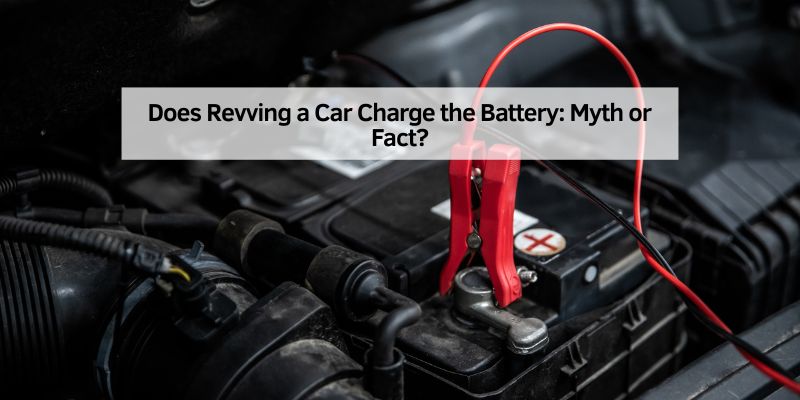
Does Revving a Car Charge the Battery: Myth or Fact?
Have you ever found yourself with a dead car battery and wondered if revving the engine might be the quick fix you need? You’re not alone.
Many drivers are curious about whether giving their car a little gas can actually help recharge the battery. You’ll discover the truth behind this common belief and learn whether revving your car is a myth or a secret weapon for battery troubles.
Imagine the confidence you’ll gain from knowing exactly what to do the next time your battery is running low. Dive in and empower yourself with practical knowledge that could save you time and hassle on the road.
Credit: www.kwik-fit.com
Revving And Battery Charging
Revving a car engine can sometimes help charge the battery. The alternator is the key part here. It creates electricity when the engine runs. At higher speeds, the alternator works faster. This can send more power to the battery. But, it is not always the best solution. If the battery is very low, revving might not help much. It’s important to know that revving is not a magic fix. A healthy battery should charge well even at low speeds. Regular checks of your battery and alternator can help. This can avoid problems and keep your car running smoothly.
Understanding Car Batteries
Car batteries are like the heart of a car. They store energy for the engine. They help start the car when you turn the key. Batteries power lights, radio, and other parts. If a battery is low, the car may not start. Keeping the battery charged is important.
A car’s engine helps charge the battery. Revving the engine can give it a boost. But it might not fully charge it. Short drives may not charge the battery enough. Longer trips can help keep the battery full. It’s good to drive the car regularly. This helps the battery stay strong.
Alternator’s Role
The alternator is key to charging a car battery. It turns engine power into electricity. This electricity charges the battery. Revving the engine can help the alternator work faster. More engine speed means more power for the alternator. This can charge the battery quicker. But, revving doesn’t always fix a weak battery. A healthy battery needs a good alternator. If the alternator is broken, revving won’t help. Always check your alternator if the battery is low. Regular checks keep the battery strong. Batteries need care to last long. The alternator must work well all the time.
Impact Of Engine Speed
Engine speedaffects the battery charge. At low RPMs, the car might not charge well. The alternator works slowly. It gives less powerto the battery. This might not be enough for charging.
High RPMsmake the alternator spin faster. It gives more power to the battery. The battery charges betterand faster. But, too high RPMs can be bad. It can damage the alternator. Balance is key. Moderate RPMsare best for charging and safety.
Efficiency matters. A healthy alternatorcharges the battery well. Low efficiency means slow charging. Regular checks keep it efficient. Charging rates depend on RPMs. Faster RPMs increase charging rates. But, high RPMs use more fuel. This is not efficient for long drives.
Common Myths
Long ago, many believed in revving cars for battery health. This idea came from older cars. Old engines needed more power to start. People thought revving helped. But this is not true for modern vehicles. Today’s cars have better systems. They do not need extra revving. The battery charges while driving.
Modern cars have smart charging systems. These systems help batteries stay full. Revving the engineis not needed. Car batteries charge during normal driving. Even at low speeds, they charge well. Today’s engines are efficient. They use less power and work better. This means less stress on batteries.
Practical Implications
Revving the engine can help charge the battery. But it depends. Short drives don’t charge much. Long drives do better. A battery needs time to charge fully. Idle revving might not be enough. So, it’s best to drive longer.
Some drivers rev at stoplights. Others do on highways. Both think it helps the battery. But habits matter. Frequent short trips drain the battery. Long trips help charge it back. It’s good to check the battery often. This keeps it working well.
Expert Opinions
Experts sayrevving a car engine can help charge the battery. The car’s alternator works harder when the engine revs higher. This means more electricity is produced. The battery gets charged faster. But it is not a magic fix. A weak battery won’t get better by just revving.
Proper car maintenanceis key. Regular driving is important. Short trips are not enough. They might not charge the battery fully. Long drives are good for the battery. They give it a full charge. Remember, taking care of your battery is important.
Maintenance Tips
Taking care of your car’s battery is important. Keep terminals clean. Dirt can stop the flow of power. Check fluid levels often. Low fluid can cause problems. Use a volt meter to check battery voltage. A healthy battery should have around 12.6 volts.
The alternator charges the battery while the car runs. Listen for strange noises. It might mean the alternator is failing. Look for warning lights on the dashboard. They can signal alternator issues. Get regular check-ups to avoid sudden failures.
Frequently Asked Questions
Does Revving A Car Help The Battery?
Revving a car can slightly help charge the battery. The alternator generates more electricity at higher RPMs. However, it’s not a substitute for a proper charge. Driving for extended periods is more effective for charging the battery fully.
Can Revving Damage The Car Battery?
Revving generally doesn’t damage the battery directly. However, excessive revving can strain the engine and alternator. It’s better to maintain regular driving habits for battery health and longevity.
How Does Revving Affect Alternator Performance?
Revving increases the alternator’s output, enhancing its performance. At higher RPMs, the alternator generates more electricity. This can slightly boost battery charging but is not a complete solution for battery drainage.
Is Idling Better Than Revving For Battery Charge?
Idling provides minimal battery charging compared to revving. However, neither method is ideal for battery health. Driving at normal speeds for longer periods is better for effective charging.
Conclusion
Revving the engine can help charge the car battery. But only slightly. It increases alternator speed, producing more electricity. This can aid a weak battery. Yet, it’s not a long-term fix. Regular maintenance is key for battery health. Ensure connections are clean and tight.
Check the battery’s age and performance. Consider professional help if issues persist. Revving should be a temporary solution. Maintain a good charging routine for reliability. Proper care extends battery life. Keeps your car running smoothly. Remember, prevention is better than cure.
Keep an eye on your car’s battery health.