Careers Similar to Automotive Mechanic: 9 Alternatives + Pay
Automotive mechanics carry transferable skills into higher-paying and less physically demanding careers — aircraft mechanic (median $78,680/year), wind turbine technician ($62,580/year), and industrial machinery mechanic ($63,510/year) all out-earn the $50,620 median for automotive service technicians, per BLS 2024-2025 data. Management-track roles like maintenance manager and industrial production manager pay more still, often exceeding $100,000. This guide covers nine real alternative careers, what certification each one requires, and how the pay actually compares.
Quick Answer
Careers similar to an automotive mechanic include aircraft mechanic, wind turbine technician, industrial machinery mechanic, marine mechanic, railroad mechanic, automotive engineering technician, and management-track roles like maintenance manager. Most require an additional certification (A&P, NABCEP, ASE) rather than a full new degree, and several pay significantly more than the $50,620 median for automotive mechanics.
Introduction to Alternative Careers
Automotive mechanics develop problem-solving skills, hands-on diagnostic ability, and comfort working with complex mechanical and electrical systems — all of which transfer directly to adjacent trades. The career paths below range from lateral moves (same skill set, different machine) to genuine upgrades in pay and working conditions.
Real Wage Comparison: Automotive Mechanic vs. Alternative Careers
| Role | Median Annual Wage (BLS) | Typical Path |
|---|---|---|
| Automotive Service Technician | $50,620 | ASE certifications (optional but common) |
| Industrial Machinery Mechanic / Millwright | $63,510 | Apprenticeship or certificate program |
| Wind Turbine Technician | $62,580 | Associate degree + NABCEP certification |
| Aircraft Mechanic | $78,680 | FAA Airframe & Powerplant (A&P) certificate |
| Industrial Production Manager | $121,440 | Bachelor’s degree + management experience |
📊 Aircraft mechanics earn a median of $78,680/year, more than 50% higher than the $50,620 median for automotive service technicians — Source: U.S. Bureau of Labor Statistics, Occupational Outlook Handbook
Heavy Equipment Mechanic
This role involves working with larger machines, such as construction equipment, agricultural machinery, and other heavy vehicles. To specialize in this field, individuals can pursue certifications and training specific to heavy equipment maintenance and repair, often offered by equipment manufacturers or industry organizations, covering hydraulic systems, engines, and electrical components.
Aircraft Mechanic
Aircraft mechanics maintain and repair engines, electrical systems, brakes, and more. The path requires an Airframe and Powerplant (A&P) certificate from the FAA, which means passing written and practical exams. The payoff: a median annual wage of $78,680, the highest of any career on this list, with the option to specialize in avionics or helicopter repair, or work for airlines, manufacturers, or the military.
Marine Mechanic
Marine mechanics maintain and repair sea vessels, including boats and ships. This path requires specialized technical education in marine technology and engineering — the core diagnostic skills (engines, electrical systems, hydraulics) carry over directly from automotive work, but saltwater exposure adds corrosion-specific maintenance knowledge most automotive training doesn’t cover.
Maintenance Supervisor
A maintenance supervisor oversees the maintenance and repair operations in various industries, ensuring that equipment, machinery, and facilities are properly maintained to prevent breakdowns and maximize efficiency. This role and its close relatives below represent the management-track path out of hands-on repair work.
| Job Title | Description |
|---|---|
| Maintenance Manager | Ensures maintenance work is completed efficiently and effectively across a facility. |
| Mechanical Project Manager | Oversees the planning, design, and implementation of mechanical projects. |
| Mechanical Technician | Performs maintenance and repairs on mechanical equipment and systems. |
| Repair Manager | Manages the repair and maintenance of equipment and facilities. |
| Repair Technician | Performs repairs and maintenance on equipment and machinery. |
| Maintenance Supervisor | Oversees repair teams and ensures maintenance work is completed on time and to standard. |
Other related paths include tech support, technical trainer, and engineering technician roles. Former mechanics can also transition into management, sales, or customer service, applying their hands-on credibility in customer-facing or leadership positions. If sales is on your radar, our breakdown of what a car salesman actually makes per car is worth reading first.
Industrial Machinery Mechanic
Industrial machinery mechanics repair and maintain the mechanical equipment used in factories and manufacturing plants — everything from conveyor belts to assembly-line machines. They diagnose issues, perform repairs, and keep production processes running smoothly, with a median wage of $63,510, meaningfully higher than automotive mechanic pay.
Becoming an industrial machinery mechanic typically requires completing a formal training program, such as an apprenticeship or certificate program covering mechanical and electrical systems, hydraulic and pneumatic systems, and welding. With experience, industrial machinery mechanics can advance to supervisory roles or maintenance manager positions.

Mechanical Technician
Mechanical technicians maintain, repair, and troubleshoot complex mechanical systems across industries including automotive, manufacturing, and aerospace. The role blends hands-on mechanical work with reading technical documentation and using diagnostic software — a natural fit for a mechanic comfortable with modern OBD-II diagnostic tools.
Automotive Engineering Technician
An automotive engineering technician assists engineers in designing, testing, and troubleshooting vehicle systems — engines, transmissions, brakes, and electrical systems — and uses CAD software to create and modify design models. This is one of the most direct lateral moves on this list, since it draws on the same vehicle-systems knowledge a mechanic already has. If you want a closer look at what that career path involves day to day, see our guide on the pros and cons of automotive engineering.
To become one, pursue a diploma or associate degree in automotive engineering technology, or an apprenticeship offering on-the-job training while earning a salary. With the industry’s shift toward EVs and hybrids, technicians who understand both traditional and electrified powertrains are in particular demand.
Railroad Mechanic
Railroad mechanics specialize in maintaining and repairing locomotives, freight cars, and other railroad equipment. Certifications specific to railroad maintenance are typically required, and the role rewards mechanics comfortable with large diesel-electric systems rather than the smaller gasoline engines common in automotive work.

Wind Turbine Technician
Wind turbine technicians install and maintain the equipment that harnesses wind energy, earning a median of $62,580 — well above automotive mechanic pay. The path involves a high school diploma, a postsecondary non-degree award or associate degree in wind energy technology, hands-on apprenticeship experience, and certification from the North American Board of Certified Energy Practitioners (NABCEP) or equivalent. Strong mechanical skills, physical stamina, and comfort working at height are essential.
Best ASE Certification Prep Pick

ASE A1-A9 Study Guide: Ultimate All-in-One Test Prep
The fastest way to add ASE credentials that lead to maintenance manager or repair manager pay without switching industries.
- Best for: Earning ASE certifications that lead directly to maintenance manager or repair manager pay without leaving automotive work
- Why we picked it: Covers all 9 core ASE automotive test areas in one guide
- Main drawback: Study time investment, not a shortcut to certification
ASE Automotive Technician Certification Study Guide 2024-2025 : A1-A8: Test Prep Mastery to Ace the
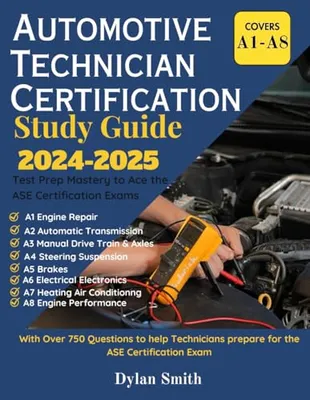 Option 1 ASE Certification Test Prep – Car/Light Truck Study Guide Package A1-A9
|
 Option 2 FOXWELL NT301 Professional OBD2 Scanner
|
 Option 3 KingTool 325-Piece Home/Auto Repair Tool Kit
|
As an Amazon Associate we earn from qualifying purchases.
Further Education and Career Development
For automotive mechanics looking to advance, obtaining advanced certifications can open real opportunities without requiring a full career change. Automotive Service Excellence (ASE) certifications in specific areas — diesel engines, hybrid technology, advanced diagnostics — demonstrate expertise and can lead directly to higher-paying maintenance manager or repair manager positions without leaving the automotive field at all.
“Employment of aircraft and avionics equipment mechanics and technicians is projected to grow 6 percent from 2024 to 2034, faster than the average for all occupations.”
Frequently Asked Questions
What Is The Highest Paying Mechanic-Adjacent Job?
Among the roles compared here, industrial production manager has the highest median wage at 21,440/year per BLS data, followed by aircraft mechanic at 8,680/year. Among hands-on (non-management) roles, aircraft mechanic pays the most.
At What Age Do Mechanics Retire?
Mechanics do not have a specific mandatory retirement age. It varies by personal choice, financial circumstances, and physical health — some retire in their 60s, while others continue into their 70s or beyond.
What Is The Hardest Mechanic Job?
Engine swaps and full replacements are widely considered among the hardest jobs due to the complex wiring, mounting, and system integration involved, though difficulty varies by vehicle and mechanic experience.
Is A Mechanic Better Than A Technician?
Neither is strictly “better” — a technician role typically leans more on computer diagnostics and manufacturer-specific software, while a mechanic role is often more hands-on and practical. Many modern jobs blend both skill sets.
Do I Need a Full Degree to Switch Careers From Automotive Mechanic?
Not usually. Most of the careers above require a certification or apprenticeship (A&P for aircraft, NABCEP for wind turbines, ASE for automotive specialties) rather than a full four-year degree, since your existing mechanical experience already covers much of the foundational skill set.
Conclusion
There are several careers similar to being an automotive mechanic that pay as well or better, including aircraft mechanic (8,680), industrial machinery mechanic (3,510), wind turbine technician (2,580), and management-track roles like maintenance manager and industrial production manager. Most require an added certification rather than starting over from scratch. Whether you are looking for a change or exploring options within the automotive industry, these alternative careers are worth serious consideration.
Products related to this article
Sponsored / affiliate links. As an Amazon Associate I earn from qualifying purchases. I may earn additional commission from eligible campaigns.