Does Your Car Need a Catalytic Converter?
Hey there! If you’ve ever wondered about that mysterious part under your car called a catalytic converter, you’re not alone. I remember the first time I heard about it, sitting in my old Honda Civic, puzzled after a mechanic mentioned it during an inspection. As a car enthusiast who’s spent years tinkering with engines and diving into automotive know-how, I’ve learned a lot about catalytic converters—what they do, why they’re important, and whether your car needs one.
So, let’s grab a seat and chat about this key component. I’ll share my experiences, break it down in simple terms, and answer the big question: Does your car need a catalytic converter? Whether you drive a gas-guzzling truck or a zippy hybrid, this guide will help you understand your car’s needs and keep it running smoothly. Ready? Let’s get started!
What Is a Catalytic Converter?
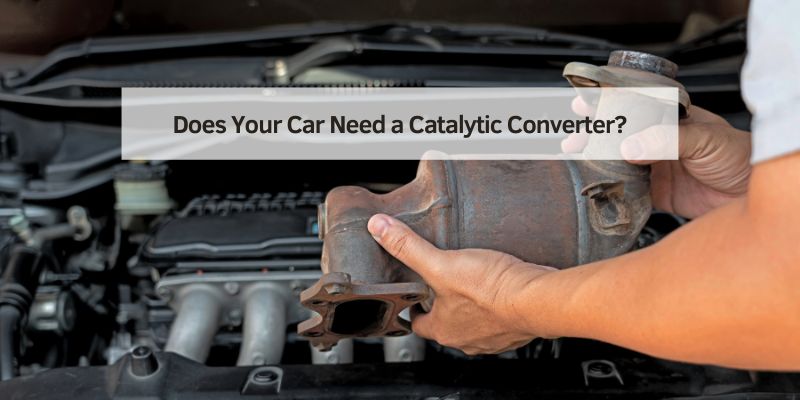
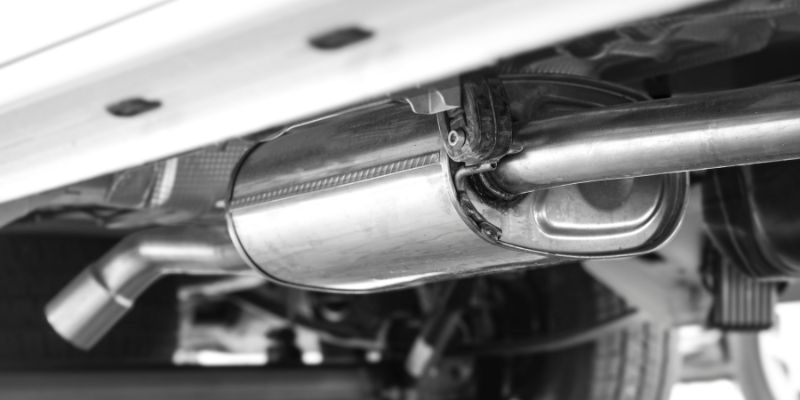
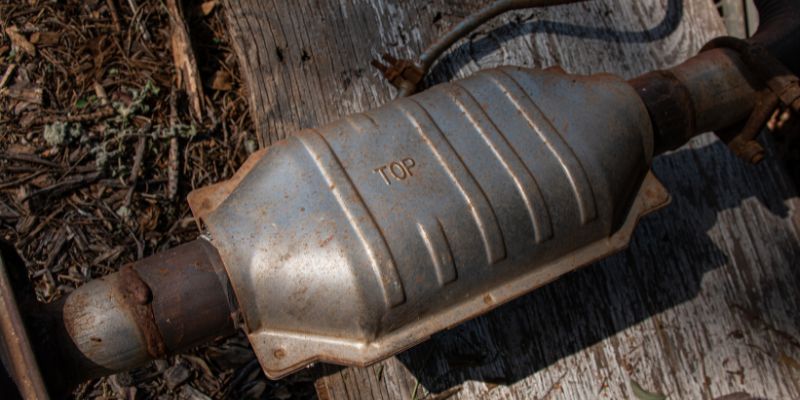
First things first, let’s talk about what a catalytic converter is. Picture it as a small metal box tucked into your car’s exhaust system, usually under the vehicle. I got a good look at one when I helped a friend replace his on a Toyota Camry. It’s filled with a honeycomb-like structure coated with precious metals like platinum, palladium, and rhodium. These metals work magic, turning harmful exhaust gases into less toxic ones.
When your engine burns fuel, it produces nasty stuff like carbon monoxide, nitrogen oxides, and unburned hydrocarbons. The catalytic converter uses chemical reactions to transform these into carbon dioxide, nitrogen, and water vapor. I was amazed to learn how this little device cleans up 90% of the harmful emissions. It’s like a superhero for your car’s exhaust, keeping the air we breathe a bit cleaner.
Why Do Cars Have Catalytic Converters?
I used to wonder why catalytic converters were such a big deal. Turns out, they’re all about protecting the environment and meeting legal standards. Back in the 1970s, the U.S. government got serious about air pollution. I read about how smog was choking cities like Los Angeles, and cars were a major culprit. The Clean Air Act of 1970 led to stricter emission rules, and by 1975, catalytic converters became standard on most gas-powered cars in the U.S.
For me, this hit home when I noticed how much cleaner the air felt in my hometown compared to older photos of smoggy skies. Catalytic converters help reduce smog, acid rain, and health issues like asthma. Plus, they’re required to pass emissions tests in many states. When my Civic failed an emissions test once, a clogged converter was the issue, and replacing it got me back on the road legally.
Does Every Car Need a Catalytic Converter?
Here’s the million-dollar question: Does your car need one? In most cases, the answer is yes, but it depends on your vehicle and where you live. Let me break it down based on my digging and experience.
Gas-Powered Cars
If you drive a gasoline-powered car, like my Honda or my friend’s Ford F-150, you almost certainly need a catalytic converter. Since 1975, nearly all gas cars sold in the U.S. have them to meet federal and state emission laws. I checked my Civic’s exhaust system, and sure enough, there it was, bolted between the engine and muffler. Without it, your car would spew out way more pollutants, and you’d likely fail emissions tests in states like California or New York.
Diesel Vehicles
Diesel cars and trucks are a bit different. Some older diesels, like a 1980s pickup I worked on, didn’t have catalytic converters because diesel engines produce less carbon monoxide. But modern diesels, like those in a 2020 Ram 2500, often have them, along with other devices like diesel particulate filters. I learned this when a buddy’s diesel truck needed a converter replacement to pass inspection. If you drive a newer diesel, check your manual or ask a mechanic.
Electric and Hybrid Cars
Electric cars, like a Tesla Model 3, don’t need catalytic converters. No combustion, no exhaust, no problem! I test-drove a Tesla once and loved how clean it felt. Hybrids, like my neighbor’s Toyota Prius, usually have them because they still use a gas engine part-time. The Prius I looked at had a small converter to handle emissions from its gas motor.
Classic Cars
Older cars, built before 1975, often don’t have catalytic converters. I helped restore a 1969 Chevy Camaro, and it didn’t need one because it predates the regulations. But if you live in a state with strict emissions laws, you might need to add one to pass inspection. Always check local rules—I had to retrofit a converter on a vintage car once to make it street-legal.
Legal Requirements for Catalytic Converters
In the U.S., catalytic converters are a legal must for most cars. The Environmental Protection Agency (EPA) sets federal standards, and states add their own rules. I live in a state with annual emissions tests, and my Civic has to pass every year. If your converter is missing or tampered with, you’ll fail the test and could face fines.
Some states, like California, have super strict rules under the California Air Resources Board (CARB). I learned this when I moved there briefly and had to buy a CARB-compliant converter for my car, which cost $300 more than a standard one. Other states, like Wyoming, have no emissions tests, so the rules are looser. But even there, removing a converter is technically illegal under federal law. I always tell friends to keep their converters to avoid trouble with the law.
What Happens If You Remove a Catalytic Converter?
I’ve heard folks ask if they can ditch their catalytic converter for better performance. I’ll be honest—I was tempted once, thinking it might give my Civic a power boost. But here’s what I learned after talking to mechanics and doing some research.
Removing a catalytic converter can increase horsepower slightly by reducing exhaust restriction. I saw this on a friend’s modified Mustang, which sounded louder and felt a bit peppier. But the downsides are huge. Your car will pollute more, fail emissions tests, and trigger a check engine light because the oxygen sensors won’t read correctly. My friend’s Mustang kept throwing codes until he reinstalled the converter.
It’s also illegal. The EPA can fine you up to $2,500 for tampering with emissions equipment. I read about a shop in my area that got slapped with a $10,000 fine for removing converters. Plus, without a converter, your exhaust will be loud and smelly, which annoys my friend’s neighbors. Trust me, it’s not worth the hassle—keep the converter in place.
Signs Your Catalytic Converter Needs Attention
How do you know if your catalytic converter is acting up? I’ve dealt with a failing converter, and the signs were clear once I knew what to look for.
Check Engine Light
A glowing check engine light is a big clue. My Civic’s light came on, and a scan at AutoZone showed a P0420 code, meaning the converter wasn’t working efficiently. If you see this code, get it checked out.
Poor Performance
A clogged converter can choke your engine. I noticed my car felt sluggish, like it was struggling to accelerate. It was like driving with the parking brake on. This happened when my converter got blocked with carbon buildup.
Rattling Noises
If you hear a rattling sound under your car, the converter’s internal structure might be breaking apart. I heard this in my friend’s Camry, and we found loose pieces inside the converter. It needed replacing pronto.
Rotten Egg Smell
A sulfur-like smell means the converter isn’t processing gases properly. I smelled this in my Civic before it failed. It’s not just gross—it’s a sign of trouble.
How to Maintain Your Catalytic Converter
Keeping your converter healthy saves you money and headaches. I’ve learned a few tricks to make mine last longer:
- Use Quality Fuel: Cheap gas with high sulfur content can harm the converter. I stick to Top Tier brands like Shell or Chevron, which have better additives.
- Fix Engine Issues Fast: Misfires or a bad oxygen sensor can overload the converter. I had a misfire once, and fixing it for $100 saved my converter from damage.
- Avoid Physical Damage: Converters can crack if you hit potholes or speed bumps. I drive carefully on rough roads to protect mine.
- Clean It Periodically: Some mechanics use catalytic converter cleaners, like Cataclean, which you pour into your gas tank. I tried it on my Civic for $20, and it seemed to help performance.
Replacing a Catalytic Converter
If your converter fails, you’ll likely need a new one. I went through this with my Civic, and it wasn’t cheap, but it was necessary. Here’s what I learned:
When to Replace
If your converter is clogged, damaged, or throwing codes, it’s time to replace it. My Civic’s converter was so clogged that it cut my gas mileage in half. A mechanic confirmed it was shot after a pressure test.
Cost of Replacement
A new converter costs $200-$2,000, depending on the car. My Civic’s aftermarket converter was $400, but a luxury car like a BMW can run $1,500. Labor adds $100-$300. I paid $600 total, including installation. CARB-compliant converters, needed in states like California, are pricier.
Choosing a Converter
I went with an aftermarket converter to save money, but OEM (original equipment manufacturer) ones are more durable. Check if your car needs a CARB-compliant model. I always buy from reputable brands like MagnaFlow or Walker to avoid junk parts.
DIY vs. Professional Installation
I’m handy, but I left this job to a mechanic. Replacing a converter involves cutting and welding exhaust pipes, which I didn’t have the tools for. If you’re skilled, you can do it with a welder and jack stands, but I paid $150 for pro installation to ensure it was done right.
Can You Drive Without a Catalytic Converter?
Technically, you can drive without one, but I wouldn’t recommend it. Your car will run, but it’ll be loud, smelly, and illegal. I tried driving my friend’s Mustang after he removed his converter, and the noise gave me a headache. Plus, the check engine light stayed on, and it failed inspection. In states with emissions tests, you won’t get a sticker without a converter. Even in states without tests, cops can pull you over if your car’s too loud or visibly polluting.
Catalytic Converter Theft: A Growing Problem
One thing that shocked me was how often catalytic converters get stolen. I read about a rash of thefts in my neighborhood last year. Thieves target them because the precious metals inside can fetch $50-$200 at scrap yards. My friend’s Prius had its converter stolen—it took the thief 5 minutes with a saw.
To protect your converter, I park in a garage or a well-lit area. I also bought a $100 catalytic converter shield, which bolts over it to deter thieves. Some folks etch their VIN on the converter to make it harder to sell. If yours gets stolen, expect to pay $500-$2,000 to replace it, depending on the car.
Alternatives to Catalytic Converters
I’ve wondered if there’s a way around catalytic converters. For gas-powered cars, there’s no real alternative that meets emission laws. Some high-performance cars use advanced converters that balance power and emissions, but they’re still required. Diesel vehicles might use selective catalytic reduction (SCR) systems instead, but they’re not a direct replacement for gas cars.
Electric vehicles are the ultimate alternative—they don’t need converters at all. I’m eyeing a hybrid for my next car to cut down on emissions without worrying about converter issues.
My Personal Experience with Catalytic Converters
When my Civic’s check engine light came on a few years ago, I was clueless. A P0420 code pointed to the catalytic converter, and I panicked, thinking it’d cost a fortune. I tried a cleaner first, which helped for a bit, but the converter was too far gone. Replacing it for $600 hurt, but my car passed emissions and ran smoother. Since then, I’ve been diligent about maintenance, using good gas and fixing engine issues fast.
Another time, I helped a friend whose Camry’s converter was rattling. We replaced it for $500, and the car felt like new. These experiences taught me to respect this little device—it’s a pain when it fails, but it’s vital for clean air and legal driving.
Environmental and Health Benefits
Catalytic converters do more than keep you legal—they help the planet. I’ve seen how smog affects cities, and converters cut down on the pollutants that cause it. They reduce carbon monoxide, which can be deadly, and nitrogen oxides, which contribute to acid rain. For me, knowing my car’s converter is working makes me feel like I’m doing my part for cleaner air, especially for kids with asthma, like my nephew.
Troubleshooting Catalytic Converter Issues
If you suspect a problem, start with a scan tool. I borrowed one from a friend to read my Civic’s codes. If it’s a P0420 or P0430, the converter might be failing. Check for other issues, like a bad oxygen sensor, which can mimic converter problems. I replaced a $50 sensor once and avoided a converter swap.
If the car’s sluggish or smells bad, take it to a shop. They can test the converter’s efficiency with a backpressure gauge. I paid $75 for a diagnostic, which saved me from guessing. If the converter’s clogged, don’t ignore it—driving with a bad one can damage your engine.
Conclusion
So, does your car need a catalytic converter? For most of us driving gas-powered cars in the U.S., the answer is a big yes. From my battles with a failing converter to helping friends with theirs, I’ve seen how crucial this device is for keeping emissions low, passing inspections, and staying legal. It’s not just about following rules—it’s about cleaner air and a healthier planet. By using quality fuel, fixing engine issues fast, and protecting against theft, you can keep your converter working for years.
Sure, replacing one can sting the wallet, but the benefits outweigh the cost. Next time you’re under your car or at the pump, give a nod to that catalytic converter—it’s doing more than you think. Keep driving smart, and here’s to clear skies and smooth rides!
FAQs
Does every car need a catalytic converter?
Most gas-powered cars need one to meet U.S. emission laws. Electric cars don’t, and some older diesels or pre-1975 classics might not, but check local rules.
What happens if I remove my catalytic converter?
Your car will pollute more, fail emissions tests, trigger a check engine light, and be illegal. I saw a friend’s car get loud and smelly after removing one.
How do I know if my catalytic converter is bad?
Look for a check engine light, sluggish performance, rattling noises, or a rotten egg smell. My Civic’s P0420 code was a dead giveaway.
Can I drive without a catalytic converter?
You can, but it’s illegal, loud, and polluting. You’ll fail emissions tests and might get fined. I wouldn’t risk it.
How much does it cost to replace a catalytic converter?
It ranges from $200-$2,000, plus $100-$300 for labor. My Civic’s replacement was $600, but luxury cars cost more.
How can I prevent catalytic converter theft?
Park in a garage, use a protective shield, or etch your VIN on it. I got a $100 shield for my car, and it’s worth the peace of mind.