Graphite Lubricant for Car Door Locks: Better Than WD-40?
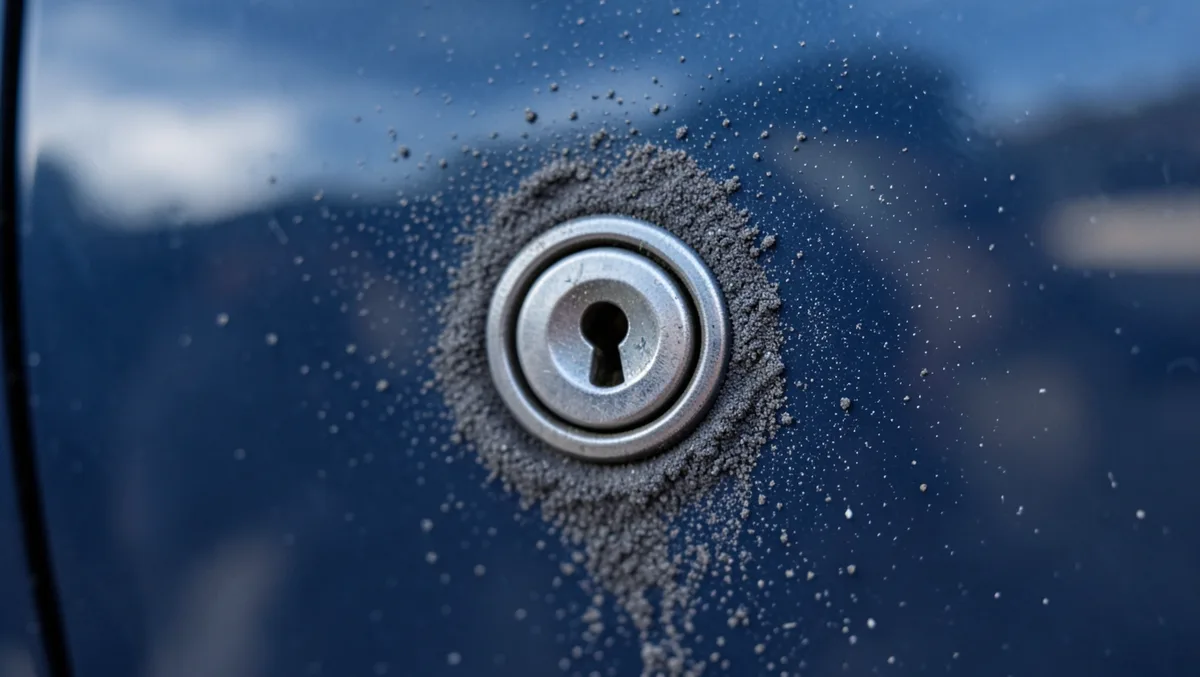
Graphite lubricant is a dry, oil-free powder or spray that coats the pins and springs inside a car door lock so they resist freezing and stop binding from old grease or grit.
Unlike WD-40 and other oil-based sprays, a true graphite or PTFE dry lubricant leaves no sticky film that attracts dust and eventually gums the mechanism shut. Below are three graphite lock lubricants worth buying, how to apply each one, and when a PTFE dry lube is actually the better pick.
Graphite vs. Silicone vs. PTFE: Which Lock Lubricant Should You Use?
Not every dry lubricant behaves the same way inside a lock cylinder, and the wrong pick can leave the lock worse off than before you started.
- Graphite powder is the traditional choice for lock cylinders and ignition switches. As a dry lubricant, it will not attract the dust and grit that an oily spray does, and locksmiths have recommended it for decades. Its one downside: too much powder can cake up inside the mechanism, so a light dusting is all a lock needs.
- Silicone spray works well on rubber door seals, weatherstripping, and window channels, and it holds up better than graphite in wet or humid climates. It is not the first choice for the lock cylinder itself, but it is worth keeping around for the seals near the door.
- PTFE (Teflon) dry lube is what many professional locksmiths now reach for instead of graphite, since it lubricates the pins just as well without any risk of caking and tends to go longer between reapplications.
- Skip WD-40 for the lock itself. It is a penetrating oil, not a dry lubricant, and oil-based sprays attract dust and grit that eventually turn into a gummy paste inside the pins, a problem that gets worse rather than better the next time the lock is exposed to cold or moisture.
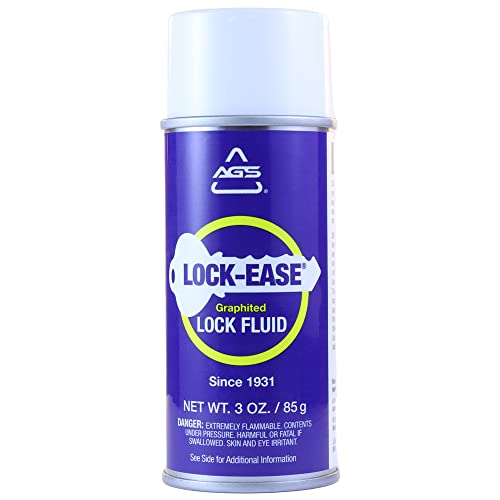
AGS Automotive Solutions Lock-Ease Graphite Lock Lubricant
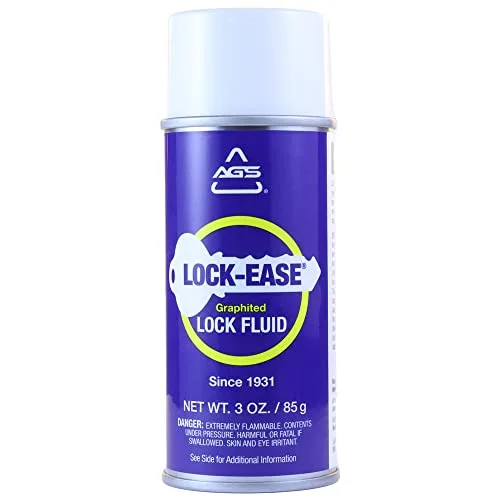
The AGS Automotive Solutions Lock-Ease Graphite Lock Lubricant comes as a 3oz aerosol that sprays a fine dry mist instead of a wet oil, so it reaches the pins inside a car door or ignition lock without leaving the sticky residue that attracts dirt over time. It suits vehicle owners, locksmiths, and DIY enthusiasts who want a straightforward can they can keep in the garage through the winter.
Pros:
- Prevents freezing when applied before cold weather sets in.
- Reduces friction for smoother key turns.
- Leaves no oily residue, so locks stay clean.
- Protects against wear and rust with regular use.
Cons:
- The aerosol propellant is flammable, so store it away from heat and spray it in a ventilated spot.
- A light yearly application is enough; heavier use just empties the can faster without extra benefit.
Because it sprays rather than pours, this is the fastest of the three to apply on a cold morning: a one-second burst into the keyhole followed by a few turns of the key works the lubricant through the whole cylinder. For anyone who lives somewhere winters get genuinely cold, keeping a can of Lock-Ease in the garage is a cheap habit that avoids a frozen lock later.
To buy this product, click here.
Lucky Line Graphite Dry Lock Lubricant Powder
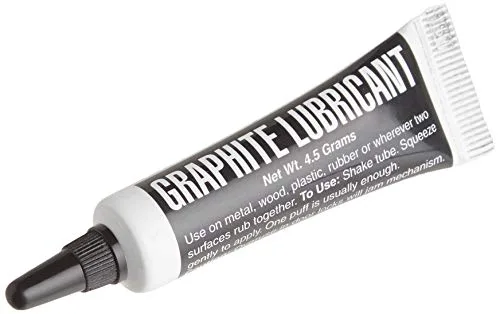
The Lucky Line Graphite Dry Lock Lubricant Powder ships in a small toothpaste-style tube holding 4.5 grams of powder, which is enough for dozens of applications since a lock only needs a light dusting. It suits anyone who deals with sticking locks occasionally, whether that is a car door, a padlock, or a house key, and wants something compact enough to keep in a glovebox, junk drawer, or toolkit.
Pros:
- Compact tube is easy to store and carry.
- Quick application improves lock action right away.
- Non-oily formula avoids the messy residue an oil-based spray leaves behind.
- Works on more than locks: hinges and other metal-to-metal joints benefit too.
Cons:
- The small tube means frequent users may go through more than one a year.
- It is squeezed rather than sprayed, so it takes a bit more care to avoid getting powder on painted surfaces nearby.
Squeezing a small amount directly into the keyhole and working the key back and forth a few times distributes the powder through the whole cylinder without the greasy feel an oil-based lubricant leaves behind. Because the tube is so small, it is easy to keep one in the car itself rather than relying on a can left at home.
To buy this product, click here.
AGS Company Mr. Zip Extra Fine Dry Graphite Lubricant
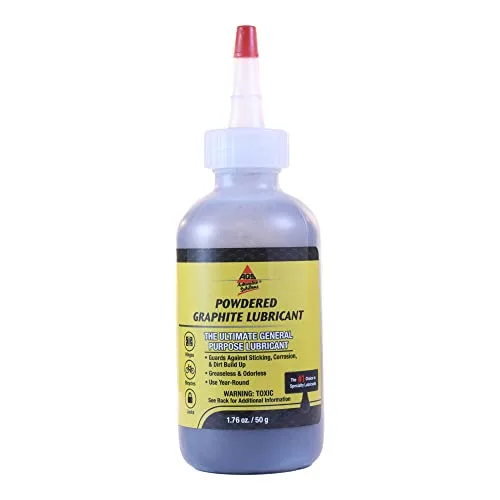
The AGS Company Mr. Zip Extra Fine Dry Graphite Lubricant comes in a 1.76oz squeeze bottle with a narrow, pointed applicator tip, which makes it easier to aim the powder directly into a keyhole or hinge pin than a wider aerosol nozzle allows. It is a good fit for home improvement projects beyond just car locks, since the same dry film lubrication works on drawer slides, hinges, and other sticking mechanisms.
Pros:
- Provides advanced dry film lubrication without an oily feel.
- Pointed applicator tip aims precisely into a keyhole.
- Guards against corrosion and dirt buildup, per the label.
- Suited to a variety of applications beyond automotive locks.
Cons:
- The bottle holds 1.76oz, a modest amount if you plan to lubricate several locks at once.
- The label marks it toxic if ingested, so keep it away from kids and pets like any other lock lubricant.
The pointed tip is what sets this one apart from the aerosol and the tube: it lets you place the powder exactly where it needs to go instead of relying on spray drift or a wide squeeze opening. That precision matters most on a car door lock, where the keyhole is small and surrounded by painted metal you would rather not dust with powder.
To buy this product, click here.
Frequently Asked Questions
How Does Graphite Lubricant Prevent Lock Freezing?
Graphite lubricant coats the pins and tumblers inside a lock cylinder with a dry, water-repelling layer, giving moisture less surface to cling to and freeze against. That is a preventive effect, not a fast fix, since it works best when applied before a freeze rather than after a lock is already frozen shut. If a lock is already iced over, a de-icer spray for car doors will thaw it faster than lubricant alone.
Is Graphite Lubricant Residue-Free?
Yes, a true dry graphite lubricant leaves no oily residue behind. It provides a clean application, so the lock mechanism stays unobstructed instead of collecting the dirt and grime that a wet, oil-based lubricant tends to attract over time.
Can Graphite Lubricant Reduce Lock Friction?
Graphite lubricant reduces friction inside a lock by cutting down on metal-to-metal contact between the pins and the cylinder wall, which makes the key turn more smoothly. If a lock still sticks after lubricating it, worn pins or a failing cylinder could be the real problem; see our guide on how to fix a car door that will not lock for further troubleshooting steps.
Does Graphite Protect Against Wear And Rust?
Graphite lubricant offers real protection against wear and rust by forming a dry barrier that shields the metal pins and cylinder from moisture. That barrier helps prevent the corrosion that builds up gradually inside a lock exposed to rain, humidity, or road salt.
How Do You Apply Dry Graphite Lubricant Powder?
Applying dry graphite lubricant powder is simple: squeeze or spray a small amount directly into the keyhole, then insert the key and turn it back and forth several times to work the powder through the pins. A light dusting is enough; packing the cylinder with excess powder can cake up rather than help.
Is Graphite Lubricant Better Than WD-40 for Car Door Locks?
Yes, for the lock cylinder itself. WD-40 is a light penetrating oil, and oil attracts dust and grit that eventually turns into a sticky paste inside the pins, especially once winter moisture gets mixed in. Graphite and PTFE dry lubricants avoid that problem because they leave a dry film instead of a wet one. WD-40 still has a place on hinges and latch mechanisms outside the keyhole itself, just not inside the lock.
What Should I Do if My Car Door Lock Is Already Frozen?
Graphite lubricant is a preventive step, not a fast fix for a lock that is already frozen solid. If the key will not go in or turn because of ice, a dedicated de-icer spray for car doors melts the ice in under a minute; once the lock is thawed and dried out is the right time to add graphite lubricant so it does not refreeze the next cold night.
Conclusion
Graphite lubricant is the simplest way to keep a car door lock working through a cold winter without gumming it up the way an oil-based spray eventually does. The AGS Lock-Ease aerosol is the fastest to apply on a cold morning, the Lucky Line tube travels well in a glovebox or toolkit, and the AGS Mr. Zip bottle’s pointed tip makes it easiest to aim into a tight keyhole.
Whichever one you pick, a light yearly application is enough. More is not better: packing a lock with excess powder can cause the same sticking problem you were trying to avoid, so a quick dusting before winter is all it takes to keep the mechanism smooth, dry, and free of rust.
Products related to this article
Sponsored / affiliate links. As an Amazon Associate I earn from qualifying purchases. I may earn additional commission from eligible campaigns.