Best Glue for a Rubber Seal on a Car (3M vs. Permatex)
The best glue for a rubber seal on a car is a dedicated weatherstrip contact adhesive, not a general-purpose super glue or an RTV silicone sealant.
3M Super Weatherstrip and Gasket Adhesive and Permatex Super Weatherstrip Adhesive are the two products mechanics reach for most often to reglue a peeling door, trunk, or window seal. Both bond rubber to bare metal and shrug off heat, vibration, and oil once cured, but they set at very different speeds: Permatex goes tack-free in about 3 to 4 minutes, while 3M is a slower contact cement that needs roughly 24 hours to reach full strength. This guide compares the two, walks through how to glue a seal back down the right way, and explains when the rubber itself is too far gone and needs a full replacement strip instead of more glue.
Best Glue for a Rubber Seal on a Car
BEST GLUE FOR RUBBER SEALS
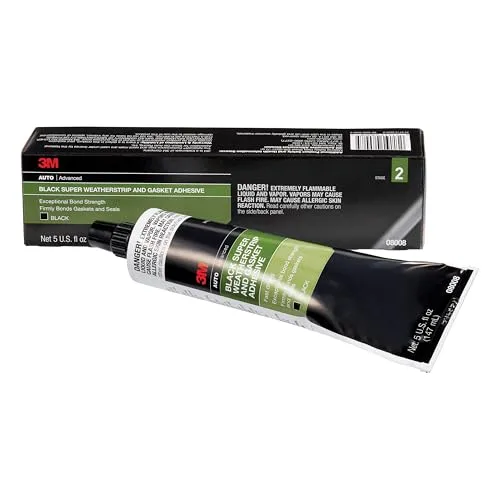 |
3M Super Weatherstrip and Gasket Adhesive (08008) – $11.75 A contact adhesive built to bond rubber weatherstripping and gaskets straight to bare metal.
|
3M Super Weatherstrip and Gasket Adhesive is a contact cement, meaning it bonds through solvent evaporation rather than a chemical cure like super glue or silicone. You brush a thin coat onto both the rubber seal and the metal channel, let both sides flash off until they feel tacky, then press them together for an instant, permanent grip. It resists heat, vibration, engine oils, and cleaning detergents once it sets, which is why it holds up on door edges, trunk lips, and sunroof channels that flex every time the car is used.
How to Glue a Rubber Seal Back Onto a Car
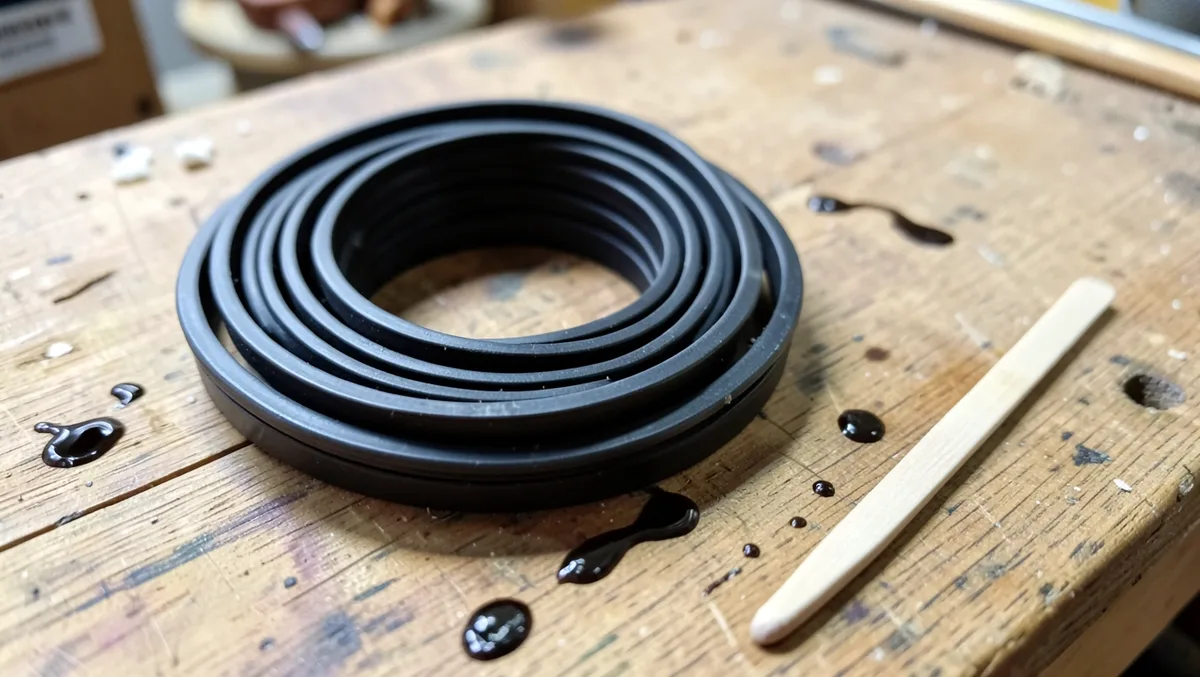
Most peeling weatherstrips fail because the old factory adhesive has dried out, not because the rubber itself is bad. Regluing it properly takes patience more than skill.
- Peel back the loose section and scrape off the old, crumbling adhesive with a plastic scraper. Wipe both the rubber and the metal channel with isopropyl alcohol or a dedicated adhesive cleaner. New glue applied over old, brittle residue will fail again the first time the temperature swings.
- Brush a thin, even coat of adhesive onto both surfaces, the back of the rubber seal and the metal channel it sits in, not just one side.
- Let the adhesive flash off until it feels tacky to a light touch. This takes only a few minutes with Permatex, but 3M needs longer before it is ready to bond.
- Press the seal into the channel firmly, working from one end to the other so no air pockets get trapped underneath.
- On curved sections around door corners or a sunroof opening, hold the rubber in place with painter’s tape or small clamps while the bond sets.
- Leave the door, trunk, or window open, or at least avoid compressing the seal, for the full cure time on the label. That is roughly 24 hours for a contact cement like 3M. Closing the door early can squeeze the bead of adhesive out before it grips.
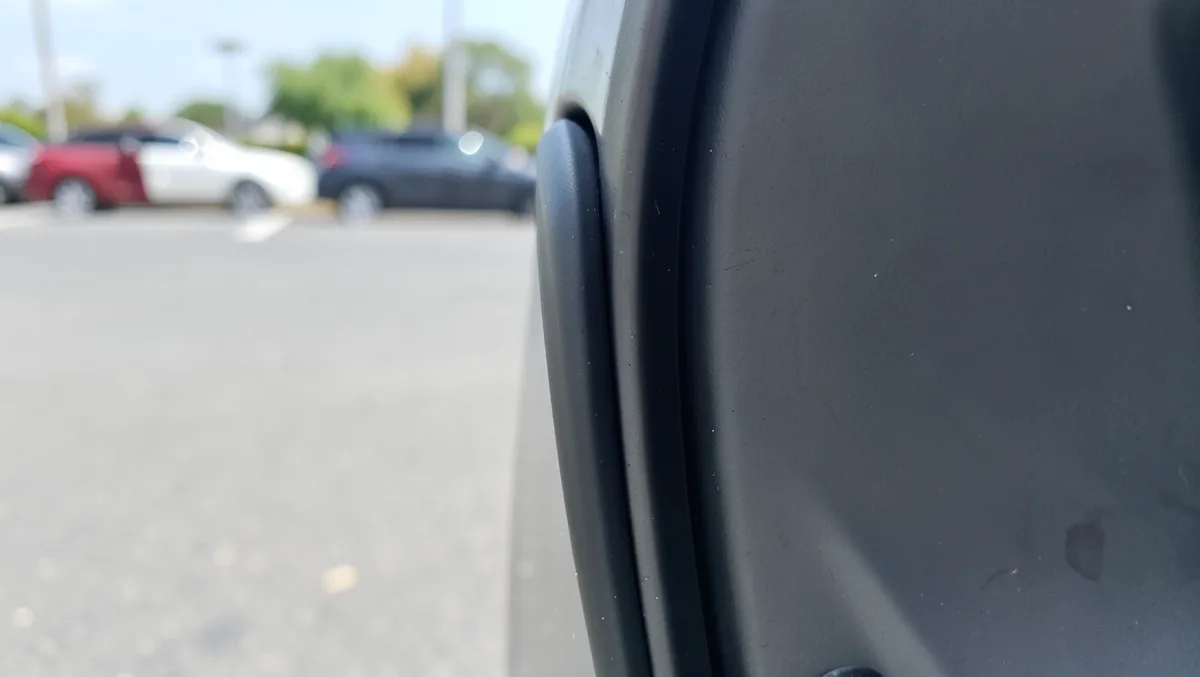
3M vs. Permatex Weatherstrip Adhesive: Which Should You Buy?
Both are contact adhesives that work the same way: apply to both surfaces, wait for the tack, press together. The real difference is patience. Permatex Super Weatherstrip Adhesive reaches a tack-free surface in about 3 to 4 minutes, and gentle heat can speed it up further, so it suits a quick repair when you cannot leave the car apart overnight. 3M Super Weatherstrip and Gasket Adhesive takes closer to 24 hours to cure fully, but many installers consider its long-term grip and resistance to heat cycling worth the wait, especially on a seal that gets sun exposure all day. Either one beats a cyanoacrylate super glue for this job. Super glue cures rigid and brittle, and a rubber seal needs to flex every time a door opens, so a hard glue joint tends to crack loose again within weeks.
Weatherstrip Adhesive vs. Silicone Sealant: Which Do You Need?
These are not interchangeable, even though both come in a tube. RTV silicone sealant is built to fill a gap and seal a joint, such as an engine gasket surface or a seam around a sunroof frame, and it cures into a soft, gap-filling bead rather than a thin bonding film. Weatherstrip contact adhesive is built to do the opposite job: pull two flat, flexible surfaces (rubber and painted metal) together into one thin, permanent bond that still lets the seal compress and rebound thousands of times. If you are chasing a leak around a gasket or a mating surface rather than reattaching a strip of rubber trim, our guide to silicone sealant for cars covers the right products for that job instead.
When to Replace the Weatherstrip Instead of Gluing It
Glue only fixes a seal that has come unstuck. When the rubber has hardened, cracked, flattened, or started crumbling in your hand, no amount of adhesive will restore it, and it is time to buy a replacement strip. Our full step-by-step guide to replacing a car door seal covers removal and fitting in detail. A few universal-fit strips worth knowing about:
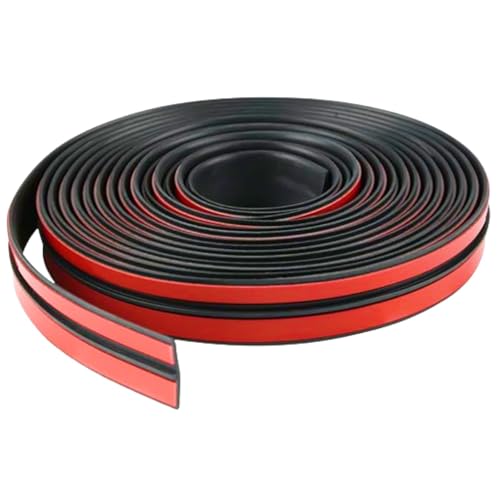
33Ft Universal Self Adhesive Weather Seal Strip
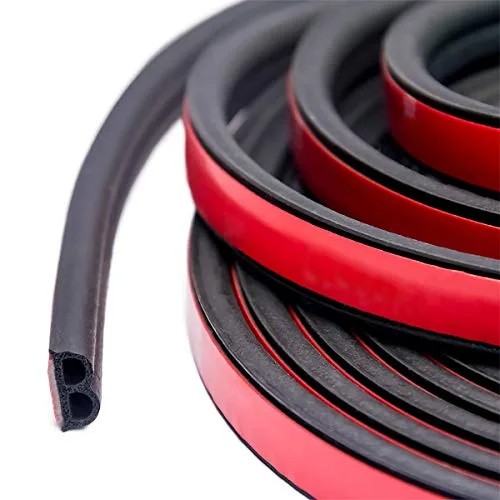
This strip already has its own peel-and-stick backing, so it is a fit for doors and windows where the old seal has hardened or split rather than just come loose. Two 16.5-foot rolls cover most cars with enough left over for trimming. Check the price on Amazon.
HOTSYSTEM D-Shape Door Rubber Seal Strip
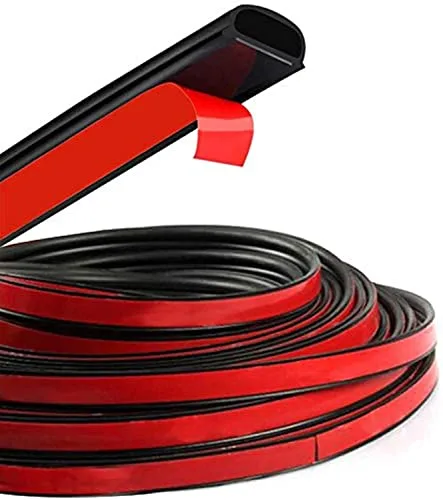
The hollow D-shape profile compresses easily, which makes it a good match for doors, trunks, and hoods on cars, trucks, and motorcycles that need extra cushioning against road noise. It uses genuine 3M adhesive backing for the initial stick. Check the price on Amazon.
DOTAATDW Car Weather Stripping
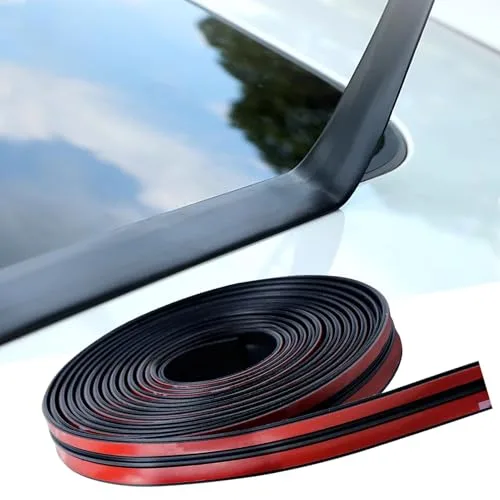
This one uses a 30mm T-shape profile sized for windshield and sunroof trim rather than door edges, so it is the right pick if the leak is coming from around the glass instead of a door. Check the price on Amazon.
If the leak is around a door glass channel specifically, see our guide to replacing car window seals. For an Infiniti with a failed door gasket, we also have a model-specific rubber gasket replacement guide.
Frequently Asked Questions
What Is the Best Glue for a Rubber Seal on a Car?
A contact adhesive made specifically for weatherstripping, such as 3M Super Weatherstrip and Gasket Adhesive or Permatex Super Weatherstrip Adhesive, works best. Both bond rubber to painted metal and stay flexible so the seal can keep compressing every time the door closes.
How Long Does Weatherstrip Adhesive Take to Cure?
Permatex Super Weatherstrip Adhesive goes tack-free in about 3 to 4 minutes, though it keeps gaining strength as it dries fully. 3M Super Weatherstrip and Gasket Adhesive is slower, needing roughly 24 hours before the door or trunk should be closed on it.
Can You Use Super Glue on a Car’s Rubber Seal?
It is not a good choice. Cyanoacrylate super glue cures into a hard, brittle joint, and a weatherstrip seal has to flex constantly, so a super glue bond usually cracks and lets go again within a few weeks. A contact adhesive made for rubber stays flexible instead.
Is Silicone Sealant the Same as Weatherstrip Adhesive?
No. Silicone sealant is designed to fill gaps and seal joints, like an engine gasket surface, while weatherstrip adhesive is a thin contact cement designed to bond a strip of rubber to metal. Using silicone to reglue a weatherstrip usually leaves a messy, weak bond that peels again.
How Do I Remove Old Adhesive Before Regluing a Seal?
Peel away the loose rubber, then scrape off the crumbling old adhesive with a plastic scraper. Clean the seal and the metal channel with isopropyl alcohol before applying new glue. Bonding new adhesive over old, brittle residue is the most common reason a fresh repair fails again.
When Should I Replace the Weatherstrip Instead of Gluing It?
If the rubber itself is cracked, flattened, torn, or crumbling rather than just unstuck, gluing will not fix it. At that point, a replacement strip sized for the area, door, window, or windshield trim, is the more reliable repair.
Conclusion
For a peeling but otherwise healthy rubber seal, a dedicated weatherstrip contact adhesive like 3M Super Weatherstrip and Gasket Adhesive or Permatex Super Weatherstrip Adhesive is the right call, not super glue and not silicone sealant. Clean off the old residue, coat both surfaces, let the adhesive tack up, and press the seal firmly back into its channel.
Skip the glue and fit a new strip instead once the rubber has hardened, torn, or started crumbling on its own, since that damage is beyond what any adhesive can repair. Either way, keep the door or trunk open while the adhesive fully cures so the bond has time to grip before it gets compressed.
Products related to this article
Sponsored / affiliate links. As an Amazon Associate I earn from qualifying purchases. I may earn additional commission from eligible campaigns.