How Much Does Coolant Cost? $10-$40 Per Gallon by Type
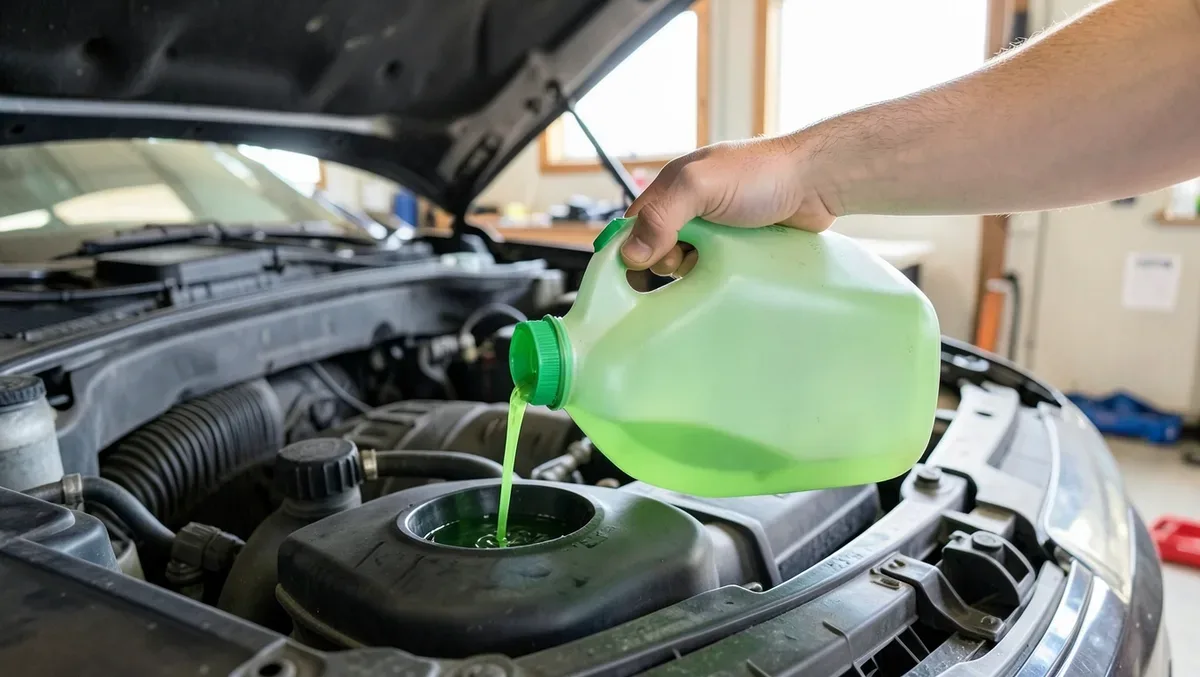
A gallon of car coolant costs $8 to $35, depending on whether it’s basic green IAT fluid, an extended-life OAT or HOAT formula, or a manufacturer-specific European Si-OAT blend. Most cars hold 1 to 2 gallons mixed 50/50 with water, so a full refill runs $15 to $50 in fluid alone.
Have a shop handle the whole job instead – draining the old fluid, bleeding air from the system, and refilling it – and the bill typically lands between $100 and $400, depending on whether you use a chain shop, an independent mechanic, or the dealer. Here’s what actually drives that price, and where you can trim it.
Coolant Basics
BEST FOR A DIY COOLANT REFILL
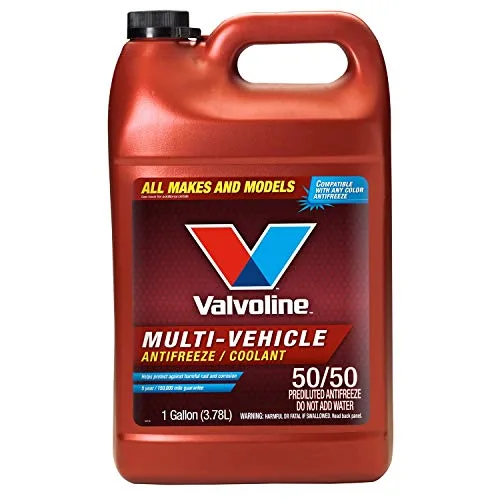 |
Valvoline Multi-Vehicle Antifreeze/Coolant – $18.58 This ready-to-use 50/50 blend needs no mixing and works in gas or diesel engines from any automaker, so it’s a close match for the universal OAT/HOAT pricing in this guide.
|
Coolant, also called antifreeze, is a glycol-based fluid that circulates through the engine block, radiator, and hoses, mixed roughly 50/50 with water. That mix pulls heat away from the cylinders so the engine doesn’t overheat, and it lowers the freezing point of the water so the block doesn’t crack in winter. Most coolants also carry corrosion inhibitors that protect the aluminum and metal parts of the cooling system from rust and scale buildup over time.
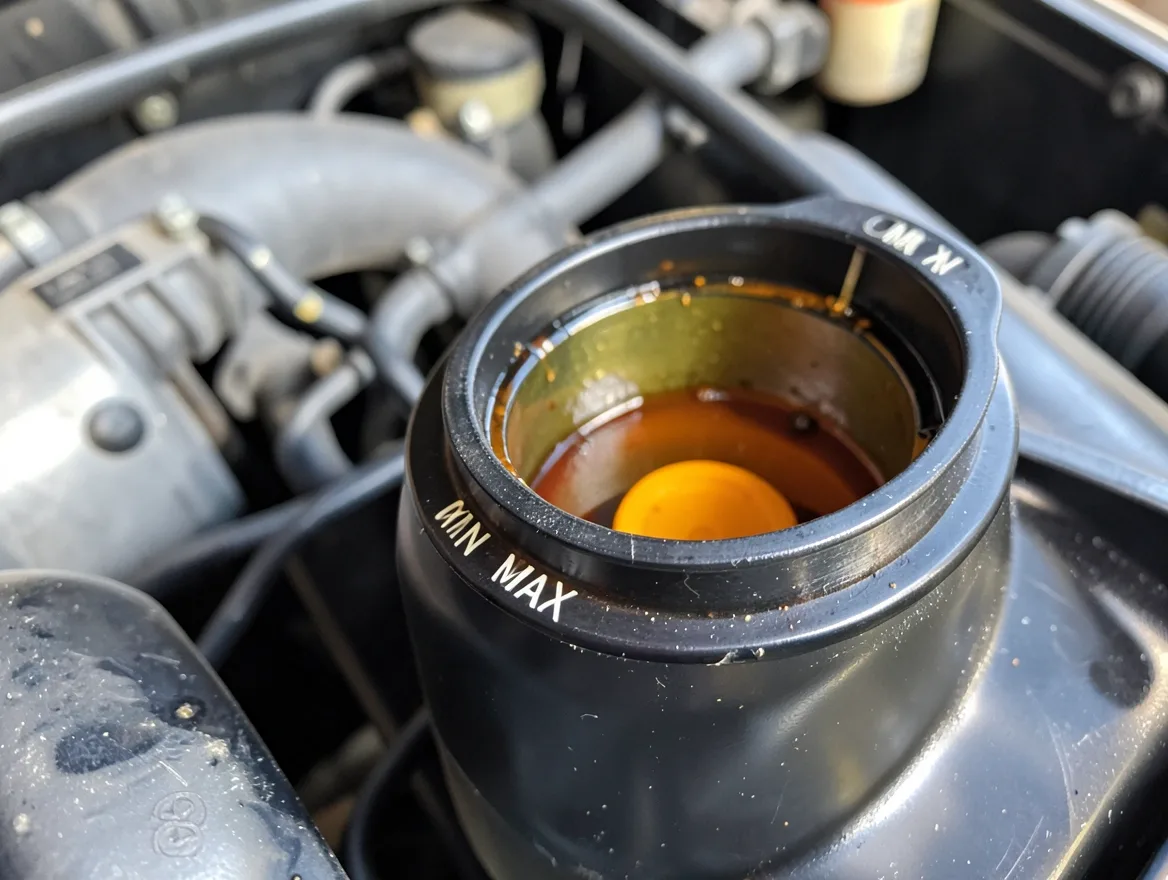
A cooling system that’s low or running old, worn-out coolant loses its ability to manage heat, which is one of the fastest ways to trigger an overheating warning or a cracked head gasket. Checking the reservoir level every month or two, and topping it off before it drops below the MIN line, is the cheapest maintenance you can do on the whole car.
Types of Coolant and What Each One Costs
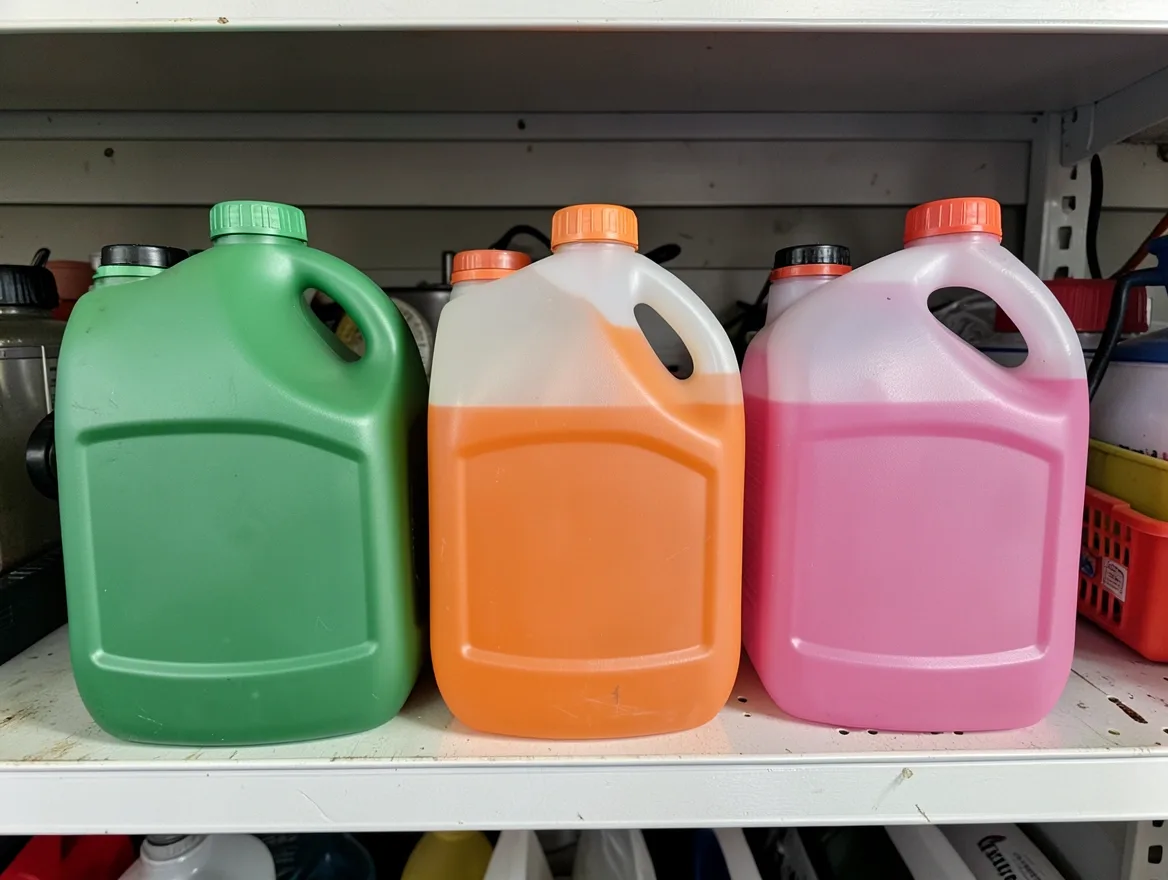
Coolant chemistry, not just the brand on the label, is the biggest factor in price. IAT (Inorganic Additive Technology) coolant is the traditional bright-green fluid found in older domestic vehicles; it uses silicates and phosphates for corrosion protection and typically costs $8 to $12 a gallon, but needs replacing every 2 years or 30,000 miles.
OAT (Organic Acid Technology) coolant – the orange, Dex-Cool-style fluid common in GM vehicles – and HOAT (Hybrid OAT) formulas used by Ford, Chrysler, and many Asian imports run $15 to $25 a gallon. Both use organic acids instead of silicates, last up to 5 years or 150,000 miles, and are the most common fluid sold as universal or all-vehicle coolant. Manufacturer-specific Si-OAT coolant for European cars like BMW, Mercedes-Benz, and Volkswagen/Audi costs the most, typically $25 to $35 a gallon, because it’s formulated for that automaker’s specific metals and gasket materials. Mixing the wrong chemistry into your system can cause gel-like sludge to form, so always match what’s already in the car or what your owner’s manual specifies.
Factors That Affect Coolant Price
Beyond chemistry, concentrate versus pre-diluted fluid changes the math. A concentrated coolant needs to be mixed 50/50 with distilled water yourself, which stretches one gallon into two gallons of usable fluid and lowers the effective cost. Pre-diluted, ready-to-use coolant costs a little more per bottle but saves the hassle of measuring and buying distilled water separately.
Brand reputation and warranty length matter too. Coolants backed by a 5-year or 150,000-mile guarantee generally cost more upfront than basic 2-year formulas, but they need to be replaced less often, so the per-year cost often evens out. Always check your owner’s manual before switching brands or types; using a coolant your automaker doesn’t recommend can void a warranty claim if a cooling-system part fails later.
Average Coolant Prices by Type
Here’s how the four common coolant chemistries stack up on price and typical service life:
| Coolant Type | Price per Gallon | Typical Service Life | Common On |
|---|---|---|---|
| IAT (green) | $8 – $12 | 2 years / 30,000 mi | Older domestic vehicles |
| OAT (orange, Dex-Cool style) | $15 – $20 | 5 years / 150,000 mi | GM vehicles |
| HOAT (yellow/gold) | $15 – $25 | 5 years / 150,000 mi | Ford, Chrysler, many Asian imports |
| Si-OAT (European) | $25 – $35 | 5+ years / 150,000+ mi | BMW, Mercedes-Benz, VW/Audi |
DIY vs. Professional Coolant Replacement
Doing it yourself keeps the cost down to the fluid itself, plus a cheap funnel and a pair of gloves – usually $15 to $50 total for a full drain-and-refill, since the coolant is the only real expense. It takes roughly 30 to 60 minutes on most cars, and the main risk is skipping the bleed step and leaving an air pocket in the system, which can cause the heater to blow cold or the engine to run hotter than normal.
A shop-performed coolant flush costs more because labor makes up most of the bill: expect $99 to $200 at a chain shop like Jiffy Lube or Valvoline, $100 to $180 at an independent mechanic, and $200 to $400 at a dealership, where labor rates run higher and they’ll often use the manufacturer’s specific coolant. Shops also pressure-test the system for leaks while they’re in there, which is worth the extra cost if your car is already showing signs of a cooling-system problem.
Coolant Cost-Saving Tips
Buying a concentrate instead of pre-diluted fluid effectively doubles your gallon once you mix in distilled water, which is the single biggest way to cut the per-refill cost. Auto parts stores also run seasonal sales on coolant in early fall and late winter, right before temperature swings send people in for a flush, so timing a routine top-off around those windows can save a few dollars per bottle.
If you already know your car takes a universal OAT or HOAT fluid, buying it by the case rather than one bottle at a time usually knocks the per-gallon price down further. Just don’t overbuy: unopened coolant is shelf-stable for a few years, but once a container has been opened, it can pick up contaminants and is best used within a season or two rather than stockpiled indefinitely.
Coolant Maintenance Tips
Cost aside, the fastest way to avoid an expensive repair is simply staying ahead of the maintenance schedule. Regular checks catch a slow leak or aging fluid long before it turns into a blown head gasket.
When to Replace Coolant
Most coolants need replacing every 30,000 to 100,000 miles depending on the type – check your owner’s manual for the exact interval, since it varies more by chemistry than by age. Old coolant loses its corrosion protection and its ability to transfer heat efficiently, so a rising temperature gauge, even a little, is worth investigating rather than ignoring.
Signs of Coolant Issues
Watch for a sweet smell near the engine, a puddle under the front of the car, or the temperature gauge creeping up – all three point to a coolant leak. If you ever see steam from under the hood, pull over and let the engine cool completely before opening anything; a hot radiator cap can cause serious burns. Check the reservoir level regularly and keep it between the MIN and MAX lines.
Environmental Impact of Coolants
Traditional coolant is toxic to pets and wildlife – its sweet smell and taste make it especially dangerous if it leaks or spills onto a driveway. Never pour used coolant down a drain or onto the ground; most auto parts stores and municipal recycling centers accept it for free and handle the disposal safely. Some newer OAT and HOAT formulas use biodegradable organic acids instead of the older silicate/phosphate mix, which reduces the environmental impact somewhat, though all coolant should still be treated as hazardous waste and kept away from kids and animals.
Frequently Asked Questions
How Much Should Car Coolant Cost?
Budget green IAT coolant costs $8 to $12 a gallon. Extended-life OAT or HOAT formulas run $15 to $25, and manufacturer-specific European Si-OAT coolant costs $25 to $35. Most cars need 1 to 2 gallons for a full refill.
Can I Just Add Coolant to My Car?
Yes, as long as the engine is cool and you use the type listed in your owner’s manual. Top off the reservoir between the MIN and MAX marks, and never open a hot radiator cap.
Can I Drive My Car With Low Coolant?
You can drive a short distance, but low coolant lets the engine run hotter and raises the risk of a warped cylinder head or a blown head gasket. Top it off or have the system checked before your next longer trip.
How Much Coolant Does My Car Need?
Most passenger cars hold 1 to 2 gallons of coolant mixed 50/50 with water; larger trucks and SUVs can need up to 3 gallons. Check your owner’s manual for your vehicle’s exact cooling-system capacity.
Where Can I Buy Coolant Near Me?
Coolant is sold at auto parts stores like AutoZone, O’Reilly, and Advance Auto Parts, at big-box retailers like Walmart, and at most gas stations. Dealerships also stock the manufacturer-specific formula if your car requires one.
How Much Does a Professional Coolant Flush Cost?
A shop-performed coolant flush costs $99 to $200 at a chain shop or independent mechanic, and $200 to $400 at a dealership. The fluid itself is a small part of that total; labor makes up most of the bill.
Conclusion
Coolant itself is one of the cheapest fluids in your car, usually $8 to $35 a gallon depending on the chemistry your vehicle needs. The real cost swing comes from whether you do the job yourself or pay a shop, where labor can push a routine flush to $100 to $400. Match the type your manual specifies, keep an eye on the reservoir level, and a coolant system this cheap to maintain rarely turns into an expensive repair.
Products related to this article
Sponsored / affiliate links. As an Amazon Associate I earn from qualifying purchases. I may earn additional commission from eligible campaigns.