How to Fix a Car Door That Won’t Lock: Causes & DIY Fixes
If your car door won’t lock, it’s often due to a mechanical issue with the lock actuator, a faulty door handle sensor, or a problem with the wiring or the key fob. Simple DIY checks often involve looking at fuses, testing the key fob battery, and inspecting visible door components. More complex issues might require professional help.
Understanding Why Your Car Door Won’t Lock
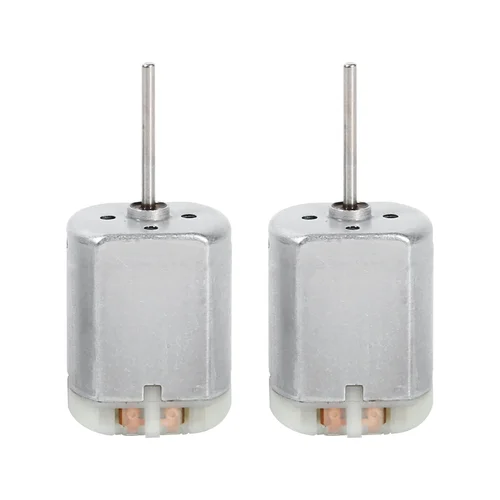
Our Pick: Universal Door Lock Actuator
A direct-fit replacement for a stripped or grinding lock actuator motor — the most common cause of a door that clicks but won’t lock.
View Our Pick on Amazon
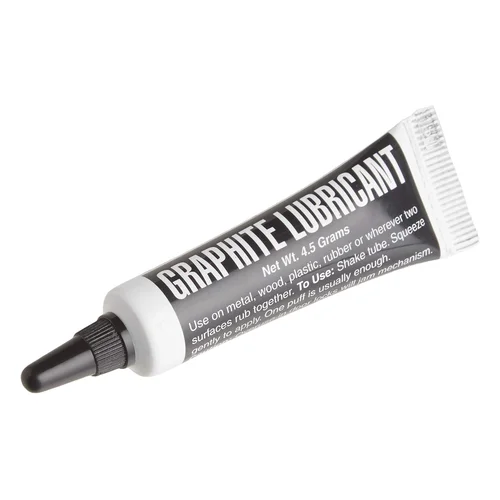 Dry-Film Lock Lubricant Best for: a stiff manual key or frozen lock cylinder. Check on Amazon → |
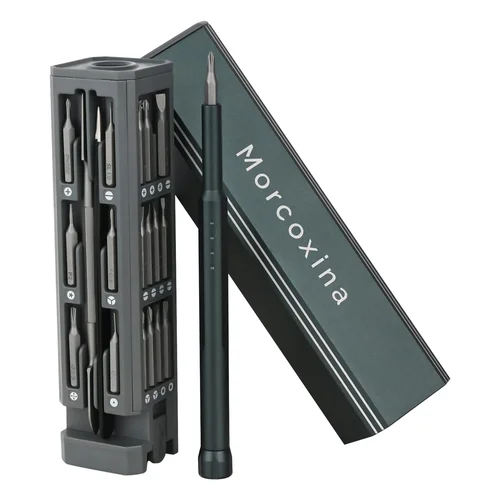 Precision Screwdriver Set Best for: removing the interior door panel without stripping screws. Check on Amazon → |
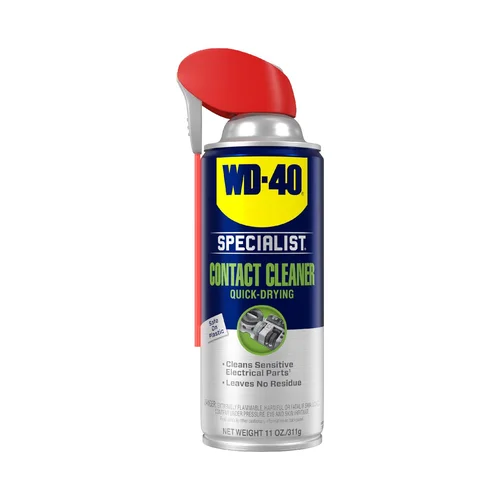 Electrical Contact Cleaner Best for: an intermittent lock caused by a dirty wiring connection. Check on Amazon → |
As an Amazon Associate we earn from qualifying purchases.
Cars are complex machines. Many parts work together to make things like locking doors happen. When one piece doesn’t work right, it can stop the whole system.
Your car door lock relies on several things. There’s a mechanism inside the door. There’s a connection to your door handle.
And there’s often an electronic signal telling it to lock or unlock. If any of these parts fail, you can end up with a door that stays stubbornly open or unlocked. It’s like a chain reaction.
A problem at the start of the chain affects the end result.
Think about your car’s locking system. It’s not just one single part. It’s a team effort.
You have the physical lock cylinder itself. Then there’s the actuator. This is a small motor that actually moves the lock mechanism.
It’s connected to your power lock buttons and your key fob. There’s also a sensor in the door handle. This sensor tells the car when you’ve used the handle.
Sometimes, the wiring that connects all these parts can get damaged. Even a small issue can prevent the entire lock system from working correctly.
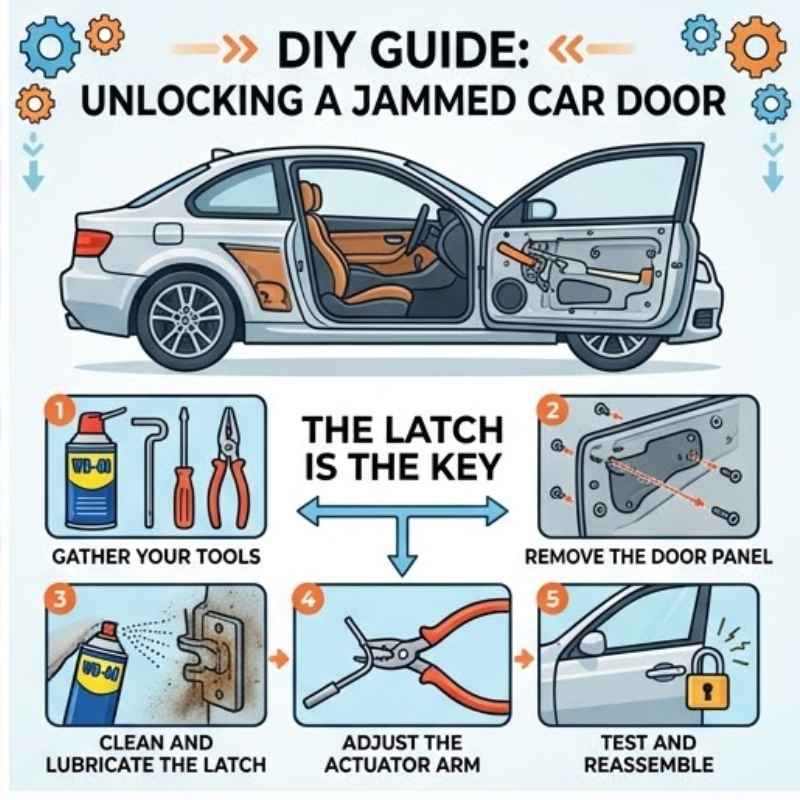
My Car Door Lock Story: A Sticky Situation
I remember one chilly Tuesday morning. The sky was a dull grey, and I was trying to get my kids to school. I grabbed my keys, and we all piled into the car.
I pressed the unlock button on the driver’s door. The other doors clicked open, but the driver’s door stayed locked. I thought, “Okay, weird.” I pressed the lock button.
Nothing. It wouldn’t budge. I got out and tried the key.
It turned, but the door still wouldn’t lock. A wave of annoyance washed over me. We were already running late.
I just needed that one door to work!
I stood there for a moment, feeling a bit flustered. My mind raced. Was it something I did?
Was it just going to be a huge, expensive repair? I remembered seeing some videos online about car door issues. I decided to try a few simple things before calling a mechanic.
I looked for a blown fuse related to door locks. I checked the car battery, though that seemed unlikely. I even tried using the spare key fob, just in case mine was acting up.
This little hiccup was definitely not part of my morning plan.
“That stuck driver’s door taught me to check the cheap stuff first — fuse, fob battery, manual key — before assuming it’s the actuator. Nine times out of ten it’s one of those three, not a $150 part.”
— Md Meraj, The Daily Automotive
Quick Door Lock Checks
Check Fuses: Your car has a fuse box. Look for fuses related to door locks. A blown fuse can stop power to the lock system.
Your car manual will show you where the box is and what each fuse controls.
Test Key Fob: Batteries in key fobs die. Try a new battery. If you have a spare fob, try using that.
This tells you if the problem is with the fob itself.
Try the Manual Key: If your car has a keyhole on the outside of the door, try using the actual key. Sometimes the electronic lock works, but the manual lock is stuck.
Common Causes for a Car Door Not Locking
Let’s break down the most common reasons your car door might not be cooperating. Understanding these can help you figure out the next step.
1. The Lock Actuator
This is probably the most frequent culprit. The lock actuator is a small motor inside your car door. It’s what physically moves the locking rod.
When you press the lock button or turn the key, the actuator receives a signal. It then moves to lock or unlock the door. Over time, these motors can wear out.
They can get stuck, weak, or stop working altogether. If you hear a clicking or grinding noise when you try to lock it, but nothing happens, the actuator is a strong suspect.
When an actuator fails, it’s usually specific to one door. You might find one door locks fine, but another doesn’t. This is because each door has its own actuator.
The good news is that actuators are often replaceable. It’s a part you can sometimes buy and swap out yourself or have a mechanic do. The bad news is that it does involve taking off the interior door panel, which can be a bit of work.
But it’s often the cause of a stubbornly unlocked door.
2. Faulty Door Handle Sensor
Modern cars have sensors everywhere. Some door handles have sensors that tell the car when you’re trying to open the door. These sensors can also be linked to the locking system.
If the sensor is damaged or not working correctly, it might send the wrong signal. It could think the door is being opened when it’s not. This confusion can prevent the door from locking.
It’s like the car thinks you’re still inside or trying to get out.
These sensors are often integrated into the handle assembly. If your handle feels loose, or if the interior lights don’t come on when you expect them to when opening the door, a sensor issue might be at play. It’s less common than actuator failure, but it’s a possibility.
Fixing this might mean replacing the entire door handle assembly or just the sensor part if it can be separated.
3. Wiring Problems
All the electronic components in your car need wires to communicate. The wires connecting the lock actuator, the door handle sensor, the car’s computer, and the key fob can get damaged. This can happen over time.
Wires can fray, corrode, or get pinched. This is especially true in areas that move, like within the door where it opens and closes. A broken wire means the signal can’t get through to tell the lock to engage.
Diagnosing wiring issues can be tricky. It often requires special tools to test continuity. If you suspect a wiring problem, it’s usually best left to a professional.
They can trace the wires and find the break. Sometimes, a damaged wire is obvious, like if you see a chewed-up section near the door hinge. But often, it’s hidden inside the door panel or the car’s body.
This is where understanding your car’s electrical system becomes important.
4. Key Fob Issues
Your key fob is the remote control for your car’s locks. If the fob itself is the problem, it can prevent you from locking the doors remotely. The most common fob issue is a dead battery.
This is easy to fix. Just
Sometimes, the fob can get damaged. Dropping it or exposing it to water can cause internal issues. In rare cases, the fob can lose its programming to your car.
This would require the car’s computer to be reprogrammed to recognize the fob again. But before you worry about that, always check the battery and try the spare.
5. Door Latch and Lock Mechanism Gunk
Over time, the moving parts inside your car door can get dirty. Dust, grime, and old lubricant can build up. This buildup can make the lock mechanism stiff and sticky.
It might still work, but it won’t move as smoothly or as quickly as it should. If you hear a slow, clunky sound when you try to lock or unlock, this could be the reason. It’s like a joint that needs a little oil.
This is one of those issues that can sometimes be fixed with a good spray of lubricant. You’ll need to spray it into the lock mechanism. Often, you can access some of these parts by removing the door panel.
A product like WD-40 or a specialized electrical contact cleaner can help free up sticky parts. It’s a less common cause for a complete failure to lock, but it can contribute to intermittent problems.
Symptom, Likely Cause & DIY Fix at a Glance
| Symptom | Likely Cause | DIY Fix |
|---|---|---|
| Silent, no click at all | Blown fuse or dead key fob battery | Check the fuse box; swap the fob battery |
| Clicking, but door doesn’t lock | Worn or disconnected linkage between the actuator and latch | Remove the door panel and inspect the linkage rod |
| Grinding noise when locking | Lock actuator motor gears stripped | Replace the actuator (parts $50-$150) |
| Works sometimes, not always | Loose wiring connection or weak fob signal | Clean electrical connections; test with a spare fob |
| Manual key stiff or won’t turn | Dirty or frozen lock cylinder | Lubricate with a graphite or silicone-based lock lubricant |
Contrast: Normal vs. Concerning Lock Behavior
Normal Lock Behavior
- All doors lock and unlock with the key fob button.
- The manual key turns smoothly and locks/unlocks the door.
- Interior lock buttons work for all doors.
- A slight delay or faint click is normal.
Concerning Lock Behavior
- One door does not lock or unlock.
- You hear grinding or no noise at all when trying to lock.
- The key fob only works for some doors.
- The manual key is stiff or won’t turn.
- Lights flicker or other electrical issues occur when locking.
Real-World Scenarios Where Doors Won’t Lock
Let’s look at some situations where you might run into this problem.
Scenario 1: The Cold Weather Lock-Up
It’s winter in Chicago, and the temperature has dipped to 5 degrees Fahrenheit. You’re trying to leave for work. You press the lock button on your key fob, and nothing happens.
You try the key manually, and it’s stiff. This is a classic sign of moisture in the lock mechanism freezing. It can also make the lubricants inside the actuator stiff.
The cold makes everything harder to move. Forcing it can damage parts.
In these cases, you might try warming the keyhole with a hairdryer (from a safe distance, of course). Or you can spray a lubricant designed for cold weather. Once the temperature warms up, the lock might start working again.
But if it continues to be a problem, the internal parts might need cleaning or replacing.
Scenario 2: The “I Just Washed My Car” Lock Fail
You’ve just given your car a nice wash and wax. You’re drying it off, and you try to lock it. The driver’s door stays unlocked.
Water may have seeped into the electrical connectors or the lock actuator. This can cause temporary or even permanent damage. If water gets into the actuator motor, it can cause it to short out or corrode.
If this happens, try letting the car air out completely. You might even open the door panel and gently dry any visible connections. If the problem persists after drying, the water might have caused lasting damage to an electrical component.
This is where you might need to look at replacing the actuator or checking the wiring harness for corrosion.
Scenario 3: The Mysterious Single Door Lock Failure
This is the most common complaint. You’ve had your car for several years. Suddenly, your passenger side rear door won’t lock anymore.
The other three doors work perfectly. You press the lock button, and you hear the thunk from the other doors, but silence from that one. This points strongly to an issue specific to that door.
The most likely cause is a failed lock actuator within that door.
This is the scenario where many people start looking for DIY fixes. They know the problem is isolated. They can often find videos showing how to remove the interior door panel for their specific car model.
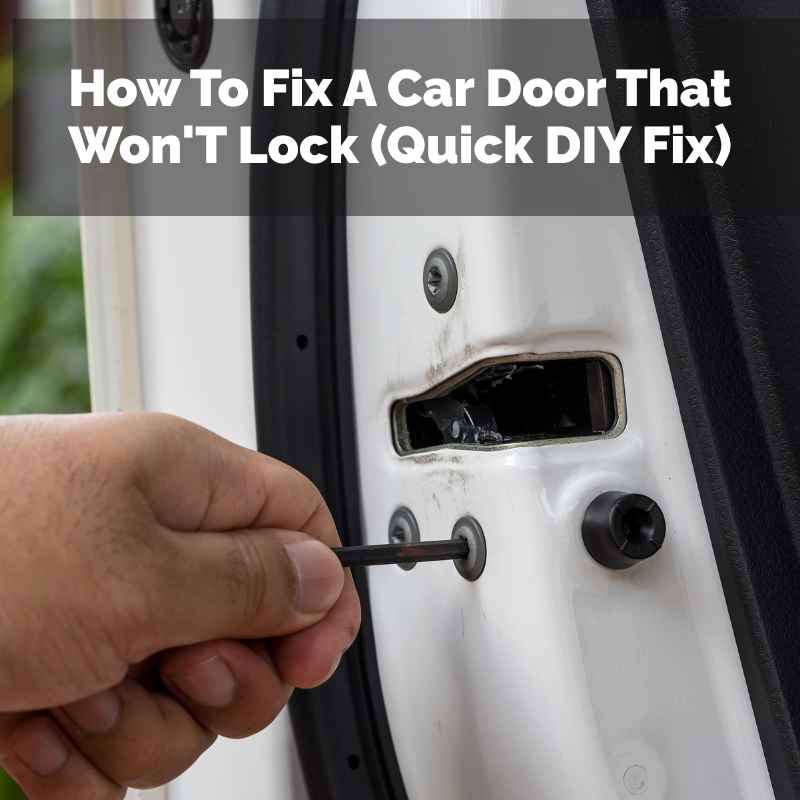
Then, they can see the actuator and test it. Replacing it is often a manageable DIY project for someone with basic tools and patience.
Scenario 4: The Key Fob Panic
You’re at the grocery store and need to lock your car. You press the button on your key fob. Nothing.
You try again. Still nothing. You walk to the car and try the manual key.
It works. You realize the fob isn’t communicating with the car. This often means a dead battery in the fob.
It’s frustrating because you relied on that convenience. But it’s usually a simple fix. Your car’s internal locking system is fine; it’s just not getting the command.
This is the easiest problem to solve. You find the type of battery your fob uses (usually printed inside the fob or in your car manual). You buy a new one at a drugstore or supermarket.
Pop open the fob (there’s usually a small seam or screw) and
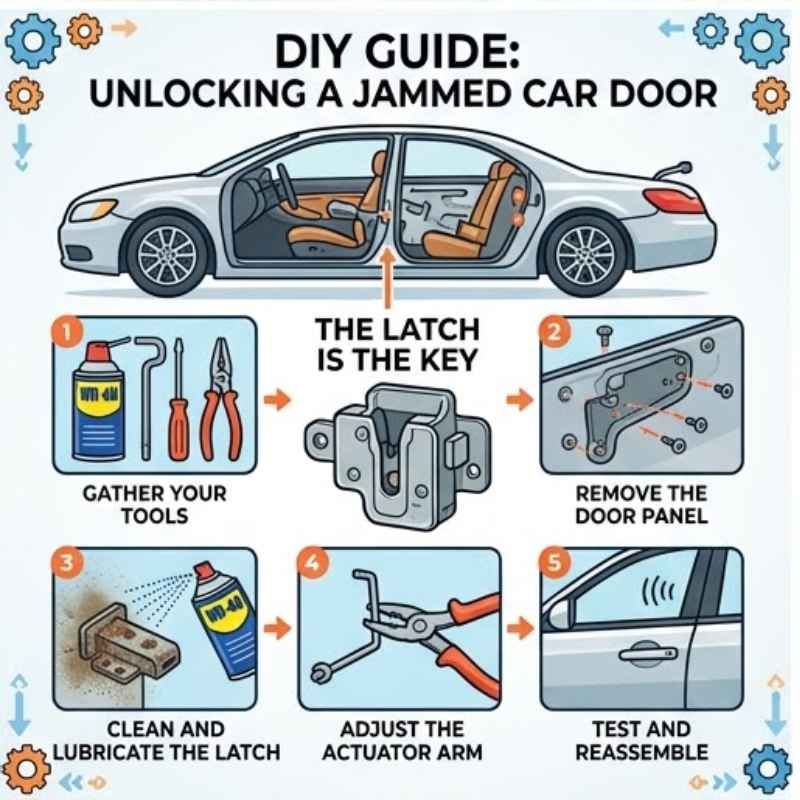
DIY Steps for a Door That Won’t Lock
1. Check Your Fob Battery: Buy a new battery. Open your fob and swap it out.
Test again.
2. Inspect the Fuse Box: Find the fuse for door locks. If it’s blown, replace it with one of the same amperage rating before testing the lock again.
3. Try the Manual Key: Turn the key in the outside lock cylinder. Does it feel stiff or turn freely but not lock?
4. Listen for Sounds: When you try to lock, do you hear anything from inside the door? A click?
A whir? Grinding?
5. Remove Door Panel (Advanced): If comfortable, research how to remove your car’s interior door panel. Look for loose wires or obvious damage.
You might be able to see the actuator.
What This Means for You: When to Worry
It’s important to know when a car door lock issue is just a minor annoyance and when it’s a sign of something more serious. Most of the time, a single door refusing to lock is a mechanical or electrical problem within that door. It’s not usually a sign that your entire car is about to break down.
You should consider it a minor issue if:
Only one door is affected. The problem is intermittent (sometimes it works, sometimes it doesn’t). Using the manual key works, even if the power lock doesn’t.
The key fob battery is dead, and replacing it fixes the problem. * You hear normal sounds of the lock trying to engage, but it just doesn’t.
You should start to worry more, or at least consider professional help, if:
Multiple doors are affected simultaneously. You hear loud grinding or popping noises from inside the door. The door lock seems completely dead, with no response at all when trying to lock or unlock electronically or manually.
There are other electrical issues in your car, like dashboard lights flickering. You notice smoke or a burning smell coming from the door area (this is rare but serious). The problem started after a significant impact to the door or car.
Quick Fixes and Tips for a Stubborn Lock
While a full repair might be needed, here are some things you can try that might help:
Lubricate the Mechanism
Sometimes, the simplest solution is the best. If the lock feels stiff or slow, a spray of a good lubricant can work wonders. You’ll want to spray it directly into the lock cylinder and any visible moving parts within the door.
A spray like WD-40 or a silicone-based lubricant works well. Make sure to wipe away any excess. Do this a few times over a couple of days.
Sometimes it just needs time to work its way in.
Clean Electrical Connections
If you’ve removed the door panel and see electrical connectors, they might be dirty or corroded. You can buy a special electrical contact cleaner. Spray it onto the connectors and then gently clean them with a soft brush or a lint-free cloth.
Make sure everything is dry before reconnecting. Corroded connections can prevent signals from passing through properly.
Gentle Persuasion
This is a last resort for minor stiffness. When trying to lock manually with the key, try a bit of gentle wiggling or pressing while you turn the key. Sometimes, a slight shift in pressure can help a sticky mechanism engage.
Don’t force it hard, as you could break the key or the lock cylinder itself. This is more about finding the sweet spot for a stiff lock.
Check for Obstructions
It sounds silly, but sometimes something can get stuck in the door jamb or the latch mechanism. A small stone, a piece of plastic, or even an ice chunk in winter can interfere. Do a visual check around the door frame and the latch area.
Remove anything you find. A clear path is important for the door to close and lock properly.
When to Call a Professional
Complex Electrical Issues: If you suspect wiring problems or issues with the car’s main computer, it’s time for an expert.
Actuator Replacement (if uncomfortable): If you’re not mechanically inclined or don’t have the right tools, a mechanic can replace the actuator quickly.
Safety Concerns: If the lock failure makes you feel unsafe, get it fixed promptly.
Multiple Door Failures: When more than one door has a lock problem, it often indicates a system-wide issue.
Frequently Asked Questions About Car Door Locks
Why does my car door make a grinding noise when I try to lock it?
A grinding noise often means the lock actuator motor is failing. The gears inside the motor might be stripped or worn out, causing them to grind against each other as they try to turn the lock mechanism. It’s a strong sign the actuator needs to be replaced.
Can I fix a broken lock actuator myself?
Yes, many people can fix a broken lock actuator themselves. It usually involves removing the interior door panel to access the actuator. You’ll need basic tools like screwdrivers and socket wrenches.
There are many helpful videos online for specific car models that can guide you through the process. Just be careful not to damage other parts of the door.
How much does it cost to fix a car door that won’t lock?
The cost can vary a lot. If it’s just a blown fuse or a dead key fob battery, it can be very cheap, sometimes just a few dollars. If it’s a faulty lock actuator, parts can range from $50 to $150, and labor from a mechanic could add another $100 to $300, depending on your car and location.
Wiring issues or more complex problems can cost more.
Is it safe to drive with a car door that won’t lock?
It’s generally not recommended to drive regularly with a door that won’t lock. It compromises your security. If you have to drive it, make sure you take extra precautions.
Keep valuables out of sight. Be aware of your surroundings. If you can, try to secure the door temporarily, perhaps with a strap or by ensuring it’s firmly closed.
My car door locks sometimes, but not always. What could be the problem?
Intermittent problems are often due to loose wiring connections, a failing actuator that’s on its way out, or a weak key fob signal. Sometimes, temperature can play a role, making a weak component work in warmer weather but fail in colder weather. It’s worth trying to lubricate the mechanism or cleaning electrical connections.
How do I know if my car’s door handle sensor is bad?
A bad door handle sensor might cause issues with the interior lights not coming on when you open the door, or the car not recognizing that you’re trying to unlock or lock it from the outside handle. If the problem only affects the handle’s electronic functions and not the mechanical lock itself, the sensor is a likely cause.
Final Thoughts on Getting Your Door to Lock Again
It’s reassuring to know that most car door lock problems are fixable. Often, the issue is with a single part like the actuator. By understanding the common causes and trying simple DIY checks first, you can save time and money.
Remember to be patient, and don’t hesitate to seek professional help if you’re uncomfortable or the problem is complex. Getting your car doors to lock reliably is important for your peace of mind and security.
Products related to this article
Sponsored / affiliate links. As an Amazon Associate I earn from qualifying purchases. I may earn additional commission from eligible campaigns.