Honda CR-V Timing Belt or Chain? By Model Year (1997-2026)
1997-2006 Honda CR-Vs have a timing belt that needs replacement every 60,000-100,000 miles; 2007-and-newer CR-Vs switched to a timing chain, which is designed to last the life of the engine with no fixed replacement interval. The exception: some 2015-2017 2.4L models have reported chain tensioner wear from neglected oil changes. Check your exact model year below to know which one you have and what it costs to fix.
Quick Answer
1997-2006 Honda CR-Vs use a timing belt (replace every 60,000-100,000 miles). 2007-and-newer CR-Vs use a timing chain, designed to last the life of the engine. The main exception is some 2015-2017 2.4L models, where neglected oil changes can wear the chain tensioner.
Honda CR-V Timing Mechanism: Belt or Chain?
The Honda CR-V has undergone significant changes in its timing mechanism. Initially, the timing belt was used in earlier models. This belt required regular replacement to maintain optimal engine performance. As technology progressed, Honda shifted to using a timing chain in newer models.
Timing chains generally offer greater durability and do not require as frequent replacements. They can last the lifetime of the engine if maintained properly. Timing belts, on the other hand, can wear out and may lead to serious engine issues if they fail.
Understanding the difference between these two mechanisms is crucial for vehicle maintenance. Owners should check their specific model year to determine whether they have a belt or chain — see whether all cars have timing belts for how this compares across other makes. Regular inspections can help avoid unexpected problems.
The Significance Of Timing Belts And Chains
The timing belt plays a crucial role in your vehicle’s engine. It synchronizes the rotation of the crankshaft and camshaft. This ensures that your engine’s valves open and close at the right time. A properly functioning timing belt is vital for optimal engine performance.
Timing chains offer several advantages. They are generally more durable than timing belts. This means they often last the lifetime of the engine. Timing chains also require less frequent maintenance. Unlike belts, they do not need regular replacement. However, if a timing chain does fail, it can cause serious engine damage.
Identifying Your CR-V’s Timing Mechanism
Determining whether your Honda CR-V has a timing belt or a timing chain depends on the model year. Generally, timing belts are found in older models, while timing chains are common in newer ones. Below is a quick reference table:
| Model Year | Timing Mechanism |
|---|---|
| 1997-2001 | Timing Belt |
| 2002-2006 | Timing Belt |
| 2007-2022 | Timing Chain |

Physical inspection can also help identify the mechanism. Look for a plastic cover on the engine’s front. Timing belts are usually covered, while timing chains are often exposed. Checking your owner’s manual can provide more specific details.
Always consult a professional mechanic for accurate identification. Regular maintenance ensures your engine runs smoothly and lasts longer.
Timing Belt Replacement Guidelines
Timing belts and chains are crucial for your Honda CR-V. Timing belts need regular replacements, typically between 60,000 to 100,000 miles. Always check your owner’s manual for specific intervals. Signs of wear include unusual noises, cracks, or fraying on the belt. If the engine runs poorly, the timing belt might be the issue.
Timing chains, on the other hand, usually last a lifetime. They generally do not require replacement unless there’s damage. Common signs of timing chain wear include rattling noises from the engine or a check engine light. If you notice these symptoms, have a professional check it immediately.
Understanding Timing Chain Durability
Timing chains are known for their durability and can last a long time. Typically, a timing chain can last over 100,000 miles without needing replacement. Factors like engine oil quality and maintenance practices significantly impact their lifespan.
To prolong the life of a timing chain, regular oil changes are essential. Keeping oil at the right level ensures smooth operation. Additionally, using high-quality oil can help minimize wear and tear. Avoiding engine overheating also contributes to a longer timing chain lifespan.
Listening for unusual noises is crucial. A rattling sound may indicate a problem. Regular inspections can help catch issues early before they worsen.
The One Exception: 2015-2017 2.4L Models and Chain Tensioner Wear
Timing chains are built to outlast the engine, but they aren’t completely maintenance-free. Owners of 2015-2017 CR-Vs with the 2.4L Earth Dreams engine have reported cold-start rattling tied to a stretched timing chain or worn tensioner, almost always traced back to neglected oil changes rather than a manufacturing defect. Running the engine low on oil, or going too long between changes, lets the chain guides and tensioner wear faster than they should — check your correct oil capacity if you’re unsure. If you hear a rattle at startup that fades after a few seconds, have the chain and tensioner inspected before it leads to a skipped tooth and a check engine light.

Data point: Repair shops report timing chain tensioner and guide replacement on affected CR-Vs typically runs $1,500-$3,000, since the VTC actuator should be replaced alongside the tensioner and guides — skipping that step risks repeat chain stretch and a comeback repair.
Cost Factors In Timing Mechanism Replacement
The cost of replacing a timing belt or chain can vary significantly. Factors influencing the cost include the type of mechanism and labor rates. Generally, timing belt replacements are less expensive than timing chain replacements.
Timing belts often require replacement every 60,000 to 100,000 miles. This frequent need raises overall costs. Timing chains, on the other hand, can last the lifetime of the engine, leading to fewer replacements.
| Replacement Type | Average Cost |
|---|---|
| Timing Belt | $500 – $1,000 |
| Timing Chain | $1,000 – $2,500 |
Labor costs may also vary by location. Mechanics in urban areas often charge more than those in rural regions. Always check for warranties and guarantees to protect your investment.
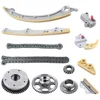
Autoexact Engine Timing Chain Kit (Honda CR-V 2.4L Fit)
A complete kit — chain, tensioner, guides, and sprockets — for 2010-2014 CR-V 2.4L owners doing the full tensioner-wear repair in one job instead of piecing it together.
- Best for: 2010-2014 CR-V 2.4L owners with confirmed chain/tensioner wear
- Why we picked it: Includes tensioner + guides + sprockets, not just the chain alone
- Main drawback: Confirm exact fitment against your VIN before ordering
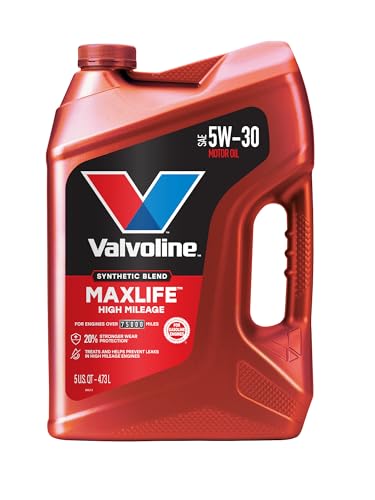
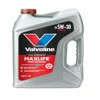 Option 2 Valvoline MaxLife High Mileage 5W-30
|
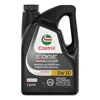 Option 3 Castrol EDGE High Mileage 5W-30
|
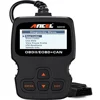 Option 4 ANCEL AD310 OBD2 Scanner
|
As an Amazon Associate we earn from qualifying purchases. Prices and availability are accurate as of the date shown and are subject to change.
Common Problems And Solutions
Timing belt issues can lead to major engine problems. A worn or damaged timing belt may cause the engine to misfire. Regular inspections are essential for early detection. Most manufacturers recommend changing the timing belt every 60,000 to 100,000 miles.
Timing chain complications are less common but can still occur. Timing chains generally last longer than belts. However, they may stretch or become noisy over time. Low oil pressure can lead to chain failure, causing severe engine damage.
| Component | Replacement Frequency | Common Issues |
|---|---|---|
| Timing Belt | 60,000 – 100,000 miles | Worn, damaged |
| Timing Chain | Lifetime of engine | Stretching, noise |
Professional Advice On Maintenance And Replacement
Regular maintenance of your Honda CR-V is crucial for its performance. Consult a mechanic if you notice unusual noises from the engine. Check for any vibrations or slipping while driving. These signs may indicate timing belt or chain issues.
“A neglected oil change interval is the top reason timing chains stretch or tensioners fail early — the chain itself rarely wears out on its own, it’s almost always an oil-maintenance problem showing up as a timing-component symptom.” — Honda CR-V service and repair guidance
Timing belts typically need replacement every 60,000 to 100,000 miles. In contrast, timing chains often last longer. Inspect your vehicle’s manual for specific recommendations. If your car has high mileage, it’s wise to have a professional check the timing components.
For those who prefer DIY, inspect the timing belt or chain regularly. Look for cracks or wear on the belt. Ensure proper tension in the chain. Always keep your engine oil at the recommended level to avoid unnecessary wear.
Frequently Asked Questions
When Did Honda CR-V Start Using a Timing Chain?
Honda CR-V models started using timing chains from the 2007 model year onward. Prior models utilized timing belts. Timing chains generally offer better durability and require less maintenance compared to belts. Always check your specific model year for accurate information.
Has the Honda CR-V Ever Gone Back to a Timing Belt After 2007?
No. Every Honda CR-V generation from 2007 onward — including the 2.4L K24 engine, the 1.5L turbo (L15B1) introduced in 2017, and the current hybrid powertrains — uses a timing chain. Only the 1997-2006 CR-V generations used a timing belt.
When Should a Honda CR-V Timing Belt Be Changed?
A Honda CR-V’s timing belt should be changed every 60,000 to 100,000 miles, depending on the model year. Always refer to the owner’s manual for specific recommendations. Regular maintenance ensures optimal engine performance and prevents costly repairs.
Do Honda Timing Chains Need To Be Replaced?
Honda timing chains typically do not need replacement unless they show signs of damage or wear. Regular oil changes help maintain their longevity. If issues arise, it may indicate a problem with the timing chain that requires inspection or repair.
Why Does My 2015-2017 CR-V Rattle on Cold Start?
A rattle at startup on a 2015-2017 2.4L CR-V is often a stretched timing chain or worn tensioner, almost always caused by neglected oil changes rather than a defect. Have the chain, tensioner, and guides inspected before it causes a check engine light.
How Much Does Timing Chain Tensioner Repair Cost on a CR-V?
Replacing the timing chain, tensioner, guides, and VTC actuator together typically costs $1,500-$3,000. Replacing only the tensioner without the guides and actuator risks a repeat failure, so most shops recommend doing the full job at once.
Conclusion
Understanding whether your Honda CR-V has a timing belt or chain is crucial for maintenance. Timing chains are generally more durable and require less frequent replacement. Regular oil changes can help extend their lifespan. Ultimately, knowing your vehicle’s specifications ensures better performance and longevity.
Products related to this article
Sponsored / affiliate links. As an Amazon Associate I earn from qualifying purchases. I may earn additional commission from eligible campaigns.