Hood Vent for Car: Which Ones Actually Cool Your Engine?
A hood vent for a car only cools the engine if it actually cuts a real opening through the hood — most peel-and-stick covers sold under that name create zero airflow, no matter what the listing claims. Pick the wrong type and you spend $15 to $60 on pure decoration when you wanted lower engine bay temps. This guide covers which vents genuinely work, which are cosmetic-only, and what real installation, cost, and legality look like.
Quick Answer
Most bolt-on hood vents sold for cars are decorative shells that stick to the hood surface and change nothing about airflow. A vent only lowers engine bay temperature if it cuts an actual opening into the hood, letting hot, high-pressure air escape. Check the product listing for a cutting requirement before expecting any real cooling.
Is a Hood Vent for Your Car Actually Functional, or Just Decorative?
A functional hood vent is an opening cut through the hood sheet metal that lets air escape from a high-pressure engine bay into a lower-pressure zone above the car. A decorative hood vent — sold under the exact same name — is a plastic shell that sits on top of an uncut hood and changes nothing except the car’s appearance. Both are marketed as “hood vents.” Only one of them does anything to the engine.
The physics behind a real vent is simple: moving air over the hood creates a low-pressure pocket, and air naturally flows from the high-pressure, heated engine bay toward that low-pressure pocket once there’s an actual path for it to travel through. According to Engineer Fix’s breakdown of hood vent physics, true heat-extraction vents are “distinct from simple aesthetic scoops” precisely because they’re built to let air out, not just look like they do.
Which of the Popular Universal Hood Vents Actually Cut Into the Hood?
We checked the manufacturer listings for three of the most-bought universal hood vents, plus a steel louver panel aimed at buyers who want real function. The results aren’t consistent — and the difference isn’t disclosed anywhere near the “improves airflow” marketing copy most of these products use.
| Product | Material | Install Method | Cutting Required? | Real-World Function |
|---|---|---|---|---|
| Blilo 2PCS Hood Air Vents | ABS plastic | Adhesive tape only | No | Decorative only — the manufacturer’s own listing makes no cooling claim |
| WENJTP Bonnet Cover | ABS plastic | Adhesive + screws | Optional — listing warns it “may be necessary” | Decorative by default; only functional if you cut the hood yourself |
| YESHMA Gloss Black Scoop | ABS plastic | Tape + screws | Yes — required per manufacturer instructions | Functional heat extraction, if installed as directed |
| BALOCEO Steel Louver Panel | Steel | Screw-in | Yes — required “to ensure proper functionality” | Functional — designed as a true heat-extraction louver |
“Need to cut engine hood and drill holes! Install with tape and screws. (no reserved holes and no instructions)”
That manufacturer note matters more than it looks: it means the buyer, not a professional, is responsible for cutting the actual opening — and skipping that step turns even the “functional” options into decoration. If a listing doesn’t mention cutting, drilling through the structural panel, or a template, assume it’s cosmetic-only.
📊 Engine bay temperatures typically run between 190°F and 220°F (87–104°C) during normal operation — Source: Jet-Hot, 2023

3 Popular Universal Hood Vents Compared
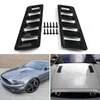
Blilo 2PCS Universal Hood Air Vents
The Blilo 2PCS Hood Air Vents are the cheapest and easiest of the three to install, using nothing but double-sided adhesive tape. They’re aimed squarely at buyers who want the look of a vented hood without cutting anything — the manufacturer’s own listing describes them as “creative decoration,” not a cooling upgrade.
Pros
- Universal fit for most vehicles, with a flat-surface adhesive base.
- No tools, no cutting — installs in minutes with double-sided tape.
- Stylish, low-cost way to add a vented look for around $13.
- Durable ABS plastic construction backed by a 12-month warranty.
Cons
- Purely decorative — the manufacturer does not claim any cooling or airflow benefit.
- Color options limited to black.
WENJTP Hoods Vents Bonnet Cover
The WENJTP Bonnet Cover ships with both adhesive tape and screws, so you can start with a no-cut, purely cosmetic install and go functional later if you decide to cut the hood. The manufacturer’s listing explicitly notes “you may need to cut the hood to install” for the vented look to do anything beyond decoration.
Pros
- Flexible install — adhesive-only for looks, or screws plus a cutout for real airflow.
- Window-blind louver design that fits most sedans, trucks, and SUVs.
- Durable ABS construction, priced around $24.
Cons
- Limited color options.
- Real airflow benefit requires cutting the hood yourself — no template or instructions included.
YESHMA Car Hood Vents Scoop
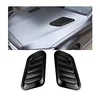
The YESHMA Gloss Black Scoop is the only one of the three original picks the manufacturer explicitly designs to function: the listing states the vent is meant to let engine bay heat “rise and leave through the hood vents in time, thereby reducing the workload of the radiator.” That benefit only exists if you cut the hood and drill the mounting holes yourself — the kit ships with no template or instructions.
Pros
- Gloss black finish with a factory-style vented look.
- Genuinely designed for airflow — not marketed as decoration-only.
- Lightweight and easy to handle during install.
Cons
- Requires cutting and drilling the hood — no reserved holes, no instructions included.
- Not compatible with every hood profile.
Best Hood Vent Pick
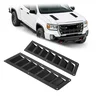
BALOCEO Universal Hood Vent Louver Panel (Steel)
A screw-in steel louver panel built for genuine heat extraction once the hood is cut — not a stick-on shell.
- Best for: drivers who want real underhood cooling, not just looks.
- Why we picked it: steel construction and a screw-in design that actually functions once the hood is cut, unlike most plastic stick-on covers.
- Main drawback: requires cutting the hood for the airflow benefit — skip it if you only want a no-cut, decorative install.
Compare more hood vent options
 Option 1 YESHMA Gloss Black Hood Vent Scoop
|
 Option 2 Blilo 2PCS Universal Hood Air Vents
|
 Option 3 WENJTP Hoods Vents Bonnet Cover
|
As an Amazon Associate we earn from qualifying purchases.
How to Install a Hood Vent That Actually Works
If you want the cooling benefit and not just the look, the vent has to create an actual opening in the hood. Here’s the process a functional install follows, regardless of which product you buy.
- Confirm cutting is required: check the product listing for language like “cut engine hood” or “drill holes” before you buy — many identical-looking listings are adhesive-only.
- Mark the cutout: use the vent’s included template, or trace the vent’s base directly onto the hood with painter’s tape and a marker.
- Cut the opening: use a cutting wheel, jigsaw, or nibbler rated for automotive sheet metal, following the marked line from underneath where possible to avoid paint chipping.
- Deburr and prime the edge: file down sharp metal edges and apply a rust-inhibiting primer to the bare cut edge before mounting anything.
- Secure the vent: fasten with the included screws or rivets, then run a bead of weatherproof automotive sealant around the perimeter.
- Test the fit: close the hood fully and confirm the vent doesn’t interfere with the hinges, latch, or the base of the windshield.
Skipping the priming step in particular is a common mistake — an untreated cut edge on bare steel starts rusting within weeks, especially in wet climates. If your car has a carbon fiber hood instead of steel, skip drilling and cutting entirely; use a manufacturer-specific vented hood instead of a universal cut-in kit.
Is It Legal to Cut a Vent Into Your Car’s Hood?
Most US states don’t have a specific law banning hood vents, but modifying a structural body panel can still affect your state’s safety inspection if one is required, and it can void any remaining factory warranty on the hood or paint. A vent that opens toward the windshield is the main red flag inspectors look for, since it can direct engine fluid or debris onto the glass in a leak or fire — some jurisdictions require rear-facing or side-facing vents specifically for this reason. Check your state’s vehicle code and your insurer’s modification policy before cutting.
Before doing any hood modification, it’s also worth budgeting for the surrounding maintenance — a freshly vented engine bay is a good time to check on how often your air filter needs changing and to give the engine bay a proper cleaning before you start cutting.
Common Mistakes When Buying or Installing a Hood Vent
- Assuming “hood vent” always means functional. The name alone tells you nothing — check the material and install method first.
- Skipping the manufacturer’s install notes. A one-line warning like “may need to cut the hood” is often buried at the bottom of the listing.
- Cutting without a template. Freehand cuts rarely line up with the vent’s mounting holes.
- Leaving bare metal unprimed. An unsealed cut edge rusts fast, especially in humid or coastal climates.
- Placing the vent in a high-pressure zone. A vent near the center of the hood, where air pressure is highest at speed, works against the pressure differential instead of using it.
Frequently Asked Questions
What Are Car Hood Vents Used For?
Hood vents are designed to let hot air escape from the engine bay, which can lower under-hood temperature and reduce the load on the radiator. Many are also sold purely for their appearance. Whether a specific vent does both or just one depends on whether it’s cut into the hood or simply stuck on top.
How Do You Install Hood Vents?
Decorative covers use double-sided adhesive tape and require no tools. Functional vents need an actual opening: mark the cutout, cut the hood with a tool rated for sheet metal, prime the raw edge, then secure the vent with screws or rivets and seal the perimeter. Always confirm which type you have before starting.
Do Hood Vents Actually Affect Car Performance or Prevent Overheating?
Only if the vent creates a real opening in the hood. A functional vent can lower under-hood temperature by letting hot air escape through natural pressure differential, which helps the radiator work less hard. A decorative, adhesive-only cover changes nothing about airflow and has no measurable effect on engine temperature or performance.
Are Universal Hood Vents Compatible With All Cars?
Universal vents are shaped to fit most flat or gently curved hood surfaces, but not every hood profile works. Measure your hood’s available flat area against the vent’s listed dimensions before buying, and check the manufacturer’s compatible-vehicle list if one is provided.
Are All Hood Vents for Cars Functional, or Just for Looks?
No. Many popular “hood vent” listings are adhesive-only plastic covers with no cooling function at all — some manufacturers even describe their own product as “decoration” in the listing. Only vents that require cutting an opening through the hood, per the manufacturer’s own instructions, actually move air out of the engine bay.
Is It Legal to Cut Vents Into Your Car’s Hood?
There’s no single nationwide ban, but rules vary by state and country, especially for vents that face the windshield. Cutting a structural panel can also affect a safety inspection or void a factory warranty. Check your local vehicle code and your insurer’s modification rules before cutting.
How Much Does a Hood Vent Cost?
Decorative adhesive covers typically run $12 to $25 for a pair. Steel or aluminum louver panels designed for real heat extraction run higher, roughly $18 to $80 depending on size and material, and don’t include the cost of cutting tools or a body shop’s labor if you have the opening cut professionally.
Conclusion
Choosing the right hood vent for your car comes down to one question: are you buying a look, or an actual cooling upgrade? Decorative covers like the Blilo 2PCS vents install in minutes and change nothing about airflow. Vents like the YESHMA scoop or the BALOCEO steel louver panel only deliver a real benefit once you’ve cut an opening into the hood — skip that step and you’ve paid for decoration either way.
If engine cooling is your actual goal rather than the look, pair a functional vent with routine maintenance — a clean engine bay and a fresh air filter do more for reliable cooling than any bolt-on part by itself. For more car parts and accessories upgrades, browse related guides like our hood lock buying guide or how to clean your engine bay safely before your next install.
Products related to this article
Sponsored / affiliate links. As an Amazon Associate I earn from qualifying purchases. I may earn additional commission from eligible campaigns.