How to Find Your Car Paint Code (By Brand, VIN, or Sticker)
Your car paint code is almost always printed on a small sticker inside the driver’s door jamb, and it’s the only way to guarantee a touch-up paint or spray can matches your exact factory color.
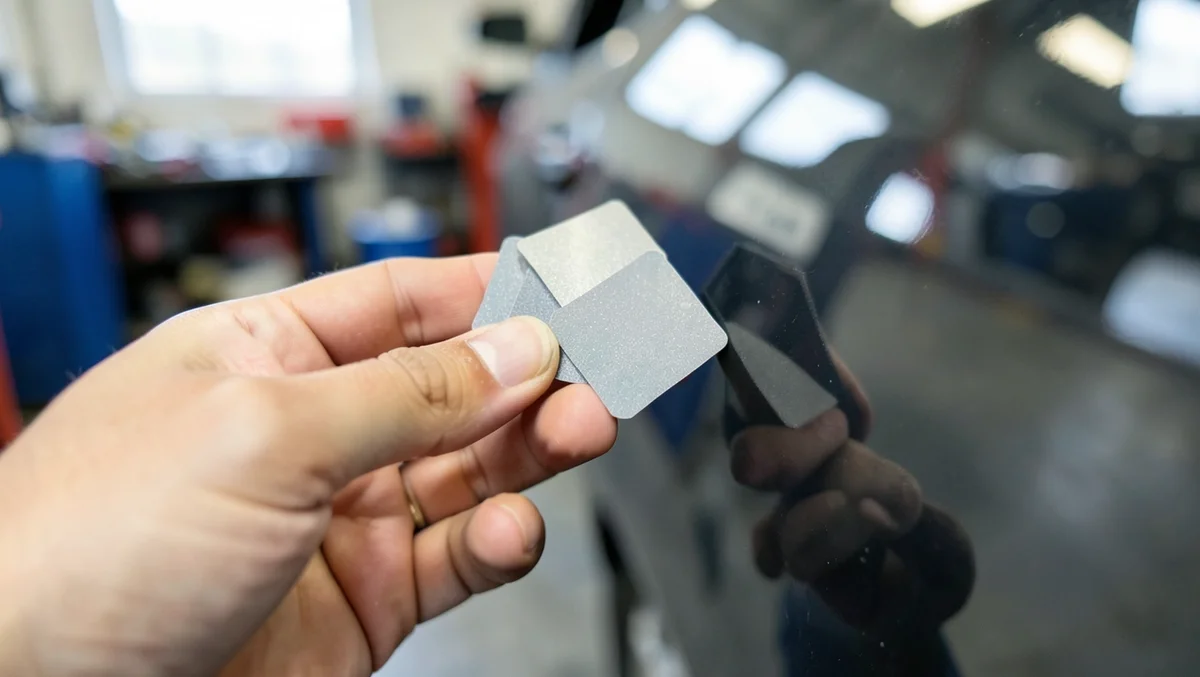
Every car leaves the factory with a specific paint formula, and manufacturers assign that formula a short code so dealers, body shops, and paint suppliers can reorder the exact same color years later. The code itself is usually 2 to 4 characters — sometimes just numbers, sometimes a mix of letters and numbers — and it’s printed on a small plate or sticker somewhere on the vehicle, not buried inside your VIN.
Below is exactly where each major brand hides this label, how to look the code up if the sticker is missing or unreadable, and how to use the code correctly once you have it.
Where to Find Your Car Paint Code by Brand
FINISH THE JOB RIGHT
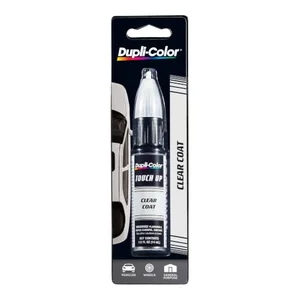 |
Dupli-Color Universal Touch Up Pen, Gloss, Clear – $16.64 Once you have located your paint code and applied a color-matched base coat, this clear coat pen seals and protects the repair — it works over any color, so it is the one part of the job that does not depend on getting the code exactly right.
|
The driver’s side door jamb is the most reliable spot on almost every vehicle — open the door and look at the metal edge of the body, not the door itself. If it’s not there, check under the hood near the radiator support or strut tower, inside the trunk near the spare tire, or the glove box. Where to look and what the label is called varies by manufacturer:
| Brand | Where to Look | Label Name | Code Format |
|---|---|---|---|
| Ford, Lincoln, Mercury | Driver’s door jamb, glove box, or under the hood near the strut tower | “EXT PNT:” | 2 digits |
| Chevrolet, GMC, Buick, Cadillac | Driver’s door jamb, glove box, or trunk | “Service Parts Identification” label, next to “BC/CC” | 2–4 characters, letters and numbers |
| Honda, Acura | Driver’s door jamb or edge, or firewall under the hood | “Color” or “C” | Letters and numbers, varies |
| Toyota, Lexus, Scion | Driver’s door jamb | “C/TR” | 3 digits |
| Nissan, Infiniti | Driver’s door jamb, sometimes the firewall or radiator support | Usually unlabeled, near the VIN plate | 3 characters, letters and numbers |
BMW, Mercedes-Benz, and most European brands print the code on the VIN sticker itself, usually in the trunk or spare-tire well, labeled “Farbcode” or simply a short alphanumeric string next to the VIN. If you cannot find a dedicated paint-code sticker anywhere on the vehicle, your owner’s manual index will usually point you to the exact panel it is printed on for your specific model.
How to Look Up Your Paint Code by VIN
The VIN itself does not contain your paint code — it is not one of the characters encoded in the 17-digit number. What the VIN does let you do is look the code up, because the paint color your car left the factory with is tied to that VIN in the manufacturer’s build records.
- Call a dealership parts department. Give them your VIN and they can pull the exact paint code from the manufacturer’s system, usually for free or for a small lookup fee.
- Use a VIN decoding or paint-matching service. Several online paint suppliers offer free VIN-to-paint-code lookups as a step before you order.
- Check your window sticker or build sheet if you kept it — the paint color and its code are usually listed near the top.
How to Use Your Paint Code to Buy the Right Touch-Up Paint
Most modern vehicles use a two-layer paint system: a colored base coat and a clear coat on top for gloss and UV protection. Your paint code only identifies the base coat color — it does not include the clear coat, which is why most touch-up kits are sold as a base coat and clear coat pair, or why you may need to buy the clear coat separately.
A few things to check before you order:
- Match the code exactly, including any letters. Many manufacturers reuse similar-looking codes for noticeably different shades of the same color family.
- Confirm whether your car has a tri-coat or pearl finish. These use an extra midcoat layer, and some paint suppliers sell a separate midcoat product for tri-coat colors.
- Order from the manufacturer or a supplier that mixes to your exact code rather than a generic “closest match” color, especially on metallic or pearl finishes where slight mismatches are easy to spot in direct sunlight.
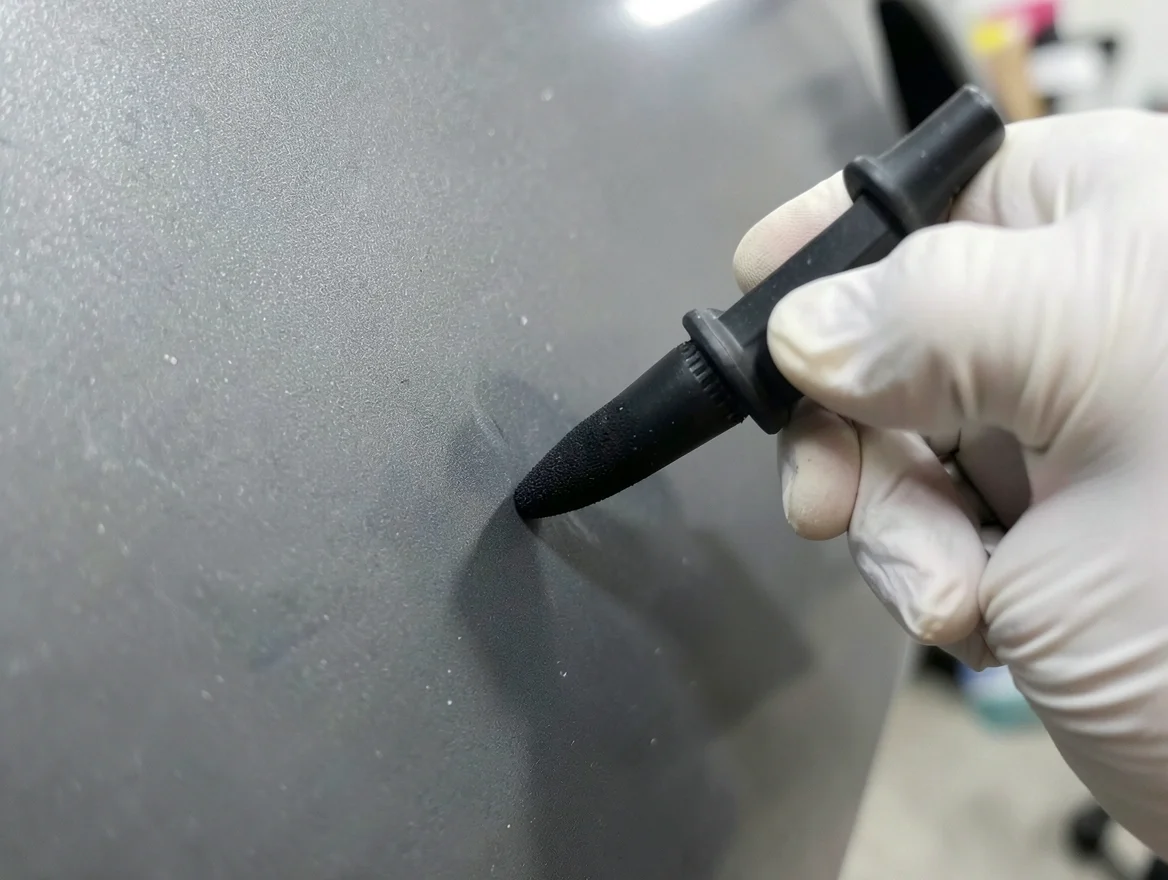
Once you have paint mixed to the correct code, the application process is the same whether you are dabbing out a small rock chip or covering a larger area. If you are dealing with a chip specifically, see our guide on how to fix paint chips on a car hood for the full step-by-step process, including sanding, primer, and clear coat layering. For a full panel like a bumper, our guide on how to repaint a car bumper covers prep and spray technique in more depth.
Frequently Asked Questions
What Is a Car Paint Code?
A car paint code is a short alphanumeric identifier — usually 2 to 4 characters — that manufacturers assign to the exact color formula used on your vehicle at the factory. It lets a dealer, body shop, or paint supplier mix or order that same base coat color years later.
Where Is My Car Paint Code Located?
Check the driver’s side door jamb first — the metal edge of the body the door closes against, not the door panel itself. If it is not there, look under the hood near the strut tower or radiator support, inside the trunk near the spare tire, or in the glove box.
Does My VIN Have My Paint Code in It?
No, the paint code is not one of the 17 characters encoded in your VIN. However, a dealership or online VIN-decoding service can look up the paint code tied to your VIN in the manufacturer’s build records.
Can I Find My Paint Code Online for Free?
Yes. Several paint-supply websites offer a free VIN-to-paint-code lookup tool, and many dealership parts departments will look it up for free over the phone if you give them your VIN.
Do I Need an Exact Paint Code for Touch-Up Paint?
Yes, for a repair that will not stand out. A generic “closest match” color can look reasonably close under indoor light but noticeably off in direct sunlight, especially on metallic or pearl finishes. Ordering paint mixed to your exact code is the only way to guarantee a seamless match.
The Bottom Line
Start with the driver’s door jamb — that is where the sticker sits on the vast majority of vehicles. If it is missing or worn away, your VIN can still get you the exact code through a dealership or a VIN-lookup paint service. Once you have the code, order a base coat mixed to that exact number and finish the repair with a clear coat so the touch-up blends in rather than standing out.
Products related to this article
Sponsored / affiliate links. As an Amazon Associate I earn from qualifying purchases. I may earn additional commission from eligible campaigns.