How Dealerships Get Those Cars Explained for Beginners
Ever wondered, How Do Dealerships Get All Those Cars? It seems like magic, right? You see a huge lot full of shiny new vehicles, and you might think it’s a complicated secret. But don’t worry! It’s really not as hard as it looks. This post will break down the process step by step, making it simple to grasp. We’ll explore where these cars come from, how dealerships get them, and what happens once they arrive. Get ready, as we explore the car dealership’s world!
Origins of the Automotive Supply Chain
The journey of a car from its initial design to the dealership lot is an involved one, involving numerous players, including automotive manufacturers, parts suppliers, and logistics companies. This complex supply chain is the backbone of the entire industry. Dealerships don’t directly build cars, but they are a crucial part of the supply chain, receiving and selling vehicles manufactured by larger companies. The entire process requires coordination and meticulous planning to get the right cars to the right places, and in a timely manner. The modern automotive supply chain is a finely tuned engine itself, constantly in motion to meet consumer demand.
Manufacturing Centers: Where Cars Begin
The origin of nearly every car begins in a manufacturing facility, also known as a factory or plant. These massive establishments are where raw materials transform into finished vehicles. Here, massive machines and skilled workers collaborate to assemble the car’s components: the chassis, the engine, the body panels, the interior, and the electronics. The factory’s production volume is usually determined by forecasts, consumer demand, and anticipated sales figures, which the manufacturers share with dealerships. Each plant specializes in producing specific models, making it efficient to fulfill orders based on demand. Assembly lines move car bodies from one station to the next, where robots and humans perform specific tasks, such as welding, painting, and installing components. The final products are checked for quality and performance, ready for the next stage of the journey.
- Engine Production: Engines are assembled in specialized engine plants. Each engine is built to precise specifications, ensuring that it meets power and efficiency requirements.
- Body Shop: Robotic arms weld the car’s frame and body panels together in the body shop, which is an extremely automated segment of the manufacturing process. These are then sent to the paint shop.
- Paint Shop: The car bodies are coated with multiple layers of paint to protect against the elements and to provide the desired color and finish.
- Assembly Line: The chassis, engine, and body are united on the assembly line, where workers install interiors, electrical systems, and other components.
Parts Suppliers: The Foundation of Production
The automotive industry depends on a vast network of parts suppliers that provide components for vehicle assembly. These suppliers range from giant international corporations to smaller, specialized businesses. They manufacture everything from simple fasteners to complex electronic control units. The quality of these parts is very important. To ensure a smooth production, manufacturers maintain rigorous standards and close working relationships with parts suppliers. These suppliers operate under tight schedules and just-in-time delivery systems. This minimizes storage costs and ensures that parts arrive at the factory precisely when they are needed. Any disruption to the supply chain could halt the assembly of thousands of cars, highlighting the crucial nature of supplier relationships.
- Tier 1 Suppliers: These suppliers provide major components directly to the vehicle manufacturers (OEMs). Examples include companies that produce engines, transmissions, and electronic systems.
- Tier 2 Suppliers: They provide components and raw materials to Tier 1 suppliers. This level includes companies that make parts like brake components, seatbelts, and various electrical parts.
- Logistics Partners: Companies dedicated to moving the components to the manufacturing plants.
- Quality Control: Suppliers undergo constant auditing to ensure the high quality of components. This helps maintain the safety and reliability of the finished products.
Distribution Networks: Moving Cars Across the Globe
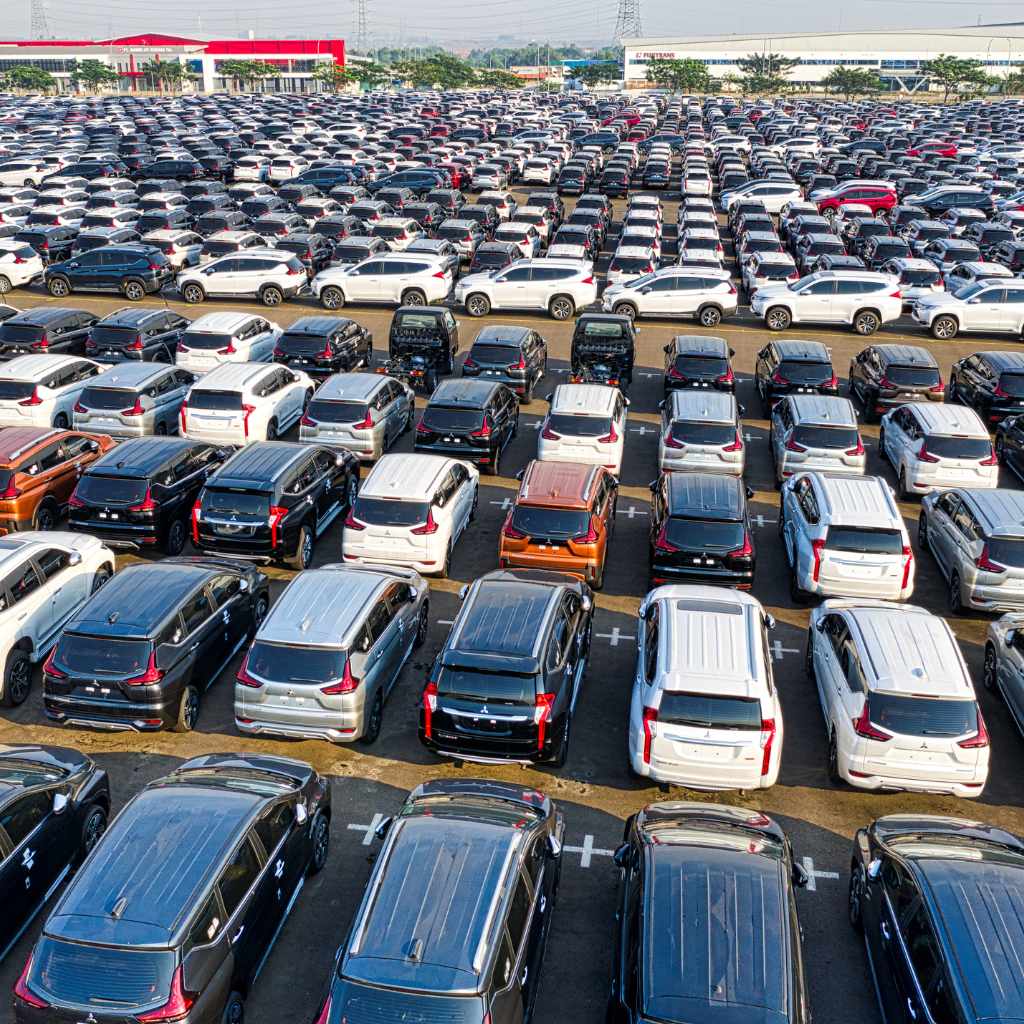
After a car is built, it must be delivered to dealerships across the country and the world. This is where distribution networks come into play. These are sophisticated systems that involve transportation via trucks, trains, ships, and even airplanes, depending on the destination. Car manufacturers and dedicated logistics companies manage this process. They use strategically placed distribution centers and railheads to ensure quick delivery times. The distribution network plans all the routes, schedules, and handles the paperwork, ensuring that each car reaches its correct destination. Many factors, like weather, traffic, and international trade regulations, affect this process. The use of GPS and other tracking technology helps companies monitor the location of vehicles at all times, making the whole supply chain more efficient.
- Truck Transport: New vehicles are often transported by specialized car carriers. These trucks can carry several vehicles at a time, moving them from factories to distribution centers and dealerships.
- Rail Transport: For long-distance transport across land, trains are used. Rail transport is cost-effective and can move a larger volume of vehicles compared to trucks.
- Sea Transport: For international shipments, cargo ships are essential. These ships can transport thousands of cars at once, connecting different continents.
- Distribution Centers: These central locations act as hubs where vehicles are temporarily stored and then dispatched to various dealerships.
How Dealerships Place Their Orders
Dealerships do not simply wait for cars to be delivered; they actively work with manufacturers to order the vehicles they need to meet customer demand. This process involves careful planning, forecasting, and communication to make sure that the dealership has a varied inventory. Dealerships analyze past sales data, current market trends, and consumer preferences to estimate the demand for various models, colors, and feature sets. This ordering process is fundamental to the dealership’s success and involves several key elements to guarantee that they can supply customers with their desired vehicles.
Forecasting and Demand Analysis
Accurate forecasting is key to successful car sales. Dealerships and manufacturers collaborate to predict future consumer demand, using sales data from previous months and years. These forecasts consider seasonal trends, local market conditions, and any special promotions or events that might affect sales. Demand analysis includes tracking popular models, and then looking at the colors, trim levels, and optional equipment that buyers seek. Dealers also monitor local economic factors such as employment rates, income levels, and interest rates, which affect customer purchase power. This process is continuous, because market conditions change often. These forecasts help dealers maintain an inventory that balances supply with demand, avoiding both overstocking and stockouts.
- Sales Data Analysis: Dealerships use past sales figures to detect trends and patterns. They study which models sell best, the popularity of different colors and options, and the pace of sales throughout the year.
- Market Research: Dealerships often conduct market research, including surveys and focus groups, to determine customer needs and wishes. This helps them tailor their inventory to match customer interests.
- Collaboration with Manufacturers: Dealers work closely with their manufacturers, providing feedback on sales performance and market trends. This is a two-way street that aids the manufacturers in producing vehicles that customers want.
- Seasonal Trends: Dealerships take seasonal sales trends into account, such as when demand for trucks might increase during spring and summer.
Ordering Process: From Request to Delivery
Once a dealership has a good understanding of the demand, it places orders with the manufacturer. This usually involves a detailed ordering system. The dealership specifies the models, colors, trim levels, and optional equipment that they wish to have. They may also include dealer-installed accessories. Orders are placed through a system that is provided by the manufacturer. The dealership can monitor the status of their orders and anticipate delivery dates. The ordering process isn’t a one-time thing. Dealerships change their orders according to changing market conditions and customer requests. The whole ordering process is a very important part of the relationship between the dealer and the manufacturer, and it ensures that the dealer can meet the requirements of customers.
- Order Submission: Dealerships submit orders for vehicles via the manufacturer’s online system. This system allows them to specify the exact configuration of each vehicle.
- Order Confirmation: Manufacturers confirm the orders, and the dealership gets an estimated delivery date.
- Production Scheduling: The manufacturer adds the order into its production schedule. The production plan considers the components required, the manufacturing capacity, and the sequence of orders.
- Order Tracking: Dealerships use online tools to check the status of their orders. This allows them to notify customers of estimated delivery times.
Inventory Management: Keeping the Right Cars in Stock
Effective inventory management is critical to a dealership’s profitability. It involves managing the mix and number of vehicles the dealership has. The goal is to maximize sales by having the vehicles that customers want available without accumulating excess inventory. A dealership’s inventory includes new, used, and sometimes certified pre-owned vehicles. They carefully analyze sales data and consumer trends. Dealerships may adjust their orders and marketing strategies in response to customer feedback and market changes. This includes a balance between popular models and niche vehicles, to suit a wide range of customer needs and preferences. In addition to vehicle management, inventory management includes proper storage, security, and the maintenance of vehicles to make them look attractive for prospective buyers.
- Stock Balancing: Dealers continually balance their inventory to match supply with demand. They keep track of which models, colors, and features sell the quickest.
- Just-in-Time Inventory: Some dealerships follow the “just-in-time” approach where they minimize the stock of vehicles and rely on quicker deliveries from the manufacturer.
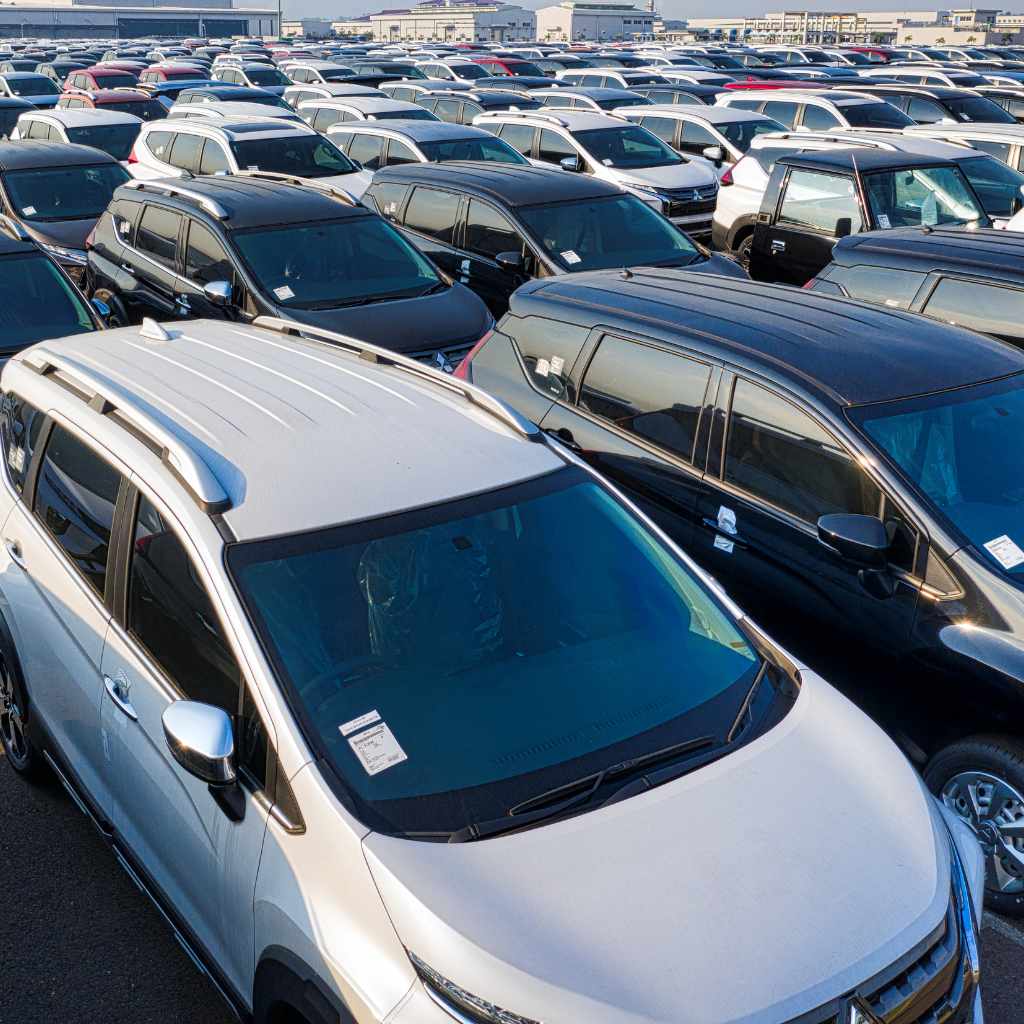
- Vehicle Storage: Dealerships have large lots to store vehicles safely and organized. They carefully arrange vehicles to show off the best features.
- Inventory Adjustments: Dealers might offer incentives or adjust their ordering patterns. This helps them manage their inventory and respond to shifting market conditions.
The Role of Manufacturers and Logistics
The relationship between car manufacturers and the logistics companies is very important in getting vehicles to dealerships efficiently. Manufacturers don’t just build cars. They also play an active part in managing the flow of vehicles from the factories to the dealerships. This includes everything from production scheduling to working with logistics partners to organize the transport of cars across long distances. This cooperation is vital for guaranteeing the timely delivery of vehicles and it also helps control inventory management costs. By coordinating closely, manufacturers and their logistics partners can improve the overall efficiency of the supply chain.
Manufacturer’s Role in Distribution
Car manufacturers take charge of many parts of the distribution process, which ensures that each vehicle reaches its destination on time. They coordinate production schedules and distribution logistics to provide vehicles to dealerships as per demand. The manufacturers work closely with logistics providers, managing the movement of vehicles by different means, including trucks, trains, and ships. They use sophisticated tracking systems and inventory management tools to know the location of each vehicle at any time. Manufacturers also provide guidelines and support to dealerships regarding the receiving and processing of vehicles upon arrival. This helps maintain the overall quality of distribution and customer satisfaction.
- Production Scheduling: Manufacturers coordinate production schedules to match the demand from dealerships. They plan the production of particular models, and the availability of options to match customer orders.
- Logistics Management: Manufacturers work directly with logistics companies to arrange for vehicle transport from the factory to the dealerships. They coordinate various transportation modes, ensuring that vehicles are moved on time.
- Tracking and Monitoring: Manufacturers utilize tracking systems to monitor the position of vehicles across the supply chain. This helps them offer dealerships precise delivery dates and adjust to any delays.
- Dealer Support: Manufacturers offer help to dealerships to assist them in preparing for new vehicle deliveries and processing the cars correctly when they arrive.
Logistics Companies: The Movers and Shakers
Logistics companies play a vital role in moving vehicles efficiently across great distances, from manufacturing plants to dealerships. These specialized companies provide services for the transport, storage, and handling of new vehicles. They often have fleets of specialized car carriers, trains, and ships. They work with manufacturers to coordinate delivery schedules and ensure that vehicles reach their destinations safely and promptly. The companies also manage distribution centers, where vehicles are temporarily stored prior to being shipped to local dealerships. These companies use advanced technologies, like GPS tracking and inventory management software, to improve the efficiency of their operations and give real-time information about vehicle locations. Their efficiency is essential in maintaining the whole automotive supply chain.
- Vehicle Transport: Logistics companies are responsible for the actual transport of vehicles. They use a number of transportation methods, like trucks, trains, and cargo ships.
- Distribution Centers: They manage distribution centers. Here, the vehicles are stored before being distributed to dealerships, improving the logistical workflow.
- Route Planning: Companies use specialized software to organize transport routes, reducing transit times and fuel use. They consider the geographical and traffic factors.
- Technology Integration: Logistics companies rely heavily on GPS tracking, inventory management systems, and other technologies to monitor and handle vehicles all along the supply chain.
Collaboration and Efficiency: The Key to Delivery Success
The success of the automotive supply chain depends on close cooperation and excellent efficiency between manufacturers, logistics companies, and dealerships. This cooperation includes sharing data on sales forecasts, production schedules, and delivery logistics to coordinate movements. Regular communication is a major part of this process. It helps to spot any problems and take care of them quickly, making the supply chain flexible and able to respond to changes. Technology also plays an important part, as it allows for real-time tracking, enhanced inventory management, and improved communication at every stage of the distribution process. The manufacturers and logistics companies are working together for quicker and more reliable deliveries, improving customer service and boosting the success of car dealerships.
- Information Sharing: Dealerships share sales forecasts and market insights with manufacturers to make production plans that meet demand.
- Communication Protocols: Regular communication between the various parties ensures alignment on logistics.
- Technology Adoption: Logistics and dealerships leverage real-time tracking systems and software to improve efficiency and make the supply chain more transparent.
- Performance Metrics: Companies use key metrics to monitor their performance, which drives continuous improvement.
What Happens When Cars Reach the Dealership
After a car has been produced and delivered, the last stage is arrival at the dealership. This involves the receiving of the vehicle, the preparation process, and finally, the display for the customers. When a car arrives, the dealership checks that it is in good condition, and that all of the features and optional extras match the customer’s request. The car then goes through a detailing and inspection process to ensure it is ready for sale. The dealership also handles the administrative aspects, such as documentation and registration. This whole process is very important to give customers the best experience and to make sure the vehicles are in top condition when they are sold.
Arrival and Inspection: Checking the Goods
The arrival and inspection process is essential to make sure that the vehicle has been received in good condition. The dealership team carefully inspects the car for any damage that may have occurred during shipping. They look at all body panels, the interior, and the mechanical components to make sure everything is in great condition. The dealership verifies that the vehicle is the right model and has the options and features that were ordered. Any concerns must be reported immediately to the manufacturer, and a solution is agreed on. This inspection helps the dealership guarantee the quality of the vehicle, which affects customer satisfaction and the dealership’s reputation.
- Unloading and Inventory: The first step is to carefully unload the vehicle and match it with the correct paperwork and the order details.
- Physical Inspection: Dealership staff look at the vehicle closely. They look for any scratches, dents, or other imperfections.
- Feature Verification: They check that the car has all of the optional extras and features that were ordered.
- Damage Reporting: Any concerns are reported to the manufacturer so they can take steps to fix them. This might include bodywork, or replacement of parts.
Preparation: Getting the Car Ready to Sell
Once a new vehicle has been inspected, the dealership will prepare it for sale. This process involves detailing the car, performing any necessary servicing, and fitting any dealer-installed accessories. The detailing process includes washing the car, waxing the body, cleaning the interior, and ensuring everything looks new. Any servicing such as filling fluids, checking tire pressure, and making sure all the mechanical components function well, is completed by certified mechanics. The dealership might also add accessories like floor mats, window tinting, or other requested upgrades. The preparation phase is very important for making a positive first impression on potential customers and ensuring that the car is ready to drive off the lot.
- Detailing Services: The car gets a full detailing to give it the best appearance possible. This makes the car more attractive to buyers.
- Mechanical Checks: Dealership mechanics check the key mechanical systems. They make sure the car is operating properly.
- Accessory Installation: If a customer wants any extra features, such as floor mats, window tints, or other customizations, these are installed at this time.
- Quality Assurance: A thorough quality assurance check makes sure the vehicle meets the dealership’s standards.
Display and Delivery: Showcasing and Handing Over the Keys
Once the car has been inspected and prepared, it is ready to be shown and sold. The dealership carefully places the vehicle on the lot, showing it off in its best light. They then prepare it for delivery to the new owner, and the delivery process involves the completion of all the paperwork and the explanation of the car’s features. The salesperson will guide the customer through the features, the controls, and other important aspects of the car. The delivery process is a vital part of the customer experience. The dealership wants to provide a memorable experience. The dealership works hard to make the customer feel satisfied and that they have made a good decision.
- Lot Placement: The car is positioned on the lot in a way that shows it off to its best advantage, with favorable lighting.
- Sales Presentation: When a customer shows interest, a salesperson demonstrates all the features and goes through any options.
- Paperwork and Registration: The dealership assists with all of the necessary paperwork, from the sales agreement to the vehicle registration, making the process very easy for the customer.
- Delivery Walkthrough: The salesperson does a full walkthrough, explaining all the features, controls, and other important aspects to make sure that the customer is comfortable with their new vehicle.

Frequently Asked Questions
Question: How often do dealerships get new cars?
Answer: Dealerships receive new car shipments on a regular basis, which depends on their ordering and delivery schedules. The frequency can be daily, weekly, or monthly, depending on the demand for the specific model and the manufacturer’s production and distribution plans.
Question: Can dealerships request specific cars?
Answer: Yes, dealerships can request specific car configurations through their ordering systems. They specify the models, colors, trim levels, and the optional equipment they think customers will want.
Question: Where are the majority of cars manufactured?
Answer: The manufacturing location depends on the brand and model. Car production happens around the world, with major manufacturing hubs in North America, Europe, and Asia.
Question: What is a “VIN”?
Answer: VIN stands for “Vehicle Identification Number.” It is a unique 17-character code assigned to each vehicle that contains information about the car’s manufacturer, model, and specifications.
Question: Do dealerships have to take every car they are sent?
Answer: Dealerships typically have to accept the cars they order, but they may have some flexibility. They can sometimes refuse cars or make adjustments to their orders, depending on their agreement with the manufacturer and current market conditions.
Final Thoughts
So, the next time you visit a dealership and see a gleaming lot full of cars, you’ll know the story behind them. From manufacturing centers to your driveway, the journey of a new car is a complex process. It involves the careful planning, and a strong partnership between automakers, suppliers, and dealerships. Dealerships don’t magically pull cars out of thin air. Instead, they work with manufacturers, study market trends, and manage an inventory, making sure that they can provide consumers with the choices and vehicles they want. Understanding how How Do Dealerships Get All Those Cars?, sheds light on how supply chain and inventory control work to get you the right vehicle. So, explore and consider the steps if you’re thinking of buying a car. You’ll better appreciate all the work that goes into providing customers with a wide array of options!