How Do You Know If Your Car Alternator is Bad: Key Signs
Your car’s alternator is crucial. It charges the battery and powers the electrical system.
But how do you know if it’s failing? A bad alternator can cause many problems. Your car might struggle to start. The lights may dim or flicker. Strange noises could come from the engine. These issues can leave you stranded and frustrated.
Knowing the signs of a failing alternator can save you time and money. It helps you avoid unexpected breakdowns. This guide will help you understand the symptoms and what steps to take. Stay tuned to learn more about identifying a faulty alternator.
Symptoms Of A Failing Alternator
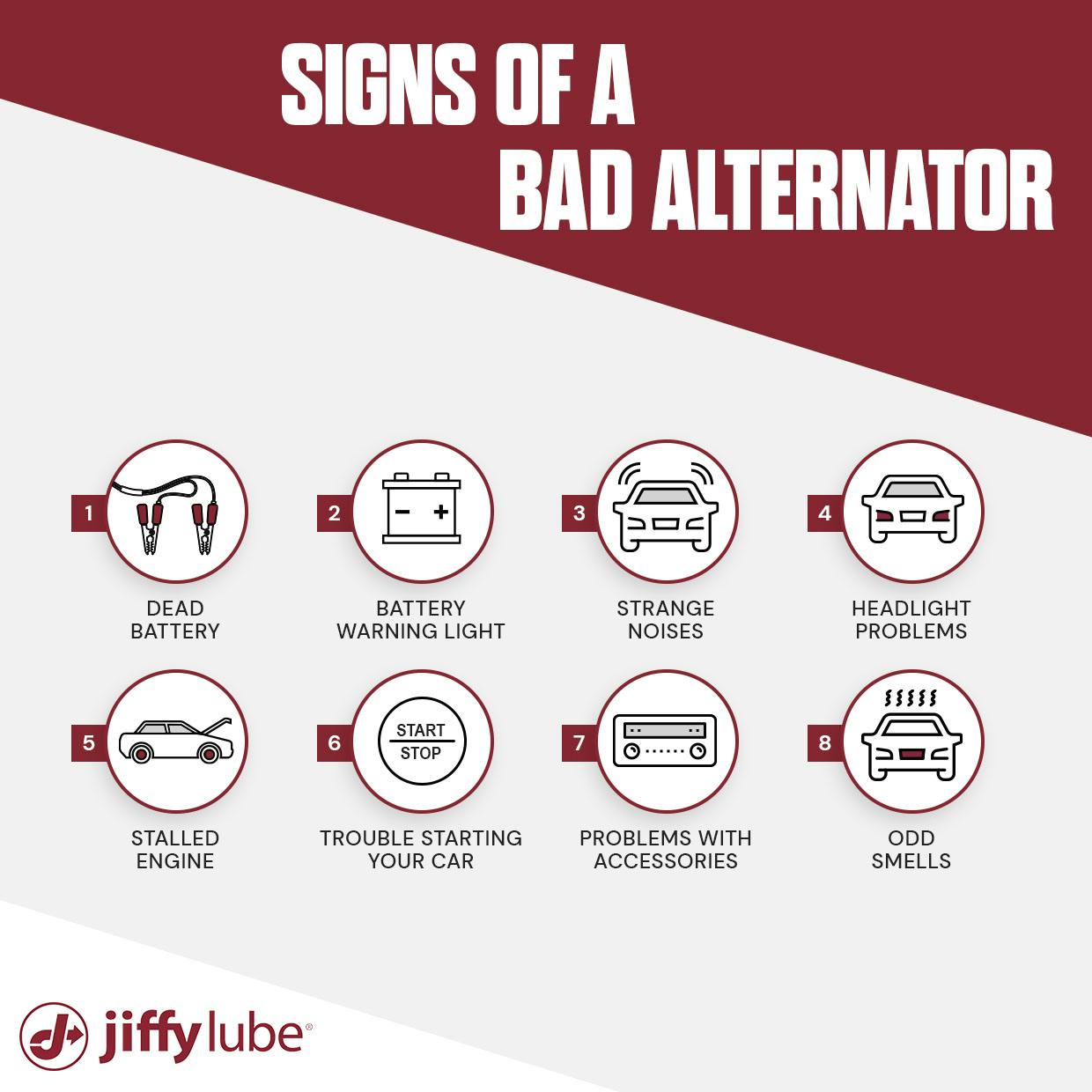
Car lights should be bright. If they dim or flicker, it might be the alternator. This part powers lights. A weak alternator can’t give enough power. Lights will show this problem. Check them often. A bright light means a healthy alternator.
A car dash has many lights. One warns about the battery. If this light glows, it can mean trouble. Often, the alternator is weak. It can’t charge the battery well. The battery needs full charge to work. Watch for this light. Don’t ignore it. It helps catch problems early.
Credit: www.jiffylube.com
Electrical Issues
The car takes longer to start than usual. This could mean a bad alternator. The battery might not be getting charged. It struggles to provide power. The lights may dim while starting. You might hear a clicking sound. This happens when the battery is weak. The car needs a strong battery to start. A faulty alternator can’t charge it well.
The engine may stall while driving. This is a sign of electrical problems. The alternator supplies power to the engine. If it’s not working, the engine can misfire. This means the car might stop suddenly. It can be dangerous. The dashboard lights might flicker. This shows the power is not stable. A reliable alternator is important for a safe drive.
Unusual Noises
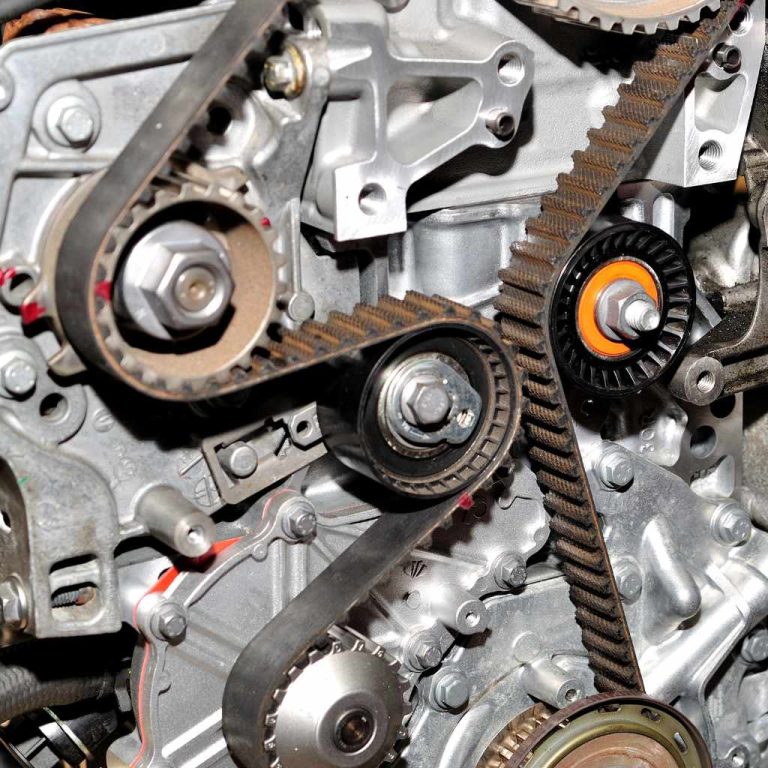
Grinding or whining sounds from the car can be a problem. These sounds often mean a bad alternator. The alternator uses belts to work. If a belt is loose or worn out, it makes noise. This noise can be a grind or a whine. It is important to listen carefully. Strange sounds are signals. A car should run smoothly, without odd noises. If the noise grows louder, check the alternator. This part is key for the car’s power.
Rattling or squealing noises also point to trouble. These sounds come from the engine area. When you hear them, it might be the alternator. Belts can cause these sounds too. They need to be tight and in good shape. Loose belts make a squeal or rattle. This is a warning sign. It means the alternator is not working right. Fixing it soon can stop bigger problems.
Battery Problems
A car’s alternator helps keep the battery charged. If the battery dies often, the alternator might be bad. This means it’s not giving enough power. A dead battery can stop the car from starting. Jump-starting may work, but it’s not a fix. Check the alternator to solve the problem.
Batteries should charge fast when the car runs. If charging is slow, the alternator may be failing. A weak alternator can’t supply enough energy. This leads to a battery that struggles to recharge. Lights might dim, and other electronics could fail. It’s a sign to check the alternator.
Dashboard Indicators
Gauges in the car show important information. Speed, fuel, and temperature are on the display. Sometimes, these gauges act strangely. They jump or show wrong numbers. This can mean the alternator is bad. The alternator helps power the car’s systems. Without it, the car will not work well. Pay attention to these gauges. They can tell you important things.
Warning lights are bright. They help you see problems early. A common light is the battery symbol. It looks like a small rectangle with plus and minus signs. This light can mean the alternator is failing. Other lights may come on too. It’s important to check what they mean. Fixing problems early is good for the car. It keeps it running smoothly.
Credit: www.jiffylube.com
Performance Drop
Reduced Power Accessories often signal alternator problems. Car lights may dim. The radio might lose sound strength. The air conditioning can become weak. These accessories need electricity. A bad alternator gives less power. It struggles to charge the car battery. This affects how the car runs. Regular checks help spot issues early.
Difficulty Operating Electronics can be a clear sign. The dashboard lights might flicker. Windows may roll up slowly. Electronic locks might fail. These electronics need constant power. A faulty alternator fails to deliver. This can make driving hard. Always ensure electronics work well. This can prevent bigger issues.
Visual Inspection
Corrosion or Damage on the alternator might cause car problems. Check the alternator for rust or dirt. Rust can make the alternator work poorly. Dirt can block the alternator’s parts. Look for broken wires or loose connections. These can stop the alternator from charging the battery. A damaged alternator may need fixing or replacing.
Loose or Worn Belts can affect the alternator’s function. The belt connects the alternator to the engine. If the belt is loose, it might slip. A slipping belt can stop the alternator from working. If the belt is worn, it might break. A broken belt stops the alternator completely. Check the belt for cracks or wear. Replace it if needed.
Credit: www.youtube.com
Testing And Diagnosis
Experiencing dim headlights or trouble starting your car could signal alternator issues. Listen for strange sounds or notice battery warning lights. Testing the alternator’s voltage output can confirm its condition.
Using A Multimeter
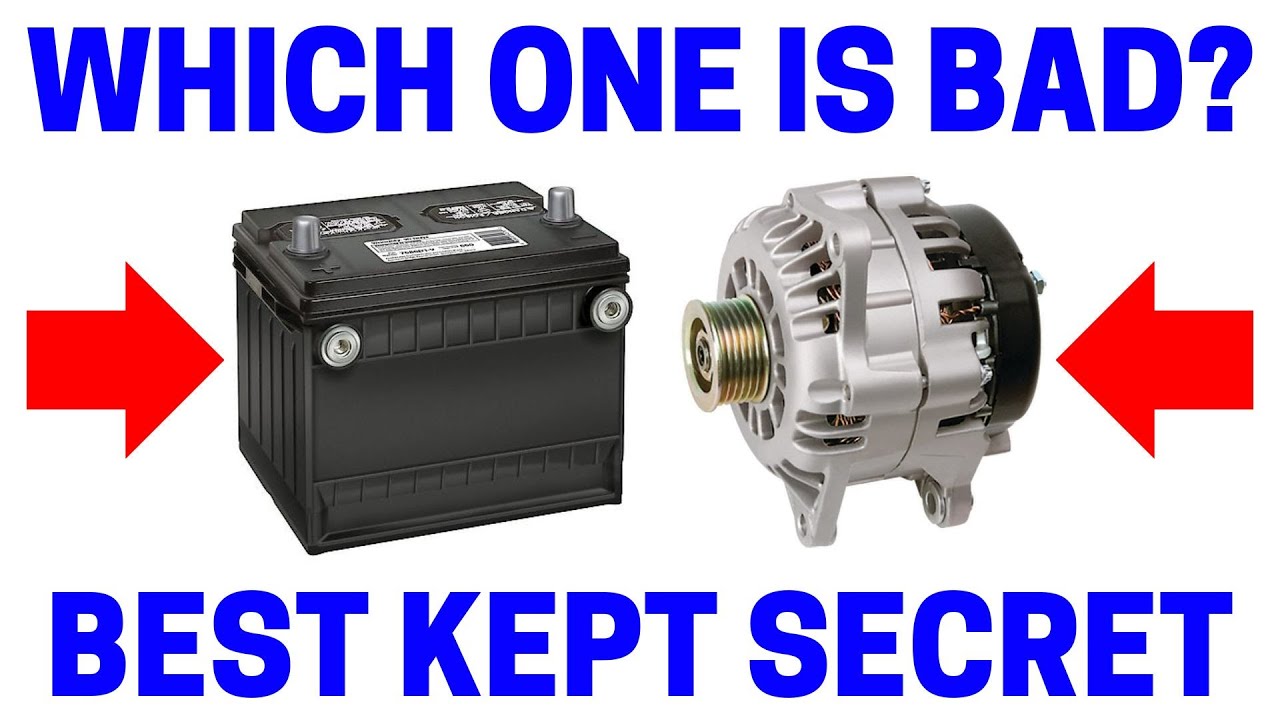
Testing your car alternator is simple with a multimeter. First, set the multimeter to measure voltage. Attach the black lead to the battery’s negative terminal. Place the red lead on the positive terminal. The reading should be between 13.8 to 14.4 volts. If the voltage is lower, the alternator might be bad. Higher readings can also indicate issues. Always perform the test with the engine running. This ensures accurate results.
Professional Checkup
A professional mechanic can check the alternator. They use special tools and techniques. Their tests are often more accurate. Mechanics can also spot other related issues. This helps in getting a complete diagnosis. Always consult a professional if unsure. Regular checkups help prevent unexpected breakdowns. They ensure your car runs smoothly.
Frequently Asked Questions
How Does A Vehicle Act When The Alternator Is Going Out?
A failing alternator can cause dimming headlights, battery warning lights, slow accessories, engine stalling, and strange noises. It may also result in a dead battery. Immediate inspection and repair are recommended to avoid breakdowns and further damage.
What Are The Symptoms Of A Bad Alternator?
A bad alternator can cause dimming headlights, a dead battery, strange noises, and dashboard warning lights. Your vehicle may experience electrical issues, frequent stalling, or difficulty starting. These symptoms indicate the alternator might not be charging the battery properly, requiring immediate attention to avoid further problems.
How Can I Test If My Alternator Is Bad?
Check alternator by using a multimeter. Set it to 20V DC, start the engine, and measure battery voltage. A healthy alternator shows around 13. 8 to 14. 4 volts. Dim headlights or dashboard warning lights indicate potential issues. Regular alternator testing prevents battery drain and ensures vehicle reliability.
How Do You Tell If You Need A New Alternator?
Dim or flickering headlights indicate alternator issues. Battery frequently dying also suggests a problem. Unusual noises or a warning light on the dashboard are signs. Electrical failures, like malfunctioning windows or radio, can point to a failing alternator. Have a professional check it for confirmation.
Conclusion
Identifying a bad alternator is crucial for car maintenance. Regular checks help catch issues early. Listen for strange noises from the engine. Watch for dimming lights and battery problems. These signs indicate alternator trouble. Testing the alternator can confirm suspicions.
Visit a mechanic for a professional assessment. Don’t ignore signs of a bad alternator. It can lead to further car problems. Keeping your car in good shape ensures safe travel. Stay alert and proactive in car care. Your vehicle will thank you.