What Causes a Car AC Compressor to Fail? Signs, Costs & Engine Overheating Link
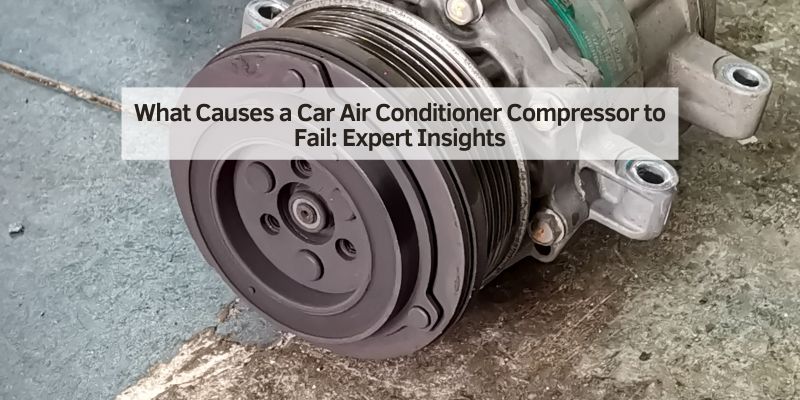
A car’s AC compressor most commonly fails from refrigerant loss due to leaks, which starves the internal parts of lubrication and causes them to overheat and seize. Other common causes include worn clutch bearings, electrical or sensor faults, contaminated refrigerant, and simple age — most compressors last 8-12 years or 60,000-100,000 miles. Below is what actually damages a compressor, the warning signs to watch for, and a mechanical connection most guides skip: a seized compressor can take your engine’s cooling system down with it.
Quick Answer
The most common cause of car AC compressor failure is refrigerant loss from leaks, which cuts off the oil that lubricates the compressor and causes it to overheat and seize. Other leading causes: worn clutch/bearings, electrical or sensor faults, and contaminated refrigerant. Most compressors last 8-12 years or 60,000-100,000 miles, and replacement typically costs $500-$1,200.
Common Signs of AC Compressor Failure
Strange sounds from the car’s AC can mean problems. You might hear a loud clanking or buzzing sound. This noise often comes from the compressor. It usually signals internal damage. Parts inside may be worn out or broken. This is a sign the AC compressor could fail soon.
The car’s AC might not cool like it used to. Airflow feels weak or not as cold. This happens when the compressor is struggling to work. It can’t pump refrigerant properly. This results in warmer air blowing from vents. These signs should not be ignored. They point to a failing compressor.
Mechanical Issues Leading To Failure
Bearings help the compressor spin smoothly. If bearings wear out, the compressor struggles. This can lead to noisy operation or even a complete breakdown. Bearings get damaged by dirt or lack of oil. Regular checks are important to prevent this. Listen for strange noises from your car’s AC. It’s a sign the bearings might need fixing.
The clutch lets the compressor turn on and off. If the clutch slips or fails, the AC won’t cool. Dirt or wear and tear can cause clutch issues. Sometimes, the clutch won’t engage at all. This means the compressor can’t work. Getting the clutch checked can save you from big problems. Always pay attention to unusual clicking sounds.
Best AC Recharge Kit Pick
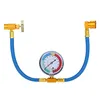
SURIEEN R134a AC Charge Hose with Gauge
Since refrigerant loss is the single most common cause of AC compressor failure covered in this guide, a hose-and-gauge kit lets you check charge level before topping off — rather than guessing.
- Best for: checking and topping off low refrigerant before it starves the compressor
- Why we picked it: built-in gauge shows system pressure instead of charging blind
- Main drawback: won’t fix a seized compressor or a snapped belt — mechanical failures still need a shop
Tools for diagnosing AC compressor problems
 Leak Detection Lichamp UV Dye AC Leak Detector Kit
|
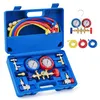 Full Diagnosis Orion Motor Tech AC Manifold Gauge Set
|
 Electrical Checks ANCEL AD310 OBD2 Scanner
|
As an Amazon Associate we earn from qualifying purchases.
Can a Seized AC Compressor Cause Your Engine to Overheat?
Yes — and this is the connection most articles on compressor failure skip. On many cars, the AC compressor pulley is driven by the same serpentine belt that also turns the alternator and water pump. If the compressor’s internal bearings seize completely, the pulley locks up and drags across the belt instead of turning with it. The belt can overheat, start smoking, and snap within minutes.
Once that belt is gone, the water pump stops circulating coolant along with it. That’s the real chain reaction: a seized AC compressor doesn’t damage your radiator directly, but it can take out the belt that keeps your engine from overheating in the first place. If you hear a sudden squeal or grinding sound from the AC and then notice your temperature gauge climbing, turn the AC off immediately and get the car inspected before driving further.
Data point: If your engine overheats within minutes of the AC compressor making noise, don’t assume the two problems are unrelated — a seized compressor snapping the serpentine belt is one of the most common ways an AC problem turns into an engine problem.
Electrical Challenges Impacting Performance
Faulty wiring can stop the air conditioner compressor from working. Wires must be connected properly. If not, they can cause short circuits. This can damage the compressor. Sometimes, wires get old or break. This can cause power loss. The compressor will not get enough electricity. Always check wiring for safety.
Sensors help the compressor know what to do. If sensors fail, the compressor may stop. A sensor might send wrong signals. This confuses the compressor. It may run too much or too little. Sensors must be checked often. Make sure they work well. This keeps the air conditioner efficient.
Refrigerant Concerns And Their Effects
Low refrigerant levels make your car’s air conditioner work harder. This extra effort can lead to compressor failure. The compressor needs refrigerant to function smoothly. Without enough refrigerant, it struggles to maintain pressure. This stress causes parts to wear out quickly. Regular checks can prevent this issue. Keep the refrigerant level optimal. It helps the compressor last longer.
Contaminated refrigerant harms the compressor. Dirt and debris mix with the refrigerant. This mixture damages the compressor’s internal parts. Clean refrigerant keeps the system running properly. Contamination leads to clogs and corrosion. These problems make the compressor fail faster. It’s vital to use pure refrigerant. It ensures the compressor stays healthy. Avoid mixing different types of refrigerant. Mixing can cause more contamination.
Environmental Factors Contributing To Wear
Extreme temperature variations can damage a car’s air conditioner compressor. When the temperature is very hot or cold, the compressor works harder. This extra work causes stress and can lead to failure. Metal parts expand and contract with temperature changes. Over time, this weakens the compressor.
Humidity impacts the compressor’s performance too. High humidity levels mean more moisture in the air. Moisture can cause rust and corrosion on metal parts. Rusty parts can jam and stop working. Compressors have seals that keep moisture out. But old or damaged seals let moisture in. This leads to more problems.
Maintenance Practices To Prevent Failure
Regular inspections keep the car air conditioner working well. Check the system for leaks or damage. A small problem can become big if ignored. Watch for unusual noises and smells. These can mean trouble. Always ensure the belts are tight and not worn out. A loose belt can cause damage.
Refrigerant helps the air conditioner cool the car. If it’s low, the system will not work right. Refill it before it runs out. This keeps the compressor from working too hard. An overworked compressor can break. Always use the right type of refrigerant. Using the wrong type can harm the system.
Expert Tips For Longevity
Choose top-quality parts for your car’s air conditioner. Poor components wear out quickly. They might cause compressor failure. Select items with a strong build. Look for trusted brands. Avoid cheap alternatives. Good components keep the system running smoothly. They ensure long-lasting performance.
Always hire a professional for installation. Experts know the right methods. They prevent mistakes. Incorrect setup leads to problems. It may damage the compressor. Professionals ensure proper fitting. Their work enhances the efficiency of your system. It reduces the chance of failure. Trust skilled hands for the best results.
Repair And Replacement Options
Repairing a car air conditioner compressor can be costly. The price depends on the car model. Sometimes, replacing the compressor is more expensive than repair. Parts and labor add to the final cost. Compare prices before making a decision.
Some people try to fix the compressor themselves. This can save money. Yet, it is risky if you lack skills. Professional services offer more expertise. They ensure the job is done right. Mistakes can lead to more problems. Always think about safety and quality. If you’re trying to diagnose the issue yourself first, see our guide on what causes a car AC to freeze up and how to read AC gauges before assuming the compressor itself is the problem.
Frequently Asked Questions
What Is the Most Common Cause of Car AC Compressor Failure?
The most common cause of car AC compressor failure is refrigerant loss due to leaks. Leaks can lead to insufficient lubrication, causing the compressor to overheat and fail. Regular maintenance and inspection can help prevent these issues, ensuring the AC system runs smoothly and efficiently.
What Is the Life Expectancy of a Car AC Compressor?
A car AC compressor typically lasts 8-12 years or 60,000 to 100,000 miles. Regular maintenance extends its lifespan. Factors like usage, climate, and maintenance affect longevity. Keep the system clean and inspect it regularly for optimal performance.
How Much Does It Cost To Replace A Compressor In A Car Air Conditioner?
Replacing a car air conditioner compressor typically costs between $500 and $1,200. This includes parts and labor. Prices vary based on car model and location. Always get a quote from a trusted mechanic for accurate pricing. Ensure the compressor replacement includes a warranty for peace of mind.
How Does a Car AC Compressor Get Damaged?
A car AC compressor can get damaged due to refrigerant leaks, electrical issues, or lack of lubrication. Contaminants like dirt and debris can also cause harm. Overheating from excessive use or a faulty cooling fan can lead to damage. Regular maintenance helps prevent compressor failures.
Conclusion
A failing car air conditioner compressor can be frustrating. Regular maintenance helps prevent issues. Check for leaks, strange noises, and poor cooling. Address problems early to avoid costly repairs. Use quality parts for replacements. Keep your car’s system clean and well-maintained.
Understand the symptoms of a failing compressor. This knowledge saves time and money. Reliable cooling is crucial for comfort. Make sure your car’s air conditioner runs smoothly. Stay cool and comfortable on hot days. Protect your investment with proper care.
Enjoy a pleasant driving experience always.
Products related to this article
Sponsored / affiliate links. As an Amazon Associate I earn from qualifying purchases. I may earn additional commission from eligible campaigns.