How to Remove Gum From a Leather Car Seat (3 Safe Methods)
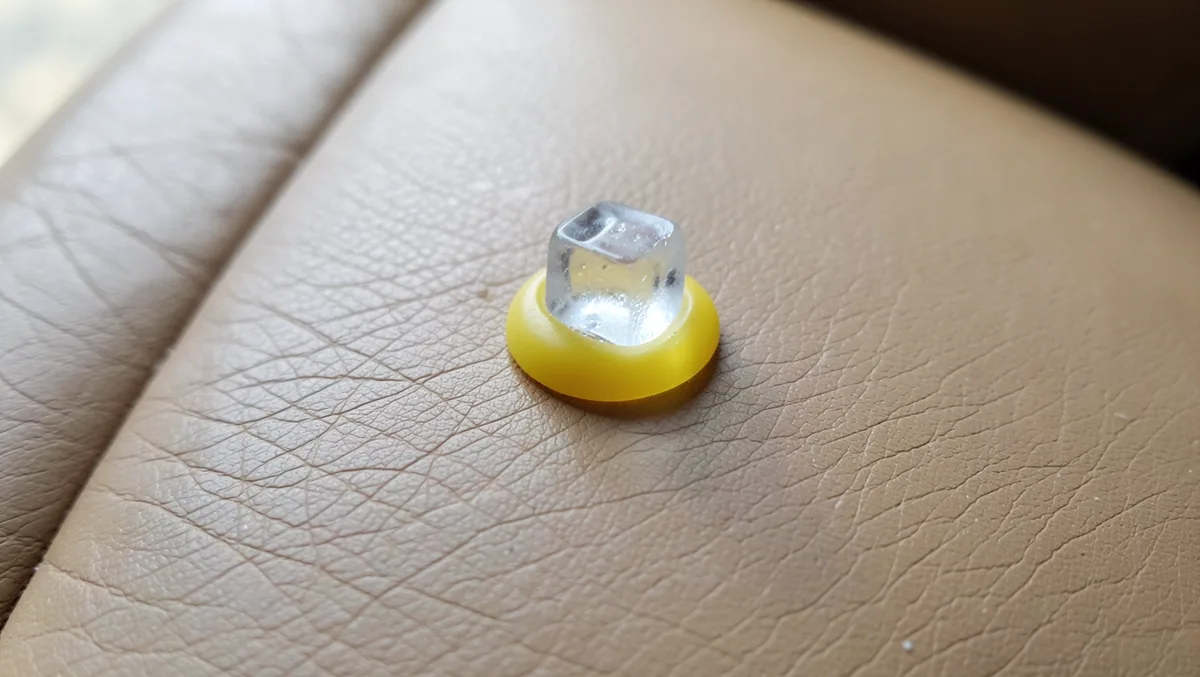
Harden the gum first, and it comes off leather almost on its own. Press an ice cube in a sandwich bag against it for 10 to 15 minutes until it turns brittle, then lift it with a plastic scraper or an old gift card — never a metal blade, which can nick the leather’s finish.
If a stubborn bit is still stuck after that, a hairdryer on low heat or a dab of natural peanut butter will loosen what the ice left behind, without resorting to a harsh solvent. Whichever method you use, blot and scrape gently rather than rubbing — rubbing just smears softened gum deeper into the leather’s grain, and that is a much harder mess to fix.
Check the Gum and the Leather Before You Start
BEST LEATHER CLEANER FOR GUM RESIDUE
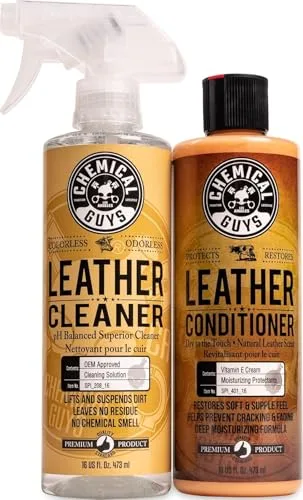 |
Chemical Guys Leather Cleaner & Conditioner Kit, 2 x 16 oz – $27.99 Once the gum itself is gone, this pH-balanced kit lifts any leftover residue and replaces the oils the ice, heat, or peanut-butter step can pull out of the leather.
|
Not all gum behaves the same way once it hits leather. Soft bubble gum tends to spread and smear if you touch it too soon, while regular chewing gum firms up faster and holds its shape once it cools. Sugar-free gum is usually the least sticky of the three, so it often lifts cleanly with nothing more than the ice-and-scraper step below.
Take a moment to look over the leather itself before you touch the gum. Run a finger near the spot and check for existing scratches, cracked stitching, or any place where the finish is already peeling — those weak spots need a lighter touch and less scraping pressure. Harder, more heavily coated leather can generally tolerate a bit more scraping than soft, unfinished, or aniline leather, which marks easily.

Tools You Will Need
Gather everything before you start so the gum has less time to warm back up between steps: a few ice cubes in a sealed sandwich bag, a plastic scraper or an old gift card, a soft microfiber cloth, and a small bowl of warm water with a drop of mild dish soap in it. If you plan to try the heat or peanut-butter methods below, add a hairdryer and a spoonful of natural (not chunky) peanut butter to the list. Keep a leather-safe cleaner and conditioner nearby too, since most gum-removal methods leave the treated spot looking slightly dull until it is conditioned afterward.
Skip any household solvent that is not specifically labeled safe for leather — nail polish remover, rubbing alcohol in large amounts, and most all-purpose cleaners can strip the dye or finish right along with the gum. When in doubt, test a small hidden patch first, such as the underside of the seat bolster.
Method 1: Freeze It With Ice
Seal two or three ice cubes in a sandwich bag so no water touches the leather directly, then hold the bag against the gum for 10 to 15 minutes. You will know it is ready when the gum feels hard and brittle rather than tacky — cold gum loses its grip on the leather almost entirely, which is what makes this method the safest starting point.
Slide a plastic scraper or an old gift card under one edge of the hardened gum and work it free in small sections, rather than trying to pop the whole piece off at once. Stop and re-freeze the spot for a few more minutes if the gum starts to soften and stretch instead of flaking. Most of the gum should come away at this stage — any thin film left behind is what the vinegar step further down is for.
Method 2: Soften It With Gentle Heat
If ice alone leaves a stubborn base layer behind, heat works the opposite way: it makes gum soft and pliable so it peels off in one piece instead of crumbling. Hold a hairdryer on its lowest heat setting about an inch above the gum and move it in small circles for 20 to 30 seconds — you are aiming for warm and flexible, not hot, since too much heat can scorch or discolor leather.
As soon as the gum feels soft, slide a plastic scraper or butter knife under it and lift in one steady motion rather than dragging it across the seat. Wipe the scraper clean between passes so you are not just spreading softened gum back onto the leather.
Method 3: Break It Down With Peanut Butter
Natural peanut butter is an old trick that still works on leather because the oils in it break down gum’s stickiness on contact. Rub a pea-sized amount directly onto the gum, let it sit for about 10 to 15 minutes, and the gum should soften into something closer to putty than a hard, sticky wad.
Scrape the loosened gum and peanut butter away together with a plastic card, then wipe the spot with a dry cloth followed by a damp one to lift any oily residue. Use only a small amount and stick to plain natural peanut butter rather than a chunky or sugary brand — left on too long, or used on light-colored or unfinished leather, the oil itself can leave a faint stain, so this method suits darker leather best.
Plain vegetable oil works on the same principle if you would rather skip the peanut butter. Rub a few drops onto the gum, let it sit for about a minute, then wipe both away with a clean towel. It carries less staining risk than peanut butter and conditions the leather at the same time, though it will not loosen a firm, cold-hardened wad as fast as the ice or heat methods do.
Cleaning Up Leftover Residue With Vinegar
Once the bulk of the gum is off, a thin sticky film often remains — that is where a mild vinegar solution helps. Mix equal parts white vinegar and water in a small bowl, dip a soft cloth into it, and dab (do not rub) the leftover residue until it lifts. Give it a minute or two to work before wiping.
Follow with a clean microfiber cloth dampened with plain water to rinse away any vinegar smell, then dry the area completely with a dry towel before moving on to conditioning. If gum has also ended up on the carpet nearby, the ice-and-scraper method works there too, though carpet fibers can take a stiff brush that leather cannot.
Conditioning the Leather Afterward
Every method above pulls at least a little natural oil out of the leather, so the spot can look slightly dry or dull once it is clean. A leather conditioner puts that moisture back and helps the treated area blend in with the rest of the seat instead of standing out.
Choosing the Right Conditioner
Pick a conditioner made specifically for automotive leather rather than a general furniture polish, since car seats face more heat and UV exposure than a living-room sofa. Check the label for language confirming it is safe for finished or coated leather, and always patch-test a small area first — the same rule applies here as it did before you touched the gum.
Applying and Buffing
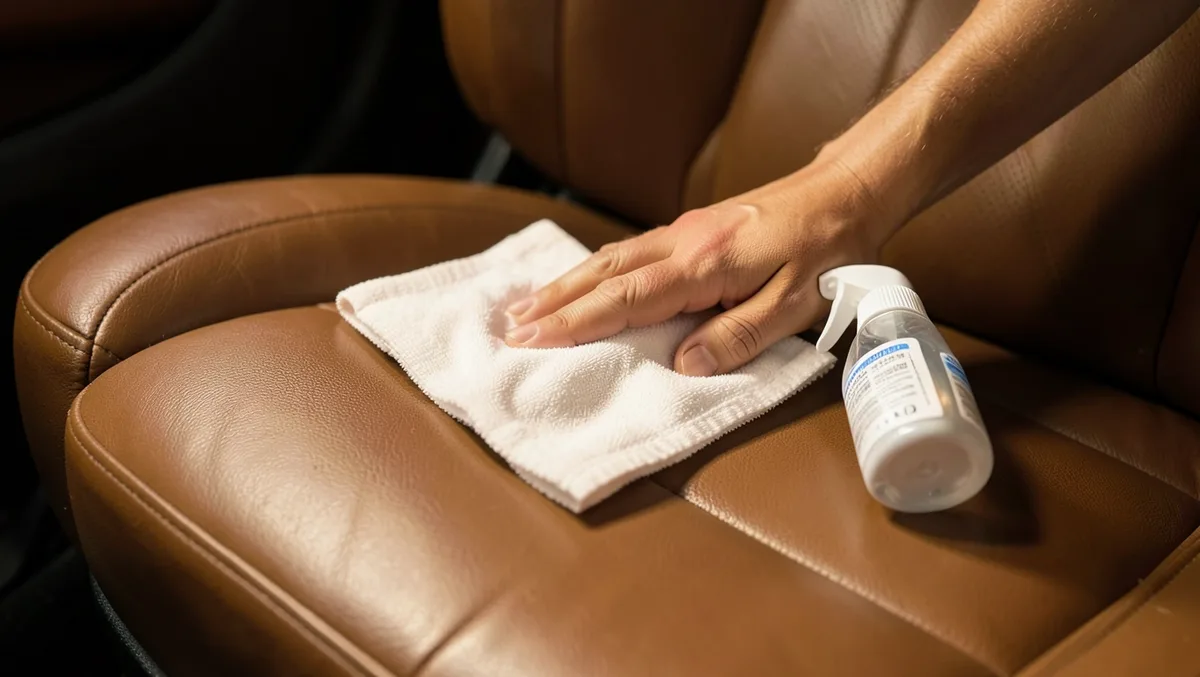
Put a small amount of conditioner on a soft cloth and work it into the leather using small circular motions, covering a slightly wider area than just the spot where the gum was. Let it sit for the few minutes the label recommends so it can soak in, then buff with a clean, dry cloth to bring back the shine and remove any excess product.
Preventing Gum Stains in the Future
Short of banning gum from the car entirely, a little routine care goes a long way toward keeping the next piece from ever bonding to the leather in the first place.
Regular Maintenance Tips
Leather car seats hold up best with gentle, consistent care rather than occasional deep cleans. Wipe them down with a soft cloth weekly, vacuum monthly to clear out crumbs and grit that can scratch the surface, and condition every one to two months so the leather stays supple instead of drying out and cracking — dry, brittle leather actually grips gum and other spills more stubbornly than well-conditioned leather does.
Protective Measures
Park in the shade when you can, since direct sun both fades leather and softens any gum residue that is already stuck, making it spread more easily. Clean up spills the moment they happen rather than letting them sit, since grease and other stains set into leather the same way gum does if they are left too long. A simple rule for kids and passengers — gum goes in a wrapper, not on the seat — prevents most of these incidents before they start.
Frequently Asked Questions
How do you get gum out of a leather car seat?
Freeze the gum with an ice cube sealed in a plastic bag until it turns hard, then lift it off with a plastic scraper or an old gift card. Clean any leftover film with a diluted vinegar solution and a soft cloth, then finish with a leather conditioner to restore the seat’s texture. Avoid metal tools or aggressive rubbing, both of which can damage the finish.
Does WD-40 remove gum from leather?
WD-40 can loosen gum from leather, but it is not the safest first choice since its solvents can strip dye or finish from some leather types. Ice, heat, or peanut butter remove gum just as effectively with far less risk. If you do try WD-40, test a hidden spot first, use it sparingly, and clean and condition the leather immediately afterward.
Will peanut butter stain a leather car seat?
It can, mainly on light-colored or unfinished leather, if the oils are left sitting for too long. Use only a small, pea-sized amount of natural peanut butter, wipe it off within about 15 minutes, and clean the spot with a damp cloth right after. On dark, well-sealed leather the staining risk is minimal.
How do I remove glue from a leather car seat?
Scrape away as much excess glue as possible with a plastic card, then dampen a cloth with warm, soapy water and blot the remaining residue. For stubborn spots, a cotton swab lightly dipped in rubbing alcohol can help, but test it on a hidden area first and avoid harsh chemicals. Finish by wiping with a clean, damp cloth and drying fully before conditioning.
Can you use a hairdryer to get gum off a car seat?
Yes — a hairdryer on its lowest heat setting, held about an inch away and moved constantly, softens gum enough to scrape it off in one piece. Keep the heat low and never let it sit in one spot, since too much heat can scorch or discolor leather. This method works especially well on gum that has hardened and resisted the ice-and-scraper step.
Does vegetable oil remove gum from leather car seats?
Yes. Rub a few drops onto the gum, let it sit for about a minute, and wipe both away with a clean towel. Vegetable oil breaks down the gum’s stickiness the same way peanut butter does, but it carries less risk of staining and conditions the leather at the same time — it just will not loosen a firm, cold-hardened wad as quickly as the ice or heat methods.
Conclusion
Gum on a leather car seat looks worse than it actually is to fix. Freeze it hard with ice and lift it with a plastic scraper, and most of it comes away in one or two tries; heat or a dab of peanut butter handles whatever the ice leaves behind. Clean any residue with diluted vinegar, condition the leather afterward, and the seat will look no different than it did before the gum landed there.
Products related to this article
Sponsored / affiliate links. As an Amazon Associate I earn from qualifying purchases. I may earn additional commission from eligible campaigns.