Is Car Battery Corrosion Dangerous? What You Should Know
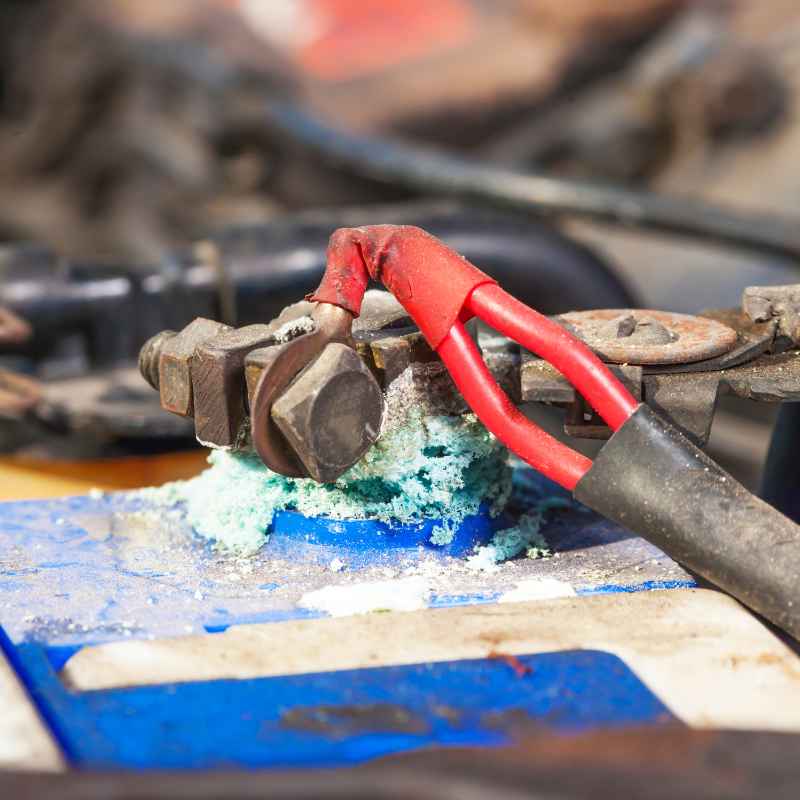
It’s a sight no car owner wants to see: a fuzzy, white or bluish crust creeping around your car battery terminals. This is battery corrosion, and while it might seem like just a messy inconvenience, it’s actually a sign that something isn’t quite right. Ignoring it can lead to bigger problems.
You’re probably wondering if this gunk is a real danger. The good news is, with a little knowledge and care, you can handle it. This guide will break down exactly what car battery corrosion is, why it forms, and what you need to know to keep your car running smoothly and safely.
Car battery corrosion is a chemical reaction that creates a powdery or crystalline substance around the battery terminals. It hinders electrical flow, can damage battery components, and, if severe, poses safety risks due to gas buildup and acid exposure. Regular checks and cleaning are key to preventing issues.
What is Car Battery Corrosion?
Car battery corrosion is basically a chemical reaction. It happens when the battery acid inside your car’s battery leaks out slightly. This acid then reacts with the metal of the battery terminals and cables.
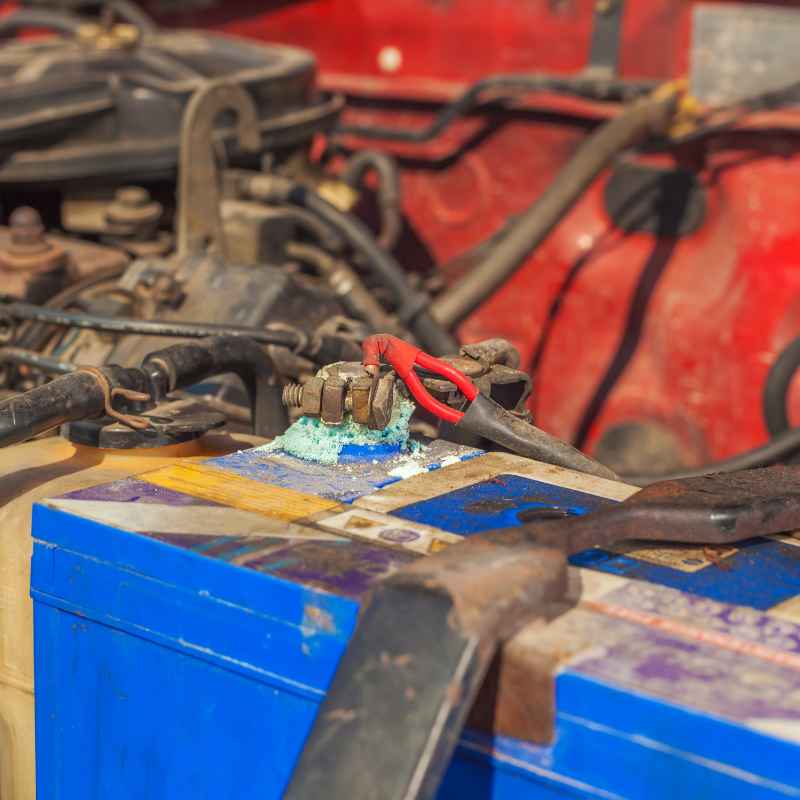
The result is a powdery or crystalline buildup. You’ll most often see it as a white, gray, or even bluish-green color.
This stuff isn’t just ugly. It’s also an insulator. Think of it like a blanket thrown over your battery terminals.
It makes it harder for electricity to flow from the battery to the rest of your car. This can cause all sorts of starting and electrical problems.
The white powder is usually lead sulfate. The bluish-green color can be copper sulfate. Both come from the battery’s internal chemistry reacting with the air and metal.
It’s a normal process to some degree, but when it gets thick, it’s a problem.
Why Does Battery Corrosion Happen?
Several things can cause your car battery to corrode. It’s not usually just one single cause. It’s more like a combination of factors working together.
One big reason is the battery venting gas. Batteries produce gases as they work. These gases escape through vents.
When the battery acid gets carried out with these gases, it can settle on the terminals. Once exposed to air, it hardens and forms that crusty buildup.
Overcharging is another culprit. If your car’s charging system is working too hard, it can force too much electricity into the battery. This can make the battery hotter and lead to more acid venting.
It speeds up the corrosion process quite a bit.
Age is also a factor. As batteries get older, their seals might not be as tight. Small leaks can start to happen.
This allows acid to escape more easily. Even tiny amounts can lead to corrosion over time.
Damage to the battery can also cause leaks. If your battery gets bumped hard or its case cracks, acid will definitely start to seep out. This leads to rapid and severe corrosion.
Finally, the metal itself can be a problem. The battery terminals and cable clamps are usually made of lead or a lead alloy. These metals react with sulfuric acid.
The older and less clean these parts are, the more likely they are to corrode.
The Real Danger: Why You Should Care
So, why is this crusty stuff dangerous? It’s more than just a visual nuisance. There are a few key reasons to take it seriously.
First, and most common, is poor electrical connection. The corrosion acts as an insulator. This means less power can get to your starter motor.
You might notice your car struggling to start. Sometimes, it might not start at all. This can leave you stranded.
Beyond starting issues, corrosion can affect other electrical parts. Your lights might dim. Your radio could cut out.
Power windows might move slowly. These are all signs that electricity isn’t flowing freely because of that insulating gunk.
There’s also a safety risk related to gas buildup. As mentioned, batteries vent gases. If corrosion blocks these vents or builds up heavily around them, the gases can get trapped.
This can create pressure inside the battery. In extreme cases, this pressure can cause the battery to crack or even explode.
Battery acid itself is dangerous. It’s highly corrosive. If you touch the corrosion and then touch your skin, it can cause burns.
If it gets in your eyes, it can cause serious damage. That’s why handling it with care is so important.
The corrosion can also eat away at the battery terminals and cable clamps. Over time, the metal can become thin and brittle. This weakens the connection and can lead to the cables breaking off.
Replacing these parts can be costly.
Let’s talk about the battery casing itself. If corrosion is severe, it can weaken the plastic casing of the battery. This might lead to cracks.
Once the casing is cracked, it’s hard to save the battery. Acid can leak out much faster and in larger amounts.
I remember one time, a friend’s car wouldn’t start on a freezing morning. He’d been ignoring a fuzzy white buildup on his battery for weeks. He thought it was just dirt.
When he finally got it looked at, the mechanic explained that the corrosion was so bad, it had created a barrier. The battery was fine, but the connection was completely blocked. He ended up needing a new battery and cable ends.
It was a simple fix he’d put off too long.
Corrosion vs. Other Battery Issues
What it looks like: Fuzzy, white or bluish-green powdery or crystalline substance. Usually on the metal parts of the battery.
Poor Connection: The corrosion causes the poor connection. Without corrosion, the metal parts should be clean and shiny.
Battery Failure: Corrosion is a symptom that can lead to battery failure, but it’s not the failure itself. A dead battery might have clean terminals, or it might have corrosion.
When is Corrosion a Problem?
Not all battery corrosion is an immediate emergency. A tiny bit of white powder on a terminal might be harmless. It’s when the corrosion becomes noticeable that you need to pay attention.
If you see a thick layer of that powdery or crystalline stuff, that’s a problem. It means the buildup is significant enough to start interfering with electrical flow. This is when you might experience those starting issues or other electrical quirks.
Another sign is if the corrosion is spreading. If you see it creeping down the cables or onto other parts of the engine bay, it means the corrosive process is active and widespread. This can cause damage to other metal components over time.
If you notice any signs of leakage from the battery itself, that’s a big red flag. This could be acid dripping or seeping from the battery case or vents. Any leakage needs immediate attention.
The smell is also important. If you notice a strong, rotten egg smell near your battery, it could indicate that the battery is overcharging or venting too much gas. This is often accompanied by corrosion.
Also, consider the age of your battery. If your battery is several years old and you see corrosion, it’s more likely to be a symptom of the battery nearing the end of its life. Older batteries are more prone to leaking and venting.
Think about the battery’s performance. If your car has been starting slowly, or if your headlights seem dimmer than usual, and you see corrosion, the two are likely linked. These performance dips are often the first noticeable impact of corrosion.
I remember a customer, Mrs. Gable, who called us in a panic. Her car wouldn’t start.
She’d seen a little white stuff on the battery but ignored it. It was a cold morning, and the corrosion had made the connection so bad, the starter just clicked. We were able to clean it up for her, but it was a close call.
She learned that day how much that small buildup could matter.
How to Safely Clean Battery Corrosion
Cleaning battery corrosion is a common car maintenance task. You can often do it yourself. However, you must be careful.
Battery acid is dangerous. Always wear safety gear.
First, gather your supplies. You’ll need:
- Safety glasses
- Rubber gloves
- A wire brush or battery terminal cleaning tool
- Baking soda
- Water
- Rags or paper towels
- A wrench to loosen terminal clamps
Here’s the step-by-step process:
1. Disconnect the Battery: This is the most crucial safety step. Always disconnect the negative (black) cable first.
Then, disconnect the positive (red) cable. This prevents short circuits.
2. Make a Cleaning Paste: In a small container, mix baking soda with a little water. You want a paste consistency.
Baking soda is alkaline and neutralizes the sulfuric acid.
3. Apply the Paste: Use the paste to coat the corroded terminals and cable clamps. Let it sit for a few minutes.
You might see it fizzing slightly as it neutralizes the acid. This is normal.
4. Scrub the Terminals: Use your wire brush or terminal cleaning tool to scrub away the corrosion. Get into all the nooks and crannies.
Make sure all the crusty stuff is gone.
5. Rinse and Dry: Gently rinse the terminals and clamps with clean water. Be careful not to get too much water inside the battery vents.
Dry everything thoroughly with a clean rag.
6. Apply Terminal Protectant: Once everything is clean and dry, you can apply a battery terminal protectant spray or grease. This helps prevent future corrosion.
It also helps ensure a good connection.
7. Reconnect the Battery: Reconnect the positive (red) cable first. Then, reconnect the negative (black) cable.
Make sure the clamps are snug but don’t overtighten.
8. Start the Car: Start your car to make sure everything is working properly. You should notice a stronger starting sound.
Quick Fix: Baking Soda Solution
What to Mix: 1 tablespoon baking soda to 1 cup of water.
How to Use: Apply with a small brush or cloth. Scrub the terminals.
Follow Up: Rinse with clean water and dry completely.
It’s important to note that if your battery case is cracked or leaking, do not attempt to clean it yourself. You should have it replaced immediately by a professional. Also, if the corrosion is extremely thick and covers a large area, it might be a sign of a failing battery.
I often tell people to check their battery terminals during routine oil changes. It takes just a minute. If you see any buildup, clean it off.
It’s much easier to deal with a little bit of corrosion than a big mess.
Preventing Future Corrosion
Cleaning corrosion is great, but preventing it from coming back is even better. Here are some tips to keep those terminals clean and your car running smoothly.
Regular Inspection: Make it a habit to look at your battery terminals every few months. You can do this when you check your oil or tire pressure. Early detection makes cleaning easier.
Use Terminal Protectant: After cleaning, apply a thin layer of dielectric grease or a specialized battery terminal protector. This creates a barrier against moisture and air, slowing down the corrosive process.
Check Battery Health: If you’re constantly dealing with corrosion, your battery might be old or failing. Have your battery tested. A healthy battery is less likely to vent excessive gases or leak.
Ensure Proper Charging: Make sure your car’s charging system is working correctly. An overcharging or undercharging system can harm the battery and lead to corrosion. A mechanic can test this for you.
Secure Battery Mounts: Make sure your battery is securely mounted in its tray. A loose battery can vibrate excessively. This can lead to internal damage and external leaks over time.
Avoid Overfilling (if applicable): Some older battery types have caps you can open. If you have one of these, avoid overfilling with water. This can lead to acid spills.
Cleanliness Matters: Keep the top of the battery clean. Dirt and grime can absorb moisture and contribute to corrosion. A quick wipe down can help.
My neighbor, an older gentleman named Frank, used to struggle with his battery corroding every year. He’d clean it, and a few months later, it would be back. I showed him how to use a good terminal spray after cleaning.
He was amazed. He said it was like magic. His battery stayed clean for over two years, and he didn’t have any starting problems.
Battery Maintenance Checklist
- Frequency: Check every 3-6 months.
- What to Look For: Fuzzy white/blue buildup, leaks, cracks.
- Cleaning: Use baking soda paste, wire brush, safety gear.
- Protection: Apply dielectric grease or terminal protectant after cleaning.
- Professional Check: If corrosion is severe or battery is old, see a mechanic.
Can Corrosion Damage Other Parts?
Yes, absolutely. The corrosion isn’t just limited to the battery terminals themselves. The acid that causes the corrosion is also a powerful chemical that can eat away at other things it comes into contact with.
If acid drips or leaks from the battery, it can land on metal parts in the engine bay. This can cause them to rust or corrode. Think about things like the battery tray, the fenders, or even parts of the engine block.
These are all susceptible to acid damage.
The electrical cables themselves can also be damaged. The corrosion can creep up the wires. This weakens the wires internally.
It can lead to increased resistance and eventual failure of the cables. Replacing battery cables can be more involved and expensive than just cleaning terminals.
The metal parts of the battery clamps are also at risk. They can become pitted and weakened. Eventually, they might break.
This would require replacement of the clamps, and potentially the cables if they are integrated.
Consider the alternator and starter motor. While less direct, if the battery’s ability to deliver consistent power is compromised by corrosion, it can put extra strain on these components. This might shorten their lifespan.
I saw a car once where severe battery acid leakage had eaten through the fender liner. It was a mess. The customer had ignored the corrosion for a long time.
The acid had dripped down and basically eaten away the plastic. It was a clear sign that corrosion doesn’t stay in one place.
Corrosion Risk Matrix
| Area Impacted | How Corrosion Affects It | What You Might See |
| Battery Terminals | Insulates, hinders flow, weakens metal. | Fuzzy buildup, reduced starting power. |
| Cable Clamps | Eats away metal, causes weakness. | Pitting, breakage, loose connections. |
| Battery Tray | Acid eats metal, causes rust. | Rust spots, holes in the tray. |
| Fender/Body Panels | Acid causes paint damage, rust. | Discolored paint, rust streaks. |
| Wiring | Corrosion creeps up wires, increases resistance. | Slow electrical function, potential wire failure. |
When to Seek Professional Help
While cleaning battery corrosion is often a DIY job, there are times when you should call a professional mechanic. Knowing when to ask for help is part of safe car ownership.
Severe Corrosion: If the corrosion is extremely thick, covers a large area, or looks like it has eaten deep into the metal, it might be beyond a simple cleaning. A mechanic has specialized tools and knowledge to assess the damage.
Battery Leaks or Cracks: If you see any signs of acid leaking from the battery itself, or if the battery case is cracked, stop immediately. Do not try to clean it. A leaking battery needs to be replaced safely by a professional.
Damaged Cables: If the battery cables themselves look frayed, damaged, or extensively corroded, a mechanic should inspect and likely replace them. These are critical components.
Persistent Problems: If you clean the corrosion, but your car continues to have starting issues or electrical problems, there might be a deeper issue. This could be with the charging system, the starter, or other electrical components.
Lack of Confidence: If you’re not comfortable working with car batteries or handling potentially hazardous materials, it’s always best to leave it to the pros. Your safety is more important than saving a few dollars.
New Battery Installation: If you’re replacing your battery, let the mechanic handle the installation. They will ensure proper connection and can advise on any necessary maintenance.
I recall a situation where a customer had tried to clean his battery corrosion. He’d done a decent job, but his car still wouldn’t start reliably. Turns out, the constant corrosion had weakened one of the battery terminals internally.
He needed a new battery and cable. He was glad he finally brought it in, as he realized he might have made it worse by trying to fix it himself.
Frequently Asked Questions About Car Battery Corrosion
What is the white powdery stuff on my car battery?
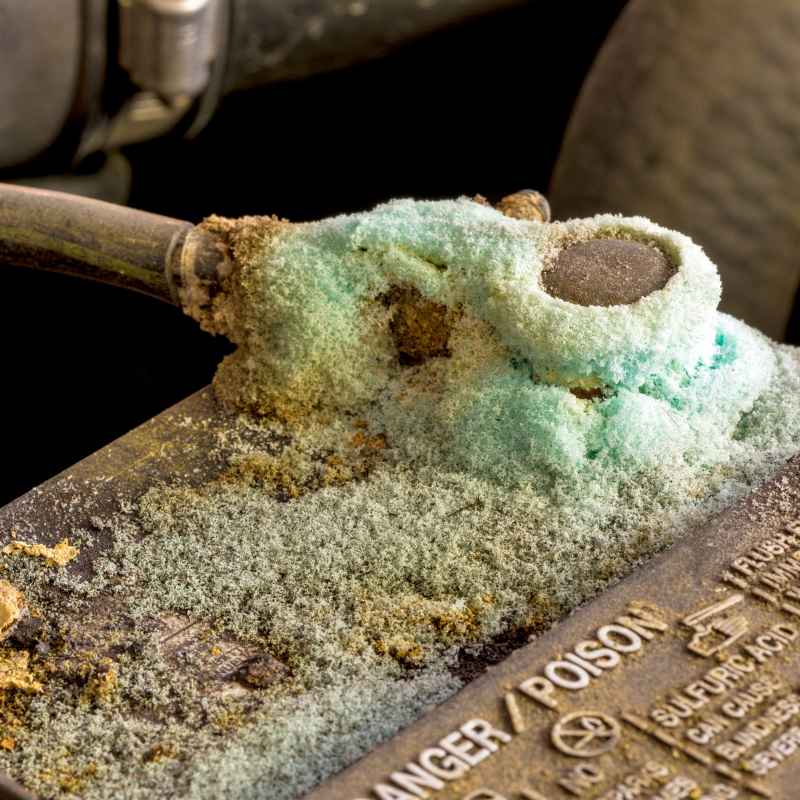
The white powdery substance on your car battery is typically lead sulfate. It forms when sulfuric acid from the battery leaks slightly and reacts with the metal terminals and cable clamps.
Is car battery corrosion dangerous to touch?
Yes, car battery corrosion can be dangerous. It is made from battery acid, which is corrosive. Touching it without gloves can irritate or burn your skin.
It’s also harmful if it gets in your eyes. Always wear safety glasses and gloves when handling it.
How often should I check my car battery for corrosion?
You should check your car battery for corrosion at least every 3 to 6 months. Many people find it easy to do this check during routine maintenance like oil changes or tire rotations.
Can corrosion cause my car not to start?
Yes, severe corrosion can absolutely cause your car not to start. The corrosive buildup acts as an insulator, blocking the flow of electricity from the battery to the starter motor. This prevents the engine from turning over.
What is the best way to clean battery corrosion?
The most common and effective DIY method is to use a paste made of baking soda and water. Apply the paste to the corroded terminals, scrub with a wire brush, rinse with clean water, and dry thoroughly. Always wear safety glasses and gloves.
Can I just leave battery corrosion alone?
It is not recommended to leave battery corrosion alone. Even minor corrosion can worsen over time, hindering electrical flow and potentially causing starting problems or damage to battery components and other parts of your car.
How can I prevent battery corrosion?
You can prevent battery corrosion by regularly inspecting and cleaning your battery terminals, using a battery terminal protectant spray or grease after cleaning, ensuring your battery is healthy, and checking that your car’s charging system is functioning correctly.
Conclusion
Car battery corrosion might seem like a minor issue at first glance. However, as we’ve explored, it’s a sign of potential problems. It can lead to starting difficulties, electrical system issues, and even safety risks if left unchecked.
Understanding what causes it, how to identify it, and how to safely clean and prevent it is key to keeping your vehicle in good working order. Regular checks and simple maintenance can save you from bigger headaches and costly repairs down the road.
Products related to this article
Sponsored / affiliate links. As an Amazon Associate I earn from qualifying purchases. I may earn additional commission from eligible campaigns.