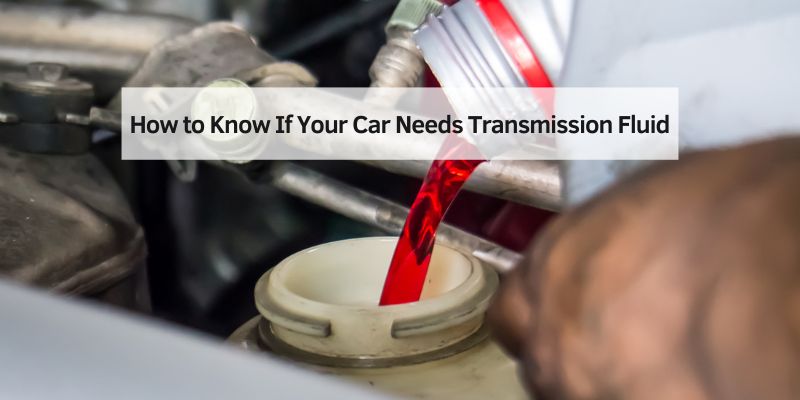
How to Know If Your Car Needs Transmission Fluid
Hey there! If you’re wondering whether your car might need transmission fluid, you’re in the right place. I’ve been diving into car maintenance for years, and I know how confusing it can feel when your vehicle starts acting up. Transmission fluid is like the lifeblood of your car’s transmission system, keeping everything running smoothly. But how do you know if it’s running low or needs a change? I’m here to walk you through it, step by step, with all the insights I’ve gathered from my own experiences and countless hours under the hood. Let’s get started and help you figure out what’s going on with your car!
Your car’s transmission is a complex system that helps transfer power from the engine to the wheels. Without enough transmission fluid—or if the fluid is old and dirty—your car can start showing some telltale signs of trouble. In this article, I’ll break down the symptoms of low or bad transmission fluid, how to check it yourself, and what to do next. Whether you’re a car enthusiast or just someone trying to keep their vehicle reliable, this guide is for you. Let’s dive into the signs that your car might be crying out for transmission fluid.
Understanding Transmission Fluid and Its Role
Before we get into the symptoms, let me explain what transmission fluid does. Think of it as the oil that keeps your transmission’s gears and components moving smoothly. It lubricates, cools, and cleans the transmission, ensuring it doesn’t overheat or wear out. Without it, your car’s transmission would grind, overheat, or even fail completely.
There are two main types of transmissions: automatic and manual. Automatic transmission fluid (ATF) is typically red or pink when fresh, while manual transmission fluid can vary in color and thickness. Over time, this fluid breaks down, gets dirty, or runs low due to leaks. Knowing its role helps you understand why keeping an eye on it is so important. I learned this the hard way when my old sedan started acting sluggish, and a quick fluid check saved me from a costly repair.
Signs Your Car Needs Transmission Fluid
So, how do you know if your car needs transmission fluid? I’ve noticed a few key signs over the years, and they’re usually pretty obvious once you know what to look for. Here’s what to watch out for:
Slipping Gears
Have you ever felt your car hesitate or slip out of gear while driving? It’s a strange feeling, like the car is deciding whether to move or not. This happened to me once on a highway, and it was nerve-wracking! Slipping gears often mean your transmission doesn’t have enough fluid to maintain pressure. Without enough fluid, the transmission can’t engage properly, causing the car to jerk or shift unexpectedly.
Delayed or Rough Shifting
Another clue is when your car takes too long to shift gears or shifts with a jolt. I remember driving my old truck and feeling a clunk every time it shifted from first to second gear. If your automatic transmission feels sluggish or you hear a grinding noise in a manual, low or dirty fluid could be the culprit. The fluid helps smooth out gear changes, so when it’s low, shifting becomes a chore for your car.
Unusual Noises
Your car shouldn’t sound like it’s complaining. Whining, buzzing, or grinding noises coming from under the hood are red flags. I once ignored a faint whining sound in my car, thinking it was just “normal.” Turns out, the transmission fluid was low, and the gears were struggling. If you hear anything unusual, especially when shifting gears, it’s time to check the fluid.
Transmission Overheating
Transmission fluid keeps the system cool. When it’s low or degraded, the transmission can overheat. You might notice a burning smell or see a warning light on your dashboard. My friend’s car once had a burnt-toast-like smell, and we found out the transmission fluid was almost gone. Overheating can damage your transmission, so don’t ignore this sign.
Leaking Fluid
One of the clearest signs is spotting red or brown fluid under your car. I’ve seen this in my driveway before—a small puddle of reddish liquid. Transmission fluid leaks can happen due to worn seals or gaskets. If you see this, your fluid level is likely dropping, and you need to act fast to avoid bigger problems.
Dashboard Warning Lights
Modern cars are smart. If your check engine light or transmission warning light pops on, it could be related to low fluid. I always recommend getting a diagnostic scan at an auto shop, but checking the fluid first can save you time. My car’s check engine light came on once, and a quick fluid top-up fixed the issue.
How to Check Your Transmission Fluid
Now that you know the signs, let’s talk about checking the fluid yourself. It’s easier than you might think! I’ve done this dozens of times, and it’s become second nature. Here’s how you can do it:
Step-by-Step Guide to Checking Transmission Fluid
- Park on a Level Surface: Make sure your car is on flat ground for an accurate reading.
- Warm Up the Engine: Start your car and let it run for a few minutes. Transmission fluid expands when warm, so this ensures a correct reading.
- Locate the Dipstick: Pop the hood and find the transmission dipstick. It’s usually near the back of the engine, with a red or yellow handle. Check your owner’s manual if you’re unsure.
- Check the Fluid Level: Pull out the dipstick, wipe it clean with a rag, reinsert it, and pull it out again. Look at the fluid level. It should be between the “full” and “low” marks.
- Inspect the Fluid’s Condition: Fresh fluid is bright red and smells slightly sweet. If it’s dark, brown, or smells burnt, it’s time for a change.
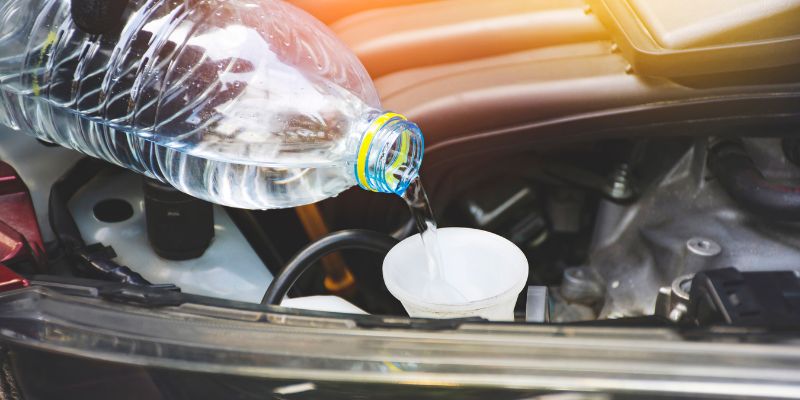
- Top Up if Needed: If the level is low, add the recommended transmission fluid (check your manual for the right type). Use a funnel to avoid spills.
I always keep a bottle of the right fluid in my garage, just in case. If you’re not comfortable doing this, a mechanic can check it for you in minutes.
Transmission Fluid Condition Chart
Here’s a quick guide to help you understand what your transmission fluid is telling you:
| Fluid Color | Condition | Action Needed |
|---|---|---|
| Bright Red/Pink | Fresh and healthy | No immediate action needed |
| Dark Red/Brown | Old or degrading | Change the fluid soon |
| Black/Burnt Smell | Severely degraded | Change immediately, check for issues |
| Milky or Cloudy | Contaminated (possibly water) | Get professional help ASAP |
What to Do If Your Car Needs Transmission Fluid
If you’ve checked the fluid and it’s low or dirty, don’t panic. Here’s what I do when my car needs attention:
Topping Off the Fluid
If the level is low but the fluid looks okay, you can add more. Use the exact type recommended by your car’s manufacturer—mixing fluids can cause damage. I made this mistake once, and it led to some rough shifting until I flushed the system. Pour slowly and check the level frequently to avoid overfilling.
Changing the Fluid
If the fluid is dark or smells burnt, it’s time for a change. You can do this yourself if you’re handy, but I usually take my car to a trusted mechanic. A full fluid change (or flush) replaces all the old fluid with fresh fluid. Most cars need this every 30,000 to 60,000 miles, but check your owner’s manual.
Addressing Leaks
If you spot a leak, don’t just keep topping off the fluid. I learned this lesson when a small leak turned into a big repair bill. Take your car to a mechanic to find and fix the source of the leak, whether it’s a seal, gasket, or something else.
When to See a Professional
If you notice slipping gears, rough shifting, or warning lights, and the fluid level looks fine, there might be a deeper issue. I’ve had to take my car to a shop a few times for transmission problems beyond fluid issues. A professional can run diagnostics and catch problems early.
Preventing Transmission Fluid Issues
Prevention is always better than a cure. Here are some tips I’ve picked up to keep your transmission fluid in good shape:
- Check Fluid Regularly: I check mine every few months or before long trips.
- Follow Maintenance Schedules: Stick to your car’s recommended fluid change intervals.
- Watch for Leaks: Keep an eye on your driveway or garage floor for any fluid spots.
- Drive Gently: Aggressive driving can overheat the transmission and break down fluid faster.
- Use the Right Fluid: Always use the fluid specified in your owner’s manual.
I’ve found that staying proactive saves me money and stress in the long run. A little care goes a long way!
Why Transmission Fluid Matters for Your Car’s Longevity
Low or dirty transmission fluid doesn’t just cause annoying symptoms—it can lead to serious damage. I’ve seen transmissions fail because owners ignored the signs, and repairs can cost thousands. Fresh fluid keeps your transmission lubricated, cool, and clean, extending its life. Think of it like drinking water for your car—it’s essential for staying healthy.
Conclusion
Figuring out if your car needs transmission fluid isn’t as daunting as it sounds. From slipping gears to strange noises, your car will give you clues when something’s off. By checking the fluid yourself and staying on top of maintenance, you can keep your vehicle running smoothly and avoid pricey repairs. I’ve been there, dealing with a cranky transmission, and I know how empowering it feels to catch a problem early. So, grab a rag, pop the hood, and give your car some love. Your wallet—and your car—will thank you!
If you’re still unsure or spot any of the signs we talked about, don’t hesitate to visit a mechanic. They can confirm whether it’s a fluid issue or something else. Keep driving safe, and happy motoring!
FAQs
What Happens If I Ignore Low Transmission Fluid?
Ignoring low transmission fluid is a bad idea. It can lead to overheating, gear slipping, and even total transmission failure. I’ve seen cars end up in the shop with repair bills over $2,000 because the fluid wasn’t checked in time. Don’t risk it—check your fluid regularly.
How Often Should I Check My Transmission Fluid?
I check mine every couple of months or before a long road trip. It only takes a few minutes and can catch problems early. Your owner’s manual might suggest a schedule, but I like to stay proactive.
Can I Use Any Transmission Fluid in My Car?
No way! Always use the fluid type recommended in your owner’s manual. Using the wrong fluid can cause shifting issues or damage. I learned this after buying the wrong type once—luckily, I caught it before pouring it in.
How Much Does It Cost to Replace Transmission Fluid?
A fluid change at a shop usually costs $80 to $150, depending on your car and location. A full flush might run $150 to $300. Doing it yourself is cheaper, but it’s messier. I’ve done both and prefer leaving flushes to the pros.
Can Low Transmission Fluid Cause My Car to Stall?
It’s unlikely to cause a complete stall, but low fluid can make your car hesitate or struggle to shift, which might feel like stalling. If your car is stalling, check the fluid, but also have a mechanic look for other issues.
Is It Safe to Drive with Low Transmission Fluid?
Driving with low fluid is risky. It can overheat your transmission and cause permanent damage. I once drove a few miles with low fluid, and the repair cost was not fun. Top it off or get it fixed as soon as you can.