Is My Car Burning Oil? Signs, Normal Limits & Fixes
Your car is burning oil if it uses more than one quart every 2,000 to 3,000 miles — though some BMW, Audi, and Subaru engines normally burn a quart every 600 to 1,200 miles. The clearest sign is blue-tinted exhaust smoke, especially right after startup. Below: the exact oil-consumption thresholds by engine type, what each smoke color really means, and which fixes make sense for your budget.
What Does “Is My Car Burning Oil” Mean?
Burning oil means engine oil is sneaking into the combustion chamber and getting burned along with your fuel, instead of staying in the crankcase where it belongs. That’s different from an oil leak, where oil drips out from underneath the car. Burning oil shows up as smoke, a dropping dipstick level, or a burnt smell — not puddles on your driveway. Catching it early keeps a $50 fix from turning into a $2,000 one.
How Much Oil Consumption Is Actually Normal?
There’s no single answer — “normal” oil consumption depends heavily on the engine. As a rule of thumb, a healthy engine under 50,000 miles shouldn’t need a top-off more than once every 2,000 miles. Some manufacturers set a much looser bar in their own service bulletins:
| Vehicle / Engine | Oil Use Considered Normal by the Manufacturer |
|---|---|
| Most engines under 50,000 miles | 1 quart per 2,000+ miles |
| General Motors (many models) | Less than 1 quart per 2,000 miles |
| BMW (many models) | 1 quart per ~1,000 miles |
| Subaru (per Subaru service bulletins) | 1 quart per 1,000–1,200 miles |
| Some Audi and BMW performance engines | 1 quart per 600–700 miles |
If your engine is using noticeably more than its manufacturer’s own threshold, that’s the point to start diagnosing rather than just topping off. Subaru and some Audi/BMW engines have had documented technical service bulletins for above-normal oil consumption, so if you drive one of these and you’re topping off often, it’s worth asking your dealer whether your engine is covered under an extended warranty for the issue.
Signs Your Car Might Be Burning Oil
Spotting oil burning is easier than you think. Here are the clues to watch for:
- Blue smoke from the exhaust: A smoky tail, especially noticeable on cold starts or hard acceleration.
- Low oil levels: Your dipstick shows less oil than it should between changes.
- A burnt smell: A burnt-toast odor from under the hood or through the vents.
- Poor gas mileage: Burning oil can make your car thirstier for fuel as compression suffers.
I once ignored blue smoke in my sedan. Big mistake — it led to a costly fix. Check these signs early to avoid a bigger repair bill.
Blue, White, or Black Smoke: What Each Color Actually Means
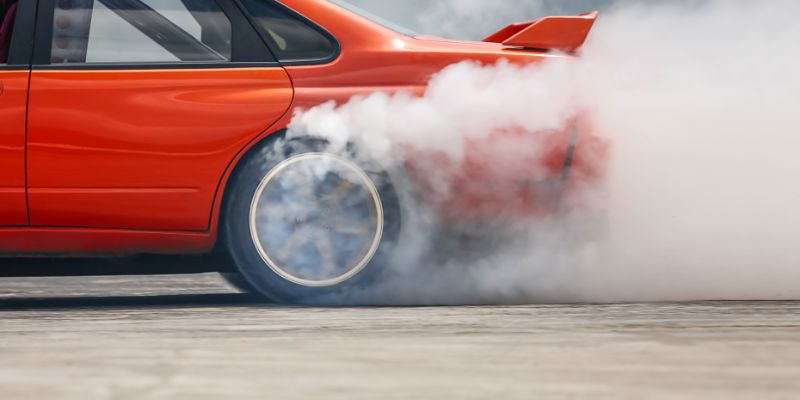
Not all exhaust smoke means the same problem. The color tells you which system is failing:
| Smoke Color | What’s Burning | Likely Cause |
|---|---|---|
| Blue | Engine oil | Worn piston rings, worn valve seals, bad PCV valve, or (on turbo engines) a failing turbo seal |
| White (thick, persistent, sweet smell) | Coolant | Blown head gasket or a cracked cylinder head/block |
| Black | Unburned fuel | Engine running rich — clogged air filter, bad O2 sensor, stuck fuel injector, or failed fuel pressure regulator |
There’s also a timing clue worth knowing: if the blue smoke only appears for a few seconds right after you start the engine and then clears up, that usually points to worn valve seals — oil pools around the valve stems overnight and burns off on startup. If the smoke shows up (or gets worse) under hard acceleration or towing, that points more toward worn piston rings, since cylinder pressure spikes push oil past the rings under load.
Why Does My Car Burn Oil?
Cars burn oil for a handful of reasons. Worn piston rings or valve seals let oil sneak into the combustion chamber, as explained above. A bad PCV valve, worn valve guides, or old gaskets can also let oil past. Even overfilling the oil can make it foam and get pulled into the intake. Each cause has a different fix, but catching it early is what keeps the bill small.
How to Check If Your Car Is Burning Oil
Checking for oil burning is no big deal. Here’s the step-by-step process I use:
- Park on a flat surface: Make sure the car is level so the dipstick reads accurately.
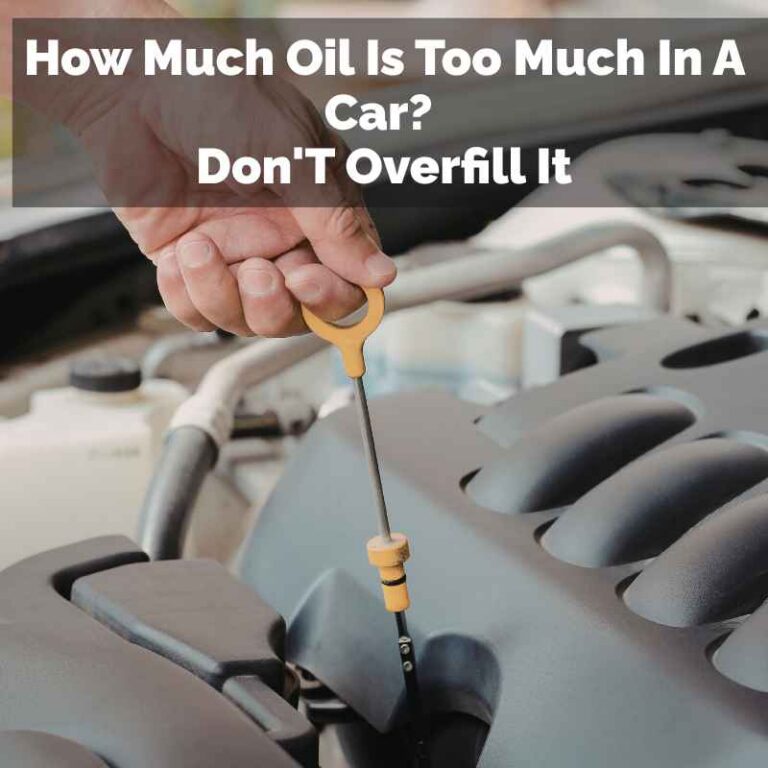
- Check the oil level: Pop the hood, pull the dipstick, wipe it clean, reinsert fully, then pull it again to read the level.
- Look at the exhaust: Start the car cold and watch for blue smoke in the first few seconds, then again under hard acceleration.
- Smell for burning: A burnt-oil smell under the hood or through the vents is a red flag.
- Drive and recheck: Drive normally for about a week, then check the oil level again and compare it to a known fill point.
You’ll need a rag, gloves, and a flashlight for this — I keep these in my trunk for quick checks. If the oil level drops noticeably faster than your engine’s normal threshold from the table above, you’ve got a real problem to diagnose, not just a coincidence.
Want a Definitive Answer? Ask for a Compression Test
Smoke color and timing are good clues, but a mechanic can confirm worn rings vs. worn valve seals with a compression test. A standard compression test measures pressure in each cylinder; a cylinder reading well below the others points to a mechanical problem there. A wet compression test — where a small amount of oil is added to the cylinder before retesting — is the tell: if the reading jumps back up with the oil added, worn piston rings are the culprit, because the oil temporarily reseals the gap the rings should be sealing. If the reading doesn’t change, the problem is more likely in the valves or head gasket instead. This test takes about 30–45 minutes and most shops charge $100–$150 for it — a lot cheaper than guessing wrong and replacing the wrong part.
Tools You Need to Diagnose Oil Burning
Here’s a simple table of tools to help you check your car:
| Tool | Purpose | Cost (Approx.) |
|---|---|---|
| Rag | Wipe dipstick clean | $1-2 |
| Gloves | Keep hands clean | $5-10 |
| Flashlight | See under the hood | $10-15 |
IF YOU’RE TOPPING OFF OR DIAGNOSING OIL BURNING
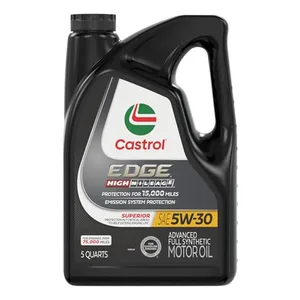
Castrol EDGE High Mileage 5W-30 Full Synthetic Motor Oil
Formulated with seal-conditioning additives that help reduce the exact oil burn-off and leaks this article covers — a reasonable interim step while you plan a permanent fix.
- Best for: Engines over 75,000 miles topping off between oil changes
- Why we picked it: Seal-conditioning agents can reduce minor burn-off from slightly worn seals
- Main drawback: Won’t fix worn piston rings or a bad PCV valve — it only masks minor seepage
Compare more oil-burning diagnostic and fix options
|
OPTION 1 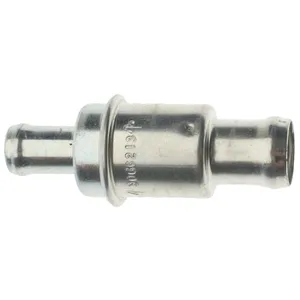 ACDelco Gold PCV Valve
|
OPTION 2 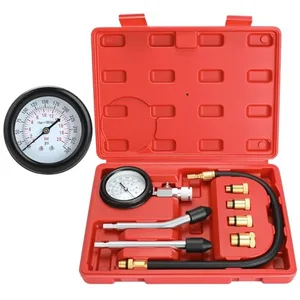 Compression Tester Kit
|
OPTION 3 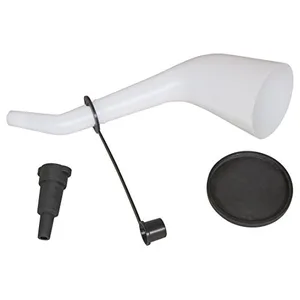 Offset Oil Fill Funnel
|
As an Amazon Associate we earn from qualifying purchases.
Benefits and Drawbacks of Fixing Oil Burning
Fixing oil burning keeps your engine healthy, saves money long-term, and protects your catalytic converter from getting fouled by burnt oil. The drawback is cost: a PCV valve is a $50-100 fix, but replacing worn piston rings can run $1,000-$2,000 since it requires pulling the engine apart. Doing the small checks yourself, like I did with my truck, at least tells you which category you’re dealing with before you commit to the bigger repair.
Easy Tips to Prevent Oil Burning
Here are my go-to tips to keep your car from burning oil:
- Check oil regularly: Once a month keeps you in the know before a small drop becomes a big one.
- Use the right oil: Check your owner’s manual for the correct viscosity and consider high-mileage oil once you’re past 75,000 miles.
- Fix leaks fast: A small drip can become a big problem, and it’s often confused with burning when it’s really just leaking.
I learned the hard way to never skip oil checks after staying on top of regular oil changes saved a different car’s engine from the same fate.
Common Mistakes to Avoid
Don’t make these rookie errors I’ve seen (and made):
- Ignoring smoke: Blue exhaust means act now, not later.
- Overfilling oil: Too much oil can foam and get pulled into the intake, causing smoke of its own.
- Skipping maintenance: Regular oil changes prevent sludge buildup that accelerates ring and seal wear.
One time, I overfilled my oil and saw smoke for days. Lesson learned!
Comparing Oil Burning Fixes
Here’s a table comparing common fixes for oil burning:
| Fix | Cost (Approx.) | Difficulty | Time Needed |
|---|---|---|---|
| Replace PCV Valve | $50-100 | Easy | 1 hour |
| Fix Valve Seals | $500-1,000 | Medium | 4-6 hours |
| Replace Piston Rings | $1,000-2,000 | Hard | 1-2 days |
Alternative Approaches to Oil Burning
If fixing your car right now is too pricey, try these:
- Switch to a high-mileage oil to help condition seals and reduce minor leaks.
- Drive less aggressively and check oil more often to slow the rate of loss.
- Trade in for a newer car if repairs keep piling up on an older engine.
I switched to high-mileage oil in my old SUV. It helped until I could afford a proper fix.

Personal Insights from My Garage
I’ve worked on cars for years, and oil burning is tricky but fixable. My biggest tip? Don’t panic. Check your oil weekly, and don’t ignore smoke. One time, my neighbor’s car smoked like crazy. A quick PCV valve swap saved her $500. Small steps make a big difference.
If you want a deeper walkthrough — including long-term risks of putting off a fix and normal wear patterns by mileage — see our full guide, How to Know If Your Car Is Burning Oil. If you’re trying to decide whether it’s actually safe to keep driving in the meantime, read Is It Bad to Drive a Car That Burns Oil?
Frequently Asked Questions
What Does Blue Smoke from My Exhaust Mean?
It’s a sign your car is burning oil. Oil is getting into the engine’s combustion chamber and burning along with the fuel, which turns the exhaust blue. Check your oil level and get the cause looked at soon.
How Often Should I Check My Car’s Oil?
Check it once a month. Pop the hood, use the dipstick, and make sure the level sits between the marks. It’s quick and saves trouble.
Can I Drive If My Car Is Burning Oil?
You can, but it’s risky. Running low on oil can starve moving parts and cause serious engine damage. Top it off and get the cause diagnosed soon to avoid a much bigger repair bill.
What’s the Cheapest Way to Fix Oil Burning?
Start with a PCV valve replacement. It’s cheap ($50-100) and easy. If that doesn’t stop the smoke, check the valve seals or gaskets next.
Does Burning Oil Mean My Engine Is Bad?
Not always. Worn parts like piston rings or valve seals can cause it without the engine being on its last legs. Fix them early to keep the engine running smoothly for years.
How Do I Know If My Oil Level Is Low?
Use the dipstick. If the oil sits below the “low” mark, add more. Check weekly if you suspect burning.
Can Bad Oil Cause Burning?
Yes, using the wrong viscosity or old, broken-down oil can make consumption worse. Use the type your owner’s manual recommends and change it every 5,000-7,500 miles.
How Many Quarts of Oil Is Normal to Burn?
It depends on your engine. A healthy engine under 50,000 miles typically shouldn’t use more than a quart every 2,000 miles or so. Some BMW, Audi, and Subaru engines are built to use as much as a quart every 600-1,200 miles under their own manufacturer guidelines, so check your owner’s manual before assuming something is wrong.
What Does White or Black Smoke Mean Instead of Blue?
White, thick smoke usually means coolant is burning, often from a blown head gasket or a cracked cylinder head. Black smoke means unburned fuel, typically from a rich-running condition like a clogged air filter, a bad oxygen sensor, or a stuck fuel injector. Neither is an oil-burning problem.
Conclusion
Wondering “is my car burning oil?” Check for blue smoke, a dropping dipstick, or a burnt smell — and compare what you’re using against the normal threshold for your specific engine. Use the steps above to spot the issue early, and start with the cheap fixes (PCV valve) before assuming you need the expensive one (piston rings). For more car care tips, check out AAA, Car and Driver, or NAPA.
Products related to this article
Sponsored / affiliate links. As an Amazon Associate I earn from qualifying purchases. I may earn additional commission from eligible campaigns.