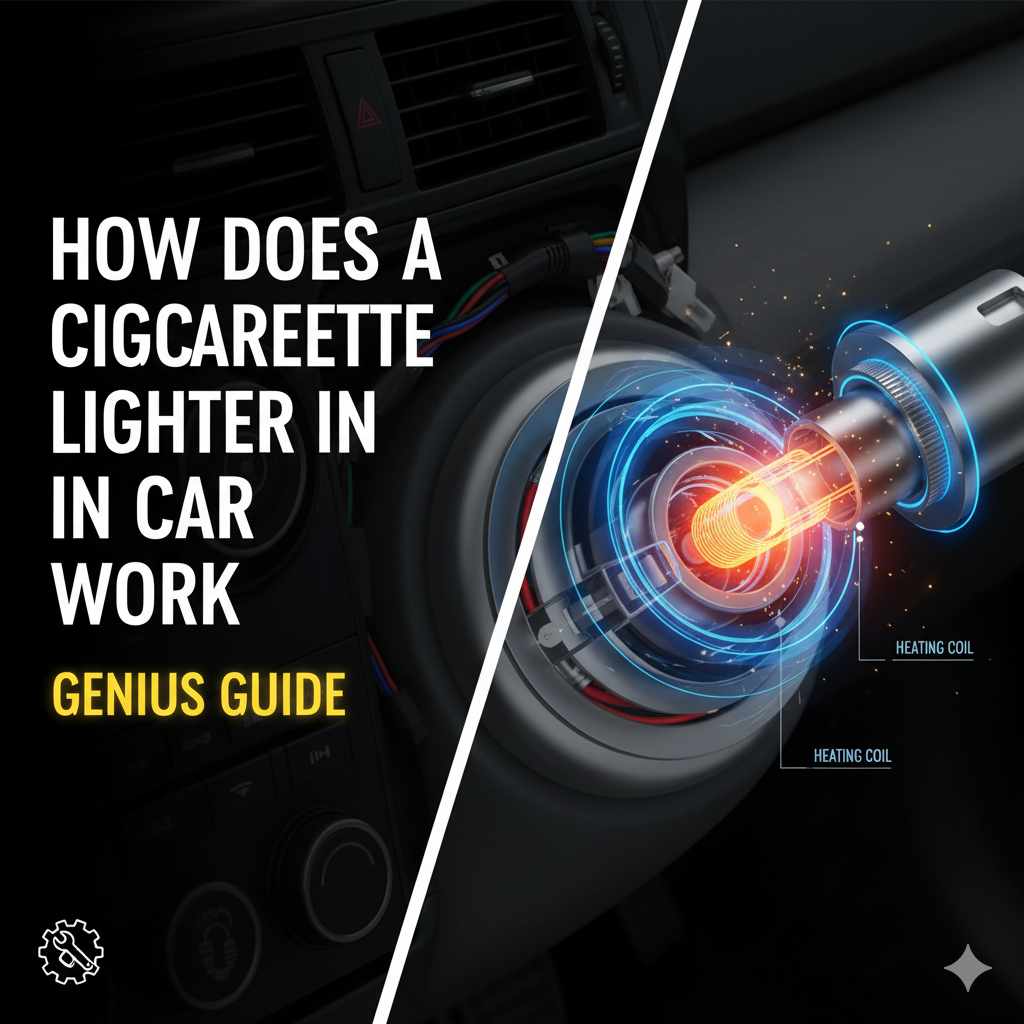
How Does a Cigarette Lighter In A Car Work: Genius Guide
A car cigarette lighter works by drawing power from the car’s battery. When you push it in, a bimetallic strip or a spring mechanism makes an electrical connection. This allows a high-current electrical flow through a thin wire coil, which heats up rapidly due to its resistance, creating the heat needed to light a cigarette. It’s a simple, effective electrical heating element powered by your car.
Ever found yourself needing a quick spark, only to realize your car’s cigarette lighter is more than just a dusty old port? It’s a surprisingly clever piece of automotive engineering, designed to give you heat on demand, powered directly by your car’s electrical system. Many drivers use it just for its intended purpose, while others have discovered its hidden versatility for charging devices or powering accessories. But have you ever stopped to wonder, “How does a cigarette lighter in a car actually work?”
If that little glowing ember seems like magic, don’t worry! This guide is here to demystify that process for you. We’ll break down the inner workings in simple terms, explaining the journey of electricity from your car’s battery to that super-hot coil. By the end, you’ll have a clear understanding of this handy car feature, building your confidence and knowledge about your vehicle. Let’s get started on unveiling the genius behind your car’s cigarette lighter!
The Humble Car Lighter: More Than Meets the Eye
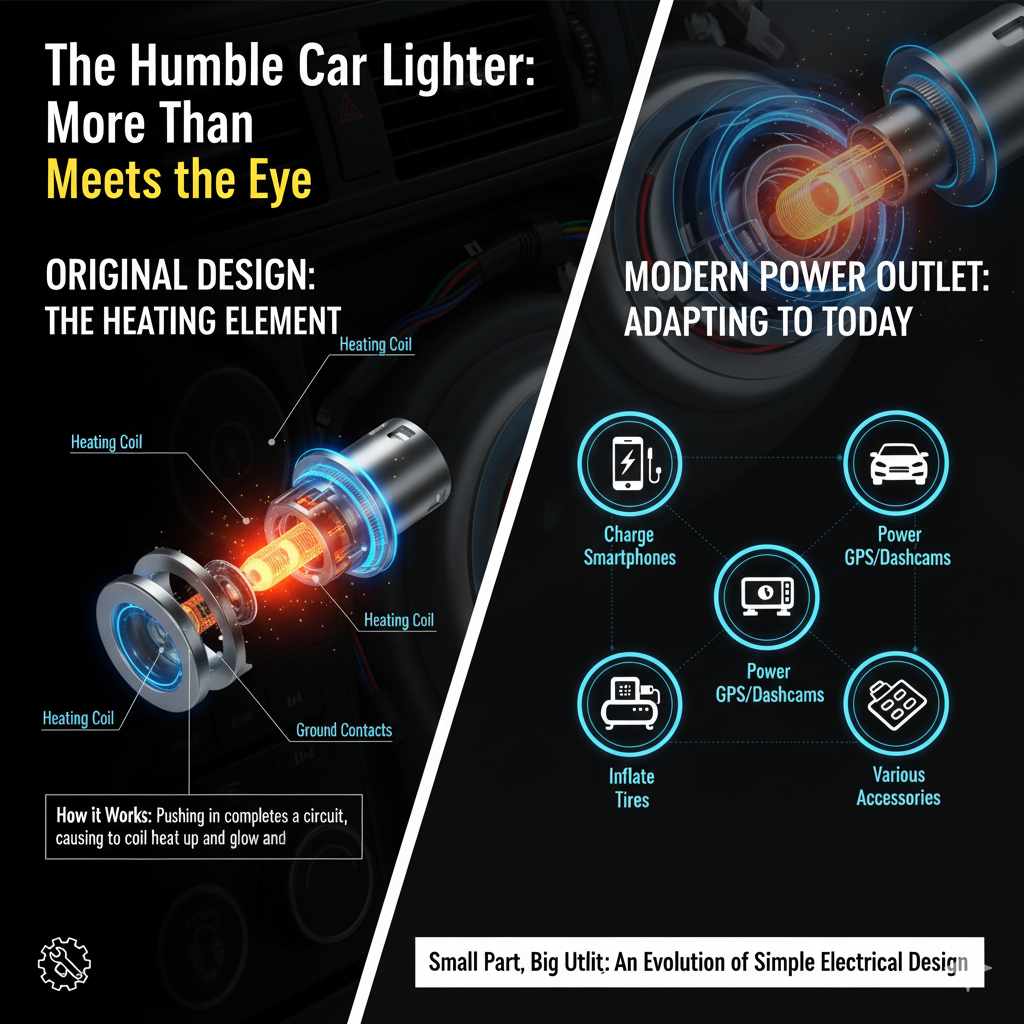
The car cigarette lighter, or power outlet as it’s often called today, is a common feature in most vehicles. While its original ‘name’ suggests a single purpose, its function has evolved significantly. Today, this port is often the gateway for charging smartphones, powering GPS devices, inflating tires, and a host of other convenient car accessories. Yet, at its core, the mechanism that generates heat remains a marvel of basic electrical principles. It’s a testament to how simple components can create a powerful effect when combined correctly within a car’s electrical system.
Understanding how it works isn’t just for the curious. Knowing its basic function can also help you troubleshoot minor issues or ensure you’re using it safely and effectively. It’s a small part of your car, but like any part, it plays a role in your driving experience. Let’s dive into the parts and the process that makes this little device heat up.
Key Components of a Car Cigarette Lighter
Before we get into the action, let’s identify the main players involved in making your car lighter work. Each component has a specific job that contributes to the overall function. Think of it like a small team working together to produce heat.
- The Socket: This is the part you see on your dashboard or center console. It’s where you plug in the lighter element or other accessories. It houses the electrical contacts that connect to the car’s power source.
- The Lighter Element (The “Button”): This is the removable metal piece with a coiled wire at the end. This coil is the star of the show when it comes to heating up.
- Heating Coil: A thin wire, usually made of nichrome (an alloy of nickel and chromium), that has high electrical resistance. When electricity flows through it, it gets very hot.
- Retaining Spring/Bimetallic Strip: This mechanism is crucial. It holds the lighter element in its socket and also plays a role in releasing it when it’s hot.
- Electrical Contacts: These are metal points within the socket and on the lighter element that make electrical connection when the element is pushed in.
- Car’s Electrical System: This includes the car battery, fuses, and wiring that supply the necessary power.
The Step-by-Step Magic: How It Heats Up
Now, let’s trace the journey of electricity and heat when you push that lighter button. It’s a fascinating process that happens in just a few seconds!
Step 1: The Push and Connection
When you push the cigarette lighter element into its socket, you’re doing more than just inserting a piece of metal. Inside the socket, there are electrical contacts. As the lighter element is pushed in, these contacts are forced to engage with corresponding contacts on the lighter element itself. This engagement completes an electrical circuit.
Think of it this way: Imagine two separate pieces of a puzzle. Pushing the lighter in is like fitting those pieces together. Once they’re connected, the path for electricity is open.
Step 2: Power Flow from the Battery
Your car’s electrical system, powered by the battery, is always ready. When the circuit is completed, a significant amount of electrical current immediately begins to flow from the car’s battery, through the car’s wiring, and into the lighter socket where it meets the lighter element.
This flow of electricity is not a trickle; it’s a robust current specifically designed to generate heat quickly. The circuit is designed to draw a high amperage, which is key to rapid heating. You can learn more about automotive electrical systems and fuses from resources like the U.S. Department of Energy, which explains the fundamental principles of power delivery in vehicles.
Step 3: The Resistance Coil Heats Up
This is where the magic happens. The thin wire coil at the tip of the lighter element is made of a material like nichrome. Nichrome is chosen because it has high electrical resistance. When a high electrical current flows through a material with high resistance, electrical energy is converted into heat energy. This conversion is governed by Joule’s law of heating, which states that the heat produced is proportional to the resistance, the square of the current, and the time.
The coil heats up incredibly fast – often within seconds – becoming hot enough to ignite a cigarette or, in modern use, charge your devices.
Step 7: The “Pop-Out” Mechanism
So, how does the lighter element pop back out when it’s ready? This is usually managed by a clever combination of a spring and either a bimetallic strip or a simple thermal switch. As the coil heats up, the heat is conducted along the lighter element.
- Bimetallic Strip: This is a common method. A bimetallic strip is made of two different metals bonded together. When heated, these metals expand at different rates, causing the strip to bend. This bending action trips a latch or mechanism, releasing the coiled lighter element.
- Thermal Switch/Spring Release: In simpler designs, the heat might cause a component to expand, pushing a release lever. More commonly, the intense heat itself causes a slight physical change or an internal mechanism to disengage a locking spring.
Once the latch is released, a strong spring (often the same one that held it firmly in place) pushes the hot lighter element back out of the socket. This is your signal that it’s ready for use or time to disconnect your accessory.
Powering More Than Just Cigarettes: The Modern Outlet
While the original design was for lighting cigarettes, the “cigarette lighter socket” has become a standard power outlet in cars. This transition highlights how versatile simple technologies can be and how they adapt to changing needs.
The 12-Volt Power Outlet
The socket itself is designed to accept a 12-volt DC (Direct Current) power supply from your car’s electrical system. This is a universal standard for most car accessories. The lighter element is a specific type of accessory that draws a high current (typically 10-15 amps) to generate heat. Many other accessories, like phone chargers, GPS units, or dashcams, draw much less current (often 1-2 amps).
Types of Accessories You Can Plug In
The convenience of the 12-volt socket extends far beyond its original purpose. Here are some common things you can power:
- USB Chargers: Adapters that have a lighter plug on one end and USB ports on the other. Essential for keeping your phones and tablets charged.
- GPS Devices: Many portable navigation systems plug directly into the 12V socket.
- Dashcams: Recording your drive is made easy with dashcams that use the lighter port for power.
- Portable Tire Inflators: Small compressors that plug into your car’s socket to help maintain tire pressure.
- Car Fans and Coolers: For extra comfort on hot days.
- Power Inverters: These devices convert the car’s 12V DC power into 110-120V AC power (like your home outlets), allowing you to run small electronics like laptops.
Important Consideration: Amperage Limits
It’s crucial to understand that not all sockets or accessories are created equal. The car’s electrical system has limits, and fuses protect these circuits. The original cigarette lighter circuit is often designed to handle higher amperages for the lighter element itself. However, dedicated power outlets (often similar in appearance but may be labeled “12V” or “Accessory”) might have lower amperage limits to protect them and the car’s wiring from damage. Always check your car’s manual for specific details on circuit ratings.
If you’re using an adapter that provides multiple USB ports or powers several devices, be mindful of the total amperage draw. Overloading a circuit can blow a fuse, which is a protective measure. If you’re unsure, it’s always best to err on the side of caution. For detailed information on automotive fuses and their ratings, consulting a resource like AutoZone’s repair guides can be very helpful in identifying fuse types and locations.
Troubleshooting Common Lighter Issues
Even simple car parts can sometimes cause frustration. If your car’s cigarette lighter isn’t working, here are a few things you can check:
1. Check the Fuse
This is the most common reason for a non-working lighter socket. Cars have numerous fuses to protect different electrical circuits. The cigarette lighter/power outlet usually has its own fuse.
- Locate the Fuse Box: Your car’s manual will tell you where the fuse box(es) are located (often under the dashboard, in the engine bay, or in the glove compartment).
- Identify the Correct Fuse: The fuse box cover or your manual will have a diagram labeling each fuse’s purpose. Find the one for the cigarette lighter or accessory power.
- Inspect the Fuse: Pull the fuse out (a fuse puller is often included in the fuse box). Hold it up to the light and look for a broken metal filament inside. If it’s broken, the fuse is blown.
- Replace the Fuse: Be sure to replace it with a fuse of the exact same amperage rating. Using a higher-rated fuse can damage your car’s wiring.
2. Is the Lighter Element Itself Damaged?
If you’re trying to use the actual lighter, ensure the element isn’t obviously damaged. The heating coil should be intact. If it looks melted, broken, or loose, the element itself might need replacing.
3. Is the Socket Clean?
If you’re trying to power an accessory and it’s not working, debris or lint can sometimes accumulate in the socket, preventing proper contact. You can carefully clean it out with a gentle blast of compressed air or a soft brush. Be sure the car is off and the socket is cool before doing this.
4. Check the Internal Spring/Contacts
Sometimes, the internal spring mechanism that holds the lighter element can wear out or get stuck. If the lighter doesn’t stay pushed in, or doesn’t pop out, this could be an issue. This is a more involved repair, and you might need professional help.
5. Is the Power Outlet Working for Other Devices?
If your phone charger works in the socket, but the lighter element doesn’t heat up, the problem is likely with the lighter element itself. If nothing works in the socket (no charger, no lighter), then the issue is almost certainly the fuse or the wiring to the socket.
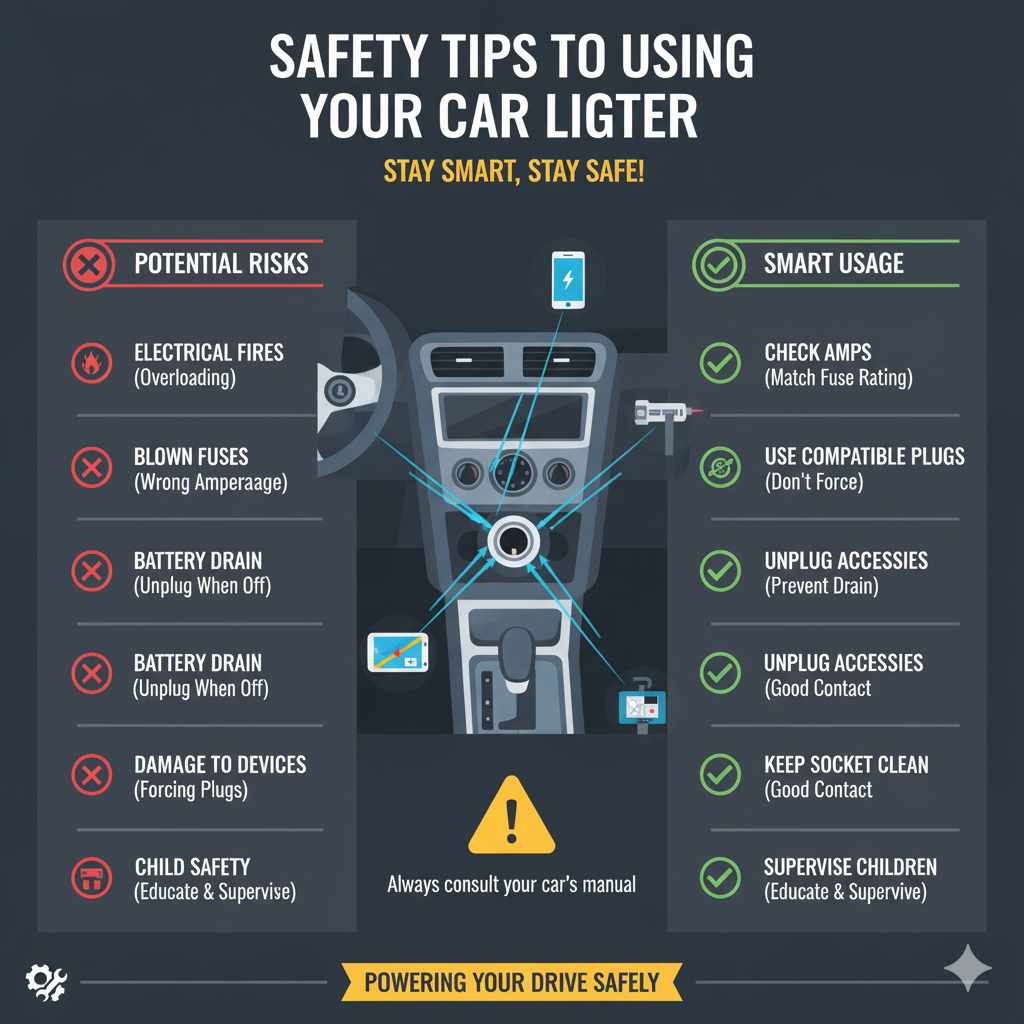
Safety Tips for Using Your Car Lighter
While a convenient feature, safety should always be your top priority when using your car’s lighter socket.
- Never Force It: If an accessory plug doesn’t fit easily, don’t force it. You could damage the socket or the accessory’s plug.
- Use the Correct Fuse: Always replace a blown fuse with one of the exact same amperage. Using the wrong fuse can lead to electrical fires or damage to your car. For more on automotive safety standards, the National Highway Traffic Safety Administration (NHTSA) offers extensive safety information for vehicles.
- Don’t Overload: Be aware of the car’s electrical limits. If you’re running multiple high-draw accessories, you might exceed the capacity of the circuit, even with the correct fuses.
- Disconnect When Not Needed: For devices you don’t need constantly powered (like phone chargers), it’s good practice to unplug them when the car is off to prevent any potential drain on the battery, especially if the accessory has a small standby current draw.
- Keep it Clean: Regularly check the socket for debris to ensure good electrical contact and prevent overheating.
- Supervise Children: If you have children in the car, educate them about the function of the lighter socket and ensure they do not play with it, especially when it’s hot.
Frequently Asked Questions (FAQ)
What is the main purpose of a car cigarette lighter?
Originally, its main purpose was to provide a simple, high-heat element for lighting cigarettes while driving. Today, its socket serves as a versatile 12-volt power outlet for various car accessories.
How long does it take for a car cigarette lighter to heat up?
Typically, a car cigarette lighter element heats up significantly within 5 to 10 seconds, becoming hot enough to ignite a cigarette.
Can I use a cigarette lighter adapter to charge my phone?
Yes, you can use a special adapter that plugs into the cigarette lighter socket and provides USB ports for charging your phone and other electronic devices. These are commonly available at auto parts stores and online.
What happens if I use the wrong amperage fuse?
Using a fuse with a higher amperage rating than specified can overload the car’s wiring, potentially causing damage to the electrical system or even starting a fire. Using a fuse with a lower rating will likely just cause it to blow immediately, rendering the circuit useless.
Why won’t my cigarette lighter socket power my device, but the lighter element does heat up?
This suggests the fuse and the main power supply to the socket are working. The issue might be with the device’s plug, the car’s specific circuit for accessories (which might have a different amperage limit than the direct lighter function), or a clogged/damaged socket preventing proper contact for the accessory.
Is it safe to leave a USB adapter plugged into the cigarette lighter socket when the car is off?
For most modern adapters, the power draw when the car is off is very minimal. However, if you notice your battery draining faster than usual, it’s a good idea to unplug any accessories when the car is not in use, especially for longer periods.
What is the difference between a cigarette lighter socket and a 12V accessory outlet?
In many cars, they are one and the same. The ‘lighter socket’ refers to the physical port designed to accept the heating element. When used with other accessories, it acts as a 12V accessory outlet. Some vehicles might have separate accessory outlets with different fuse protection or amperage ratings.
Conclusion: A Small Part, A Big Convenience
So there you have it! The seemingly simple car cigarette lighter is a well-engineered device that utilizes basic electrical principles to provide quick heat. By understanding the role of the socket, the heating coil’s resistance, and the clever pop-out mechanism, you’ve gained valuable insight into your car’s inner workings. This knowledge not only satisfies curiosity but also empowers you to use your car’s features more effectively and troubleshoot common issues like a blown fuse.
From lighting cigarettes to charging your essential devices, the 12-volt socket has proven its worth and adaptability. Remember to always prioritize safety, use the correct fuses, and be mindful of your car’s electrical system limits. Now you can confidently use and understand this handy part of your car, making your driving experience a little bit easier and a lot more informed. Keep exploring and learning about your vehicle – it’s one of the best ways to stay prepared and confident on the road!