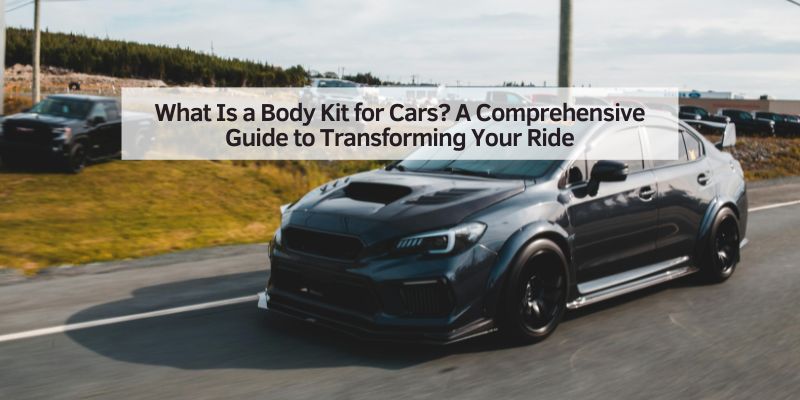
What Is a Body Kit for Cars? Types, Materials & Cost
A body kit is a set of aftermarket exterior parts — typically a front bumper, rear bumper, side skirts, and sometimes a spoiler or hood — that replace your car’s stock panels to change its look and, with aero-focused kits, its aerodynamics.
Prices range from under $200 for a simple lip kit to $5,000+ for a widebody setup, and the material you choose (fiberglass, polyurethane, ABS, or carbon fiber) matters as much as the style. After installing my first lip kit and later learning the hard way about fitment and legal ground-clearance rules, here’s everything I’ve learned about what body kits actually are, what they cost, and how to pick one that fits your car and your budget.
Quick Answer
A body kit is a set of aftermarket exterior panels — bumpers, side skirts, and sometimes a spoiler or hood — that replace a car’s stock body parts. Lip kits start under $200; full body kits run $1,000-$3,000; widebody kits can exceed $5,000. Material (fiberglass, polyurethane, ABS, or carbon fiber) affects both durability and price.
Understanding the Basics of a Body Kit
So, what is a body kit for cars? In simple terms, a body kit is a collection of exterior modifications designed to change how your car looks and, in some cases, how it performs. Think of it as a makeover for your vehicle’s body. These kits typically include parts like front and rear bumpers, side skirts, spoilers, and sometimes even hoods or fender flares. When I first started exploring body kits, I pictured them as purely cosmetic upgrades, but I quickly learned they can do more than just make your car look cool.
Body kits are like the ultimate way to personalize your ride. Whether you want your car to look like it’s ready for a Hollywood action movie or perform better on the track, there’s a body kit out there for you. They’re popular among car enthusiasts who want to stand out at car meets or improve their vehicle’s aerodynamics for better handling. I’ve seen everything from sleek, subtle kits on daily drivers to wild, aggressive setups on show cars, and each one tells a unique story about the owner’s style.
Why Do People Install Body Kits?
When I first considered getting a body kit for my old Honda Civic, I wondered why people go through the effort and expense. After talking to friends and digging into forums, I realized there are a few key reasons why car lovers choose body kits.
First, there’s the aesthetic appeal. A body kit can completely transform your car’s appearance. Maybe you want your sedan to look sportier or your coupe to have a more aggressive stance. A well-designed body kit can make that happen. I remember seeing a Mustang with a widebody kit at a car show, and it looked like it could eat the road for breakfast. It was love at first sight!
Second, body kits can improve performance. Some kits are designed with aerodynamics in mind, reducing drag or increasing downforce to keep your car glued to the road at high speeds. When I started learning about this, I was amazed at how much science goes into these designs. It’s not just about looking good—it’s about making your car handle better, especially if you’re into racing or spirited driving.
Finally, there’s the personal touch. Installing a body kit is a way to make your car uniquely yours. I’ve always believed that cars are an extension of our personalities, and a body kit lets you express yourself in a big way. Whether it’s a subtle lip spoiler or a full-on widebody setup, it’s your chance to say, “This is me.”
Best Body Kit Starter Pick
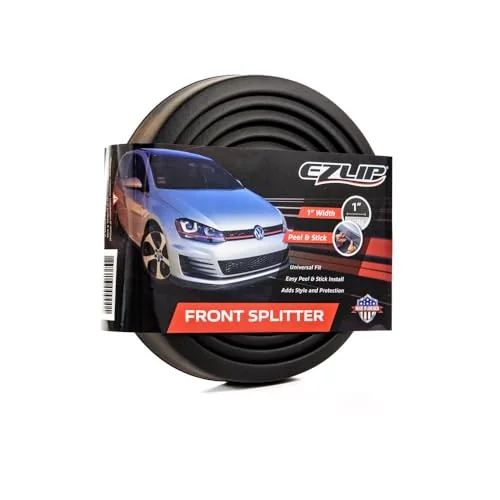
EZ Lip Universal Front Bumper Lip Spoiler
Our top pick for first-timers because it’s a low-cost, no-drilling entry point into body kits — exactly the lip-kit category most beginners should start with.
View Our Pick on Amazon
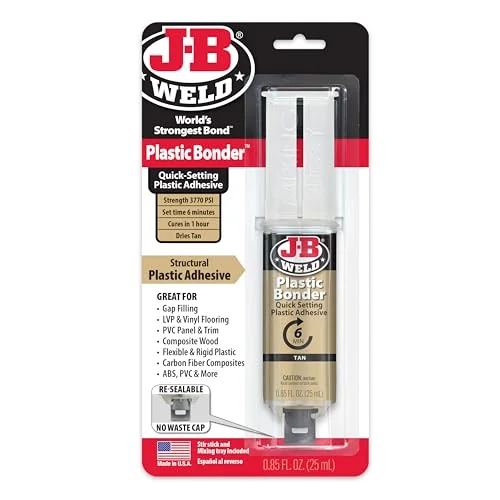 Plastic Bonder Adhesive Best for: fixing a cracked fiberglass panel or bonding fitment gaps. Check on Amazon |
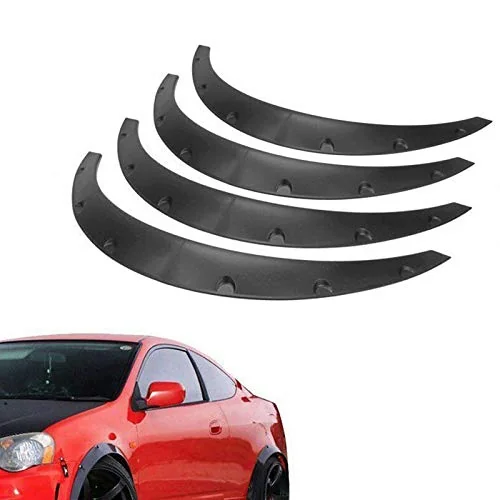 Universal Fender Flares Best for: a widebody-style stance without committing to a full widebody kit. Check on Amazon |
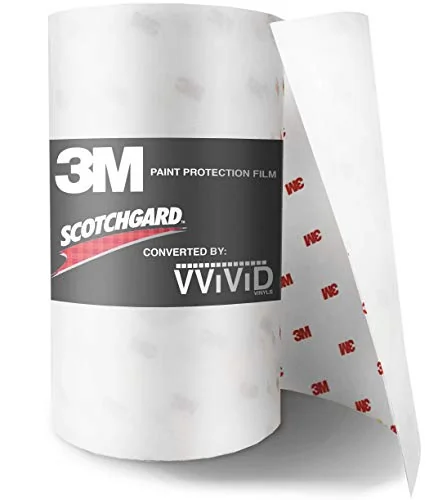 Clear Paint Protection Film Best for: protecting a freshly painted kit from rock chips and curb scrapes. Check on Amazon |
As an Amazon Associate we earn from qualifying purchases.
Types of Body Kits: Finding the Right Fit
Not all body kits are created equal, and I learned this the hard way when I almost bought a kit that wouldn’t fit my car properly. There are several types of body kits, each with its own purpose and style. Let’s break them down so you can figure out which one might be right for you.
Lip Kits
Lip kits are the simplest type of body kit. They usually include a front lip spoiler, side skirts, and a rear lip. These are great for beginners because they’re affordable and easy to install. When I was new to car mods, I started with a front lip spoiler for my Civic. It gave the car a lower, sportier look without breaking the bank. Lip kits are perfect if you want a subtle change that still turns heads.
Full Body Kits
Full body kits are the whole package. They typically include a front bumper, rear bumper, side skirts, and sometimes a spoiler or hood. These kits are designed to work together to give your car a cohesive, custom look. I’ve seen full body kits completely transform cars like Subarus and Nissans into something straight out of a video game. They’re more expensive and require professional installation, but the results are jaw-dropping.
Widebody Kits
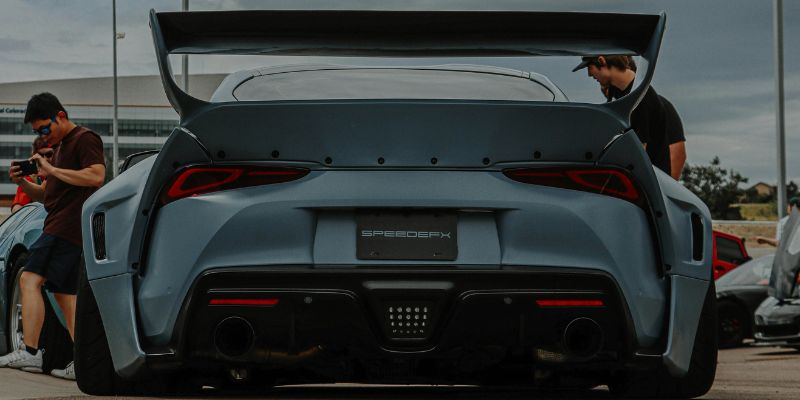
Widebody kits are for those who want to go big or go home. These kits widen your car’s stance by adding flared fenders and wider bumpers. They’re popular in the drift and stance communities because they allow for wider wheels and a more aggressive look. I remember drooling over a widebody BMW at a car meet—it looked like it was ready to dominate the track. These kits are a major commitment, though, so make sure you’re ready for the cost and maintenance.
Aero Kits
Aero kits are all about performance. They’re designed to improve your car’s aerodynamics, reducing drag and increasing downforce. If you’re into track days or autocross, an aero kit might be your best bet. I talked to a friend who races his Mazda Miata, and he swore by his aero kit for keeping his car stable at high speeds. These kits often include splitters, diffusers, and spoilers that are more about function than flash.
Here’s a quick table to sum up the types of body kits:
| Type | Purpose | Best For | Cost Range |
|---|---|---|---|
| Lip Kit | Subtle aesthetic upgrade | Beginners, daily drivers | $200–$800 |
| Full Body Kit | Complete aesthetic transformation | Show cars, enthusiasts | $1,000–$3,000 |
| Widebody Kit | Aggressive look, wider stance | Drift cars, stance builds | $2,000–$5,000+ |
| Aero Kit | Improved aerodynamics, performance | Track cars, performance drivers | $1,500–$4,000 |
Materials Used in Body Kits
When I started shopping for a body kit, I was overwhelmed by the different materials out there. Each one has its pros and cons, and choosing the right one depends on your budget and goals. Here’s what I’ve learned about the most common materials.
Fiberglass
Fiberglass is the most popular and affordable material for body kits. It’s lightweight and easy to mold into complex shapes, which is why you’ll see it on a lot of aftermarket kits. My first body kit was fiberglass, and while it looked great, I noticed it was prone to cracking if I hit a steep driveway. It’s a solid choice if you’re on a budget, but you’ll need to handle it with care.
Polyurethane
Polyurethane is a bit more expensive but more durable than fiberglass. It’s flexible, so it’s less likely to crack if you bump into something. I’ve heard from friends that polyurethane kits are easier to install because they’re more forgiving with fitment. If you drive your car daily, polyurethane might be worth the extra cost for its toughness.
Carbon Fiber
Carbon fiber is the premium choice. It’s super lightweight, strong, and looks incredible with its signature woven pattern. I’ve always dreamed of a carbon fiber hood for my car, but the price tag made me think twice. It’s perfect for performance builds or show cars, but it’s not the most budget-friendly option.
ABS Plastic
ABS plastic is another durable option, often used in factory-style body kits. It’s tough, resistant to impacts, and holds up well in different weather conditions. I’ve seen ABS kits on a lot of OEM-style upgrades, and they’re great if you want something that lasts without the high cost of carbon fiber.
Each material has its trade-offs, so think about how you use your car and what you’re willing to spend. If you’re just starting out, fiberglass or polyurethane is probably your best bet.
How Body Kits Are Installed
Installing a body kit can be a fun project, but it’s not always a walk in the park. I learned this when I tried to install a front lip spoiler myself and ended up with a crooked fit. Here’s a quick rundown of what the installation process looks like.
For simple parts like a lip spoiler, you might be able to do it yourself with basic tools. Most kits come with instructions, and you’ll need things like screws, adhesive, or double-sided tape. I found that watching YouTube tutorials helped me get the hang of it. However, for full body kits or widebody setups, I’d strongly recommend going to a professional. The fitment needs to be perfect, and you might need to modify your car’s frame or fenders, which requires expertise.
One thing I wish I’d known earlier is the importance of pre-fitting. Before you paint or permanently attach the kit, test-fit every piece to make sure it lines up with your car. Trust me, it saves a lot of headaches. Also, make sure you have your kit painted to match your car’s color for a seamless look. I took my kit to a local shop, and they did an amazing job blending it with my car’s factory paint.
The Cost of Body Kits: What to Expect
Let’s talk money. Body kits can range from a couple hundred bucks to several thousand, depending on the type, material, and brand. When I was budgeting for my first kit, I was shocked at how quickly costs added up. Here’s a rough breakdown based on my research and experience.
- Lip Kits: These are the most affordable, usually costing between $200 and $800. Installation is often DIY-friendly, so you can save on labor.
- Full Body Kits: Expect to spend $1,000 to $3,000 for a quality kit. Professional installation can add another $500 to $1,500.
- Widebody Kits: These are a big investment, ranging from $2,000 to $5,000 or more. Installation costs are higher because of the complexity.
- Aero Kits: Performance-focused kits can cost $1,500 to $4,000, depending on the components and materials.
Don’t forget to factor in painting, which can cost $500 to $2,000 depending on the shop and the kit’s size. I learned to shop around for deals on sites like eBay or directly from manufacturers, but always check reviews to avoid low-quality kits.
Pros and Cons of Body Kits
Like anything, body kits have their upsides and downsides. Here’s what I’ve found after diving into this world.
Pros
- Enhanced Style: A body kit makes your car stand out. It’s like giving your ride a new personality.
- Improved Performance: Aero kits can make your car handle better, especially at high speeds.
- Customization: You get to create a car that’s uniquely yours. It’s a creative outlet for car lovers.
- Increased Resale Value: A well-installed, high-quality kit can boost your car’s appeal (though this depends on the buyer).
Cons
- Cost: Between the kit, installation, and painting, it’s not a cheap mod.
- Fitment Issues: Some kits, especially cheaper ones, don’t fit perfectly and require extra work.
- Maintenance: Fiberglass kits can crack, and all kits need regular cleaning to stay looking good.
- Legal Issues: Some kits lower your car too much or include parts that aren’t street-legal, so check local laws.
I’ve found that the pros outweigh the cons if you do your homework and choose a kit that fits your goals and budget.
How to Choose the Right Body Kit for Your Car
Picking the right body kit can feel overwhelming, but I’ve got some tips to make it easier. First, decide what you want: style, performance, or both. If you’re all about looks, a lip or full body kit might be enough. If you’re hitting the track, go for an aero kit.
Next, make sure the kit is compatible with your car’s make and model. I made the mistake of assuming a “universal” kit would fit my car, and it was a nightmare to install. Check the manufacturer’s specs or talk to a professional.
Also, consider your lifestyle. If you drive over speed bumps or rough roads, a low-riding kit might not be practical. I learned this after scraping my front lip one too many times! Finally, set a budget and stick to it. It’s easy to get carried away when you see a slick carbon fiber kit, but there are great options at every price point.
My Personal Experience with Body Kits
When I first got into body kits, I was nervous about messing up my car. But after installing a simple lip kit on my Civic, I was hooked. It wasn’t just about the look—it was the feeling of making my car my own. I spent hours researching kits, watching install videos, and talking to other enthusiasts. The first time I drove my car with the new kit, I couldn’t stop smiling. It felt like a brand-new ride.
Since then, I’ve experimented with different kits and learned what works for me. I’ve also made mistakes, like buying a cheap fiberglass kit that cracked after a month. But every step of the journey has taught me something new, and I love sharing that knowledge with others.
Conclusion
After diving deep into the world of body kits, I can honestly say they’re one of the most exciting ways to personalize your car. Whether you’re chasing a head-turning look or better performance on the track, a body kit lets you take your ride to the next level. From my first lip spoiler to dreaming about a full widebody setup, I’ve seen firsthand how these mods can transform not just your car but also your connection to it. It’s about expressing who you are and turning your vehicle into something that feels like an extension of yourself.
If you’re thinking about getting a body kit, take your time to research and choose one that fits your style, budget, and driving needs. It’s an investment, but the joy of driving a car that’s uniquely yours is worth every penny. So, go out there, explore your options, and make your car the star of the show. I can’t wait to hear about your journey—maybe I’ll see you at a car meet with a killer new body kit!
FAQs
What is the difference between a body kit and a spoiler?
A body kit is a set of exterior modifications, like bumpers, side skirts, and spoilers, designed to change your car’s look or performance. A spoiler, on the other hand, is just one part of a body kit, typically a single piece mounted on the rear of the car to improve aerodynamics by reducing lift. Think of a spoiler as a small piece of the puzzle, while a body kit is the whole picture.
Are body kits legal to install on my car?
It depends on where you live. Most body kits are legal, but some can cause issues if they make your car too low, obstruct lights, or include sharp edges. I always check my local laws before installing a kit to avoid fines or failing inspections.
Data Callout: Real State-Level Body Kit Rules
| Florida | Bumper height capped at 22 in. (under 2,500 lbs) or 26 in. (heavier) |
| Virginia | Passenger vehicle bumpers must sit 14-22 in. above the ground |
| California | 5 in. maximum for body/suspension lift kits |
| Most states | Headlights capped at 54 in. from the ground (glare prevention) |
Rules vary this much state to state, so a kit that’s fine in one state can fail inspection in another — always check your own state’s DMV or vehicle code before lowering your car.
State vehicle codes generally set bumper-height and lighting limits under Federal Motor Vehicle Safety Standards guidance, but enforcement specifics — like Florida’s exact 22-inch/26-inch split by vehicle weight — are written into each state’s own statute, which is why “is this legal” always comes down to your specific state, not a single national rule.
Can I install a body kit myself?
Yes, if you’re handy and the kit is simple, like a lip spoiler. I installed my first lip kit with basic tools and some YouTube tutorials. But for full body kits or widebody setups, I’d recommend a professional unless you’re experienced. Fitment can be tricky, and a bad install can ruin the look or even damage your car.
Do body kits improve a car’s performance?
Some do, especially aero kits designed to reduce drag or increase downforce. I’ve talked to racers who say their aero kits make a noticeable difference on the track. But if you’re just getting a lip or full body kit for looks, it probably won’t boost performance much. Always check if the kit is designed for aerodynamics if that’s your goal.
How do I maintain a body kit?
Maintaining a body kit is pretty straightforward but takes care. I wash mine regularly to keep dirt from building up, especially in crevices. For fiberglass kits, I’m extra careful to avoid cracks by not hitting curbs or steep driveways. If your kit is painted, waxing it helps protect the finish. Also, check for loose screws or damage after long drives to keep everything secure.
Products related to this article
Sponsored / affiliate links. As an Amazon Associate I earn from qualifying purchases. I may earn additional commission from eligible campaigns.