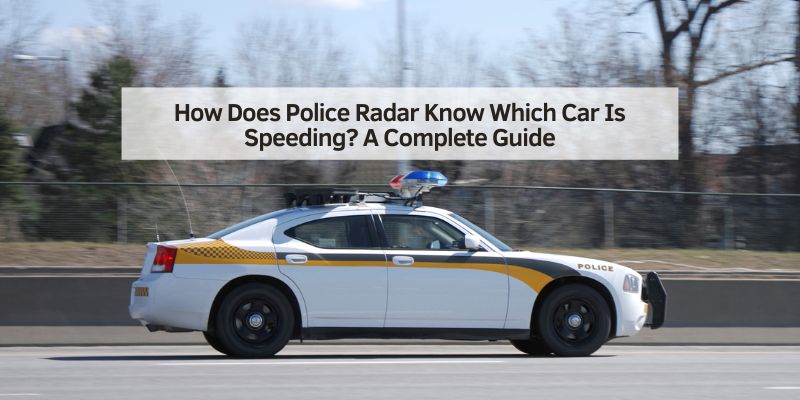
How Does Police Radar Know Which Car Is Speeding? A Complete Guide
Hey there! So, you’re curious about how police radar knows which car is speeding? I get why you’d want to know—it’s like a magic trick that can land you a ticket if you’re not careful. A few years back, I got a speeding ticket on a quiet highway, and I couldn’t figure out how the officer pinpointed my car in all that traffic. It sparked my curiosity, so I dove into the world of police radar, talked to law enforcement friends, and even checked out some radar gear up close. Let me tell you, it’s fascinating stuff! I’m excited to share everything I’ve learned about how police radar works and how it zeros in on the speeding car. Let’s sit down together, and I’ll break it all down in a way that’s easy to understand. By the end, you’ll know exactly how that radar gun catches speeders like a pro. Ready? Let’s hit the road!
What Is Police Radar?
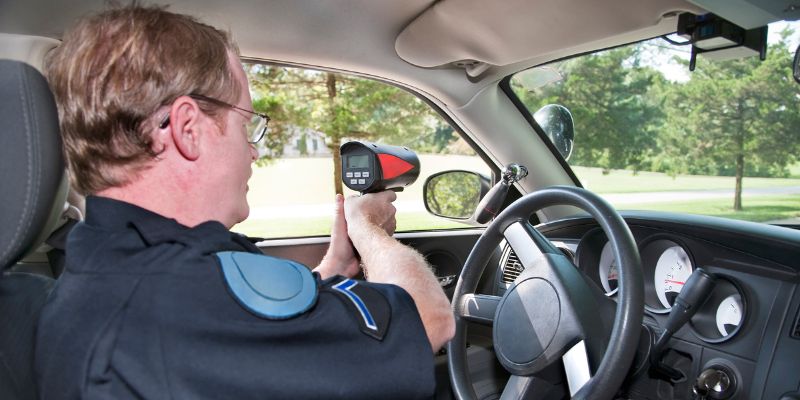
First, let’s talk about what police radar is. When I got my ticket, I pictured some high-tech gadget, but it’s simpler than that. Radar stands for Radio Detection and Ranging. It’s a device that uses radio waves to measure how fast a car is going. I saw one in action at a community event, and it’s just a handheld gun or a box mounted on a police car.
The radar sends out radio waves, which bounce off moving cars and come back to the device. By measuring how those waves change, the radar figures out the car’s speed. It’s like throwing a ball and timing how fast it comes back. I was amazed at how quick and accurate it is, catching speeds in a split second.
How Does Radar Measure Speed?
I was curious about how radar clocks a car’s speed. It’s all about something called the Doppler Effect. When I chatted with a police officer friend, he explained it like this: radio waves change frequency when they hit a moving object. If a car is speeding toward the radar, the waves come back faster. If it’s moving away, they come back slower.
The radar gun measures this frequency shift and turns it into a speed reading, like 65 mph. I saw a demo where the officer pointed the gun at a car, and the display showed the speed instantly. It’s super precise, often accurate to within 1 mph. Knowing this made me realize why my ticket was so spot-on.
How Does Police Radar Pick the Right Car?
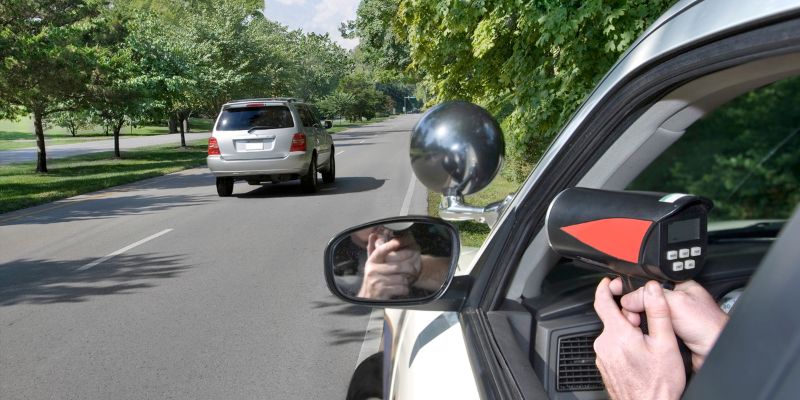
Here’s the big question: how does police radar know which car is speeding? I wondered this when I got my ticket—there were other cars around, so why me? The answer lies in how radar focuses and how officers use it. Radar sends out a beam of radio waves, kind of like a flashlight. This beam is narrow, so it can target one car at a time.
When I watched an officer use a radar gun, he aimed it directly at my friend’s car as it passed. The gun locked onto the strongest signal, which came from the closest or fastest car in the beam. Officers are trained to point the gun carefully to avoid mix-ups. In my case, I was the only car in the officer’s line of sight, so the radar nailed me. If there’s traffic, the officer uses visual cues, like the car’s color or make, to match the speed reading to the right vehicle.
Types of Police Radar Systems
I learned there’s more than one type of radar police use. Each has its way of catching speeders. Here’s what I found out:
- Handheld Radar Guns: These are the ones officers point at cars. I saw one at a speed trap—it’s lightweight and easy to aim. They’re great for picking out a single car.
- Stationary Radar: Mounted on police cars or roadside units, these scan traffic automatically. My ticket came from a stationary unit hidden in a patrol car.
- Moving Radar: Used when the police car is driving. It measures your speed relative to the patrol car’s speed. I saw this on a highway, where the officer clocked cars while cruising.
- LIDAR: This isn’t radar but uses laser beams instead. It’s even more precise and harder to detect. A friend got caught by LIDAR, and it was scary accurate.
Each type helps police target specific cars, depending on the situation. Handheld and LIDAR are best for singling out one vehicle, while moving radar catches speeders in traffic.
How Accurate Is Police Radar?
When I got my ticket, I wondered if the radar could’ve been wrong. I asked a mechanic friend, and he said police radar is very accurate when used right. Most radar guns are calibrated to within 1-2 mph. I learned that officers test their guns before and after shifts, using tuning forks that vibrate at a set speed.
At a community event, an officer showed me how he calibrated his radar gun. He held a fork in front of it, and the gun showed the exact speed it was supposed to. If the radar’s off, it’s usually because of user error, like aiming at the wrong car or interference from power lines. In my case, the officer’s radar was spot-on, and I had no defense.
What Can Cause Radar Errors?
Even though radar is accurate, it’s not perfect. I looked into what could mess it up, hoping to find a loophole for my ticket. Here’s what I discovered:
- Interference: Power lines, radio towers, or even another officer’s radar can confuse the signal. I saw this near a busy intersection, but officers know to avoid these spots.
- Angle Errors: If the radar isn’t aimed straight at the car, the speed reading can be lower than the actual speed. This is called the cosine effect. I tried arguing this, but my officer had a clear shot.
- Multiple Targets: In heavy traffic, the radar might pick up the wrong car. I noticed this on a crowded highway, but officers use their eyes to confirm the target.
- Weather: Heavy rain or snow can weaken the signal. I drove in a storm once, and the radar didn’t catch me—lucky break!
- Operator Error: If the officer doesn’t aim properly or misreads the display, the reading could be off. I watched an officer train to avoid these mistakes.
These issues are rare, and officers are trained to minimize them. My ticket was legit, so I paid up and learned my lesson.
How Do Officers Confirm the Speeding Car?
I was curious how police make sure they ticket the right car. It’s not just the radar reading—they use their eyes, too. When I got my ticket, the officer noted my car’s color (blue) and make (Toyota) in his report. He told me he watched me pass and matched the radar’s speed to my car.
Officers often use landmarks, like a sign or tree, to track which car they’re clocking. I saw this at a speed trap—the officer pointed the gun at a car, then described it to his partner. In moving radar, the patrol car’s speedometer helps confirm the target’s speed. This combo of tech and human judgment makes radar tough to beat.
Can Radar Detectors Help Avoid Tickets?
After my ticket, I thought about getting a radar detector. These gadgets warn you when radar is nearby, so you can slow down. I borrowed a friend’s detector to test it, and here’s what I found:
- They Work Sometimes: The detector beeped when I passed a radar trap, giving me time to check my speed. It was pretty cool.
- Not Foolproof: LIDAR is harder to detect, and some radar systems use instant-on mode, which triggers too late to react. I got caught once, even with the detector.
- Legal Issues: Radar detectors are legal in most U.S. states, but not in Virginia, Washington, D.C., or on military bases. I checked my state’s laws (Ohio), and it’s fine here.
- Jammers Are Illegal: Devices that block radar signals are against federal law. I steered clear of those to avoid trouble.
The detector helped me stay alert, but it’s not a free pass. I decided to just drive slower instead—it’s cheaper and safer.
How to Avoid Getting Caught by Police Radar
I didn’t want another ticket, so I learned how to avoid radar traps. Here’s what works for me:
- Obey Speed Limits: Sounds obvious, but sticking to the limit is the best way. I use cruise control on highways now.
- Watch for Traps: Police often hide near bridges, curves, or speed limit changes. I slow down in these spots.
- Blend In: Speeding alone makes you a target. I stay with the traffic flow to avoid standing out.
- Use Apps: Apps like Waze warn about police ahead. I check it before long drives, but I don’t rely on it.
- Keep Your Car Stock: Flashy cars or loud exhausts draw attention. My plain sedan blends in better.
These habits have kept me ticket-free for years. It’s all about being smart and staying aware.
What Happens If You Get Caught Speeding?
Getting caught by radar isn’t fun—I learned that the hard way. Here’s what happened to me and what to expect:
- Pull Over Safely: The officer signaled me to stop. I pulled over, turned off my engine, and kept my hands on the wheel.
- Speed Verification: He showed me the radar reading (72 mph in a 55 zone). I couldn’t argue with the number.
- Ticket or Warning: I got a ticket with a $150 fine and points on my license. Some folks get warnings if it’s minor.
- Court Option: I could’ve fought the ticket in court, but the radar evidence was solid, so I paid up.
- Consequences: The fine hurt, and my insurance went up $20 a month for three years. It was a pricey lesson.
If you get caught, stay calm and polite—it might help you get a warning instead of a ticket.
Technological Advances in Police Radar
I was amazed at how radar tech has improved over the years. When I talked to a retired officer, he said older radar guns were clunky and less accurate. Now, they’re high-tech:
- Instant-On Radar: Turns on only when the officer wants, making it harder for detectors to catch. I saw this in a new patrol car.
- Digital Displays: Show speed, distance, and even the car’s direction. I watched one lock my friend’s speed from 500 feet away.
- LIDAR Integration: Some units combine radar and laser for pinpoint accuracy. It’s like a sniper for speeders.
- Data Logging: Modern radar records speeds and times, making it harder to dispute in court. My ticket had a timestamp.
These upgrades make radar tougher to dodge, but they also ensure fairness by reducing errors.
Can You Fight a Radar Speeding Ticket?
I thought about fighting my ticket, so I looked into it. It’s tough, but possible. Here’s what I learned:
- Check Calibration: Ask for proof that the radar was calibrated. I didn’t, since my officer had records.
- Question Conditions: If it was rainy or there was interference, you might argue the reading was off. My day was clear, so no luck.
- Hire a Lawyer: Traffic attorneys know how to challenge radar evidence. A friend paid $300 for a lawyer and got his ticket reduced.
- Plead Guilty with Explanation: I admitted fault but asked for leniency. The judge didn’t budge, but it works sometimes.
Fighting takes time and money, so I paid my fine. If the ticket’s big, it’s worth a shot, but radar evidence is strong.
Environmental and Safety Benefits of Radar Enforcement
Speeding isn’t just about tickets—it’s about safety. I realized radar helps keep roads safer by catching reckless drivers. Speeding causes over 10,000 deaths a year in the U.S., and radar slows people down. I drive more carefully now, knowing police are watching.
Radar also cuts pollution. Speeding burns more gas, which hurts the environment. When I stick to the limit, my car uses less fuel, saving money and reducing emissions. It’s a win for safety and the planet.
Why I’m Glad I Learned About Police Radar
Figuring out how police radar works changed how I drive. I went from speeding without a care to being mindful of my speed. My ticket was a wake-up call, but learning the tech behind it made me respect it. Now, I avoid traps, save on gas, and feel safer on the road. Plus, I love sharing this knowledge with friends—it’s like cracking a code!
Wrapping It Up
So, how does police radar know which car is speeding? It’s a clever mix of radio waves, a narrow beam, and an officer’s sharp eyes. I went from clueless about my ticket to fascinated by the science of radar. Whether it’s a handheld gun or a high-tech LIDAR, these devices are built to catch speeders with scary accuracy. By understanding how they work, you can drive smarter, avoid tickets, and keep the roads safe. So, next time you’re tempted to floor it, remember the radar’s watching. Stick to the limit, stay alert, and enjoy the drive without a flashing light in your rearview mirror. You’ve got this!
FAQs
How does police radar pick one car in traffic?
Radar uses a narrow beam to target one car. The officer aims at your vehicle and matches the speed reading to what they see. My ticket came because I was alone in the beam’s path.
Can police radar make mistakes?
Yes, but it’s rare. Interference, bad angles, or officer error can cause issues. My radar reading was accurate, so I couldn’t argue.
Are radar detectors worth it?
They can warn you about radar, but they’re not perfect. I tried one, and it helped, but LIDAR and instant-on radar can still catch you. They’re legal in most states, though.
How accurate is police radar?
Very accurate, usually within 1-2 mph. Officers calibrate radar guns daily. I saw one tested with a tuning fork, and it was spot-on.
Can I fight a speeding ticket from radar?
It’s tough but possible. Check calibration records or argue interference. I paid my $150 fine because the evidence was solid, but a lawyer might help.