How Long Do Wraps Last On Cars? Lifespan & Care Tips
So, you’re thinking about wrapping your car. It’s a fantastic way to change up its look. Maybe you want a totally new color.
Or perhaps you’re aiming for a cool graphic design. It’s exciting! But then a big question pops up.
How long will this wrap actually stay on my car looking good?
You invest time and money. You want that fresh, sharp appearance to last. Nobody wants their new car wrap to start peeling or fading too soon.
It’s frustrating when something you paid for doesn’t meet your hopes. This is a common worry. Many car owners wonder about the real lifespan of vinyl wraps.
This guide is here to help. We’ll dive deep into what affects how long your car wrap lasts. We’ll also share practical tips.
These tips will help you make your wrap look amazing for as long as possible. You’ll learn what’s normal. You’ll also learn what you can do to keep it looking great.
The average lifespan of a quality car wrap is typically 3 to 7 years. However, this can vary greatly depending on the material used, installation quality, exposure to the elements, and how well the wrap is maintained. Proper care can significantly extend its life.
Understanding Car Wrap Lifespan
When we talk about how long a car wrap lasts, we mean its cosmetic life. This is how long it stays looking good and protects the original paint. It’s about the vinyl itself.
It’s also about the adhesive holding it on.
Several things play a big part in this. Think of it like looking after your car’s paint job. Some things help it stay nice longer.
Others can speed up wear and tear.
The type of vinyl matters a lot. There are different grades and brands. Some are built for long-term use.
Others are more for short-term graphics. The manufacturer’s quality is also key. Reputable brands often invest more in research.
Then there’s the installation. This is super important. A professional installer knows how to prepare the surface.
They also know how to apply the vinyl smoothly. This means no bubbles or lifting. Poor installation can lead to early failures.
This is true even for the best vinyl.
Exposure to the sun is a big factor. UV rays can break down the vinyl. They can cause it to fade.
They can also make it brittle over time. Cars parked outside all day will likely see their wraps age faster.
Weather plays a role too. Extreme heat can soften the adhesive. Extreme cold can make the vinyl stiff.
Heavy rain and snow can wash away protective coatings if they are present. Dirt and grime can also etch into the vinyl if not cleaned off.
Driving habits matter. If you often drive off-road, your wrap will face more debris. Stone chips can damage the vinyl.
Frequent washing, especially with harsh chemicals or abrasive tools, can also reduce its lifespan. Even the car wash you choose makes a difference.
These factors combine to give you a range. You might see a wrap last only 1-2 years. Or, with perfect care and in ideal conditions, it could last up to 10 years.
But for most people, the 3-7 year range is a good expectation.
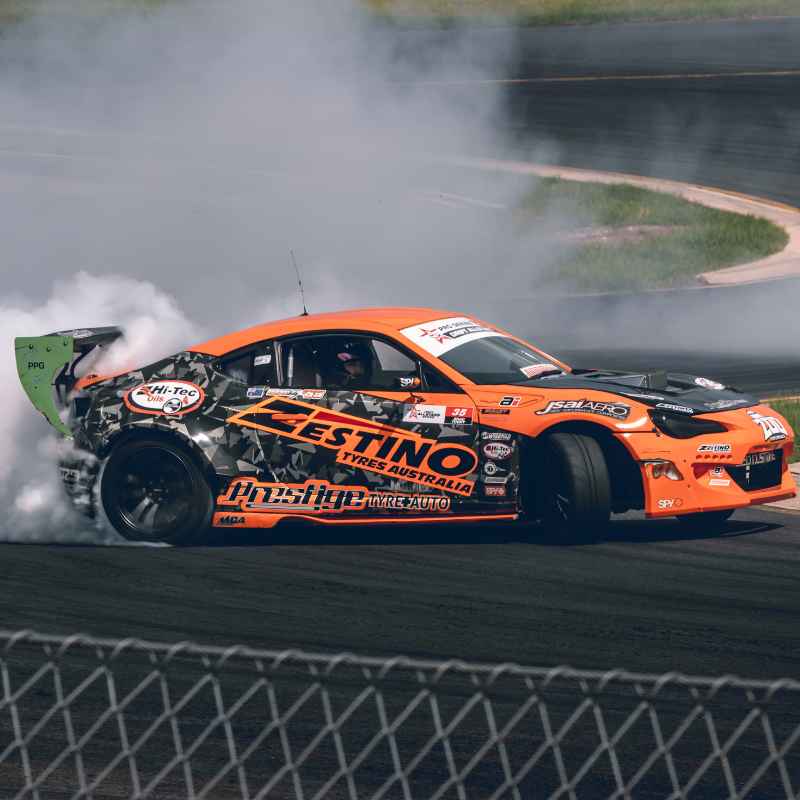
The Vinyl Itself: Types and Quality
Not all car wrap vinyl is made the same. This is one of the most crucial elements dictating lifespan. Think of it like choosing between a cheap raincoat and a Gore-Tex jacket.
Both keep you dry, but for different lengths of time and in different conditions.
Most car wraps use cast vinyl. This type is made by pouring liquid vinyl onto a liner. It’s then cured.
Cast vinyl is very conformable. It can stretch and mold to the curves of a vehicle easily. This makes it ideal for full vehicle wraps.
It’s also known for its durability.
Another type is calendered vinyl. This is made by pressing vinyl through rollers. It’s often cheaper.
However, it’s less conformable. It’s more prone to stretching and shrinking over time. It’s usually better for simpler applications like flat surfaces or basic graphics.
It’s not the best choice for a full car wrap if you want longevity.
Within cast vinyl, there are different qualities. Manufacturers like 3M, Avery Dennison, and KPMF offer lines. These lines range from standard to premium.
Premium films often have enhanced UV protection. They might also have special topcoats. These topcoats help resist scratching and dirt.
They can also make cleaning easier.
A wrap that costs less upfront might be using a lower-grade vinyl. This vinyl might not have the same resilience. It could fade faster.
It might crack or peel much sooner than a premium film. So, the initial cost often reflects the expected lifespan and performance.
For a wrap intended to last 5+ years, you should be looking at high-quality cast vinyl. Brands often advertise their films with expected outdoor durability ratings. These ratings are usually for unprinted, vertical applications.
This means on a car door, not a flat billboard exposed to harsh weather.
Consider the finish too. Glossy finishes can sometimes show minor imperfections more. Matte or satin finishes can hide some wear but might be harder to clean.
Some special finishes, like chrome or brushed metal, can be more delicate. They might have shorter lifespans due to their construction.
Choosing the right vinyl is the first step to a long-lasting wrap. It’s worth discussing options with your installer. Ask about the specific product being used.
Ask about its warranty and expected performance.
Vinyl Film Grades Explained
Premium Cast Vinyl:
- Best conformability and durability.
- Excellent UV resistance.
- Expected lifespan: 5-7+ years.
- Ideal for full vehicle wraps.
- Examples: 3M™ Controltac™ Graphic Film Series 1080, Avery Dennison® Supreme Wrapping™ Film.
Mid-Grade Cast Vinyl:
- Good conformability and decent durability.
- Moderate UV protection.
- Expected lifespan: 3-5 years.
- Suitable for partial wraps or graphics.
Economy Calendered Vinyl:
- Less conformable, prone to shrinking.
- Limited UV protection.
- Expected lifespan: 1-3 years.
- Best for short-term promotions or flat surfaces.
The Art of Installation: Setting the Foundation
Even the best vinyl wrap won’t last if it’s not installed correctly. Installation is more than just sticking on a big sticker. It’s a craft.
It requires skill, patience, and the right tools.
A professional installer starts with proper vehicle preparation. This is critical. The car’s surface must be perfectly clean.
Any wax, grease, or dirt will prevent the adhesive from bonding. Even tiny specks of dust can cause a bubble later on.
They also inspect the paint. Minor scratches might be okay. Deep gouges or rust spots can cause problems.
The vinyl won’t lie flat over them. This can lead to lifting at the edges. Sometimes, minor paint correction is needed before wrapping.
During application, installers use heat guns and squeegees. They carefully stretch the vinyl. They work out air bubbles and conform it to curves.
They need to know when to apply heat and how much. Too much heat can damage the vinyl or make it shrink. Too little heat means it won’t stretch properly.
Edges are important. Installers often wrap edges around door jambs or into panel gaps. This creates a seamless look.
It also seals the edges. This helps prevent dirt and moisture from getting underneath. This lifting is a common failure point for poorly installed wraps.
A common mistake for DIY installers or inexperienced shops is rushing. They might not spend enough time on prep. They might try to lay large pieces too quickly.
This leads to trapped air. It can result in visible imperfections.
The quality of the adhesive is also part of the installation. Good vinyl films have high-quality adhesives. These are designed to stick well but also be removable without damaging the paint.
A cheap wrap might use a less robust adhesive. It might fail prematurely or be a nightmare to remove.
The installer’s experience directly impacts the wrap’s lifespan. They understand the nuances of different vinyls. They know how to handle complex curves on bumpers, mirrors, and spoilers.
A well-installed wrap looks factory-finished. It also performs better over time.
Look for installers with good reviews. Ask to see examples of their work. Ask them about their process.
A good installer will be happy to explain it. They will often offer a warranty on their workmanship.
Signs of Poor Installation
- Bubbles and Wrinkles: Visible trapped air or creases in the vinyl.
- Lifting Edges: Vinyl peeling away from the surface, especially at seams or curves.
- Orange Peel Texture: Uneven stretching that makes the surface look bumpy.
- Visible Seams: Where panels meet, the wrap doesn’t overlap or seal correctly.
- Too Much Heat Damage: Vinyl looks stressed, discolored, or has lost its sheen.
Impact: Leads to premature failure, poor aesthetics, and potential paint damage when removed.
Environmental Factors: The Sun, Rain, and Shine
Your car’s environment is a constant battle for your wrap. The biggest enemy? The sun.
Its powerful UV rays are relentless. They are like a slow-motion bleach for the vinyl.
UV radiation breaks down the polymers in the vinyl. This causes fading. It also makes the vinyl brittle.
Over time, a wrap exposed to constant sun might start to crack. It can also become difficult to remove. The adhesive can bake onto the paint.
If your car spends most of its life parked outside, especially in sunny climates like Arizona or Southern California, your wrap will experience more stress. A garage is your wrap’s best friend. Parking in the shade helps immensely.
Extreme temperatures also take their toll. In scorching heat, the vinyl can expand. The adhesive can soften.
This might cause slight lifting or stretching. In freezing temperatures, the vinyl becomes less flexible. It can be more prone to chipping or cracking if hit by something.
Consider where you live. If you are in an area with harsh winters, think about snow and ice. The salt used on roads can be corrosive.
It can get into any tiny imperfections in the wrap. Moisture can also seep under edges if they aren’t perfectly sealed.
Washing your car is necessary, but how and where matters. Automatic car washes can be rough. The brushes can scratch the vinyl.
The high-pressure jets can sometimes lift edges. Hand washing is always a gentler option.
Dirt, mud, and road grime are more than just unsightly. They can contain chemicals. These chemicals can etch into the vinyl surface.
If left for too long, they can cause permanent staining or dullness. Regular cleaning is key to preventing this.
Think about tree sap. It’s sticky and hard to remove. If left on the wrap, it can harden.
It can also pull the finish off the vinyl when you try to remove it. Bird droppings are also acidic and can damage the wrap if not cleaned quickly.
The location where you park matters. Are you near industrial areas? Pollution can settle on your car.
Are you under trees? Sap and falling leaves can be an issue. Is it a dusty environment?
Dust can become abrasive when the car is wiped down.
The environment is something you can’t entirely control. But you can mitigate its effects. Garage parking, shade, and regular cleaning are your best defenses.
Environmental Impact Chart
| Environmental Factor | Effect on Wrap Lifespan | Mitigation Strategy |
|---|---|---|
| UV Radiation (Sunlight) | Fading, embrittlement, cracking, adhesive degradation. | Garage parking, shaded parking, UV protectant sprays (use cautiously). |
| Extreme Heat | Softened adhesive, potential stretching/lifting. | Avoid prolonged direct sun exposure, park in shade. |
| Extreme Cold | Vinyl becomes brittle, increased risk of chipping. | Avoid harsh impacts, allow vinyl to warm before washing. |
| Road Salt & Chemicals | Corrosion, etching, potential to weaken adhesive. | Regular washing, rinse thoroughly. |
| Dirt & Grime | Etching, staining, abrasive surface when wiped. | Frequent washing with mild soap. |
| Tree Sap & Bird Droppings | Staining, surface damage, potential to lift vinyl. | Clean immediately. |
Driving Habits and Usage: The Wear and Tear Factor
How you use your car directly impacts how your wrap wears. It’s not just about sitting pretty. If your car is your daily driver, it’s going to experience more wear than a weekend cruiser.
Stone chips are a major concern. Driving on highways means encountering debris kicked up by other vehicles. Small rocks and pebbles can hit the vinyl with significant force.
This can cause nicks and tears. These can then lead to edges lifting and water getting underneath.
Off-roading is particularly harsh. Dirt, sand, and branches can all scratch and tear the vinyl. If you plan on taking your wrapped vehicle off the beaten path regularly, you might want to consider a paint protection film (PPF) over the wrap.
Or, accept that the wrap’s lifespan will be significantly shorter.
The type of washing you do makes a big difference. As mentioned, automatic car washes with brushes are a no-go for long-term wrap care. These brushes are abrasive.
They can cause micro-scratches. These scratches dull the finish. Over time, they can even start to lift the edges of the vinyl.
Using harsh chemicals during washing can also be damaging. Acidic or alkaline cleaners can strip away protective layers or degrade the vinyl itself. Always use a pH-neutral car shampoo.
Always use a soft microfiber wash mitt.
Pressure washers can be used carefully. But if you aim them too close to edges or seams, you can force water underneath. This can loosen the adhesive.
It can also create a starting point for peeling.
Parking also matters. If you squeeze into tight parking spots often, you risk side-swipes. These can scratch or tear the wrap.
Door dings from adjacent cars are also a risk. A little extra space around your vehicle can prevent many minor damages.
Consider where you fill up your gas tank. If the pump handle swings and hits your car frequently, it can scratch the wrap. Small details like this add up over time.
Commercial use can also shorten lifespan. Delivery vehicles, taxis, or ride-share cars are constantly in use. They face more exposure to dirt, weather, and minor impacts.
They might also be washed more frequently, often in commercial settings that aren’t gentle.
Think about the wrap as a protective layer. It’s not indestructible. It needs to be treated with care, especially if you want it to look its best for its expected lifespan.
Quick-Scan Usage Tips
- Avoid Automatic Brush Washes: Opt for touchless washes or hand wash.
- Gentle Cleaning: Use microfiber mitts and pH-neutral soap.
- Careful with Pressure Washers: Keep a safe distance from edges.
- Mindful Parking: Leave extra space to avoid door dings.
- Watch for Debris: Avoid areas with lots of loose gravel or construction.
The Role of Maintenance: Caring for Your Car Wrap
This is where you have the most control. Proper maintenance is not just about keeping your car clean. It’s about actively preserving the vinyl and its adhesive.
Regular washing is the first line of defense. Aim to wash your car every 1-2 weeks. This prevents dirt from building up.
It removes contaminants that can etch the surface. Use a mild car soap and plenty of water. Rinse thoroughly.
Drying is also important. Use clean, soft microfiber towels. Pat the surface dry.
Avoid rubbing vigorously. This can cause micro-scratches. You can also use a leaf blower or a dedicated car dryer for a spot-free finish.
For stubborn spots like bug splatters or bird droppings, address them quickly. Use a dedicated vinyl wrap cleaner. Or, a mild, diluted car wash soap.
Avoid abrasive cleaners or solvents.
Waxing a vinyl wrap is a common question. Most manufacturers advise against traditional car waxes. Waxes can contain petroleum distillates or abrasives.
These can damage the vinyl or its finish. Instead, use a ceramic spray coating or a synthetic sealant designed specifically for vinyl wraps.
These protectants add a sacrificial layer. They offer UV protection and make the surface slick. This helps repel dirt and water.
They are also easier to apply than traditional waxes. They don’t fill the pores of the vinyl in a way that causes issues.
Some wraps have self-healing properties. Minor scratches can disappear when exposed to heat. This can be from sunlight or a gentle application of a heat gun.
However, this is limited to very light scratches. Deeper gouges won’t disappear.
Inspect your wrap regularly. Look for any signs of lifting, bubbling, or damage. If you spot a small problem, like a tiny bubble, you might be able to fix it.
Gently heating it with a hairdryer and smoothing it down can sometimes work. But be very careful not to overheat.
If you notice any edges starting to lift, address it immediately. A professional installer might be able to re-adhere it. Or, they can apply a sealant to prevent further lifting.
Delaying can lead to larger sections peeling.
For matte or satin finishes, be extra cautious. They can be more prone to absorbing oils and stains. They may also require specialized cleaners.
Always check the manufacturer’s recommendations for your specific wrap film.
Think of maintenance as an ongoing relationship with your car wrap. A little attention goes a long way. It helps maintain that stunning look for years.
Vinyl Wrap Care Cheat Sheet
Daily/Weekly:
- Wash: Use pH-neutral soap and microfiber mitts.
- Dry: Pat dry with clean microfiber towels.
- Inspect: Look for damage or lifting.
Monthly/As Needed:
- Spot Clean: Remove bug splatters, bird droppings immediately.
- Apply Protectant: Use a vinyl-specific ceramic spray or sealant.
Avoid:
- Abrasive Cleaners: Harsh chemicals, powders.
- Scrub Brushes: In automatic washes or by hand.
- Wax: Traditional car waxes unless specifically stated as safe.
Personal Experience: The Day My Wrap Went Rogue
I remember it clearly. It was a sweltering August day in Texas. My car, wrapped in a beautiful deep sapphire blue, had been my pride and joy for about three years.
I’d followed all the rules: garage parking, gentle washes, no automatic car washes. I thought I was in the clear.
I was driving home from a weekend trip. The sun beat down relentlessly. The air conditioning was working overtime.
As I pulled into my driveway, I noticed something odd. The driver’s side door seemed… duller. Then I saw it.
A faint, silvery haze was spreading across the blue.
Panic set in. It looked like the color was being leached out. I got out and ran my hand over it.
The surface felt strangely rough. It wasn’t a scratch. It was something deeper.
I immediately thought the worst. Had the vinyl just given up? Was it melting?
I spent the evening Googling frantically. Was it UV damage? Was it a chemical reaction?
I finally remembered a detail from about six months prior. A local car show I’d attended. There was a booth selling some kind of experimental car polish.
The salesman was very enthusiastic. He swore it was safe for all finishes. In a moment of weakness, I’d bought a bottle and used it once.
That polish, it turned out, contained something that reacted poorly with the vinyl’s topcoat. It hadn’t shown up immediately. But over months, combined with the Texas sun, it had slowly degraded the vinyl.
The “haze” was the top layer breaking down. It was a stark reminder that even subtle mistakes can have lasting consequences. And that “experimental” products are often best left untested on your prized wrap.
The good news? It wasn’t a complete loss. I contacted my installer.
They were able to buff out the worst of the haze. They then applied a high-quality ceramic coating specifically for wraps. It didn’t make it look brand new again.
But it stabilized it and made it usable for another year or so. It was a costly lesson. It taught me to stick to trusted products and methods.
And to always, always be wary of “miracle” car care products.
When It’s Normal and When to Worry
It’s helpful to know what signs indicate normal aging versus a problem that needs immediate attention. Not every little change means your wrap is failing.
Normal Aging:
- Slight Fading: Over 4-5 years, a slight dulling or fading is expected, especially if parked outside often.
- Minor Imperfections: Tiny, hairline scratches that are only visible in certain light.
- Softness in Heat: The vinyl might feel slightly softer or more pliable on a very hot day.
When to Worry:
- Visible Bubbles or Lifting: If you see air pockets forming or edges peeling away significantly, water and dirt can get under. This accelerates damage.
- Cracking or Chipping: This indicates the vinyl is becoming brittle. It’s likely past its prime or has been severely damaged.
- Significant Fading or Discoloration: If one panel looks drastically different from another, or the color has washed out, there’s a problem.
- Rough or Sticky Texture: If the surface feels sticky, gummy, or overly rough, it might be breaking down.
- Difficulty Removing: If the vinyl is starting to tear into tiny pieces when you try to clean a small edge, the adhesive is likely baked on.
If you notice any of the “when to worry” signs, it’s best to consult your installer. They can assess the damage. They can advise if a repair is possible or if it’s time for a replacement.
Acting early can sometimes prevent more widespread issues.
Wrap Health Check: Quick Guide
Normal Signs:
- Slight dulling after 3+ years.
- Minor swirls visible only up close.
- Vinyl feels slightly more flexible in extreme heat.
Concerning Signs:
- Large bubbles or peeling edges.
- Visible cracks or peeling chunks.
- Uneven color across the vehicle.
- Sticky or gummy surface.
Extending Your Wrap’s Life: Practical Tips
You’ve invested in a car wrap. You want it to look good for as long as possible. Here are some actionable tips to help you achieve that.
1. Park Smart:
- Always prioritize a garage or covered parking.
- If garage isn’t an option, park in the shade whenever possible.
- Avoid parking under trees that drop sap or fruit.
2. Gentle Washing Routine:
- Wash your car by hand using a soft microfiber wash mitt.
- Use a pH-neutral car wash soap.
- Rinse thoroughly to remove all soap residue.
- Dry with clean microfiber towels or a car dryer.
3. Avoid Harsh Cleaners:
- Never use abrasive cleaners, solvents, or degreasers on your wrap.
- For tough spots, use a dedicated vinyl wrap cleaner or a mild soap solution.
4. Protective Coatings:
- Apply a synthetic sealant or ceramic spray designed for vinyl wraps every 3-6 months.
- This adds a protective layer against UV rays and contaminants.
- It also makes cleaning easier.
5. Address Issues Quickly:
- If you notice any lifting edges, small bubbles, or scratches, deal with them immediately.
- A professional installer can often fix minor issues before they become major problems.
6. Be Mindful of Fueling:
- Wipe up any spilled gasoline immediately.
- Gasoline can damage and discolor vinyl wraps.
7. Consider Paint Protection Film (PPF):
- For high-wear areas like the front bumper, hood, or mirrors, PPF can add an extra layer of protection over the wrap.
- This is especially useful if you drive in areas prone to stone chips.
These steps might seem like extra work, but they are crucial. They help maintain the wrap’s aesthetic appeal. They also protect your investment.
A well-maintained wrap looks great and performs its protective function for years.
Top 5 Tips for Longevity
- Garage Parking: Your wrap’s best defense against the sun.
- Gentle Hand Washes: Protects the vinyl surface from abrasion.
- Vinyl-Specific Sealants: Adds UV protection and repels dirt.
- Immediate Spot Cleaning: Prevents permanent staining from sap or bugs.
- Regular Inspections: Catch minor issues before they grow.
Frequently Asked Questions
How long does a car wrap typically last?
A quality car wrap, made from premium cast vinyl and professionally installed, usually lasts between 3 to 7 years. This lifespan can be shorter or longer depending on the quality of the materials, installation, and how well it’s maintained and protected from the elements.
Can car wraps be repaired if damaged?
Yes, minor damage like small nicks or scratches can often be repaired. For larger issues like peeling or extensive damage, it might be more cost-effective to replace the affected panel or the entire wrap. Professional installers can assess the damage and advise on the best solution.
Will a car wrap damage my original paint?
When a car wrap is installed correctly on a factory-painted surface, it should not damage the paint. In fact, it can protect the original paint from minor scratches and UV damage. However, if the paint is already compromised (e.g., peeling clear coat, rust) or the wrap is removed improperly, damage can occur.
How do I clean a matte finish car wrap?
Matte finish wraps require special care. Always use a pH-neutral soap and a soft microfiber cloth. Avoid abrasive cleaners or polishes.
Many matte wraps recommend specific cleaning solutions. It’s best to consult the wrap manufacturer’s guidelines or your installer for the recommended cleaning products.
Is a car wrap more expensive than a paint job?
Generally, a full vehicle wrap is less expensive than a high-quality custom paint job. However, it’s more expensive than a basic, single-color repaint. Wraps offer a way to achieve unique finishes and colors that might be very costly with paint.
Can I pressure wash a wrapped car?
You can pressure wash a wrapped car, but you must be careful. Keep the nozzle at least 2-3 feet away from the surface, especially near edges and seams. Avoid directing the spray directly at any lifting areas.
High pressure can lift the edges and compromise the wrap’s seal.
Conclusion
So, how long do wraps last on cars? The answer really depends on a mix of factors. It’s about the vinyl quality, how it’s put on, and how you treat it afterward.
A good wrap can last many years.
By understanding these elements and taking simple steps for care, you can enjoy your car’s fresh look for a long time. It’s an investment worth protecting. Keep it clean, keep it covered when you can, and it will keep looking great.
Products related to this article
Sponsored / affiliate links. As an Amazon Associate I earn from qualifying purchases. I may earn additional commission from eligible campaigns.