How Long Does Insurance Take To Fix Car: Essential Guide
How Long Does Insurance Take To Fix A Car: Get Back On The Road Faster
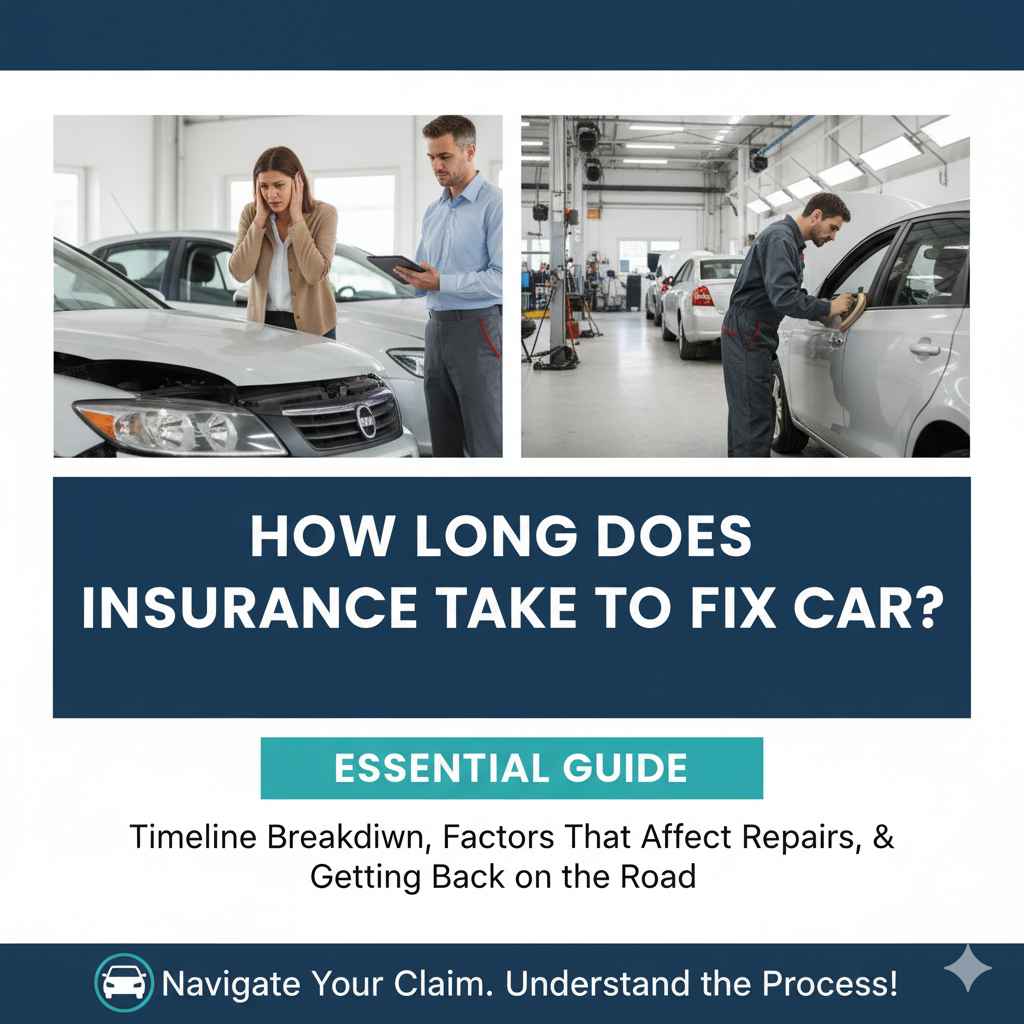
The time it takes for car insurance to fix your car can vary greatly, typically ranging from a few days to several weeks. Factors like the extent of damage, repair shop availability, and your insurance company’s efficiency all play a role. This guide will break down the process so you know what to expect.
Experiencing a car accident is never fun. You might be worried about the damage to your vehicle and how long it will take to get back on the road. Understanding the insurance claims process can help ease some of that stress. It’s a common question: when will my car be fixed and back in my driveway? While there’s no single answer because every situation is different, we can explore the typical timelines and what influences them. This guide will walk you through the entire process, step-by-step, so you feel prepared and confident. We’ll cover everything from filing the claim to picking up your repaired car.
Understanding the Car Insurance Repair Timeline
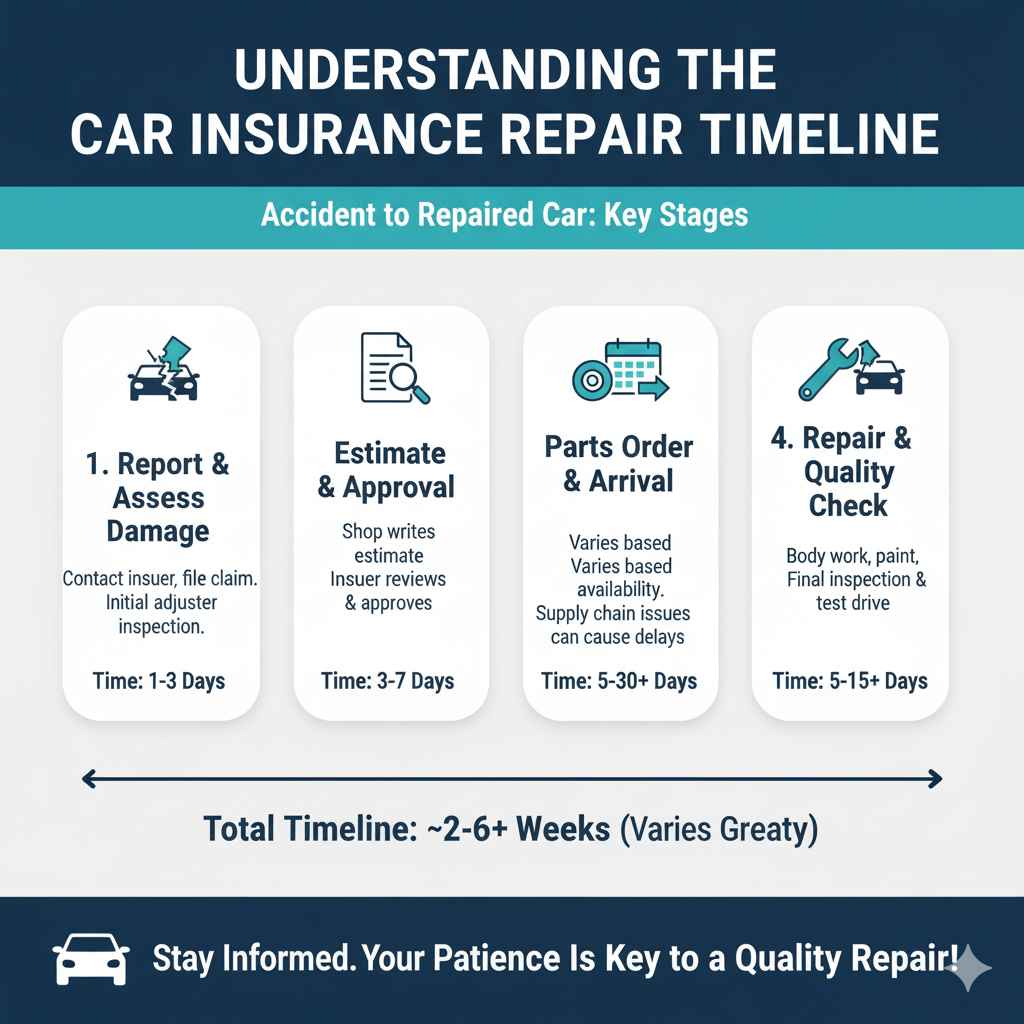
The journey from accident to a repaired car involves several stages, and each one can impact the overall time it takes. It’s like a relay race; if one runner is a little slow, the whole team’s time goes up. Let’s break down the key parts of this process.
The good news is that insurance companies want to resolve claims efficiently. They know that delayed repairs can cause significant disruption to your life. However, many factors are outside of their direct control, which can sometimes stretch out the timeline.
The Key Stages of an Insurance Car Repair
Here are the main steps involved when your car needs fixing after an accident and you’re working with your insurance company:
1. Reporting the Accident and Filing the Claim
This is the very first step. As soon as it’s safe, you should report the accident to your insurance company. Most insurers have a deadline for reporting, often within 24 to 72 hours, so it’s important not to delay.
What happens: You’ll contact your insurer (usually by phone, online portal, or mobile app) and provide details about the accident, including date, time, location, other drivers involved, and a description of the damage.
How long it takes: This initial report can be done immediately after the accident or within a day or two. The actual filing process is usually quick.
2. Claim Assignment and Initial Review
Once you file the claim, your insurance company will assign a claims adjuster to your case. This person is your main point of contact. They will review the information you provided and begin assessing the situation.
What happens: The adjuster may contact you for more details, ask for photos or videos of the damage, and gather information from the other party involved if applicable.
How long it takes: This usually happens within 24-48 hours of filing the claim, especially if you file online.
3. Damage Assessment and Estimate
This is a crucial step where the extent of the damage is determined, and an estimated cost for repairs is calculated.
What happens: An adjuster will typically inspect your car in person or review photos/videos you send. They’ll document all repairs needed. In some cases, they may direct you to an approved auto shop for an estimate.
How long it takes: This can vary. If the damage is minor and easily assessable, it might be done within a day or two. For more complex damage, it could take a few days for the adjuster to complete their report and estimate.
4. Repair Authorization and Shop Selection
Once the estimate is approved by your insurance company, you can move forward with repairs. You’ll usually have a choice of where to get your car fixed.
What happens: Your insurer will authorize the repairs based on the approved estimate. You can choose a shop from your insurer’s network (often preferred for quicker processing) or an independent one. If you choose an independent shop, your insurer will likely review their estimate as well.
How long it takes: Usually within 1-3 business days after the damage assessment is finalized.
5. Repair Scheduling and Execution
This is where the actual physical work on your car begins. The time taken here depends heavily on the complexity of the repairs and the chosen shop’s schedule.
What happens: You’ll schedule an appointment with the auto repair shop. They will order necessary parts and begin the repair work.
How long it takes: This is perhaps the most variable part.
Minor repairs: A few days.
Moderate repairs: 1-2 weeks.
Major or structural damage: 2-4 weeks or sometimes longer.
Delays: If specialized parts need to be ordered from overseas or are out of stock, this can add significant time.
6. Final Inspection and Release
Once the repairs are complete, the car is inspected to ensure everything has been done correctly.
What happens: You, and sometimes an insurance adjuster, will inspect the work to confirm it meets satisfaction. You’ll then settle any remaining deductibles, and the car is released to you.
How long it takes: This is usually a quick process, often completed on the same day repairs are finished.
Factors That Affect How Long Insurance Takes to Fix Your Car
Several things can speed up or slow down the process. Understanding these factors can help you manage your expectations.
Damage Severity
Minor Damage (e.g., bumper scuff, small dent): These repairs are often straightforward. You might be in and out of the shop in a day or two.
Moderate Damage (e.g., bent panel, minor mechanical issue): This could take several days to a week or two, depending on parts availability.
Major Damage (e.g., significant structural issues, multiple parts affected): These repairs are complex and time-consuming. They can often take 2-4 weeks, sometimes more, especially if frames need straightening or multiple components are damaged.
Total Loss: In some cases, the cost to repair the car might exceed its actual cash value. This is called a “total loss.” The process then shifts from repair to payout, which can also take time as the insurer determines the car’s value and processes the settlement.
Parts Availability
This is a huge factor, especially in recent years.
Common Parts: If your car uses standard parts that body shops typically keep in stock or can easily obtain from local suppliers, repairs will be faster.
Specialty or Imported Parts: If your vehicle is a less common model, or if it requires specific, high-tech components (like sensors for advanced driver-assistance systems), those parts might need to be ordered from the manufacturer or even overseas. This can introduce significant delays, sometimes adding weeks to the repair time. You can check out NHTSA’s resources on vehicle parts to understand different components.
Repair Shop Workload and Efficiency
Auto repair shops, like restaurants, can get busy!
Busy Shops: If you choose a popular shop or one that’s currently swamped with work, you might have to wait longer for them to start working on your car.
Shop’s Specialization: Some shops may be better equipped or more efficient at handling certain types of repairs than others.
Communication: How well the shop communicates with your insurance company, and what their internal processes are, can also impact the timeline.
Insurance Company Efficiency and Communication
Not all insurance companies operate at the same speed.
Claims Adjuster: An organized and responsive adjuster can expedite the process. If they’re slow to assess damage, approve estimates, or communicate with the shop, it delays everything.
Internal Processes: Some insurers have more streamlined digital processes for estimates and approvals than others.
First Notice of Loss (FNOL): How quickly your claim is initiated and assigned can set the pace.
Your Availability and Cooperation
You play a role too!
Prompt Reporting: The sooner you report the accident, the sooner the claim starts.
Providing Information: Responding quickly to the adjuster’s requests for information, photos, or documentation speeds things up.
Scheduling: Being available to bring your car in for inspection and repairs, and being flexible with scheduling, is essential.
Deductible: Ensuring you understand and are ready to pay your deductible to the shop upon completion can prevent last-minute hold-ups.
Third-Party Involvement
If another driver was at fault, their insurance company might be involved.
Liability Determination: If fault is disputed, it can take longer for the responsible party’s insurance to acknowledge and accept the claim.
Multiple Insurers: Dealing with two insurance companies can add layers of complexity and potential delays.
Average Timelines by Damage Type
To give you a clearer picture, here’s a general idea of how long repairs might take for different levels of damage. These are averages and can change significantly.
| Damage Type | Typical Parts Needed | Estimated Repair Time (Days) | Notes |
|---|---|---|---|
| Minor Cosmetic | Bumper cover, fender, small paintwork | 1–3 | Quick turnaround if parts and paint are available; minimal labor required. |
| Minor Mechanical | Radiator, alternator, basic electrical components | 2–5 | Time depends on diagnostics and delivery of replacement parts. |
| Moderate Panel Damage | Door, hood, trunk lid, side mirror | 4–7 | Involves body alignment, sanding, painting, and curing; requires paint matching. |
| Structural Damage | Frame repair, suspension components | 7–14 | Needs frame straightening and specialized tools; often involves re-alignment and safety checks. |
| Major System Damage | Engine, transmission, major electrical systems | 10–20+ | Deep diagnostics and complex labor; frequently overlaps with structural work. |
| Total Loss | N/A (Vehicle replaced or payout issued) | 5–14 (for payout) | Insurance payout time varies; typically includes claim review and value assessment. |
Note: This table does not include potential delays from parts backorders, extreme weather events, or adjuster availability.
What You Can Do to Speed Up the Process
You’re not powerless in this situation! Here are some proactive steps you can take:
Report Immediately: Don’t wait to file your claim. The sooner it’s in the system, the sooner it moves forward.
Be Organized: Have all necessary documents ready, such as your insurance policy number, driver’s license, and details of the accident.
Communicate Clearly: Provide accurate and detailed information to your adjuster. If anything changes, update them promptly.
Ask Questions: Don’t hesitate to ask your adjuster about the process, expected timelines, and any steps you need to take.
Choose Wisely (Shop): If you have a choice, ask your insurer for recommendations of repair shops with good reputations for efficiency and quality. Sometimes, using an insurer’s preferred network shop can expedite things, as they often have pre-negotiated rates and streamlined communication. You can also check out resources like Better Business Bureau (BBB) for auto repair to research shops in your area.
Follow Up: Politely follow up with your adjuster and the repair shop periodically to check on progress, especially if you haven’t heard from them in a while.
Be Prepared for Paperwork: Understand what forms need to be signed and what payments (like your deductible) are expected.
What About Rental Cars?
If your policy includes rental car coverage, this can significantly ease the burden of being without your vehicle.
Coverage Details: Check your policy to understand your rental car benefits. Does it cover a like-for-like vehicle? Are there daily limits or a total mileage limit?
Arranging a Rental: Your insurance company or the repair shop can usually help you arrange a rental. Often, they work with specific rental companies, and direct billing is handled, meaning you might only pay your deductible if applicable.
Timing: The rental car is typically available from the moment your car is deemed un-drivable or is brought in for repairs, and it remains available until your car is fixed and ready for pickup.
When Does Insurance Declare a Car a “Total Loss”?
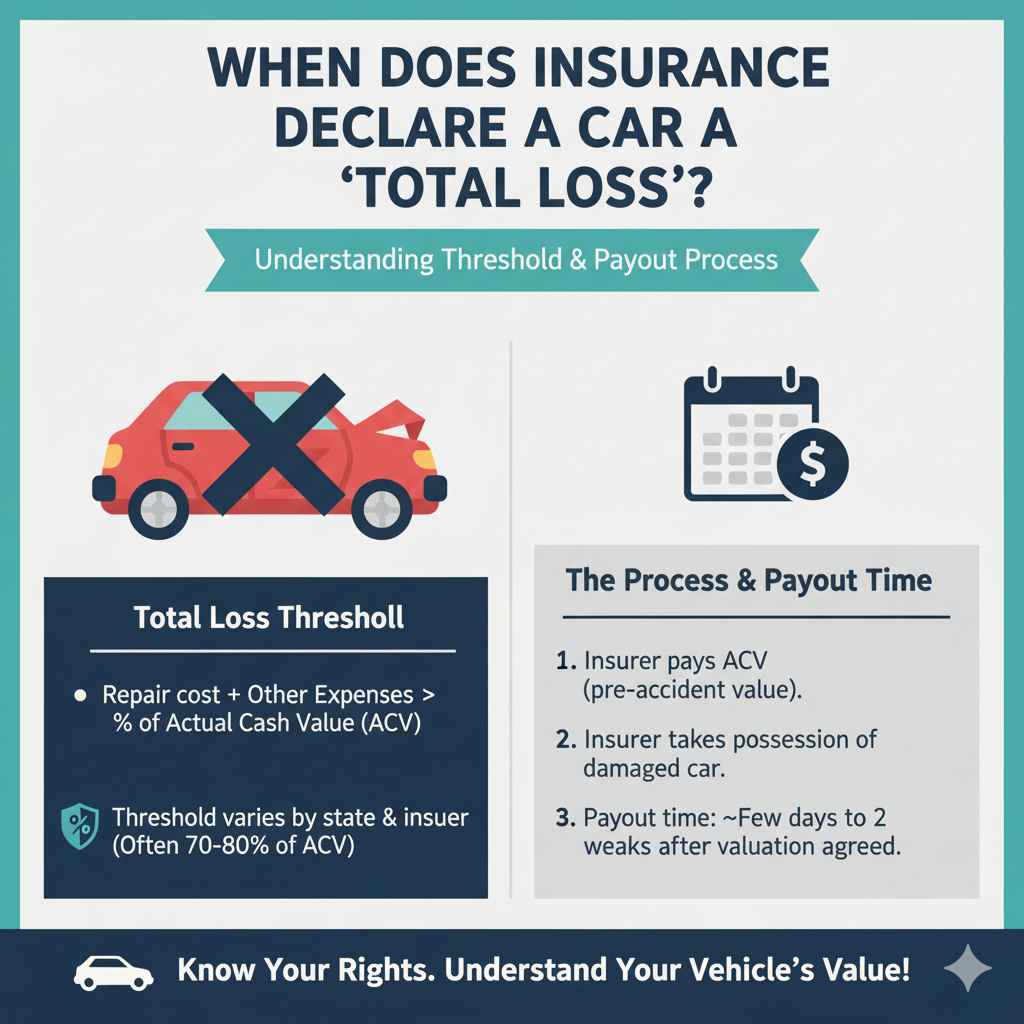
Sometimes, repairing a car just isn’t economically feasible. This happens when the cost of repairs, plus the potential cost of a rental car and other associated expenses, exceeds a certain percentage of the vehicle’s actual cash value (ACV). This threshold varies by state and insurer, but it’s often around 70-80% of the car’s value.
The Process: If your car is totaled, the insurance company will pay you its ACV (what the car was worth just before the accident). They will then usually take possession of the damaged vehicle.
Payout Time: Receiving the payout for a total loss can also take time, typically ranging from a few days to a couple of weeks after the valuation is agreed upon.
Frequently Asked Questions (FAQ)
Q1: How quickly can I get an estimate from my insurance adjuster?
Most insurance companies aim to get an adjuster to assess the damage within 1-3 business days of you filing the claim, especially for minor to moderate damage. For more severe accidents or if specialized inspection is needed, it might take a few extra days.
Q2: What if the repair shop finds more damage than the initial estimate?
This is common, especially with hidden damage. The repair shop will create a “supplemental estimate” detailing the additional work and parts needed. They will then submit this to your insurance adjuster for approval. This can add a few days to the repair timeline if approval isn’t immediate.
Q3: Can I choose any repair shop, or do I have to use one suggested by my insurer?
You generally have the right to choose your own repair shop. However, many people opt for shops in their insurer’s network because they often have pre-negotiated rates and a streamlined process, which can speed things up. If you choose an out-of-network shop, be prepared for potential delays as the insurer reviews their estimate.
Q4: What if my car needs a part that’s on backorder?
This is a significant cause of delay. If a crucial part is on backorder from the manufacturer, the repair process can be put on hold for weeks or even months. Your adjuster should keep you informed, and you can ask about options like using aftermarket parts (if approved by the insurer and suitable for the repair) or waiting for the OEM (Original Equipment Manufacturer) part.
Q5: How long does a total loss settlement usually take?
Once your car is declared a total loss and an agreement on its actual cash value (ACV) is reached, the payout typically takes between 5 to 14 business days. This can vary depending on the insurance company’s internal processes and how quickly you provide any necessary documentation.
Q6: What is the role of a Public Adjuster?
If you feel your insurance company isn’t handling your claim fairly or is taking too long, you can hire a public adjuster. They are independent professionals who work for you, not the insurance company, to negotiate a settlement. Hiring one can sometimes expedite the process, but it also means their fee will come out of your settlement. You can find resources from organizations like the National Association of Public Insurance Adjusters (NAPIA) for more information.
Conclusion
Navigating the car insurance repair process can feel daunting, but by understanding the typical stages and potential delays, you can be better prepared. While there’s no magic timeline for how long it takes for insurance to fix your car, most minor to moderate repairs are completed within one to three weeks. Major repairs can extend this significantly, while the total loss process has its own timeline focused on valuation and payout.
Remember, clear communication with your insurance adjuster and chosen repair shop is key. Be proactive, ask questions, and stay organized to help ensure your car gets back to you as safely and quickly as possible. Every situation is unique, but with patience and information, you’ll be back behind the wheel before you know it.