What Are Discount Automotive Services?
Discount automotive services are low-price repair or maintenance offers that save money only when the quote spells out labor, parts, diagnostics, and a written warranty. Miss one piece, and the “deal” can cost more after add-ons, repeat visits, or a denied claim. This guide shows how to judge a cheap offer before you hand over the keys.
Commonly discounted maintenance and where to find deals
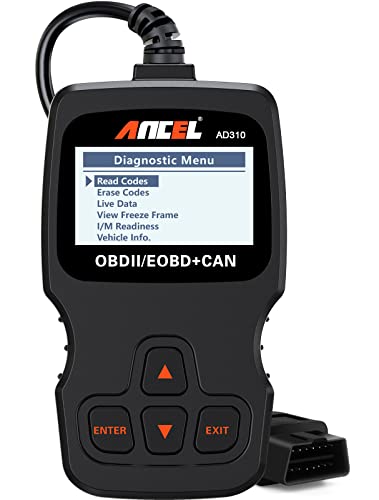

Discount automotive services are cut-price offers for maintenance and repairs, not a separate kind of shop. A shop may trim the sticker price on a service, lower the labor line, or bundle a coupon with routine work. The key question is simple: what is included at the final out-the-door price?
Common services that get discounted
The most common markdowns show up on routine work with predictable parts and labor. Oil changes, tire rotations, brake inspections, battery checks, alignment checks, cabin air filters, wiper blades, and basic repair visits are common candidates. More complex diagnostics, transmission work, or electrical tracing are less likely to get steep discounts because the labor time varies more.
Where the discount usually appears
You may see the offer in an ad, a mailer, a coupon book, a text, a membership perk, or a seasonal promotion. The savings can apply to the whole visit or only one line item. A low headline price helps only if the terms show what the shop will charge after labor, parts, taxes, shop supplies, and disposal fees.
Are they the same as a coupon?
No. Discount automotive services describe the lower-priced offer itself, while an auto repair coupon is one tool that can create that lower price. A coupon may cut one service, limit a visit to certain vehicles, or exclude parts and diagnostics. The savings matter only after you check the fine print.
Promo codes, mailers, and online offers
Coupons and promo codes can reduce service costs, but they do not always reduce every line on the invoice. Some offers require an appointment, some expire on a set date, and some apply only to first-time customers or specific services. Deal sites often list verified offers or price drops, and DealSeek says it can find and verify deals, price drops, and promo codes. DealSeek mentions savings of up to 85%, highlights promo codes as one way to save, and says its editorial team checks every deal.
When a coupon cuts the whole bill and when it does not
A coupon may lower the service price while leaving diagnostics, shop fees, premium oil, specialty filters, or taxes untouched. That means the coupon can reduce only one line item instead of the final bill. Always look for the service exclusion list, the labor wording, and the parts wording before you book.
How discount pricing works
Discounts commonly reduce either the original price by a percentage or by a fixed dollar amount. Some offers apply one reduction and then another to the reduced price. That order matters, because the final amount depends on whether the second cut is calculated from the original price or the already reduced price.
Percent-off discount example
A percent-off discount subtracts a percentage from the original price. A $45 item with a 10% discount becomes $40.50. In that example, 10% of $45 equals $4.50. The original price is $45, the discount is $4.50, and the final price is $40.50.
Fixed-amount discount example
A fixed-amount discount subtracts a set dollar amount from the original price. A $95 service with a $20 coupon costs $75. That example saves a fixed $20. The original price is $95, the final price is $75, and the discount is easy to verify if the coupon terms are clear.
Stacked discounts
Stackable discounts can apply one reduction and then another to the reduced price. That can create compound savings, but only if the offer allows stacking in writing. For example, a shop may cut the service price first and then apply a separate member coupon. If the terms do not allow stacking, expect the shop to honor only one reduction.
What do discount shops usually include?
Discount shops vary widely, so the real question is what the quote includes line by line. Some offers cover labor only, some bundle parts, and some add a diagnosis fee or a shop supply charge. The lowest headline price means little if the bill rises after inspection.
Labor included or billed separately
Labor can be included in the advertised price, or it can be billed separately after the shop inspects the vehicle. Ask whether the coupon covers diagnostic labor, installation labor, or only the base service. If the coupon says “plus labor” or “installation extra,” the final bill may be much higher than the ad suggests.
Parts quality and brand limits
Discount offers often limit parts to a specific brand, grade, or in-stock option. That can be fine if the brand is named in writing and the part quality fits the repair. It is a warning sign if the quote says “equivalent parts” without naming the brand, grade, or warranty term. Clear parts terms help you compare offers fairly.
Diagnostics, shop fees, and add-on charges
Diagnostics, shop fees, fluid surcharges, disposal charges, specialty parts, and taxes can change the final total quickly. A brake coupon may exclude rotor turning, hardware, and caliper slides. An oil-change coupon may exclude synthetic oil, cartridge filters, or extra quarts. Ask for each excluded item before approving work.
Auto service comparison checklist
A fair comparison starts with the advertised service and ends with the out-the-door cost. You want the base price, discount type, exclusions, labor terms, parts terms, diagnostic fee, warranty, and any required appointment rule in one place. Use the same checklist for every shop so the numbers stay comparable.
| Service advertised | Base price | Discount type | Exclusions | Labor included | Parts included | Diagnostic fee | Warranty | Total out-the-door cost |
|---|---|---|---|---|---|---|---|---|
| Conventional oil change | $49 | $10 coupon | Synthetic oil, extra quarts, disposal fee | Yes | Yes, standard filter | $0 | 30 days on service | $39 before tax |
| Front brake pads | $249 | 15% off | Rotors, hardware, brake fluid, shop supplies | Yes | Pads only | $89 if diagnosis needed | 12 months on parts and labor | Varies by add-ons |
Worked example: oil change. Suppose the shop advertises a $49 oil change and a $10 coupon. If the coupon applies to the full service and nothing is excluded, the final service price becomes $39 before tax. If synthetic oil adds a surcharge, the total rises, so the coupon is not the real final cost by itself.
Worked example: brake service. Suppose a brake service starts at $249 and a 15% discount applies. The discount lowers the base price to $211.65 before extras. If rotors, hardware, brake fluid, or a diagnostic fee are excluded, the out-the-door cost can be much higher. That is why the estimate must list each line item.
How to judge a cheap offer
Low price alone does not prove the best value. A legitimate cheap offer should come with a written estimate, clear service terms, named exclusions, and a warranty you can verify. If the shop will not put the labor, parts, and follow-up coverage in writing, treat the offer as incomplete.
Written estimate and clear terms
Ask for a written estimate before approving work. It should state the service, the discount type, the expiration date, any minimum purchase requirement, appointment rules, and any vehicle restrictions. A common first-timer mistake is to focus on the coupon amount while skipping the exclusions list.
Warranty language you can verify
A real savings can disappear if a cheap repair comes with no usable warranty. Check whether the warranty covers parts, labor, or both, and whether it applies at the original location only. If the shop says the warranty is “limited,” ask what fails coverage: diagnostics, fluids, related parts, or return labor.
Shop quality signals
Look for specific, checkable signals: a written estimate, named parts brands, clear labor terms, and technician credentials when the shop states them, such as ASE-trained or manufacturer-trained staff. Those details do not guarantee perfect work, but they do make the offer easier to compare against another low-price quote.
Store-specific variation at discount tire and service centers
Discount tire and service centers often vary by location, even under the same brand name. Service scope, free checks, labor charges, and warranty language can differ from store to store. That means a nearby branch may quote a different package, a different free inspection, or a different tire-related policy than another branch in the same metro area.
What do discount tire services offer for free?
Free tire services can include checks, rotations, air pressure adjustments, balancing checks, or patch-related inspections, but the exact offer depends on the store and location. Some branches advertise free services as a sales perk, while others reserve them for tire buyers or loyalty members. Confirm the local policy before you drive over.
What to confirm before you book
Ask whether the free service covers all vehicles, only purchased tires, or only tires bought at that store. Confirm whether there is an appointment requirement, whether the free work includes labor, and whether related items such as valve stems, balancing, or tire disposal are extra. Store policy can change the value of the offer quickly.
What are the risks of choosing the cheapest auto service?
The cheapest option can bring hidden costs if it excludes diagnostics, uses lower-grade parts, or offers no follow-up coverage. A low quote may also skip important work that the vehicle actually needs. The risk is not the discount itself; the risk is paying less upfront and more later because the offer was incomplete.
Say your brake pads are quoted cheaply, but the price excludes rotors and hardware. The first invoice looks low, then the shop adds those parts after inspection. The final bill may no longer beat the non-discounted option that listed everything from the start.
How can I compare discount automotive service offers fairly?
Compare every quote on the same basis: service name, included labor, included parts, diagnostic fee, warranty, exclusions, and the final out-the-door total. Ignore the headline number until you know what it buys. A service that is $20 cheaper but excludes diagnostics and warranty may cost more in real terms.
- Write down the exact service being sold.
- Record the base price before the discount.
- Identify whether the offer is percent-off, fixed-amount, or stacked.
- List every exclusion: labor, parts, diagnostics, shop supplies, taxes, and disposals.
- Check the warranty length and what it covers.
- Compare the final out-the-door cost, not the ad price.
Picture two oil-change offers. One is $49 with a $10 coupon and a disposal fee; the other is $55 but includes disposal and a longer service warranty. The cheaper headline price is not always the lower total. Your checklist should settle that before you book.
Frequently asked questions
What are discount automotive services?
They are lower-priced offers for maintenance or repair work, usually through coupons, promotions, memberships, or seasonal sales. The important part is the final quote. Check whether labor, parts, diagnostics, taxes, and warranty coverage are included before you treat the offer as a real bargain.
What services does a discount auto shop usually offer?
Common discounted services include oil changes, tire rotations, brake inspections, battery checks, alignment checks, wiper blades, cabin air filters, and basic repairs. More complex diagnostics or specialty repairs are less often discounted because the labor and parts can vary too much from one vehicle to another.
Are discount automotive services the same as a coupon or promotion?
No. A coupon or promotion is one way to lower the price, but the service itself may still have exclusions. A discount can also appear as a member rate, seasonal sale, or bundled package. Always check the service terms, not just the savings amount.
How do I know if a cheap auto service is legitimate?
Look for a written estimate, a clear expiration date, named exclusions, and warranty terms that state what is covered. Good signs include named parts brands and clear labor language. If the shop will not explain the price in writing, the offer is hard to verify.
How do discount auto repair shops make money?
They may use low-margin services to bring in customers, then earn from add-on labor, parts, maintenance items, or follow-up work. That is normal business behavior. The issue for you is whether the final bill stays fair after every line item is added.
Products related to this article
Sponsored / affiliate links. As an Amazon Associate I earn from qualifying purchases. I may earn additional commission from eligible campaigns.