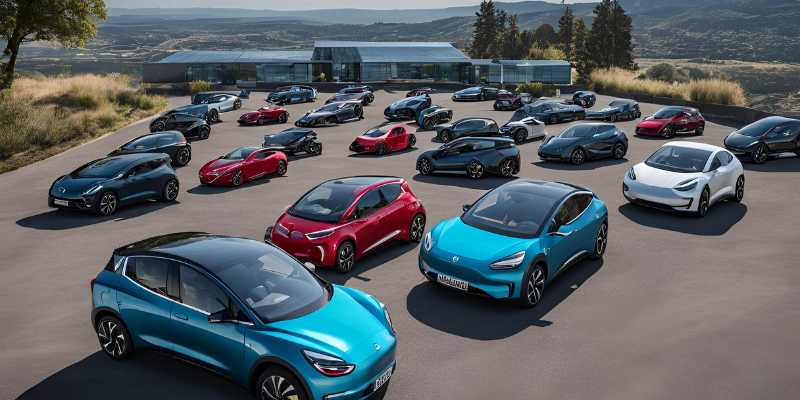
How Many Electric Cars in the World: A Comprehensive Analysis
As of 2023, there are over 16 million electric cars on the world’s roads. This number is growing fast as more people choose cleaner transportation.
Electric cars have become a significant part of the global auto market. They help reduce pollution and dependence on fossil fuels. Governments and companies are investing in electric vehicle (EV) technology. This growth is driven by environmental concerns and advancements in battery technology.
More charging stations are also popping up, making it easier to own an electric car. In this blog, we will explore the rise of electric cars, the factors behind their growth, and what the future holds. Let’s dive into the world of electric vehicles and discover how they are changing the automotive landscape.

Credit: en.wikipedia.org
Global Electric Car Statistics
Over 10 million electric cars are on the roads today. The number includes both fully electric and hybrid vehicles. China has the largest share, followed by Europe and the United States. More countries are adopting electric cars each year. People are choosing these vehicles for their eco-friendly benefits.
The electric car market is growing fast. Each year, more people buy electric cars. The growth rate is around 40% per year. This trend shows no sign of slowing down. Governments are supporting this growth with incentives. More charging stations are being built too. Electric cars are becoming more affordable.
Top Countries For Electric Cars
China has the most electric cars. They have millions of electric cars. United States follows with many electric cars too. Norway has the highest percentage of electric cars. Many people there choose electric cars. Germany and Japan also have many electric cars. These countries are leading the way.
India is growing fast in electric car use. They are making more electric cars each year. Brazil is also starting to use more electric cars. These countries are new to the market. But they are catching up quickly. More people in these countries want electric cars. It’s becoming popular in new places.
Electric Car Adoption Rates
Electric cars are becoming more popular. Many people want to help the environment. Others like the idea of saving money on gas. Governments are also giving incentives. These can be rebates or tax credits. Car companies are making more electric models. Charging stations are now easier to find. All these factors are pushing people to choose electric cars.
The cost of electric cars is a key factor. Prices are going down, making them more affordable. Battery technology is improving. This means longer driving ranges. People feel better about buying an electric car. Charging infrastructure is growing. More charging stations mean less worry about running out of power. Public awareness is increasing. People are learning more about the benefits of electric cars.
Electric car adoption varies by region. Some places have more incentives. Others have better charging networks. Europe and China lead in electric car adoption. The United States is catching up. In some regions, electric cars are still rare. This can be due to lack of infrastructure. Or maybe less government support. Local policies play a big role in adoption rates. Some cities have special lanes for electric cars. Others offer free parking. This makes electric cars more attractive.

Credit: 8billiontrees.com
Government Policies And Incentives
Many countries offer tax benefits for electric car owners. These benefits include deductions, credits, and exemptions. The aim is to reduce the overall cost of owning an electric car. By reducing taxes, governments make it easier for people to switch to electric cars. This helps promote a cleaner environment.
Subsidies are another way governments support electric cars. These are direct payments or price reductions. They make electric cars more affordable. For example, some governments give money back when you buy an electric car. Others reduce the price at the point of sale. This lowers the initial cost, making electric cars more attractive to buyers. Many people can then afford to buy electric cars.
Challenges In Electric Vehicle Adoption
Building enough charging stations is a big challenge. Many areas still lack them. This makes long trips hard. People worry about getting stuck. Rural areas have even fewer stations. More investment is needed. Public places need more chargers too. This helps people feel confident. Charging at home is not always easy. Some homes lack space or power.
Many people worry about the price of electric cars. They think they cost too much. Battery life is another concern. How long will it last? Replacing it can be costly. Range anxiety is a real issue. People fear running out of power. Maintenance is different from normal cars. Not all mechanics can fix them. Learning new technology can be hard for some.

Credit: 8billiontrees.com
Future Projections For Electric Cars
The number of electric cars is growing fast. Experts believe the market will double in the next five years. Many people want to buy these cars. They save money on fuel. They help the environment. More companies are making electric cars. This means prices will go down.
Battery technology is getting better. New batteries last longer. They charge faster. This makes electric cars more practical. Charging stations are also increasing. You can find more places to charge your car. Self-driving features are becoming common. These make driving easier and safer. All these changes make electric cars more appealing to buyers.
Impact On The Environment
Electric cars help the environment. They produce fewer emissions than gas cars. This means cleaner air for everyone. People can breathe easier. Cities can be less polluted. Electric cars are a step towards a greener world. They use clean energy. This helps reduce the carbon footprint.
Electric cars need different resources. They use batteries instead of fuel. These batteries need rare materials. Mining these can harm the earth. Efficient recycling is important. It helps save resources. Smart use of materials can make electric cars more eco-friendly.
Role Of Major Automakers
Major automakers are pushing hard for electric vehicle (EV) innovation. They invest billions in research and development. Tesla is a leader with its advanced battery technology. Nissan and BMW follow close behind with their own electric models.
New EV startups like Rivian and Lucid Motors also contribute. They bring fresh ideas and technologies. Automakers work on longer battery life and faster charging. This helps in making EVs more practical for daily use. Self-driving features are also becoming more common.
Electric cars are gaining more market share each year. Tesla holds the largest share. They sell the most electric cars globally. Nissan Leaf is also popular in many countries. BMW i3 and Chevy Bolt are other strong competitors. More automakers are entering the market. This increases competition and options for buyers.
Government incentives help in boosting sales. Many countries offer tax rebates for EV buyers. This makes electric cars more affordable. As more people buy EVs, the market continues to grow. Charging infrastructure is also expanding, making it easier to own an electric car.
Frequently Asked Questions
How Many Electric Cars Are There In The World?
As of 2023, there are over 16 million electric cars worldwide. This number is growing rapidly each year.
Which Country Has The Most Electric Cars?
China leads the world with the most electric cars. It has around 5 million electric vehicles on the road.
How Fast Is The Electric Car Market Growing?
The electric car market is growing at an annual rate of around 40%. This rapid growth is expected to continue.
What Are The Benefits Of Electric Cars?
Electric cars produce zero emissions, reduce dependency on fossil fuels, and offer lower running costs. They are environmentally friendly.
Conclusion
Electric cars are growing in number worldwide. This trend shows no signs of slowing. People are choosing electric vehicles for their benefits. Cleaner air, lower costs, and better technology. Governments support this shift with incentives. Charging networks are expanding rapidly.
The future looks bright for electric cars. More models are available each year. Consumers have more choices than ever. Electric cars will soon be a common sight everywhere. Keep an eye on this exciting development. The world is moving toward a greener future.
Stay informed and consider joining the electric revolution.