Shammy Cloth for Car: Best Picks and How to Use One Right
Top pick: choose a plush microfiber drying towel if your priority is the safest finish, then move to a synthetic PVA shammy cloth when you want fast drying on smooth, well-washed panels. A shammy cloth for car drying works best on smooth paint after a wash, while a plush microfiber drying towel is the safer choice for dirty or delicate finishes; use leather chamois only if you keep it clean and fully lubricated. Use the wrong cloth or technique, and you can leave streaks, water spots, or micro-scratches that take extra time to remove. This guide covers the best picks, when each drying cloth fits, and the three mistakes to avoid.
Quick picks

- Best all-around safety: Meguiar’s Water Magnet Microfiber Drying Towel for streak-free final wipe-downs and easier care.
- Best large-vehicle PVA pick: Mighty Cleaner Premium XL Shammy Towel for extra-large drying on SUVs and trucks.
- Best natural leather option: a real sheep-leather chamois if you are willing to handle special care and direct-sunlight limits.
Which drying tool should you use?
The right drying tool depends on panel size, how clean the vehicle is after washing, and how much upkeep you will accept. For most buyers, microfiber is the safer default because it gives you more margin on paint and trim. PVA shammy cloths make sense when you want a light, high-absorbency sheet on smooth paint, while natural leather chamois needs the most care.
| Vehicle or task | PVA shammy | Natural leather chamois | Microfiber |
|---|---|---|---|
| Sedan | Good fit in 26×17 for quick body-panel drying; keep it slightly damp in storage. | Works if you want a large sheet, around 35×23.6, and are willing to hand wash only. | Best for most sedans; common 31×24 or 36×25 sizes give extra coverage and a streak-free finish. |
| SUV | Best in 34×25 for broader panels and fewer wring-outs. | Large format helps, but care burden is higher. | Best overall for paint safety and final wipe-downs on tall side panels. |
| Truck | Useful if you want extra-absorbent drying with a large sheet. | Can work on big flat panels, but sunlight exposure and storage matter more. | Best choice for mixed panel sizes and detail work around trim. |
| Motorcycle | Works for broad painted surfaces, but stay gentle around controls and seams. | Possible, though the care burden is hard to justify for small surfaces. | Best for painted parts, chrome, and final wipe-downs around complex shapes. |
| Glass | Can leave a clean finish when kept damp, but technique matters. | Less common choice for glass care. | Best for a streak-free finish on windows and mirrors. |
| Quick spot-drying | Very good when you want fast pickup after a rinse. | Works, but keep it clean and protected. | Excellent for a final wipe-down after the main dry. |
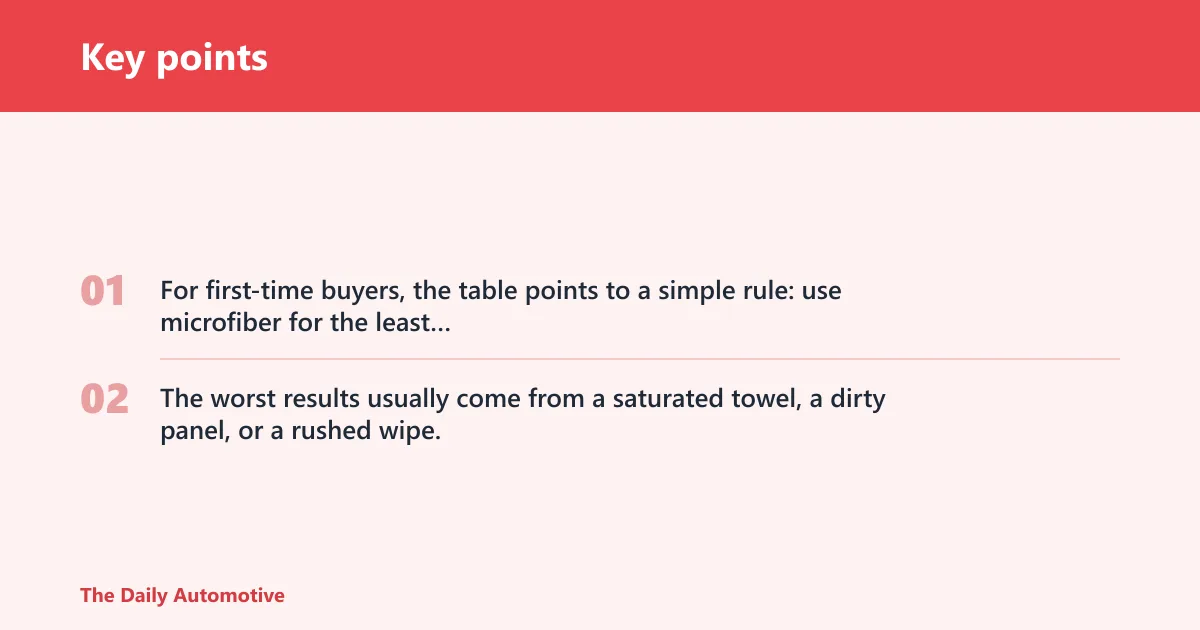
For first-time buyers, the table points to a simple rule: use microfiber for the least risk, choose PVA when you want fast absorption on a freshly washed vehicle, and buy leather only if you are prepared for special care. The worst results usually come from a saturated towel, a dirty panel, or a rushed wipe.
Mighty Cleaner Premium XL shammy towel
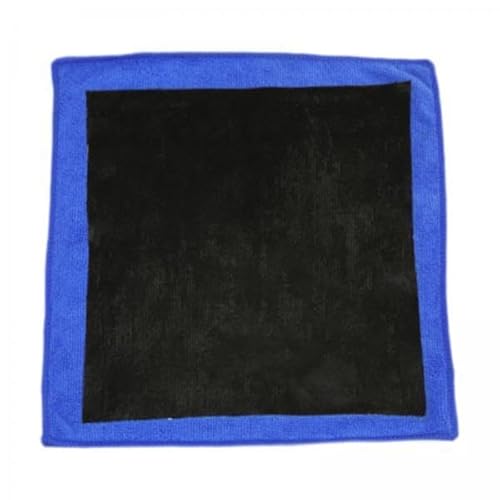
The Mighty Cleaner Premium XL Shammy Towel is a synthetic PVA towel that measures 34″ x 25″ and comes in a 2-pack. The listing says it is built for extra-large drying and that the material can hold up to ten times its weight in water. That size is a strong fit for SUVs, trucks, and large hatchbacks.
This is the PVA option to consider if you want a large drying sheet and a lint-free finish without moving to a heavier microfiber stack. The tradeoff is care: a PVA shammy should be stored slightly damp, not crumpled in a dry trunk, and it should be rinsed or wrung often during use.
If your vehicle has wide doors and long roof panels, the 34″ x 25″ format reduces the number of passes you need. That matters on a warm day, when water film starts to dry fast and leaves marks if you delay.
Meguiar’s Water Magnet microfiber drying towel
Meguiar’s Water Magnet Microfiber Drying Towel is a microfiber towel commonly used for car drying and detail-focused use. Microfiber gives you the safest route when you want a streak-free finish with less risk on paint, glass, and trim. Plush or high-density weaves are the usual design choices in this category.
Microfiber also brings easier care. It is machine washable, and common large sizes include 36″ x 25″ or 31″ x 24″. That size range suits final wipe-downs on sedans, SUVs, and trucks, especially when you want to remove the last film of water from mirrors, glass, and body lines.
Use microfiber when the vehicle has black paint, delicate trim, or lots of seams and badges. The towel can reach those spots more safely than a coarse or overworked shammy cloth.
Natural leather chamois
A natural leather chamois is made from real sheep leather and is usually chosen for its large drying surface and flexible feel. One review lists a size around 35″ x 23.6″, which makes it a broad-format drying tool for bigger panels. The downside is care: it needs special handling, hand wash only, and protection from direct sunlight.
Choose leather only if you are prepared for more maintenance than microfiber or synthetic PVA. It can work well, but its storage rules are stricter, and drying it carelessly can shorten its useful life.
Leather is the least forgiving option for owners who want simple care. If you rotate between multiple wash days and want the same towel ready every time, microfiber or synthetic PVA is easier to manage.
How do you choose the right one?
Start with vehicle size, then decide how often you dry the car and how much care you will accept. A large SUV or truck often works better with a roughly 34 x 25 inch PVA shammy or a large microfiber towel. A sedan can use either, but microfiber stays the safer default if the wash is not perfect.
Vehicle size and panel shape
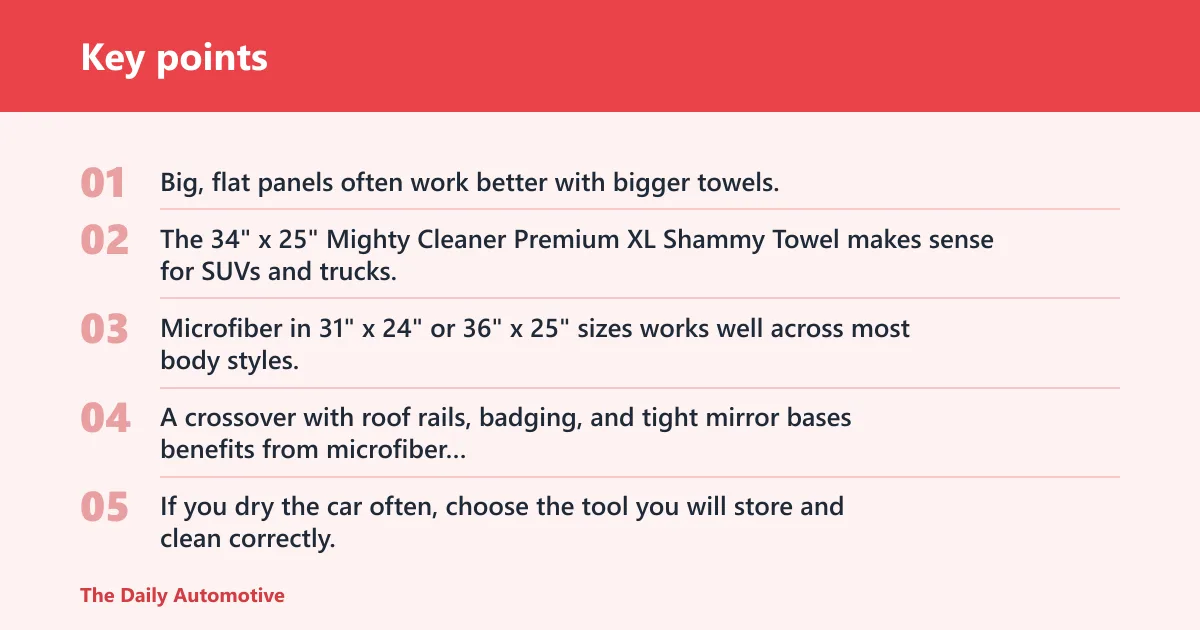
Big, flat panels often work better with bigger towels. The 34″ x 25″ Mighty Cleaner Premium XL Shammy Towel makes sense for SUVs and trucks, while 26″ x 17″ PVA cloths fit smaller cars or quick touch-ups. Microfiber in 31″ x 24″ or 36″ x 25″ sizes works well across most body styles.
Complex trim changes the decision. A crossover with roof rails, badging, and tight mirror bases benefits from microfiber because it can reach seams without feeling as grabby as a saturated shammy.
Drying frequency and storage habits
If you dry the car often, choose the tool you will store and clean correctly. PVA needs to be kept slightly damp. Natural leather is commonly hand washed and kept out of direct sun. Microfiber is simpler because you can machine wash it and keep it separate from cotton towels that shed lint.
Say your sedan gets washed every weekend and the towel goes back into a garage cabinet each time. Microfiber is the easy answer. Suppose your SUV is dried once after a full wash and you want a broad sheet that drinks water quickly; a 34″ x 25″ PVA shammy fits that use better.
Paint, glass, and final wipe-down needs
Use microfiber for glass and final wipe-downs when streaks matter most. PVA works well on body panels after a proper wash, especially when the surface is smooth and still cool. Leather can work across paint, but it demands more attention to cleanliness and storage than the other two.
A common mistake is using the same shammy on dusty paint, greasy trim, and muddy wheels without rinsing it first. That leads to trouble on dusty trim, dirty lower doors, and hot glass. Pick the tool by task, not by habit.
How do you use a shammy cloth on a car without streaks?
Use a shammy cloth on freshly washed, cool panels, then wring it out often and glide it lightly across the surface. The goal is to lift water, not scrub it. Streaks usually come from a saturated towel, a rough pass over grime, or drying paint that is already hot.
Prep the wash and panel
Start with a freshly washed vehicle. Rinse away soap completely before you begin drying, because leftover residue can smear and leave a cloudy film. If the car sits in direct sun, move to shade or work panel by panel so water does not flash-dry.
Check lower body panels first. If they still hold grit, dry those last or switch to a microfiber towel that you do not mind reserving for the dirtier areas.
Wring, glide, and repeat
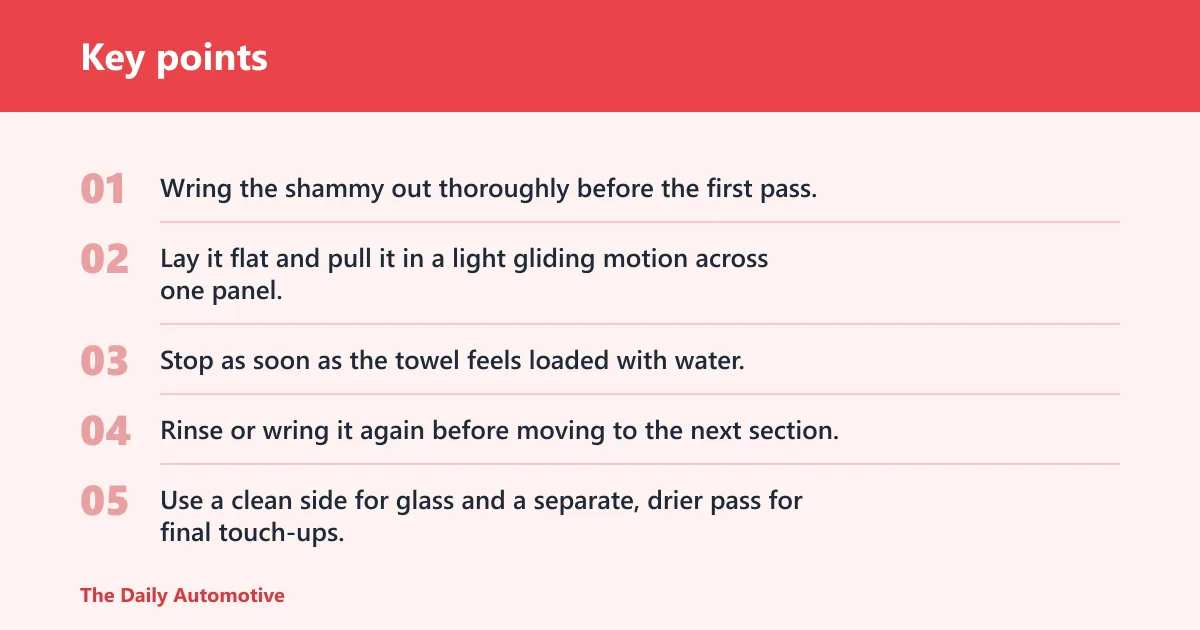
- Wring the shammy out thoroughly before the first pass.
- Lay it flat and pull it in a light gliding motion across one panel.
- Stop as soon as the towel feels loaded with water.
- Rinse or wring it again before moving to the next section.
- Use a clean side for glass and a separate, drier pass for final touch-ups.
How often should you wring it out? As often as the towel stops pulling water cleanly. On a full-size SUV, that can mean several times per side, especially if the shammy is already loaded from the roof or hood.
Avoid the three drying mistakes
First, do not drag grime across the paint. If dust, road film, or grit is still on the panel, you are rubbing it into the clear coat. Second, do not dry hot panels. Heat speeds up spotting and makes streaking more likely. Third, do not keep using a saturated towel; once it is waterlogged, it stops pulling moisture and starts smearing it.
Can a shammy cloth scratch car paint? Yes, it can if you drag dirt, trap debris in the fibers, or use it on a panel that was not properly washed. The cloth is not the only variable. Technique and storage matter just as much.
Frequently asked questions
What is the best shammy cloth for car drying?
For most buyers, a large microfiber drying towel is the safest answer, especially for mixed weather, dark paint, or frequent use. If you specifically want a shammy cloth, a synthetic PVA towel like the Mighty Cleaner Premium XL Shammy Towel is the stronger fit for fast drying on smooth, freshly washed panels.
Is a PVA shammy better than microfiber for cars?
Not across the board. PVA is better for users who want a high-absorbency synthetic towel and are willing to store it slightly damp. Microfiber is better for most car owners because it offers a streak-free finish, easier washing, and more confidence on delicate paint and glass.
What size shammy cloth is best for an SUV?
A large format is easier on an SUV. A 34″ x 25″ PVA shammy is a smart choice for broad panels, while microfiber around 36″ x 25″ or 31″ x 24″ also works well. Smaller 26″ x 17″ shammies can still work, but they need more wringing and more passes.
How do you clean and store a car shammy cloth?
Air dry it completely after use, then store it slightly damp if it is a PVA shammy. Remove trapped dirt before putting it away. Microfiber should be washed separately from cotton so lint does not cling to it. Natural leather needs hand washing and protection from direct sunlight.
What is the difference between natural leather and synthetic shammy cloths?
Natural leather chamois is real sheep leather and needs special care, including hand washing and careful storage away from direct sunlight. Synthetic shammy cloths are usually PVA, with high absorbency, a lint-free finish, and easier everyday use. The tradeoff is that PVA still needs correct storage to stay usable.
Products related to this article
Sponsored / affiliate links. As an Amazon Associate I earn from qualifying purchases. I may earn additional commission from eligible campaigns.