Car AC Recharge Cost: $100-$200 (Shop vs. AutoZone DIY)
A professional car AC recharge costs $100 to $200 at most repair shops, and closer to $150-$250 on larger SUVs and trucks that hold more refrigerant. A DIY recharge kit from AutoZone or a similar auto parts store runs about $25-$50 instead, but only fixes a low charge — it won’t find or repair an actual leak.
The price swings mainly on three things: whether a shop needs to evacuate and recover the old refrigerant first (required by law before a full recharge), which refrigerant your car uses (R-1234yf runs well above older R-134a), and how much refrigerant your specific system holds. This guide breaks down real shop pricing, what AutoZone actually offers instead of a full recharge, and how to tell your AC needs one in the first place.
Introduction To Car Ac Recharge
Your car’s air conditioner works by compressing and cycling refrigerant through a closed loop — and that refrigerant is what actually carries heat out of the cabin. Unlike engine oil or coolant, refrigerant isn’t a wear item that gets “used up” during normal driving; a properly sealed AC system should hold its charge for years. If your AC is losing pressure, it almost always means there’s a small leak somewhere in the system (a hose, an O-ring, or the condenser), not simply age.
The clearest signs you need a recharge: the vents blow noticeably warmer than they used to, the compressor clutch cycles on and off more rapidly than normal, or you hear a hissing sound near the firewall or under the hood. A musty or chemical smell from the vents can also point to a leak rather than a recharge issue on its own.
Because a slow leak is the real root cause in most cases, a recharge without a leak check is often a short-term fix — many shops will run a UV dye or electronic leak detector alongside the recharge so the same problem doesn’t come back in a few months.
Factors Affecting Recharge Cost
Does AutoZone Recharge Car AC Systems?
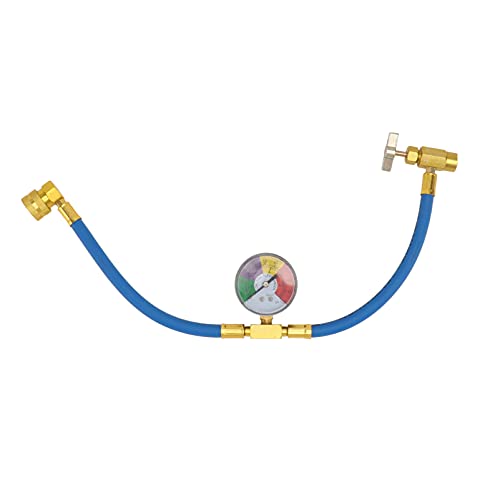
Not usually. AutoZone mainly sells DIY recharge kits — like the A/C Pro Arctic Freeze kit below — for around $25 to $50, rather than performing a full professional recharge service in-store. A proper shop recharge includes evacuating the old refrigerant, pulling a vacuum on the system to check for leaks, and weighing in the exact factory-specified refrigerant charge with certified equipment — steps a retail auto parts counter typically isn’t set up to do. A DIY can-and-gauge kit is a reasonable fix for a system that’s just a little low, but it can’t detect or repair an actual leak, so if the AC goes warm again in a few weeks, the leak is still there.
Why Larger SUVs and Trucks Cost More to Recharge
Vehicle size matters because bigger AC systems simply hold more refrigerant. A compact sedan might need only 14-20 oz of R-134a, while a full-size SUV or truck — think a Chevy Tahoe, Suburban, or Silverado, especially ones with rear/dual-zone AC — can require 40+ oz to fill both the front and rear evaporator cores. Since shops typically price a recharge partly by the pound or ounce of refrigerant used, that alone can push the job to the $150-$250 range instead of the $100-$200 a compact car usually costs.
DIY RECHARGE KIT WITH BUILT-IN GAUGE
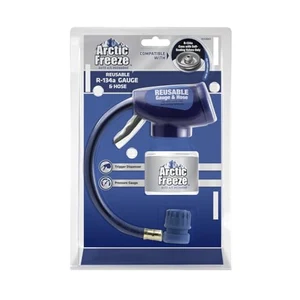 |
A/C Pro Arctic Freeze Recharge Kit – $24.99 Includes a built-in pressure gauge so you can see exactly when the system is full, instead of guessing like with a plain can-and-hose kit.
|
Refrigerants come in different types. Older cars use R-134a. Newer models might need R-1234yf. Each type has a different price. R-1234yf is more expensive. Costs depend on the amount needed. More refrigerant means higher costs.
Labor costs affect the total price. Experienced technicians charge more. Some cars are complex. Complexity can raise costs. Easy jobs cost less. Special tools can be needed. Tools add to the expense.
DIY Vs Professional Recharge
DIY car air conditioner recharge can save money. Kits are cheap and easy to find. Instructions are usually clear and simple. However, it can be tricky for beginners. Mistakes might damage your car. Always wear safety gear. Check for leaks before starting. Keep in mind, you might not fix all problems. DIY is good for small issues. Big problems need expert help.
Seek professional help for major issues. Experts know what to do. They have special tools and skills. Complex problems need their attention. If the air conditioner leaks, call a pro. Strange noises mean it’s time to visit a mechanic. No cold air? Professionals can help. Regular check-ups keep it running smoothly. You save time and worry with their expertise.
Credit: www.autozone.com
Average Cost Breakdown
The cost of materials for recharging a car air conditioner varies. Refrigerant is the main material needed. It usually costs between $20 to $50. Other materials like oil and dye might add $10 to $30. Total material cost often ranges from $30 to $80.
Labor fees can differ based on the shop and location. Mechanics charge for their time and expertise. Hourly rates often range from $50 to $150. Some shops offer a flat fee for simple jobs. Typical labor charges fall between $75 and $150.
Ways To Save On Recharge Costs
Car air conditioner recharge costs vary, typically ranging from $100 to $150. Simple maintenance can reduce expenses. Regularly checking for leaks and keeping filters clean helps.
Regular Maintenance Tips
Regular maintenance keeps your car’s air conditioner in good shape. Clean the air filters every month to keep air flowing well. Check for leaks in the air conditioner system. Fixing leaks early can save money. Always check the refrigerant levels. Low levels make the air conditioner work harder. This uses more energy and costs more money. Keep the car in the shade to reduce the need for air conditioning. Use a sunshade to keep the car cool. This can help save on recharge costs.
Discounts And Promotions
Many auto shops offer discounts on air conditioner services. Look for special deals during the summer months. Some shops have promotions for regular customers. Joining a loyalty program can also save money. Keep an eye on online coupons and deals. These can lower the cost of a recharge. Ask friends for recommendations on affordable services. Word of mouth can lead to discounts. Saving money is possible with a little planning and research.
Potential Hidden Costs
Car air conditioner recharge costs can vary widely. Unexpected expenses might include additional repairs or replacing parts. Always check for leaks or faulty components that could increase the total cost.
Detecting Leaks And Repairs
A car’s air conditioner may have hidden issues. Leaks can be a big problem. Fixing leaks may cost extra money. Special tools find these leaks. Once found, repair costs can add up. Sometimes, it is not just a simple fix. Labor charges may also be higher. Always check for leaks early. This saves you from big problems later.
Additional Component Replacements
Some parts may need replacing during a recharge. Compressors, hoses, or valves might be old. New parts cost more money. Replacing these parts ensures the AC works well. A technician can tell you what needs replacing. Better to replace now than later. Keeps your car cool and comfortable.
Choosing The Right Service Provider
Finding the right service provider ensures fair pricing for a car air conditioner recharge. Costs typically range between $100 and $200, influenced by your vehicle type and location. Always compare quotes and check reviews to choose the best option for your budget and needs.
Reputation And Reviews
Choosing a service provider with a good reputation is important. Check online reviews to see what others think. Happy customers mean good service. Look for providers with many positive reviews. It shows they are trusted. Avoid places with too many complaints. They might not be reliable. Ask friends about their experiences. Word of mouth is valuable. A trusted provider will keep your car cool and comfy.
Warranty And Guarantees
A warranty is a promise. It shows the provider stands by their work. Always ask if there is a warranty. It protects you if something goes wrong. Guarantees offer peace of mind. They ensure you get what you pay for. A provider should offer some form of guarantee. This shows they are confident in their service. It’s a good sign of quality and trust.
Products related to this article
Sponsored / affiliate links. As an Amazon Associate I earn from qualifying purchases. I may earn additional commission from eligible campaigns.