Car Window Repair Cost: The Real 2026 Price Range and How to Negotiate
You hear it before you see it. That sharp crack when a rock hits the highway, or the dull thud of a shopping cart against the door glass. Your first thought isn’t about safety or visibility. It’s about money. How much is this going to hurt?
The honest answer is that car window repair cost varies wildly. A tiny chip can be fixed for under $100. A full windshield replacement on a modern SUV with cameras can run past $1,200. Side windows sit somewhere in between, but they come with their own surprises. Most people don’t know what they should pay, so they either accept the first quote or shop blindly on price. Both approaches cost them money.

Rain-X
Rain-X 600001 Windshield Repair Kit for Chips,…
- Stops The Spread of Chips and Cracks - Rain-X Windshield Repair Kit Helps You Minimize The Appearance And Stop The Spread Of Chips…
- Easy To Use - Everything You Need Is Included, Takes Only Minutes With Minimal Steps. For Cracks Simply Apply Resin To Crack Then…
- Durable Resin Formula - Use Durable Resin To Make Windshields Stronger Than Before, Repairing All Types Of Laminated Windshields U…
This article gives you a negotiation playbook. You’ll learn the real price ranges for 2026, the hidden fees shops rarely mention upfront, and the exact questions to ask so you don’t overpay. You’ll also learn when a DIY kit is a smart move and when it’s a waste of time. Let’s get into the numbers.
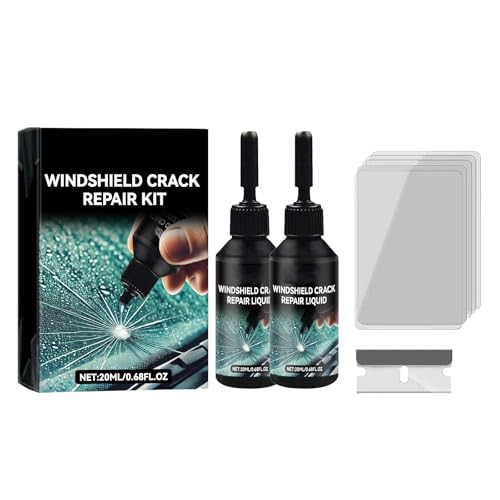
For small chips and cracks under a few inches, a DIY kit like the RainX Fix a Windshield Kit can stop the damage from spreading for about the cost of a single takeout dinner. It’s not a substitute for professional replacement, but it buys you time and saves the deductible. We’ll talk more about when it makes sense later.
Car Window Repair Cost: The Real 2026 Price Range
Let’s start with the big picture. In 2026, you’re looking at these baseline numbers for professional service:
- Chip repair: $50 to $150 per chip
- Windshield replacement: $200 to $500 for standard glass on a mainstream sedan
- Windshield replacement with ADAS calibration: $800 to $1,500+
- Side window replacement: $150 to $400 per window
- Rear window replacement: $250 to $600
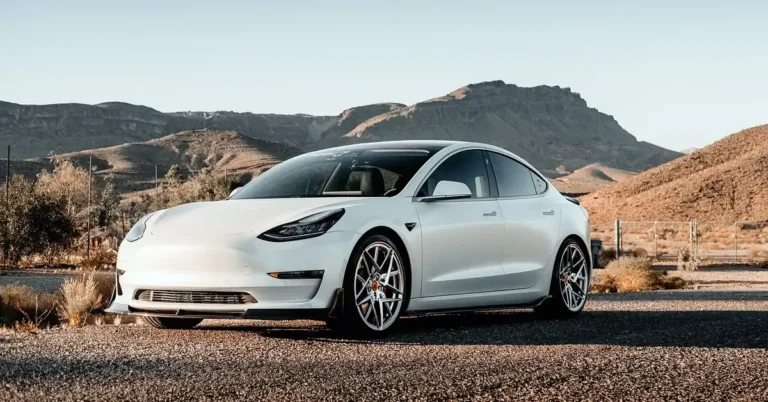
Those ranges assume you’re driving a common car like a Honda Civic or Toyota Camry. The moment you own a luxury vehicle, a Tesla, or anything with a heads-up display, add 50% to 100% to every number. Dealer-only glass for BMW or Audi models can push a simple windshield replacement past $1,800.
Here’s a hard truth: if someone quotes you $150 for a full windshield replacement, walk away. That price tells you they’re using cheap glass, skipping corrosion treatment, or rushing the urethane cure time. A proper installation takes at least an hour of labor plus materials. You can’t do that profitably at $150.
Cost by Window Type: Windshield vs. Side vs. Rear
Why the windshield is always the most expensive
The windshield isn’t just a piece of glass. It’s a structural component. It carries up to 30% of the vehicle’s torsional rigidity in a rollover, and it’s the mounting point for the passenger airbag. That’s why it uses laminated glass — two layers of glass bonded with a plastic interlayer. When a rock hits it, the interlayer holds the shards together.
Laminated glass costs more to manufacture and install. Plus, modern windshields often have sensors for rain detection, lane departure warnings, and adaptive cruise control. Each sensor needs to be transferred or replaced, and the camera behind the rearview mirror needs precise recalibration. That’s where the price jumps.
The surprising cost difference between front and rear side windows
Most drivers assume all side windows cost the same. They don’t. Front side windows use tempered glass, which shatters into small pebbles on impact. Rear side windows and quarter windows often use the same tempered glass, but the shape and size differ.
The real cost difference comes from the regulator and motor. If the glass broke because of an impact, you’re just paying for glass and labor. If the window fell into the door or the motor burned out, you’re adding $100 to $250 for the regulator assembly. Rear windows on SUVs and minivans are heavier and sometimes have a different track system, which means more labor time and a higher quote.
One more thing: aftermarket side glass is usually fine. Unlike windshields, side windows don’t have to meet the same optical clarity standards. You can safely save 30% to 40% with aftermarket glass on side windows. The same isn’t always true for windshields, especially on cars with cameras.
The 7 Hidden Factors That Double Your Quote
You got a quote for $350. The final bill was $780. Here’s where the difference came from.
ADAS recalibration: The $200+ add-on nobody mentions
Advanced Driver Assistance Systems (ADAS) include features like lane keep assist, automatic emergency braking, and adaptive cruise control. These systems rely on cameras and sensors mounted on or near the windshield. When the glass is replaced, the camera’s angle changes slightly. It must be recalibrated.
Some shops quote the glass replacement without mentioning recalibration. Then they hit you with a $200 to $400 add-on after the glass is in. That’s not a scam — it’s a legitimate requirement. But you should know about it before you approve the work. Ask upfront: “Does this quote include ADAS recalibration?” If they say no, get the recalibration price in writing.
If you drive a 2026 or newer vehicle with any of those features, plan for this cost. There’s no way around it. Some automakers require OEM glass for the cameras to function correctly. Aftermarket glass can cause false readings or system faults. Check your owner’s manual or call the dealer to confirm whether OEM is mandatory.
Trim, molding, and corrosion: The “while we’re in there” costs
Old windshields have old trim. The rubber molding that seals the glass to the frame can crack and leak. The metal frame underneath can corrode, especially in northern states where road salt is common.
A good shop will show you the corrosion before they install new glass. Then they’ll recommend sanding, priming, and rust treatment. That’s an extra $50 to $150. If the frame is badly rusted, you might need a new windshield frame section, which is bodywork and can cost $500 or more. That’s a rare case, but it happens.
Don’t skip the corrosion treatment. If you do, the new windshield will leak within a year, and the rust will spread. You’ll pay double later to fix it properly.
The other five factors
- Vehicle make and model: Luxury and exotic cars have expensive glass. A Porsche 911 windshield can cost $1,200 just for the part.
- Mobile service: Coming to your home or office adds $50 to $100. It’s convenient, but you pay for it.
- Rain sensors and heated glass: These features add $100 to $300 to the part cost.
- Sunroof glass: Cracked sunroofs are a separate job, usually $300 to $800 depending on size.
- Urgent turnaround: Need it done today? Expect a rush fee of $50 to $100.
DIY vs. Professional: The True Cost of Saving $100
A chip repair kit costs $15 to $25. A professional chip repair costs $50 to $150. The math seems obvious. But here’s the catch: DIY kits work well for small, clean chips. They struggle with long cracks, cracks that reach the edge of the glass, or damage that’s been exposed to dirt and moisture for more than a week.
The Rain-X kit we mentioned earlier handles round damage up to 1 inch and cracks up to 12 inches. That covers most rock chips. The process takes about 20 minutes in direct sunlight. You apply the resin, add the curing strip, and let the sun do the work. It’s not perfect — you’ll still see a faint mark — but it stops the crack from spreading and restores structural integrity.
When should you skip DIY? If the crack is longer than 12 inches, if it’s in the driver’s direct line of sight, or if the glass is already compromised with multiple cracks. In those cases, a professional repair or replacement is the only safe option. Also, if your state requires a safety inspection, a poorly repaired chip may fail. Check your local rules before you DIY.
The real cost comparison isn’t just money. It’s time and risk. A professional repair takes 30 minutes and comes with a warranty. A DIY repair takes your afternoon and might not hold. For a single chip, DIY is a reasonable gamble. For anything bigger, pay the pro.
How to Use Insurance Without Raising Your Premiums
Comprehensive coverage typically covers windshield replacement. The catch is your deductible. If your deductible is $500 and the windshield costs $350, filing a claim makes no sense. You’d pay more than the repair.
Many insurers offer zero-deductible glass coverage for an extra few dollars per month. If you live in an area with lots of gravel roads or construction, that rider pays for itself quickly. Check your policy before you need it.
Here’s the negotiation tactic: when the shop quotes you $800 but your insurance estimate says $600, don’t just pay the difference. Ask the shop to submit a supplement to the insurance company. A supplement is a formal request for additional payment based on hidden damage or higher part costs. Good shops do this all the time. You just have to ask.
If the insurance company denies the supplement, ask for a detailed line-item breakdown from the shop. Compare it against the insurer’s estimate. Often, the difference comes down to OEM vs. aftermarket glass. If your policy doesn’t mandate OEM, you can accept aftermarket glass and save $200 or more. The shop can’t switch without your approval, so make sure you’re present for that decision.
One warning: filing multiple glass claims in a short period can trigger a premium increase, even with comprehensive coverage. Insurers track frequency. If you’ve filed two claims in the last year, consider paying out of pocket for the third.
5 Questions to Ask Before You Approve the Repair
- Is this quote including ADAS recalibration? Get a yes or no in writing. If no, ask for the recalibration price.
- What brand of glass are you using? OEM, aftermarket, or a specific brand like Pilkington or PPG? Ask to see the box.
- Does the warranty cover leaks and corrosion? A lifetime warranty that only covers the glass itself isn’t worth much. You want coverage for installation defects and water leaks.
- How long will the urethane take to cure? Modern urethane needs 1 to 2 hours before the car is safe to drive, and 24 hours for full strength. If they say “drive it immediately,” they’re using cheap adhesive.
- Will you treat the existing corrosion? If the frame has rust, they need to clean and prime it before installing the new glass. If they say “it’s fine,” get a second opinion.
How to Get the Best Price (Without Sacrificing Safety)
Get three quotes. Not two. Three. Compare the line items, not just the totals. A quote that includes corrosion treatment and new molding might be $100 more than a bare-bones quote, but it’s the better deal.
Ask about mobile service discounts. Some shops charge less for mobile work because they don’t have to pay for a shop bay. Others charge more. It’s worth asking.
Timing matters. Shops are slower in winter in cold climates. They’re busier after hailstorms. If you can wait a week, you might get a better price. If you can’t wait, you’ll pay a premium for urgency.
Check the shop’s reputation with your local Better Business Bureau or online reviews. A shop with a 4.8-star average and 1,000 reviews is a safer bet than a shop with five reviews and a great price. You’re not just paying for glass. You’re paying for the skill to install it without leaks, wind noise, or airbag deployment issues.
For a deeper look at related costs, check out our guide on car window glass replacement for more specifics. And if you’re weighing whether to fix the car at all, our piece on car repair worth it can help you decide.
Frequently Asked Questions
Can I drive with a cracked window?
Yes, but with limits. A small chip or crack under 6 inches is usually safe to drive with temporarily. Anything longer, or a crack that reaches the edge of the glass, compromises the structural integrity. A cracked windshield can fail a safety inspection, and in a rollover, it won’t hold the roof. Also, a crack in the driver’s line of sight is a visibility hazard and can get you a ticket in some states. Drive to the shop, not across the country.
How long does a replacement take?
A windshield replacement takes 60 to 90 minutes of labor. But you shouldn’t drive the car for at least 1 hour after installation. The urethane adhesive needs time to cure. For full strength, wait 24 hours. Side windows are faster — usually 30 to 45 minutes. Rear windows on SUVs can take longer due to the defroster grid and wiper motor connections. Mobile service adds 30 minutes for setup and travel.
Can I claim a windshield replacement on my insurance without a deductible?
It depends on your policy. Some states, like Florida and South Carolina, require insurers to offer zero-deductible glass coverage. In other states, you need to have purchased that rider. If you don’t have it, you’ll pay your comprehensive deductible. Check your policy documents or call your agent. Don’t assume anything — the difference between $0 and $500 is significant.
Is aftermarket glass as good as OEM?
For side and rear windows, yes. Aftermarket tempered glass meets the same safety standards. For windshields, it’s more complicated. Aftermarket glass can be slightly thinner or have different optical properties. On cars with ADAS, aftermarket glass can cause camera misalignment. If you drive a mainstream car without cameras, aftermarket is a fine choice. If you drive a luxury car or a Tesla, stick with OEM. Always ask the shop if the aftermarket glass is certified to meet OEM specifications.
Why did my quote double after the technician arrived?
This happens for three reasons. First, the technician found corrosion under the old molding. Second, the vehicle requires ADAS recalibration that wasn’t in the initial quote. Third, the shop quoted aftermarket glass but the vehicle requires OEM. All three are legitimate. But you have the right to approve any price increase before work begins. If they start working and then hit you with a higher bill, that’s a red flag. You should have signed a work order with a final price before they touched the car.
What to Actually Do Right Now
- If you have a chip smaller than a quarter, buy a DIY kit and fix it today. It costs less than a professional repair and stops the spread.
- If you have a crack longer than 6 inches, call a professional. Don’t wait.
- Get three written quotes. Compare the line items, not just the totals.
- Ask about ADAS recalibration before you approve anything. Get the price in writing.
- Check your insurance policy for glass coverage. Know your deductible before you file a claim.
- Don’t accept a $150 windshield replacement quote. It’s a sign of cheap materials or rushed labor.
- Verify the warranty covers leaks and corrosion, not just the glass itself. Ask for the warranty terms in writing.
Car window repair cost doesn’t have to be a mystery. The numbers are predictable if you know what to look for. Armed with these questions and price ranges, you can walk into any shop and get a fair deal. The worst thing you can do is accept the first quote without asking a single question. You have the information now. Use it.
Products related to this article
Sponsored / affiliate links. As an Amazon Associate I earn from qualifying purchases. I may earn additional commission from eligible campaigns.