What Does a GPS Tracker on a Car Look Like? (Types and Sizes)
A GPS tracker on a car usually looks like a small black plastic box, ranging from about the size of a key fob to a deck of cards, depending on the type. Some plug straight into the OBD-II port under the dashboard, some are wired directly into the electrical system, and others use magnets to hide underneath the vehicle. Here is what each type actually looks like, where it hides, and how to spot one on your own car.
Types of GPS Trackers for Cars
BEST FOR REAL-TIME VEHICLE TRACKING
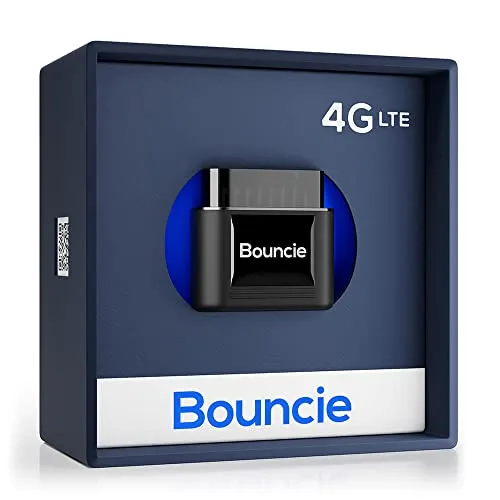 |
Bouncie GPS Tracker for Vehicles – $89.99 A real example of the plug-in style tracker described below: it plugs straight into the OBD-II port and reports real-time location, speed, and geofence alerts to a phone app.
|
GPS trackers for cars fall into four main categories, and each one has a distinct look, size, and typical hiding spot. The table below breaks down what to expect from each type before we go through them one by one.
Plug-In GPS Trackers
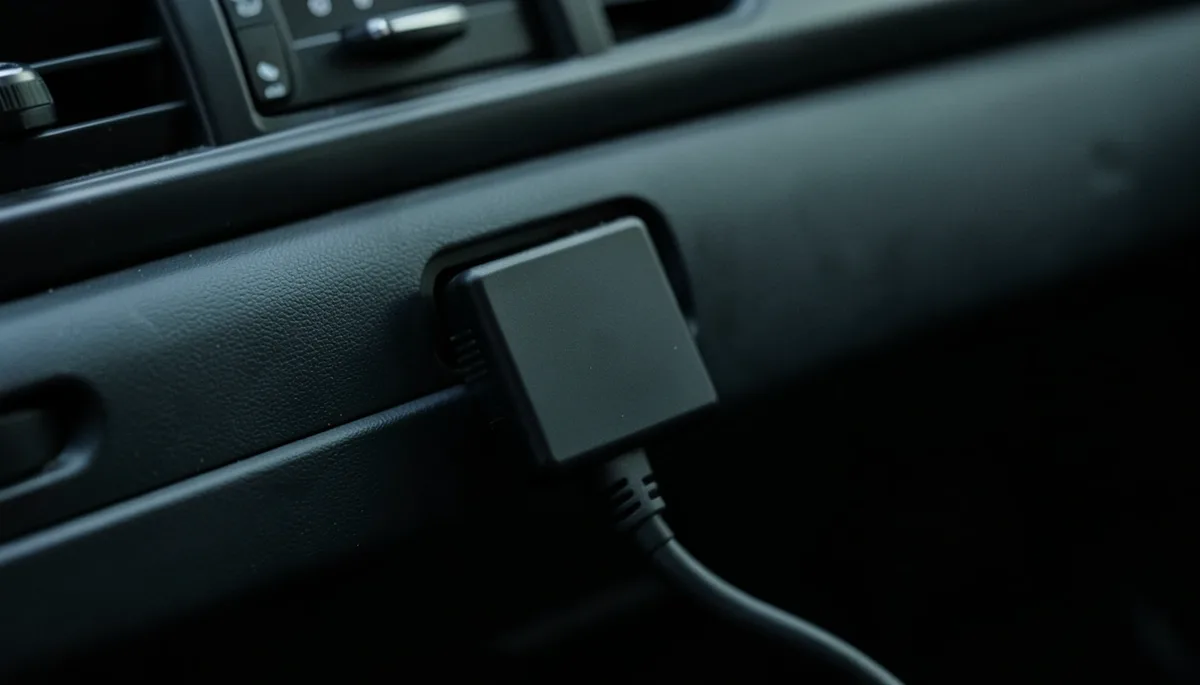
Plug-in trackers are the most common type on the market. They connect directly to the car’s OBD-II port, the same diagnostic port a mechanic uses to read engine codes, which sits under the dashboard near the steering column on most cars built since 1996. These devices are small and rectangular, roughly the size of a phone charger, with a plain black or gray plastic shell. Many have a tiny LED that blinks to show they are powered and transmitting. Because they draw power straight from the car, they never need charging, but they are also the easiest type to spot and unplug if someone knows where to look.
Hardwired GPS Trackers
Hardwired trackers are spliced directly into the car’s electrical system, usually behind the dashboard or somewhere under the hood, so there is no exposed plug to notice. They are typically about the size of a matchbox and built from durable plastic or a metal housing. Because installation takes more time and some basic wiring knowledge, these units are popular for anyone who wants a tracker that is genuinely hard to find or remove, such as fleet vehicles or a car that needs long-term, tamper-resistant monitoring.
Magnetic GPS Trackers
Magnetic trackers are rugged, weatherproof boxes, usually about the size of a deck of cards, with a strong magnet built into the back so they can attach to any bare metal surface. They are most often mounted under the chassis, inside a wheel well, or near the frame rail, and the casing is normally matte black to blend in with road grime and shadow. Because they are not wired into anything, they can be moved from one vehicle to another in seconds, which makes them a favorite for anyone who tracks more than one car.
Battery-Powered GPS Trackers
Battery-powered trackers are standalone units, often no larger than a key fob, that run on their own internal battery instead of the car’s power. They can be tucked almost anywhere: the glovebox, under a seat, inside a door pocket, or in the trunk. Most are simple molded plastic with a single button or a small status light. They are the easiest type to hide because they need no wiring at all, but they also need regular recharging or a battery swap, usually every few weeks to a few months depending on how often they report location.
| Type of GPS Tracker | Appearance | Typical Size | Common Placement |
|---|---|---|---|
| Plug-In | Rectangular, plastic, small blinking LED | About the size of a phone charger | OBD-II port, under the dashboard |
| Hardwired | Small box, plastic or metal shell | About the size of a matchbox | Behind the dashboard or under the hood |
| Magnetic | Rugged, weatherproof, matte black | About the size of a deck of cards | Under the chassis or a metal surface |
| Battery-Powered | Lightweight molded plastic | About the size of a key fob | Glovebox, under a seat, or in the trunk |
What Do GPS Trackers Look Like Inside a Car?
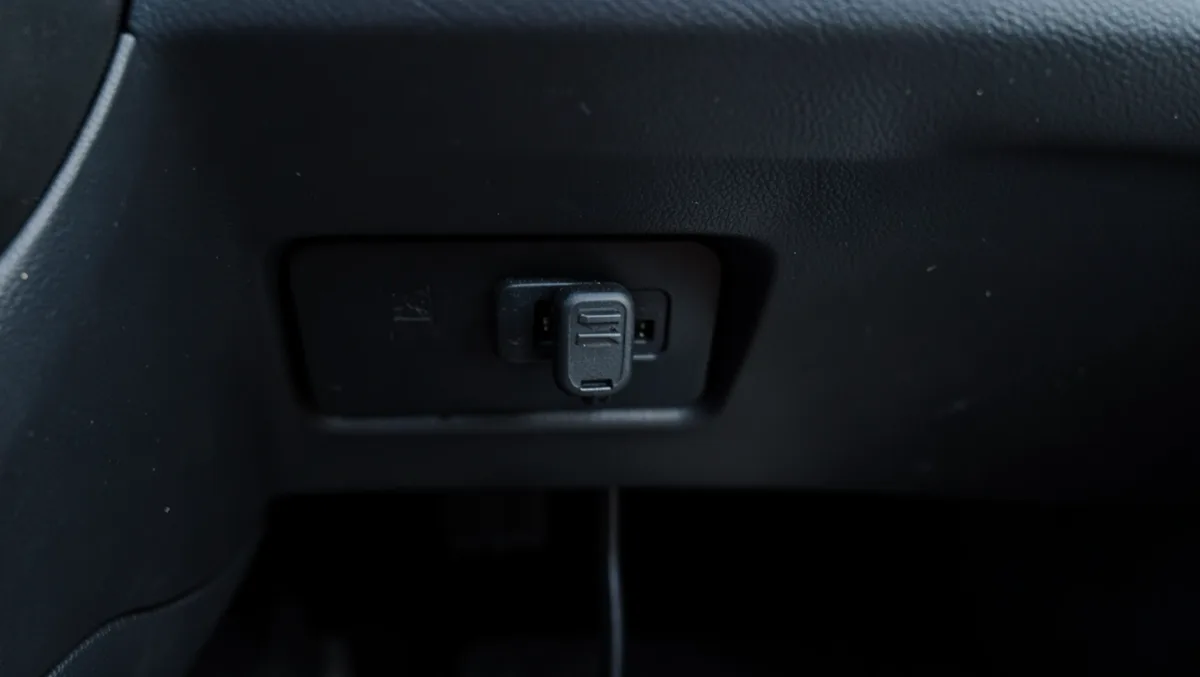
Spotting a tracker inside the cabin depends on the type. A plug-in model will be sitting in the OBD-II port, usually a black rectangular connector plugged in where a mechanic would attach a diagnostic scanner, roughly under the steering column or lower dashboard edge. Hardwired trackers are harder to see; you generally have to reach behind the dashboard panel or peer under the steering column, where the unit may be zip-tied or taped to a wiring harness. Battery-powered trackers can be placed almost anywhere a hand can reach, including inside door panels, under floor mats, or wedged into a seat pocket.
When checking the cabin, use a flashlight and go slowly: look for anything that seems out of place, a small box, a loose wire that does not connect to anything obvious, or a component that was not there when the car left the factory or dealership.
What Do GPS Trackers Look Like Outside a Car?
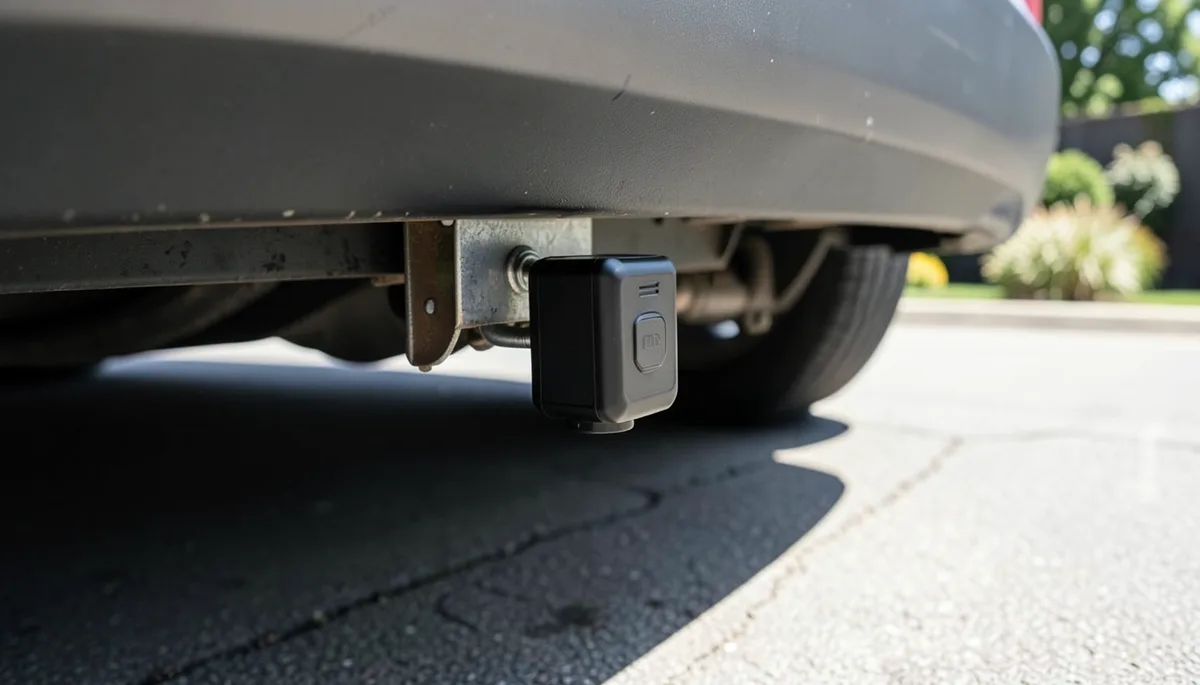
Outside the car, trackers are almost always the magnetic type, built to survive rain, road salt, and temperature swings. They are usually rectangular or square, with a tough, weatherproof plastic casing that is often matte black or dark gray to blend into shadow and undercarriage grime. The most common spots are under the frame rail, tucked behind a bumper, or inside a wheel well, attached with a strong magnet to any exposed metal surface.
To check for one, get low and run a hand along accessible metal surfaces under the car, feeling for anything boxy that does not belong. A small blinking LED, if the unit has one, can also give it away in low light.
Why Do GPS Trackers Look the Way They Do?
The design of a GPS tracker comes down to two priorities: staying hidden and surviving the environment it is placed in. A bulky, obvious device defeats the purpose for security or monitoring use, so manufacturers keep the casings small and plain, usually black or gray so they disappear against dashboard trim, wiring, or the underside of a vehicle. Materials are chosen for durability: plastic housings for interior units, and reinforced, weatherproof plastic or metal for anything mounted outside where it will face rain, heat, and road debris.
Ease of installation matters too. Plug-in trackers are built to match the universal OBD-II connector so almost anyone can install one without tools, while magnetic trackers use strong rare-earth magnets so they can be placed or moved in seconds. Any LED indicator is usually dim and small on purpose, enough to confirm the device is powered on without drawing attention.
Is It Legal to Put a GPS Tracker on Someone’s Car?
In the United States, placing a GPS tracker on a vehicle you do not own or lease, without the owner’s or lessee’s consent, is illegal under state law nationwide, and several states, including Michigan, Tennessee, and Delaware, have specific criminal statutes covering it. There are two well-established exceptions: business owners can track company-owned vehicles that employees drive without needing employee consent, and law enforcement can place a tracker on a suspect’s vehicle with a valid warrant. This is general information, not legal advice, so check your state’s specific statute or talk to an attorney before installing a tracker on any vehicle you do not fully own.
How to Spot a Hidden GPS Tracker
If you suspect a tracker was placed on your car without your knowledge, start with the obvious spots (for a full walkthrough, see our guide on how to check if your car has a GPS tracker): the OBD-II port, under the seats, and inside the glovebox. For a hidden hardwired unit, check behind the dashboard panel and near the fuse box, looking for loose wires or a small device secured with tape or zip ties that does not match the rest of the factory wiring.
A handheld bug detector can also help. These devices scan for the radio frequencies that many GPS trackers use to transmit location data, and while they are not foolproof against every model, they can flag an active transmitter you might otherwise miss. If you are seriously concerned, a mechanic or a professional debugging service can run a full sweep of the vehicle for real peace of mind.
Why Use a GPS Tracker on a Car?
The most common reason people install a car GPS tracker is theft recovery: real-time tracking shows exactly where the vehicle is at any moment, which is critical if it is ever stolen. Parents also use them to keep tabs on a new teen driver, and businesses rely on them to monitor fleet vehicles, confirm routes, and check that drivers are where they should be during work hours.
Many trackers also support geofencing, which sends an alert if the car leaves a set area, such as a driveway or a parking lot. That feature is especially useful for a vehicle that sits parked somewhere for an extended period, since any unexpected movement triggers an immediate notification.
Choosing the Right GPS Tracker for Your Car
The right type of tracker depends mostly on how permanent you need it to be and how much effort you want to put into installation. A plug-in tracker is the simplest option: affordable, no tools required, and easy to move to another car later. A hardwired tracker is a better fit if you want something that is genuinely difficult to remove, since it is not just unplugged (see our step-by-step GPS tracker installation guide either way). A magnetic tracker makes sense if you need flexibility, such as moving the same device between multiple vehicles.
Beyond the physical type, think about what features actually matter to you. Real-time tracking updates location constantly, while a basic logger only records trip history for later review. Most modern trackers pair with a phone app, and nearly all real-time models require an ongoing data subscription, so factor that recurring cost into the total price before buying.
Common Features of GPS Trackers
Most car GPS trackers share a similar feature set. Real-time tracking is standard on nearly every modern device, showing the car’s location on a map inside an app. Geofencing is also common, and many trackers add speed alerts or driving-behavior reports, which are especially useful for parents monitoring a new driver or fleet managers overseeing multiple vehicles.
Battery life depends entirely on the type. Plug-in trackers draw power directly from the car, so they never need charging as long as the vehicle runs. Battery-powered units typically last anywhere from a few weeks to a few months per charge, and magnetic trackers often use a rechargeable internal battery rated for months of standby time. Check the expected battery life before buying, since it directly affects how often you will need to service the device.
Conclusion
A GPS tracker on a car is almost always a small, plain black or gray box, whether that is a plug-in unit sitting in the OBD-II port, a hardwired module tucked behind the dashboard, or a magnetic case stuck to the underside of the vehicle. The size ranges from a key fob to a deck of cards, and the design always favors staying hidden over standing out. Whether you are buying one for security, monitoring a teen driver, or managing a small fleet, understanding what each type looks like makes it much easier to install the right one, or to spot one that should not be there.
Frequently Asked Questions
What is the smallest GPS tracker for a car?
The smallest car GPS trackers are battery-powered units about the size of a key fob or a pack of gum. They run on an internal battery instead of the car’s power, so they can be tucked into a glovebox, under a seat, or inside a door panel.
Can I install a GPS tracker myself?
Yes. Plug-in trackers just push into the OBD-II port, usually under the dashboard, with no tools required. Hardwired trackers involve splicing into the car’s wiring and are easier with basic electrical experience or a professional installer.
How do I know if there’s a GPS tracker on my car?
Check the usual hiding spots first: the OBD-II port under the dashboard, under the seats, inside the glovebox, and the underside of the car near the frame or wheel wells. A handheld RF or bug detector can also pick up the signal some trackers transmit.
Do all GPS trackers need a subscription?
No, but most real-time trackers do. A subscription pays for the cellular data connection that sends location updates to an app. Some basic GPS loggers store trip data locally on the device instead and need no monthly fee.
Can a GPS tracker stop my car from being stolen?
A GPS tracker will not physically stop a theft in progress, but it lets you or the police locate the vehicle quickly afterward, which significantly improves the odds of recovering it undamaged.
Is it legal to put a GPS tracker on someone’s car?
In the United States, it is illegal in every state to place a tracker on a vehicle you do not own or lease without the owner’s consent. The main exceptions are employers tracking their own company-owned vehicles and law enforcement acting under a warrant.
Products related to this article
Sponsored / affiliate links. As an Amazon Associate I earn from qualifying purchases. I may earn additional commission from eligible campaigns.