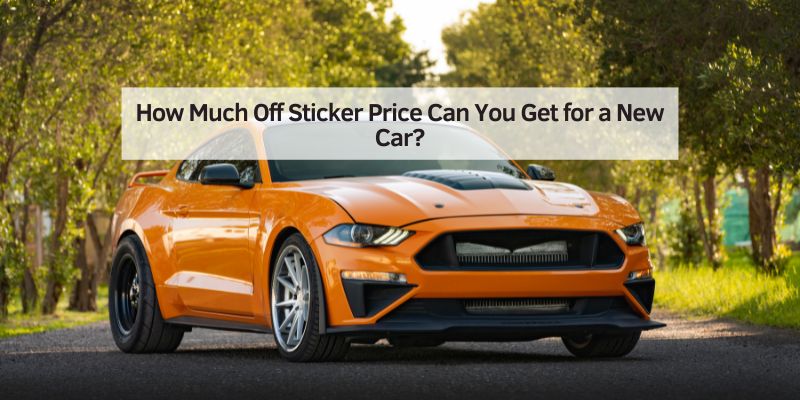
How Much Off Sticker Price Can You Get for a New Car?
I remember my first time buying a new car—a shiny blue sedan that caught my eye. I walked into the dealership thinking I’d charm my way to a huge discount, but I quickly learned it’s not that simple! Negotiating the sticker price can feel like a game, but with the right moves, you can save big. This article will guide you through how much you can get off the sticker price for a new car. I’ll share easy tips, real-world examples, and mistakes to avoid, all in plain words for beginners, car enthusiasts, and savvy shoppers in the USA.
What Is the Sticker Price?
The sticker price is the number you see on a new car’s window label, also called the Monroney sticker. It’s the manufacturer’s suggested retail price (MSRP) plus extras like destination fees or optional features. Think of it as the starting point for your deal. It matters because it shows what the dealer wants, but you can often pay less. Knowing this price helps you plan your budget and negotiate smartly.
Why the Sticker Price Isn’t the Final Price
Dealers set the sticker price, but it’s not set in stone. They buy cars from the manufacturer at a lower cost, called the invoice price. The difference is their profit. If a car’s in high demand, you might pay close to the sticker price. If it’s been on the lot for months, you can often get a discount. Supply and demand drive the deal.
How Much Can You Save Off the Sticker Price?
On average, you can negotiate 3-5% off the sticker price, but it depends. For a $30,000 car, that’s $900-$1,500 in savings. In 2025, some cars sell below sticker due to better inventory, while hot models might even go above MSRP with “market adjustments.” My friend once got $2,000 off a $35,000 SUV because it was a leftover model. Timing and research are key!
Factors That Affect Your Discount
Several things decide how much you can save:
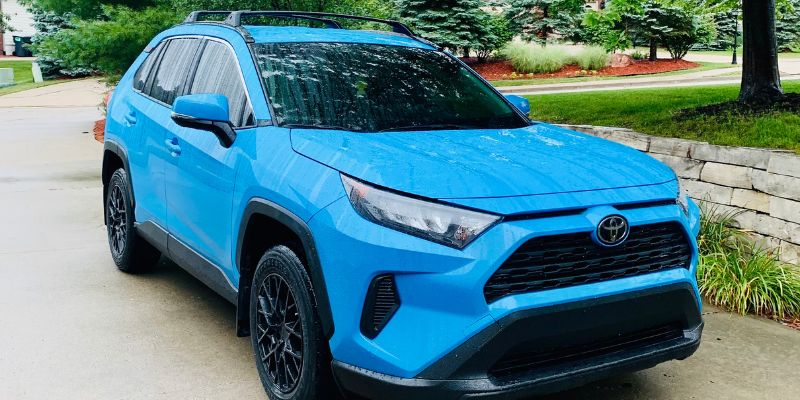
- Car Demand: Popular cars like a new Toyota RAV4 might stick close to MSRP. Less popular ones, like a Dodge sedan, often have bigger discounts.
- Inventory: If a dealer has too many cars, they’re more likely to cut the price.
- Timing: Shop at the end of the month or year when dealers want to hit sales goals.
- Your Skills: Good negotiation can shave off extra dollars.

Step-by-Step Guide to Negotiate a Lower Price
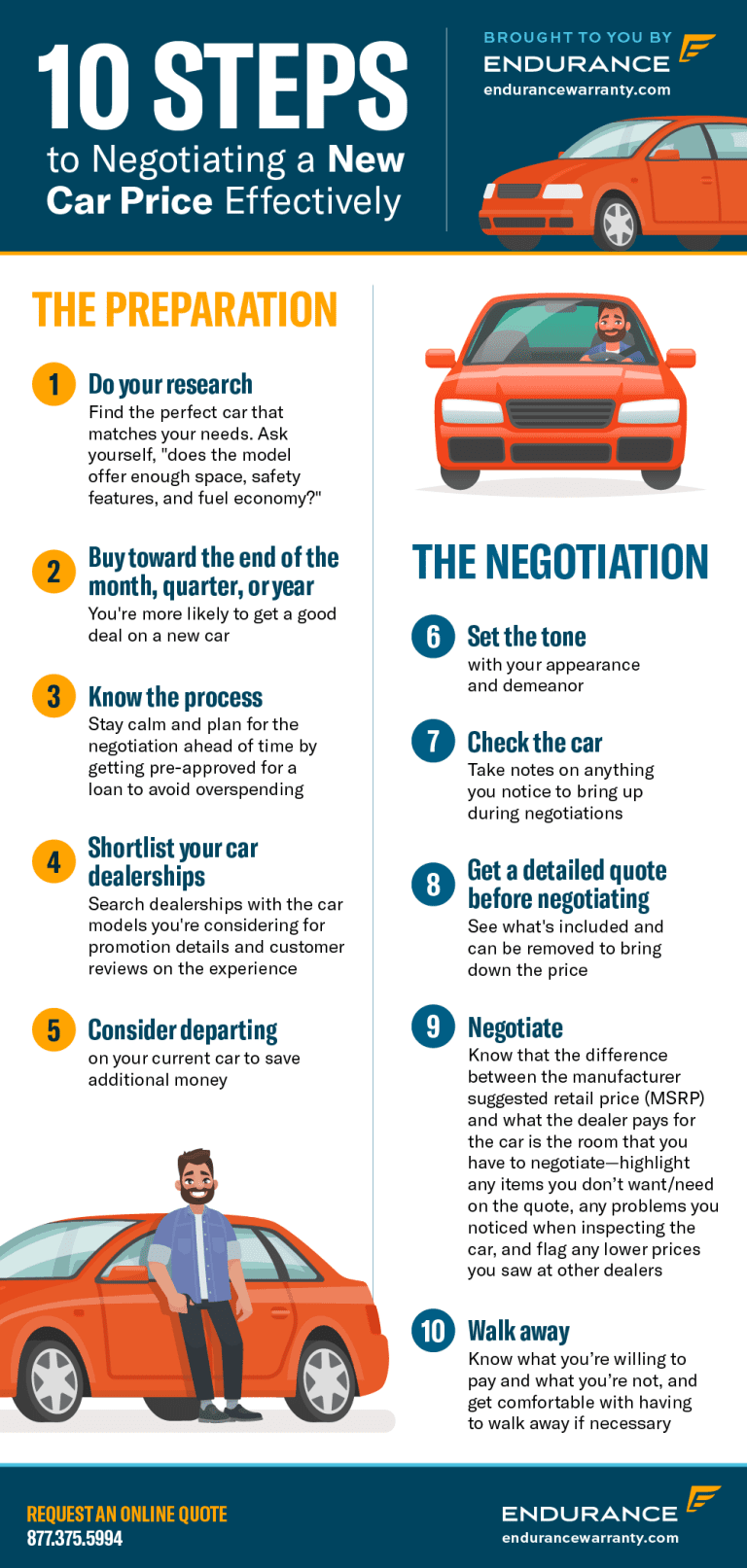
Negotiating is easier than it sounds. Here’s how I do it, step by step:
- Research the Car’s Value: Check the invoice price and market value on sites like Kelley Blue Book or Edmunds. For example, a $30,000 MSRP car might have an invoice price of $28,000.
- Get Multiple Quotes: Contact dealers online for price quotes. I once emailed three dealers and got offers $1,000 apart for the same car!
- Set a Target Price: Aim for 3-5% above the invoice price. For a $28,000 invoice, offer $29,000-$29,500.
- Negotiate in Person: Visit the dealer, be polite, and stick to your target. Don’t share your budget upfront.
- Walk Away if Needed: If the dealer won’t budge, try another. I walked away once and got a call with a better deal the next day.
Common Mistakes to Avoid
- Focusing on Monthly Payments: Dealers might lower payments but raise the total price. Focus on the out-the-door (OTD) price.
- Skipping Research: Without knowing the invoice price, you might overpay.
- Falling for Add-Ons: Say no to extras like fabric protection unless you need them.
Tools You Need to Negotiate
You don’t need fancy tools, just a few free resources:
- Kelley Blue Book (kbb.com): Find invoice prices and fair market values.
- Edmunds (edmunds.com): Check what others paid in your area.
- Dealer Websites: Compare online quotes to spot the best deal.
- Calculator: Figure out your target price and taxes.
I use my phone to check prices while at the dealership. It’s like having a cheat sheet!
Benefits and Drawbacks of Negotiating
Negotiating can save you hundreds or thousands, making your car more affordable. It also feels great to get a deal! But it takes time, and some dealers won’t budge, especially on high-demand cars. If you’re short on time, no-haggle dealerships like Carvana might be easier, but you could miss out on bigger savings.
Alternative Approaches
If negotiating feels tough, try these:
- Buy a Leftover Model: Last year’s models often have bigger discounts. My cousin saved $3,000 on a 2024 model in 2025.
- Shop at Big Dealerships: They have more cars and might offer better deals.
- Use a Car-Buying Service: Services like CarEdge negotiate for you, but they charge a fee.
My Personal Tips for Bigger Savings
After buying a few cars, I’ve learned some tricks:
- Shop Late in the Year: Dealers clear inventory in December for new models.
- Be Polite but Firm: A friendly attitude works, but don’t give in too easily.
- Check for Rebates: Manufacturers offer cashback, like $1,000 off for students or veterans.
- Avoid Weekends: Dealerships are busier, so salespeople have less time to negotiate.
Once, I saved $1,500 on a truck by shopping on a rainy Tuesday in November. Fewer customers meant more attention from the dealer!
Comparing Costs: Sticker Price vs. Out-the-Door Price
The sticker price isn’t the full cost. The out-the-door (OTD) price includes taxes, fees, and extras. Here’s a quick comparison for a $30,000 car:
| Cost Type | Amount | Notes |
|---|---|---|
| Sticker Price (MSRP) | $30,000 | Base price plus destination fee |
| Negotiated Discount | -$1,500 | 5% off after negotiation |
| Taxes (7%) | $2,030 | Varies by state |
| Dealer Fees | $500 | Doc fees, registration; negotiate down |
| Out-the-Door Price | $31,030 | Total you pay |
Table 1: Example cost breakdown for a $30,000 car.
Hidden Fees to Watch For
Dealers might add fees like:
- Document Fees: $200-$1,000, depending on the state.
- Advertising Fees: Sometimes negotiable.
- Add-Ons: Window tint or VIN etching can cost $500+ but aren’t always needed.
Ask for a fee breakdown before signing. I once got $300 in fees waived just by asking!
Visual Ideas for Better Understanding
To make this easier, imagine these visuals (not included):
- Diagram of a Monroney Sticker: Shows where to find MSRP and fees.
- Negotiation Timeline: A flowchart of the steps above.
- Price Comparison Chart: Graphs showing MSRP vs. invoice vs. market value.
These would help you see the numbers clearly, like a map for your deal.
Frequently Asked Questions
How Much Can I Negotiate Off a New Car’s Sticker Price?
You can often get 3-5% off, or $900-$1,500 on a $30,000 car. It depends on demand, inventory, and your negotiation skills. Check sites like Edmunds for market prices.
Why Do Some Cars Sell Above Sticker Price?
High-demand cars, like a new Corvette, can have “market adjustments” of $1,000-$10,000. Dealers charge more when supply is low. Avoid these by shopping less popular models.
When Is the Best Time to Get a Discount?
Shop at the end of the month, quarter, or year. Dealers want to hit sales goals. December is great for clearing old inventory, like I found with my truck deal.
Can I Negotiate Fees Like Taxes?
Taxes aren’t negotiable, but dealer fees like doc fees can be. Ask for a fee breakdown. I once got a $200 doc fee cut in half by asking politely.
What If the Dealer Won’t Budge on Price?
Walk away and try another dealer. There are plenty of dealerships, and one might offer a better deal. I got a call-back with a lower price after leaving once.
Are No-Haggle Dealerships a Good Deal?
No-haggle dealerships like Carvana are easier but may not save you the most. Compare their price to negotiated deals elsewhere to be sure.
How Do I Know If I’m Getting a Fair Price?
Check Kelley Blue Book or Edmunds for the fair market value. Compare dealer quotes online. If the price is within 3-5% of the invoice, it’s usually fair.
Conclusion
Getting a discount on a new car’s sticker price is like finding money in your pocket—it feels awesome! You can save 3-5% or more with research, timing, and smart negotiating. Use tools like Kelley Blue Book, shop at the right time, and don’t fall for sneaky fees. Try contacting a few dealers this weekend for quotes, or share your own tips in the comments. Happy car shopping, and drive away with a deal that makes you smile!