Waterproof Sealant for Cars: Best Silicone RTV and Butyl Tape Picks
The best waterproof sealant for a car depends on the job: RTV silicone adhesive is the go-to for protecting wiring, small gaps, and gaskets, while butyl tape is built for sealing larger seams like doors, windows, and headlight housings.
Water finds its way into a car through the smallest gaps — a cracked wiring grommet, a loose headlight housing, a trim seam that has lost its factory seal. Left alone, that moisture causes corrosion, electrical shorts, and musty interiors. A good waterproof sealant stops the problem before it starts. Below are three tested picks — two RTV silicone adhesives and one butyl sealant tape — along with a breakdown of which type fits which repair, and how to apply either one for a seal that actually holds up.
Quick Answer
For most jobs — wiring, small cracks, gaskets — use an RTV silicone adhesive like LOCTITE Clear (about $7). For sealing seams on doors, windows, headlights, or trim, use a butyl sealant tape like TAGLLY instead — it seals a wider gap without needing a perfectly smooth surface.
Best Waterproof Sealants for Cars at a Glance
Best Overall Waterproof Sealant
 |
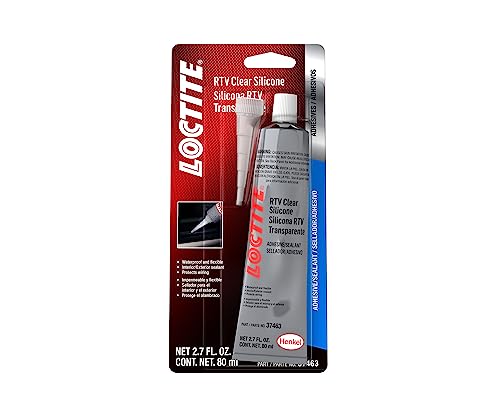
LOCTITE Automotive RTV Clear Silicone Adhesive – $6.97 A flexible, waterproof silicone that stays clear once cured — the easiest first choice for wiring, small gaps, and general repairs.
|
Silicone RTV vs. Butyl Tape: Which Waterproof Sealant Do You Need?
Both product types stop water, but they work in different ways and suit different repairs. Silicone RTV (room-temperature-vulcanizing) adhesive is a paste that you squeeze from a tube, spread into a gap, and let cure into a flexible rubber-like seal — it bonds tightly to a small area and is the standard choice for wiring harnesses, sensor connectors, and gasket repairs. Butyl tape is a thick, sticky, non-hardening rubber strip you press directly into place — it never fully cures, which lets it flex with panel movement and fill wider, uneven gaps that silicone would struggle to bridge, like headlight housings, trim moldings, and door and window seams.
| Factor | RTV Silicone Adhesive | Butyl Sealant Tape |
|---|---|---|
| Best use case | Wiring, gaskets, small cracks | Door/window seams, headlights, trim |
| Application | Squeeze from tube, spread, cure | Peel backing, press into place |
| Cure time | 24 hours to full cure | Never fully hardens (stays flexible) |
| Gap-filling ability | Best on small, even gaps | Bridges wider, uneven gaps |
| Removable/reworkable | Difficult once cured | Can be peeled and re-applied |
If you need a deeper dive into the extreme-temperature, gasket-maker side of silicone sealants — the products mechanics reach for on engine-bay repairs — see our full silicone sealant for cars comparison. And if your job is specifically about sealing trim, moldings, or emblems rather than wiring or panel gaps, our best waterproof tape for car guide compares tape options built for that job.
1. LOCTITE Automotive RTV Clear Silicone Adhesive
The LOCTITE Automotive RTV Clear Silicone Adhesive is the easiest all-around pick for DIYers and pros who need a waterproof, flexible sealant that works both indoors and outdoors. Because it cures clear, it is the one to reach for on visible repairs — sealing a wiring grommet, a small dashboard crack, or a glass edge — where a black or gray bead of sealant would stand out.
Pros:
- Waterproof for reliable sealing in wet conditions
- Flexible adhesive that accommodates joint movement instead of cracking
- Clear finish keeps the original look of the surface
- Protects wiring, guarding electrical connections from moisture
- Rated for both indoor and outdoor use
Cons:
- The 80 ml tube size runs out quickly on larger projects
- Needs a full 24-hour cure before it reaches maximum strength
Its waterproof rating makes it a solid choice anywhere moisture is a risk, from engine-bay wiring to outdoor trim repairs. Because it cures flexible rather than brittle, the seal keeps working through vibration and temperature swings instead of cracking loose the way a rigid filler would. That flexibility, paired with the clear finish, is why it is the most versatile of the three sealants here — and why it is our top overall pick.
You can check current pricing and availability on Amazon here.
2. TAGLLY Butyl Sealant Tape
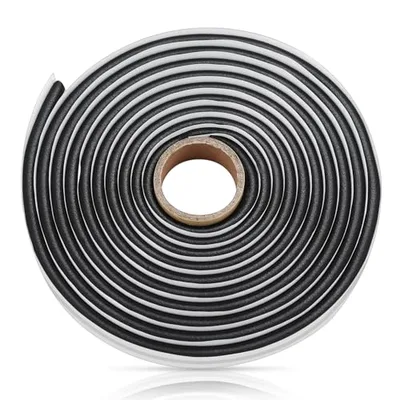
The TAGLLY Butyl Sealant Tape is the pick for installations that a tube of silicone is not built for — door and window seams, headlight housings, and audio system installs. It ships as a 4 m (13 ft) roll at 8 mm diameter, giving you enough tape to seal several trim pieces or one full headlight housing from a single roll.
Pros:
- Professional-grade sealing: 13 ft length and 8 mm diameter cover sealing, sound-deadening, and waterproofing jobs in one roll
- Waterproof and long-lasting: synthetic composite rubber adhesive that stays non-drying and non-hardening across a wide temperature range
- Easy to apply: clean the edge of the headlamp, windshield, door, or window trim, then press the tape into place
Cons:
- Always double-check exact fit, thickness, and compatibility with your specific trim piece before ordering
Because it never fully hardens, this tape stays flexible enough to absorb the vibration and thermal expansion a car body goes through — something a rigid, fully-cured sealant cannot do. That makes it a better fit than silicone for wide or uneven seams, even though the two products solve the same basic problem.
You can check current pricing and availability on Amazon here.
3. LOCTITE Automotive RTV Black Silicone Adhesive
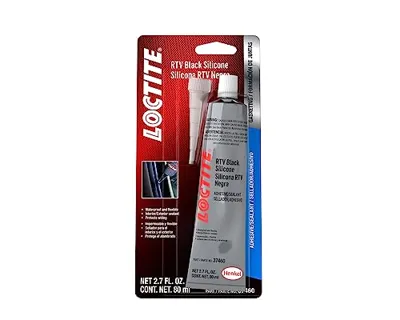
The LOCTITE Automotive RTV Black Silicone Adhesive is the same clear formula’s high-heat sibling — built for spots near an engine bay, exhaust routing, or any repair where the sealant will see sustained heat. It is a good match for automotive enthusiasts, DIYers, and pros who need a waterproof, heat-resistant adhesive that still protects wiring and cures into a flexible, durable seal.
Pros:
- High-temperature resistance for repairs near the engine bay or exhaust routing
- Waterproof and flexible in both indoor and outdoor conditions
- Provides solid protection for wiring and connectors
Cons:
- Only available in black, so it will show on light-colored surfaces
- The 80 ml tube may not stretch far enough for bigger repairs
Its high-temperature rating is the reason to pick this over the clear version — it holds its seal in spots that run hot, where a standard sealant can soften or lose adhesion over time. Combined with its waterproof properties, it is a dependable choice for outdoor or under-hood repairs where both heat and moisture are working against the seal.
You can check current pricing and availability on Amazon here.
How to Apply Waterproof Sealant to Your Car
The application steps differ slightly by product type, but the surface prep matters most either way — sealant only bonds well to a clean, dry, oil-free surface.
- Clean the area. Wipe the surface with isopropyl alcohol and let it fully dry. Any grease, wax, or dust will keep the sealant from bonding.
- For RTV silicone: cut the tube tip at an angle, apply a thin, even bead into the gap or around the connection, and smooth it with a gloved finger or plastic spreader.
- For butyl tape: peel back the release liner a few inches at a time and press the tape firmly into place, working out any air pockets as you go.
- Let it cure undisturbed. Silicone reaches a tack-free state in roughly 30–60 minutes but needs about 24 hours to fully cure; butyl tape never fully hardens, so avoid flexing the seal heavily for the first few hours.
- Check the seal. Once cured, run water over the repaired area (a hose works fine) to confirm no moisture is getting through before you consider the job done.
Frequently Asked Questions
How Does Loctite Clear Silicone Sealant Work?
LOCTITE Clear Silicone Sealant cures into a waterproof, flexible barrier once it is exposed to air, a process called room-temperature vulcanization (RTV). It reaches a tack-free surface in about 30–60 minutes and a full cure in roughly 24 hours. Because it stays flexible instead of turning brittle, it protects car wiring and small gaps from moisture without cracking as the car flexes and heats up.
What Is Butyl Sealant Tape Used For?
Butyl sealant tape is built for car installations that need a wider, flexible waterproof seal than a tube of silicone can provide — sealing doors, windows, and audio systems against water intrusion. Because it never fully hardens, it conforms to uneven surfaces and keeps flexing with the panel instead of cracking, which also helps dampen road noise and vibration.
Why Choose Loctite Black Silicone Sealant?
LOCTITE Black Silicone Sealant offers the same waterproof, flexible seal as the clear version, plus added high-temperature resistance. That makes it the better pick for repairs near the engine bay or exhaust routing, where sustained heat would soften a standard sealant over time. It still protects wiring and seals gaps effectively in both indoor and outdoor conditions.
Is Waterproof Sealant Necessary for Cars?
Yes. Water that reaches wiring, connectors, or metal panels leads to corrosion, electrical shorts, and rust over time. A waterproof sealant closes off the small gaps — cracked grommets, worn trim seals, loose headlight housings — where moisture typically gets in, preventing damage that is far more expensive to fix later than a tube of sealant is to buy.
Can Sealant Tapes Improve Car Insulation?
Yes. Sealant tape creates a barrier against both moisture and air leaks, which helps keep road noise and drafts out of the cabin. It will not replace dedicated sound-deadening material for a full audio build, but on doors, windows, and trim seams it noticeably tightens up the fit and cuts down on rattles and whistling at speed.
How Long Does Automotive RTV Silicone Sealant Take to Cure?
Most automotive RTV silicone reaches a tack-free surface within 30–60 minutes and full cure strength in about 24 hours, though thicker beads and cooler, less humid conditions can extend that. Avoid flexing, submerging, or driving on a fresh repair until the full cure window has passed so the seal has time to reach its full strength.
Conclusion
Choosing the right waterproof sealant comes down to the size and shape of the gap you are sealing. LOCTITE’s clear RTV silicone is the easiest all-around pick for wiring, small cracks, and gaskets, while TAGLLY butyl tape handles wider seams on doors, windows, and headlight housings that a tube of silicone cannot bridge cleanly. When the repair is near the engine bay or exhaust, LOCTITE’s black high-temperature silicone holds up where the standard clear formula would eventually soften.
Whichever you choose, proper surface prep and a full cure are what actually determine whether the seal holds. Clean the area, apply an even bead or press the tape flat, and give it the time it needs to set before putting it back to work — that is what keeps water out and your car’s wiring, trim, and body panels protected for the long run.
Products related to this article
Sponsored / affiliate links. As an Amazon Associate I earn from qualifying purchases. I may earn additional commission from eligible campaigns.