What Is a Vacuum Leak on a Car? Signs, Causes & Fix Cost
A vacuum leak on a car happens when unmetered air enters the intake system, throwing off the engine’s air-fuel ratio — usually through a cracked hose, a hardened gasket, or a loose fitting. Left unfixed, it can trigger a check engine light (codes P0171 or P0174), rough idling, and reduced fuel economy. This guide covers the real signs, the named parts most likely to fail, how a smoke test finds the exact leak, and what repair actually costs.
Quick Answer
A vacuum leak is a gap in a car’s intake or vacuum-hose system that lets outside air bypass the engine’s airflow sensor, making the fuel mixture run lean. It causes rough idling, hissing sounds, and a check engine light (often code P0171 or P0174). Most leaks come from a cracked hose or worn gasket and cost $20–$150 in parts to fix yourself, or $150–$600+ at a shop.
What Is a Vacuum Leak?
A vacuum leak is an unintended gap in a car’s intake or vacuum system that lets outside air enter the engine without passing through the mass airflow (MAF) sensor. The engine’s computer only knows about air it can measure, so this “extra” unmetered air throws off the air-fuel ratio and makes the engine run lean — too much air relative to fuel. It typically shows up as a rough idle, a hissing sound, or a lit check engine light, and it’s fixable in most cases by locating and replacing the failed hose, gasket, or seal.
Modern engines rely on a sealed intake tract to keep that air-fuel ratio precise. Vacuum lines also power other systems in the car — most notably the brake booster, which uses engine vacuum to multiply the force of your foot on the pedal. That’s why a bad enough vacuum leak can affect more than just idle quality.
Signs of a Vacuum Leak
A car with a vacuum leak usually shows a mix of these symptoms rather than just one:
- Hissing or whistling sound from the engine bay, especially at idle
- Rough or fluctuating idle — the RPM surges up and down instead of holding steady
- Stalling, particularly at stops or when turning
- Sluggish acceleration as the engine struggles to build power
- Worse fuel economy as the computer keeps adding fuel to compensate
- Check engine light, often paired with a lean-condition code
A vacuum leak changes the engine’s air-fuel mix enough that it can also cause misfires over time, which is harder on the engine than a rough idle alone.
What Does a Vacuum Leak Sound Like?
A vacuum leak usually sounds like a steady hissing, whistling, or sucking noise coming from the engine bay, most noticeable when the engine is idling and the surrounding area is quiet. The pitch often changes slightly when you press the accelerator, since that changes airflow through the intake. A whistle that gets louder when you press the brake pedal can point to a leak at the brake booster hose specifically.
Vacuum Leak Codes: What P0171 and P0174 Mean
A vacuum leak is one of the most common causes behind two specific OBD-II codes: P0171 (System Too Lean, Bank 1) and P0174 (System Too Lean, Bank 2). Both mean the engine computer is adding more fuel than normal to compensate for extra, unmetered air — exactly what a vacuum leak causes. On a V6 or V8, both codes appearing together usually points to a leak before the throttle body or a shared component like the intake manifold gasket, rather than two separate small leaks.
If your scan tool shows P0171 or P0174, our guide to fixing a car running lean walks through the full diagnostic order — MAF sensor, fuel pressure, and vacuum leaks — since a lean code isn’t always caused by a vacuum leak alone.
Common Causes of a Vacuum Leak
Vacuum leaks almost always trace back to one of a handful of specific, named parts rather than a mystery hole in the engine:
| Component | Why It Fails |
|---|---|
| Vacuum hoses | Rubber dries out, cracks, or splits from heat and age |
| Intake manifold gasket | Hardens and shrinks with heat cycles, opening a gap |
| Throttle body gasket | Same aging process as the intake gasket, closer to the throttle plate |
| PCV valve and hose | Plastic fittings crack, especially on higher-mileage European models |
| Brake booster hose | Wears at the check valve or hose ends; leak often gets worse when braking |
| Vacuum-line hose clamps | Loosen over time, letting a hose slip partway off its fitting |
Diagnosing a Vacuum Leak
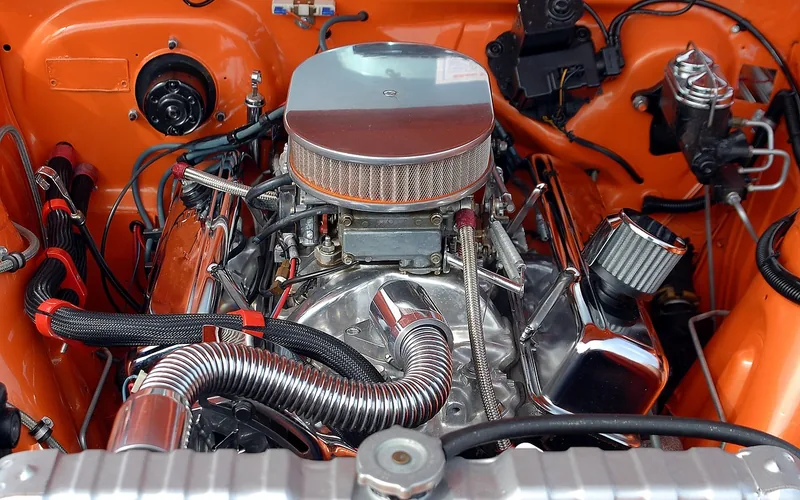
Start with your ears: a hissing sound around the intake manifold, throttle body, or vacuum hoses while the engine idles is the fastest clue. From there, a few simple tests narrow down the exact spot.
- Soapy water or spray-bottle test: spray around suspect hoses and connections while the engine idles — a change in idle speed marks the leak
- Vacuum gauge: a steady low reading (instead of a smooth, higher reading at idle) confirms a leak somewhere in the system
- OBD-II scan: codes P0171 or P0174 point toward a lean condition consistent with a vacuum leak
- Smoke test: a smoke machine forces smoke through the sealed intake system and reveals exactly where it escapes — this is the same method used to find EVAP leaks
- UV dye and blacklight: some smoke machines add a UV-reactive dye to the smoke, so a shop light under the hood reveals residue right at the leak point
Best Vacuum Leak Diagnostic Tool Pick
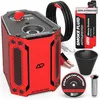
AutoLine Pro HyperSmoke Automotive Smoke Machine EVAP Vacuum Leak Tester
Forces smoke through the sealed intake system so you can watch exactly where it escapes, instead of guessing at hoses one by one.
- Best for: Finding the exact location of a vacuum or EVAP leak without guesswork
- Why we picked it: Uses the same smoke-test method shops often charge $50-$100+ just to perform
- Main drawback: Costs more upfront than a simple gauge or spray-bottle test
Compare more vacuum leak repair options
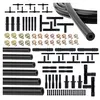 Option 1 6PCS Silicone Vacuum Hose Kit (6 Sizes)
|
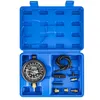 Option 2 NYXOVA Vacuum and Fuel Pump Tester Gauge Kit
|
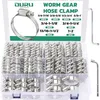 Option 3 OURU 175PCS Hose Clamps Assortment Kit
|
As an Amazon Associate we earn from qualifying purchases.
Effects of a Vacuum Leak
A vacuum leak makes the engine work harder to maintain the right air-fuel mix, which increases fuel consumption and can leave the car feeling weak or slow to accelerate. It also increases tailpipe emissions, since a lean-running engine burns fuel less cleanly — enough to fail an emissions test in some cases.
Engine heat plays a role too: a lean-running engine burns hotter than normal, and prolonged high combustion temperatures can damage exhaust valves, pistons, and the catalytic converter over time.
“A vacuum leak isn’t just a minor inconvenience — it’s a big deal that can cause major engine problems if not fixed quickly.”
Is It Safe to Drive With a Vacuum Leak?
Driving a short distance with a small vacuum leak usually won’t cause immediate damage, but it isn’t recommended for longer trips. A vacuum leak that’s affecting idle or acceleration can worsen while you drive, and running lean for extended periods raises combustion temperatures enough to risk damage to valves, the catalytic converter, or the engine’s bearings. Get a leak diagnosed as soon as you notice rough idling, a hissing sound, or a check engine light — before a minor fix turns into a major repair.
📊 Replacing an intake manifold gasket — the most involved common vacuum-leak repair — typically runs $421 to $1,268 in total parts and labor depending on the vehicle, since the intake often has to come off entirely. — Source: RepairPal, Intake Manifold Gasket Replacement Cost Estimator
How to Prevent a Vacuum Leak
Regular inspection of hoses and seals is the simplest way to catch a vacuum leak before it causes a drivability problem.
Regular Maintenance Practices
Check hoses periodically for cracks, soft spots, or looseness at the connections, and listen for a hissing sound while the engine runs. A flashlight makes it easier to spot cracked or discolored rubber in tight spots. Replace worn parts before they fail rather than waiting for a symptom to show up.
Choosing Quality Replacement Parts
Buy replacement hoses and gaskets from a trusted brand rather than the cheapest option available — thin, low-grade rubber hardens and cracks faster under engine heat. Verify the size and shape match your vehicle before installing, since a hose that’s slightly too loose at the fitting will leak just as much as a cracked one.
How to Fix a Vacuum Leak
Fixing a vacuum leak means finding the exact failed part and replacing it — patching a cracked hose rarely holds up for long. Here’s the full process from diagnosis to a clean retest:
- Listen and inspect: Start the engine and listen for a hissing or whistling sound around the intake manifold, throttle body, and vacuum hoses.
- Check the OBD-II codes: Scan for P0171 (Bank 1) or P0174 (Bank 2), which point to a lean-running condition often caused by a vacuum leak.
- Run a spray test: Spray a small amount of soapy water or unlit carb cleaner around suspect hoses and connections while the engine idles; a change in idle speed marks the leak.
- Run a smoke test: Connect a smoke machine to the intake system and watch for smoke escaping at a cracked hose, gasket, or fitting.
- Replace the failed part: Swap out the cracked hose, hardened gasket, or loose clamp with a properly sized replacement.
- Clear the code and retest: Clear the OBD-II code, take a short test drive, and confirm the idle is smooth and no code returns.
DIY Repair Techniques
Most vacuum leaks come down to replacing a hose or tightening a clamp. Wear gloves to protect your hands from sharp plastic edges, and check every hose along the way rather than stopping at the first crack you find — it’s common for more than one to be worn out at the same time.
Professional Repair Options
A shop brings a smoke machine and experience finding leaks that hide in hard-to-reach spots, such as behind the intake manifold or inside the firewall. Professional labor costs more than doing it yourself, but most repairs come with a warranty, and a mechanic can catch a second, smaller leak that’s easy to miss without the right equipment.
Frequently Asked Questions
What Are the Symptoms of a Vacuum Leak in a Car?
A vacuum leak in a car can cause rough idling, engine misfires, poor fuel efficiency, and unusual hissing sounds. The check engine light might illuminate, and acceleration may feel sluggish. These symptoms indicate a disruption in the air-fuel mixture, affecting engine performance.
Can You Drive a Car With a Vacuum Leak?
Driving with a vacuum leak is possible for a short distance but not recommended for long trips. It can cause poor performance and fuel efficiency issues, and may lead to rough idling, stalling, or engine damage over time. Addressing the leak promptly ensures safety and prevents costlier repairs.
How Do You Fix a Vacuum Leak in a Car?
Locate the vacuum leak using a smoke machine or soapy water, then replace the damaged hose, gasket, or connection. Make sure all clamps are tight and secure, check the intake manifold gasket for damage, and clear the OBD-II code before test-driving to confirm the leak is gone.
What Happens If You Ignore a Vacuum Leak?
Ignoring a vacuum leak can decrease engine performance and fuel efficiency, and may lead to rough idling and stalling. Over time, the lean-running condition raises combustion temperatures enough to risk engine damage. Addressing vacuum leaks promptly prevents these costlier repairs.
What Does a Vacuum Leak Sound Like?
A vacuum leak sounds like a steady hissing, whistling, or sucking noise from the engine bay, most noticeable at idle. The pitch can change when you press the accelerator, and a whistle that gets louder when braking often points to a leak at the brake booster hose.
How Much Does It Cost to Fix a Vacuum Leak?
A simple hose or clamp fix typically costs $20 to $150 in parts if you do it yourself. Shop repairs commonly range from $150 to $600, and an intake manifold gasket replacement — the most involved common repair — can run $421 to over $1,200 depending on the vehicle, since the intake often has to be removed.
Can a Vacuum Leak Trigger Codes P0171 or P0174?
Yes. A vacuum leak is one of the most common causes of codes P0171 and P0174, both of which mean the engine is running too lean (too much air relative to fuel) on Bank 1 or Bank 2. If both codes appear at once on a V6 or V8, the leak is often before the throttle body or in a shared component like the intake manifold gasket.
Conclusion
A vacuum leak is rarely a mystery once you know what to check: listen for hissing, scan for codes P0171 or P0174, and inspect the hoses, gaskets, and clamps most likely to fail. Catching it early keeps repair costs on the low end — a $20 hose instead of a multi-hundred-dollar intake manifold job. Regular hose and gasket checks during routine maintenance are the simplest way to keep your engine running the way it was designed to.
Products related to this article
Sponsored / affiliate links. As an Amazon Associate I earn from qualifying purchases. I may earn additional commission from eligible campaigns.