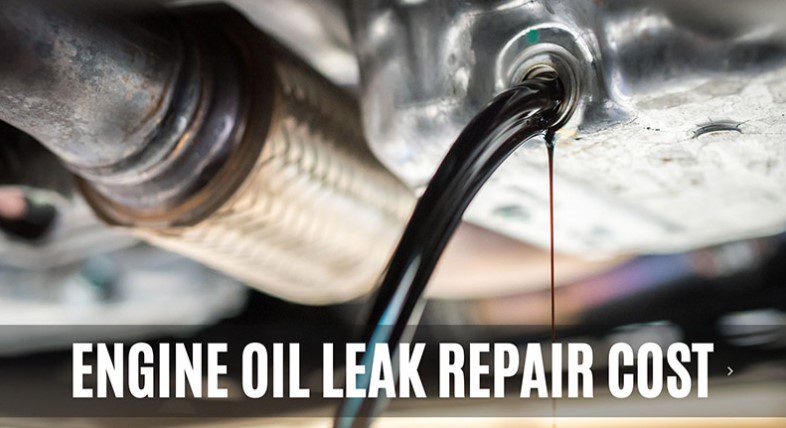
How Much to Fix an Oil Leak in Car: Cost Breakdown
Imagine cruising down the highway, enjoying the smooth ride, when suddenly, you notice a small puddle of oil under your car. Panic sets in as you wonder, “How much will it cost to fix an oil leak in my car?”
You’re not alone in this worry. Many drivers find themselves in the same situation, and understanding what you’re up against can save you time and money. This article will guide you through the costs associated with fixing an oil leak, helping you make informed decisions before heading to the mechanic.
We’ll break down the factors that influence the price, from the type of car you drive to the extent of the leak. By the end, you’ll be equipped with the knowledge to handle this common car issue without breaking the bank. So, if you’re eager to get back to stress-free driving, keep reading—you’ll find everything you need to know right here!
Common Causes Of Oil Leaks
Gaskets and seals can wear out over time. They keep the oil inside the engine. When these parts fail, oil leaks can happen. This is a common problem in older cars. Regular checks can help spot wear and tear early. Replacing these parts can stop leaks.
The oil pan holds the oil at the bottom of the engine. It can get damaged by hitting a rock or debris. A crack or hole in the oil pan will cause a leak. Fixing a damaged oil pan is important. It keeps the engine running smoothly.
The oil filler cap is on top of the engine. It keeps the oil sealed inside. If the cap is loose or broken, oil can leak out. Always check the cap is tight after adding oil. A simple fix, but very important.

Credit: alexcar.com
Symptoms Of An Oil Leak
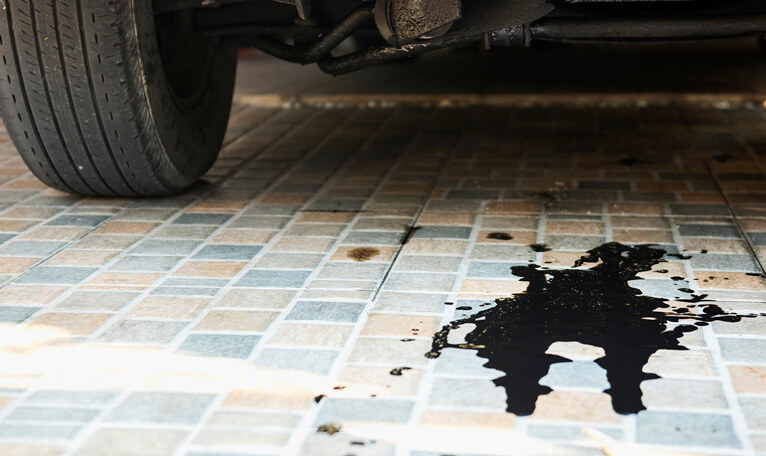
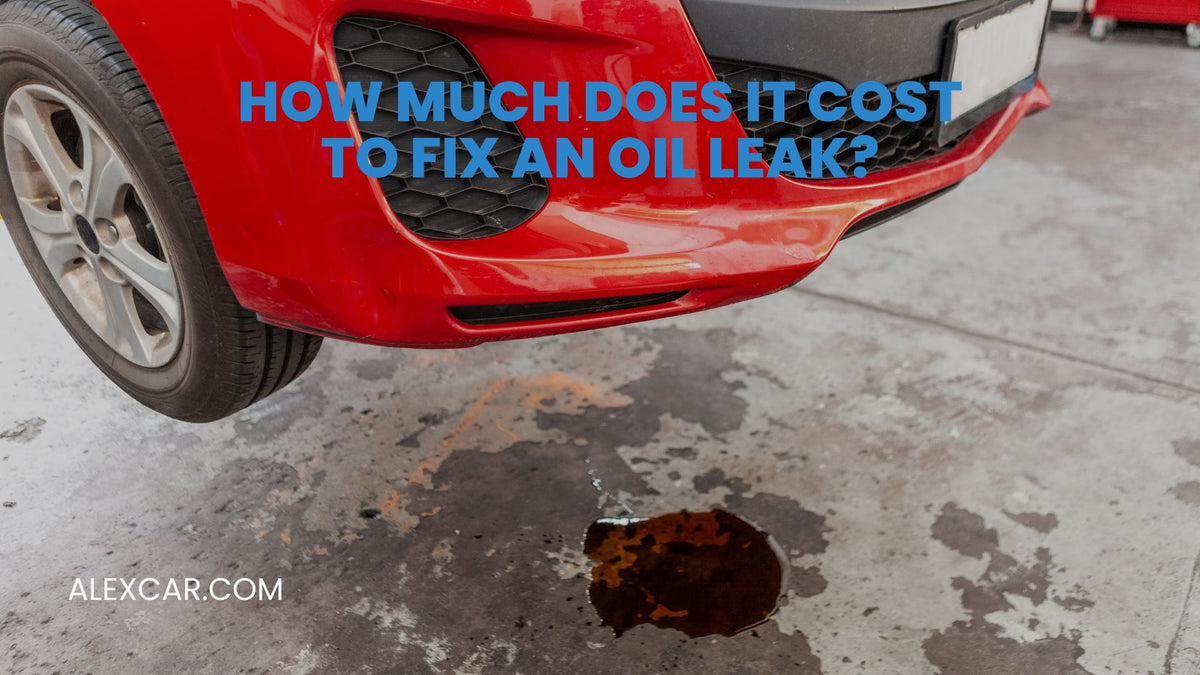
Spotting puddles under your carcan signal an oil leak. These puddles are usually dark brown or black. They can be found near the front of the car. It means oil is dripping from the engine. If not fixed, it can harm your car.
A burning oil smellis a clear sign. This smell can be strong. It happens when oil drips on hot engine parts. Noticing this smell means you need to check your car. It may be dangerous if ignored.
Oil leaks can affect engine performance. The engine might run rough. Sometimes, the car may not start easily. This happens because of oil loss. A leaky enginecan cause serious problems. Fixing it quickly is important.
Diagnosing An Oil Leak
Start by checking under the car. Look for oil spots or stains. These spots can show where the oil leak comes from. Check the engine bay and around seals. These areas often leak. Use a flashlight. This helps see better in dark places. Also, check the oil level with the dipstick. If it’s low, you may have a leak.
A special dye can be added to the oil. This dye helps find leaks. After adding dye, run the engine. Then, use a UV light to check for leaks. The dye will glow under the UV light. This makes it easier to spot leaks. It’s a clever way to see where oil escapes.
A pressure test helps find leaks in the engine. Special tools pump air into the engine. Listen for any hissing sounds. These sounds indicate an oil leak. Check all connections and hoses. Tighten any loose parts. Pressure testing is a useful method for finding hidden leaks.
Cost Factors In Oil Leak Repair
Repairing an oil leak in a car involves several cost factors. Parts and labor are the main expenses. The type of vehicle and extent of damage can also impact the total cost.
Labor Costs
Labor costs can be high when fixing oil leaks. Mechanics charge by the hour. Rates vary from $50 to $200 per hour. Experience affects price. Skilled workers charge more. Location also matters. City garages often charge higher rates.
Parts Replacement
Replacing parts can be costly. Seals and gaskets often need changing. Each part costs $10 to $30. Some parts are hard to find. Special parts might cost more. Replacement can take time. More time means higher labor costs.
Type Of Oil Used
The type of oil affects costs. Synthetic oils are expensive. They last longer. Regular oils cost less. Quality impacts price. Higher quality oils reduce leaks. Choosing the right oil is important. It helps prevent future leaks.
Credit: www.dinggo.com.au
Average Costs For Common Repairs
The gasket can wear out over time. Replacement might cost $100 to $300. Labor costs make the price higher. Quality of parts can affect the total expense. Always check with a mechanic for a clear estimate.
An oil pan might need repairs if damaged. Repairing an oil pan can cost $200 to $500. Costs vary based on the car model. The type of oil pan also influences the price. Mechanics might charge more for complex jobs.
A filler cap is cheap to replace. It might only cost $10 to $30. Easy to fix yourself. A mechanic might charge more for labor. Always ensure the cap is securely fitted to avoid leaks.
DIY Vs. Professional Repair
DIY repaircan save money. You learn new skills. It’s fun. But, it’s not always easy. Some tools are expensive. Mistakes can cause more damage. Fixing oil leaks needs care. Safety is important. Engine partsare delicate. Messing up can be costly. Sometimes, a simple fix becomes complex. Oil leaks can be hard to spot. Be sure before starting.
Seek help when unsure. Professionals have experience. They know what to do. Complex leaksneed experts. If the leak is big, call a mechanic. Professionals have the right tools. They fix leaks fast. No risk of mistakes. Peace of mind is worth it. Safety comes first. Engines need expert care. Don’t wait too long.
Preventing Future Oil Leaks
Regular check-ups keep your car healthy. Inspect engine and parts often. Look for signs of wear and tear. Replace old seals and gaskets. Clean oil filters regularly. Schedule routine inspections with a mechanic. These steps help prevent leaks. They save money and trouble. They protect your car’s engine.
Use high-quality oil for your car. It lasts longer and protects better. Cheap oils can cause damage. Choose oils that suit your car model. Check oil ratings before buying. Quality oils prevent leaks. They keep engines running smoothly. They reduce wear and tear. A small investment, big results.
Check oil levels often. Low oil can damage engines. Use a dipstick to measure. Top up oil when needed. Spot leaks early by checking levels. This prevents major issues. Saves money and hassle. Monitoring is simple. Keeps your car in good shape.
Credit: alexcar.com
Frequently Asked Questions
Is It Worth Fixing An Engine Oil Leak?
Fixing an engine oil leak is worth it. It prevents engine damage, improves performance, and avoids costly repairs. Ignoring leaks can lead to serious issues, including engine failure. Regular maintenance ensures your car runs smoothly and maintains its value. Address leaks promptly for a reliable and efficient vehicle.
How Much Does It Usually Cost To Fix An Oil Leak In A Car?
Fixing an oil leak in a car usually costs between $100 and $2,000. The price varies based on the leak’s location and severity. Minor leaks cost less, while major repairs can be expensive. Always get a mechanic’s estimate to know the exact cost for your vehicle.
Can You Drive Your Car If You Have An Oil Leak?
Driving with an oil leak can risk engine damage. Address the leak immediately to prevent costly repairs. Regularly check oil levels and ensure proper maintenance. Consult a mechanic for advice and repairs. Driving short distances might be possible, but it’s not recommended for long-term safety.
How Much Does It Cost To Fix An Oil Leak?
The cost to fix an oil leak varies. It typically ranges from $150 to $1,200. The price depends on the leak’s location and severity. Parts and labor costs also affect the total expense. Always consult a professional mechanic for an accurate estimate.
Conclusion
Fixing an oil leak doesn’t have to break the bank. Costs vary based on the severity and car model. Regular checks can prevent bigger issues. Always choose a trusted mechanic for repairs. This ensures the job is done right. Ignoring an oil leak can lead to costly engine damage.
Quick action saves money and stress. Remember, a well-maintained car lasts longer. It’s worth the investment. Keep your vehicle running smoothly with timely maintenance. Your car, your responsibility. Stay informed and make wise choices. Drive safe and enjoy the ride.