How Much Does It Cost to Paint a Car Door? (2026 Price Guide)
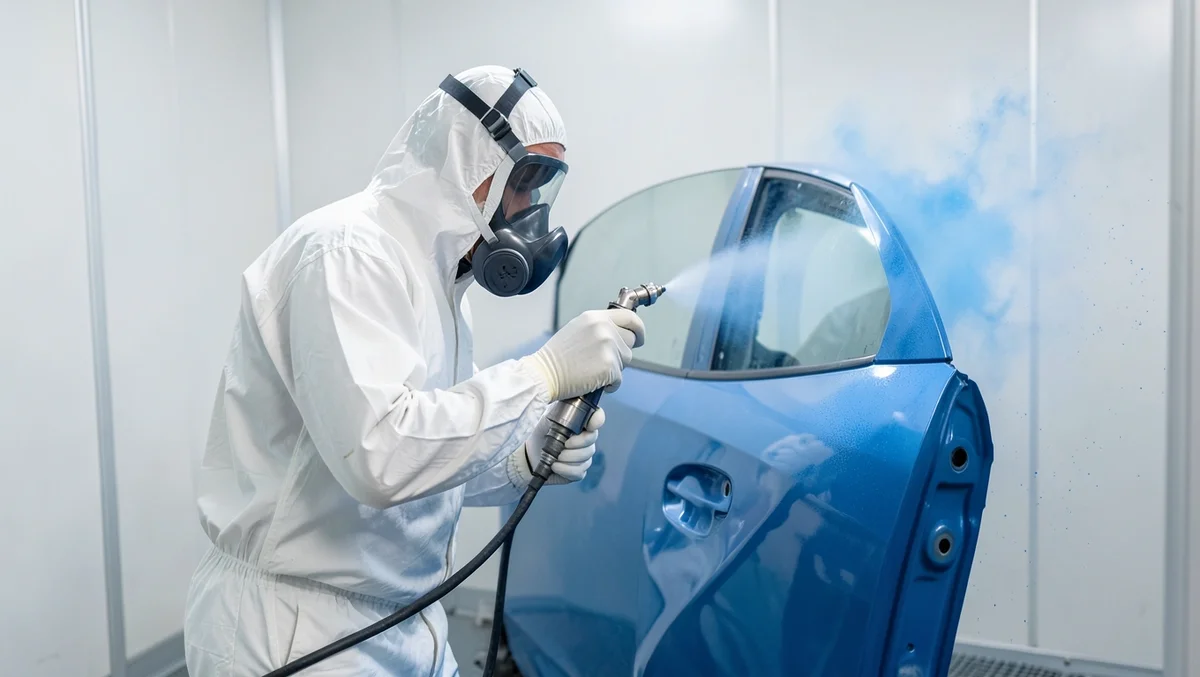
Painting a single car door typically costs $300 to $1,650 at a professional body shop, or roughly $100 to $160 in materials if you do it yourself. Where you land in that range depends mostly on paint quality, how much prep and repair the door needs, and whether the shop has to blend the new color into neighboring panels to hide the seam.
A lot of car owners assume painting one door should be cheap since it’s such a small part of the car. In practice, a single-panel job often costs almost as much per panel as painting the whole side of the car, because the setup, masking, and color-matching work is nearly identical whether the shop is spraying one door or three.
Below is a full breakdown of what drives the price, real 2026 cost ranges for DIY and professional work, and where you can realistically cut costs without ending up with a mismatched panel.
What Determines the Cost to Paint a Car Door
TOP DIY PAINT GUN PICK
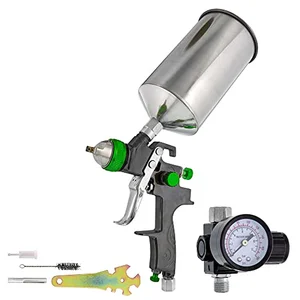 |
TCP Global Professional HVLP Spray Gun (2.0mm, Gravity Feed) – $69.99 If you’re painting the door yourself, a gravity-feed HVLP gun lays down a far smoother, more even coat than a rattle can and pays for itself on the first job.
|
The biggest cost driver is paint type. A basic single-stage solid color is the cheapest option. Metallic paint costs more because it needs an even, controlled spray pattern to avoid streaking, and pearlescent or tri-coat paint costs the most since it uses extra layers of tinted pigment under the clear coat. Custom or hard-to-match colors also add cost because the shop has to mix and test the formula rather than pulling a stock color.
The condition of the door matters just as much as the paint itself. A clean, dent-free door is the cheapest to paint. Add dents, deep scratches, or rust, and the shop has to bill for body filler, extra sanding, and rust treatment before a drop of paint goes on – that repair work, not the paint, is often the biggest line item on the invoice.
Labor and location round out the price. A professional painter’s time, tools, and spray booth cost more than a DIY job, but the result typically looks better and lasts longer. Shops in larger cities generally charge more than small-town shops simply due to overhead and demand, so it’s worth comparing a few local quotes before committing, especially since bumper and door panel jobs are priced very similarly.
DIY vs. Professional Cost at a Glance
| Factor | DIY | Professional Shop |
|---|---|---|
| Typical cost | $100 – $160 | $300 – $1,650 |
| Time required | A full weekend, plus drying time | 2 to 5 business days |
| Color match quality | Fair – mismatches are noticeable on metallics | Good to excellent, especially with panel blending |
| Warranty | None | Often 1+ year on workmanship |
| Best for | Older cars, solid colors, tight budgets | Newer cars, metallic/pearl paint, resale value |
Average Cost by Paint Quality Tier
| Tier | Typical Cost | What’s Included |
|---|---|---|
| Budget / chain shop | $200 – $400 | Single-stage solid color, minimal prep, spot color match |
| Mid-range / independent shop | $300 – $900 | Base coat + clear coat, proper sanding and masking, decent color match |
| Premium / metallic / pearl | $800 – $1,650+ | Multi-stage tinted paint, blended adjacent panel(s), full clear coat and buff |
| DIY (materials only) | $100 – $160 | Sandpaper, primer, masking supplies, aerosol paint and clear coat |
Why Painting Just One Door Often Costs More Than You Expect
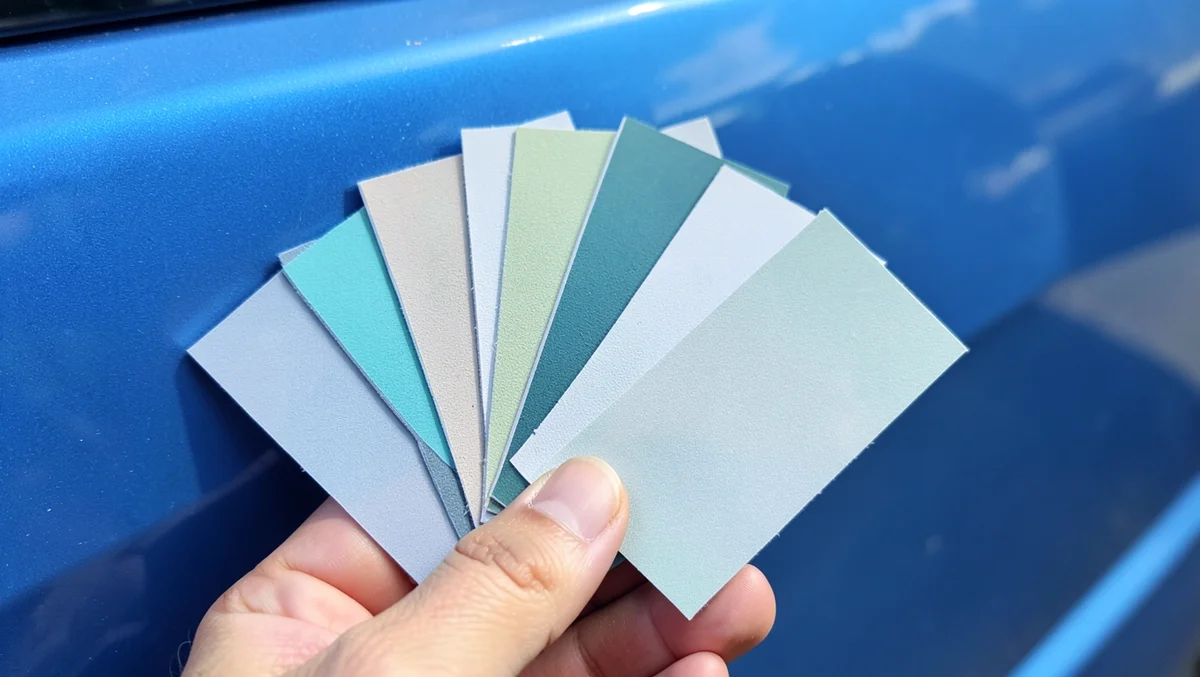
Ordering paint by your car’s factory color code does not guarantee an invisible match. Sun exposure, age, and small batch-to-batch variation mean a brand-new coat of the “same” color can look slightly off next to the surrounding panels, especially with metallic or pearl finishes that shift shade depending on the light and viewing angle.
To avoid an obvious two-tone look, many shops blend the new color a few inches into the adjacent fender, quarter panel, or front door and clear-coat both panels together. That extra masking, paint, and labor is why a quote for “one door” sometimes lists two or three panels – and it’s the main reason premium and pearl-finish repaints land at the higher end of the price range above.
Single-Stage vs. Two-Stage Paint: Why It Changes the Price
Most vehicles built since the late 1980s use a two-stage system: a pigmented base coat sprayed first, then a separate clear coat sprayed over it for gloss, depth, and UV protection. Two-stage painting costs more than older single-stage enamel or acrylic paint because it requires two separate products, extra drying time between coats, and more labor to apply and buff.
If your car’s original finish is single-stage – common on older classics and some fleet or commercial vehicles – a shop can usually match it more cheaply. The tradeoff is that single-stage paint also fades, chalks, and oxidizes faster than a modern clear-coated finish, so it often needs restoration work sooner.
Steps to Painting a Car Door Yourself
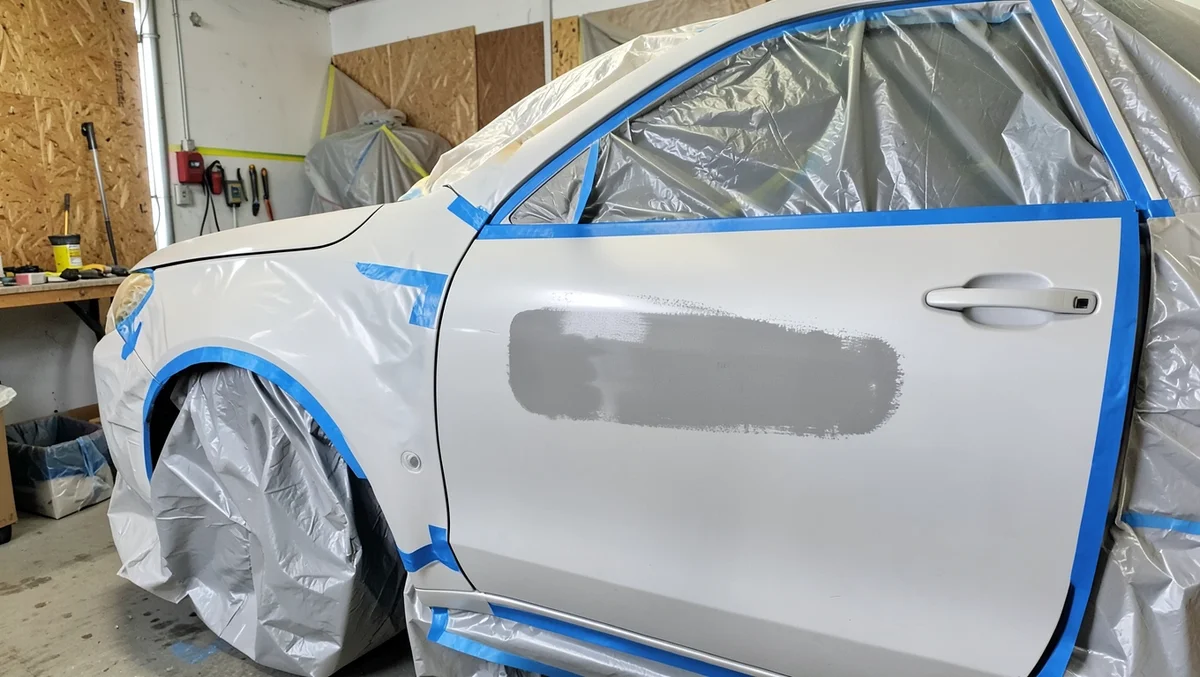
- Wash and dry the door. Remove all dirt, grease, and wax with soap and water, then dry completely.
- Sand the surface. Use fine-grit sandpaper to scuff the existing clear coat so the new paint has something to grip.
- Wipe down and mask. Use a tack cloth to remove dust, then mask off handles, trim, glass, and the surrounding panels with painter’s tape and plastic sheeting.
- Apply primer if needed. Any bare metal, filler, or sanded-through spots need a coat of primer before color goes on.
- Spray thin, even coats. Hold the gun or can six to eight inches from the surface and apply two to three light coats of base color, waiting 10 to 15 minutes between coats.
- Apply clear coat. Once the color has flashed off, spray two to three coats of clear coat over the top for gloss and protection.
- Let it cure. Avoid washing or waxing the door for at least two weeks so the paint can fully harden.
How to Save Money on Painting a Car Door
- Get at least three quotes. Prices for the same job can vary by hundreds of dollars between shops in the same area.
- Ask if blending is really necessary. On a solid, non-metallic color, a shop may be able to spot-match the door without touching adjacent panels, which lowers the price.
- Handle prep work yourself. Washing, taping off trim, and removing the door handle before drop-off can shave labor hours off the quote at some independent shops.
- Consider a mobile or independent painter. Independent techs and mobile paint services often charge less than a dealership body shop for the same single-panel job.
- Weigh DIY against resale value. DIY saves the most money up front, but a visibly mismatched or orange-peel finish can hurt resale value more than the money it saved – factor that in before skipping the pro.
Common Mistakes to Avoid
Picking the wrong paint type can ruin the look and the budget. Always match the paint system (single-stage vs. base coat/clear coat) to what’s already on the car, and never assume outdoor-rated automotive paint and general-purpose spray paint are interchangeable – only automotive-grade paint holds up to sun, rain, and road grime long-term.
Skipping prep is the most common DIY mistake. A rushed job that skips sanding, degreasing, or proper masking almost always shows through the new paint as fisheyes, peeling, or overspray on trim – and fixing a bad DIY paint job usually costs more than doing it right (or hiring a pro) the first time.
Frequently Asked Questions
How Much Does It Cost To Paint One Car Door?
A single door repainted at a body shop typically costs $300 to $1,650, depending on paint quality and how much prep or panel blending is needed. A basic single-color job at a budget shop runs closer to $200 to $400, while a premium metallic or pearl finish with blended adjacent panels can reach $800 to $1,650. Painting the door yourself with a DIY kit usually costs $100 to $160 in materials.
How Much Does It Cost To Paint An Entire Car?
A full repaint ranges from about $500 for a bare-bones single-stage job to $10,000 or more for a show-quality custom finish. Most owners who want a clean, durable result without show-car perfection pay somewhere between $1,500 and $5,000.
Why Does Painting Just One Door Sometimes Cost As Much As A Full Panel Job?
Modern paint, especially metallic and pearl finishes, is nearly impossible to spot-match by eye. To avoid a visible color mismatch, painters often blend the new color into one or two adjacent panels, such as the front fender or rear quarter panel, which adds labor and material even though only one door was damaged.
Can I Paint A Car Door Myself To Save Money?
Yes. A basic rattle-can or aerosol-kit paint job costs roughly $100 to $160 in supplies, including sandpaper, primer, masking tape, and paint. You will need patience and a clean, dust-free space, and the finish usually will not match a body shop’s spray-booth result, especially on metallic colors.
How Much Paint Do I Need To Paint One Car Door?
A single door usually needs less than a full quart of base coat, but since base coat and clear coat are sold together in quart kits, most painters buy one quart kit. That’s enough to cover the door with extra left over for future touch-ups.
Will Insurance Cover The Cost Of Painting A Car Door?
If the damage was caused by a collision, vandalism, or another covered event, your collision or comprehensive coverage can pay for the paint job minus your deductible. Insurance will not cover cosmetic repainting you choose to do for appearance alone, such as changing the color or fixing sun fade.
The Bottom Line
Painting a single car door usually costs $300 to $1,650 professionally, or $100 to $160 if you do it yourself, with paint quality, door condition, and whether adjacent panels need blending driving most of the difference. Get a few written quotes, ask specifically whether blending is included, and weigh the money you’ll save DIY-ing it against the risk of a visible mismatch that can hurt resale value down the road.
Products related to this article
Sponsored / affiliate links. As an Amazon Associate I earn from qualifying purchases. I may earn additional commission from eligible campaigns.