How Does A Car Act When It Needs Transmission Fluid?
Understanding Transmission Fluid’s Role
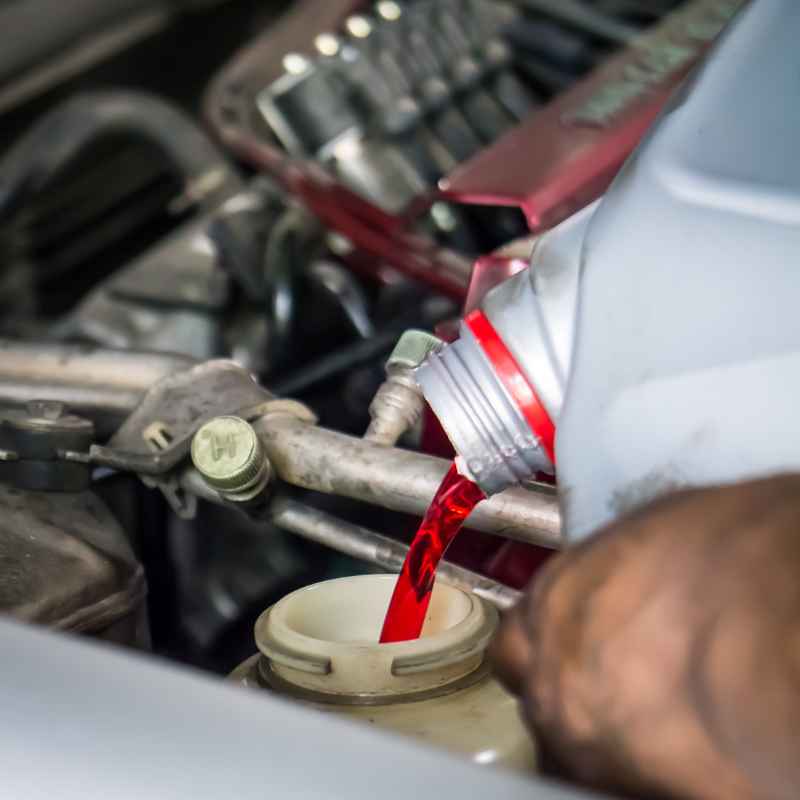
Think of transmission fluid like the blood of your car’s transmission. It does a few really important jobs. First, it lubricates all the moving parts inside.
This stops them from grinding against each other. That grinding would wear them out fast. It also helps to cool the transmission.
All those parts moving creates heat. The fluid carries that heat away.
Another big job is hydraulic pressure. In automatic transmissions, this fluid pressure is what helps shift gears. It’s like the muscle that moves everything.
Without enough fluid, the pressure drops. This means the transmission can’t do its job properly. It’s like trying to lift something heavy with weak arms.
This is why checking and maintaining transmission fluid is so key — see our related guide, How to Check Transmission Fluid on a 2012 Chevy Cruze (No Dipstick).
What Happens When Transmission Fluid is Low?
When your transmission fluid level dips too low, things start to go wrong. The transmission can’t lubricate properly. It can’t cool itself down well.
And the hydraulic pressure needed for shifting can falter. This leads to a whole range of symptoms. Some are subtle, others are quite obvious.
Your car might start to act very differently.
These signs are your car’s way of shouting for help. Ignoring them can lead to serious damage. And transmission repairs are often very, very expensive.
It’s always better to catch these issues early. A little attention now can save you thousands later. Let’s look at the specific ways your car might signal this problem.
Common Signs of Low Transmission Fluid
Your car communicates its needs in many ways. For low transmission fluid, the signs often relate to how it shifts gears and how it sounds. You might notice changes in the driving feel.
Sometimes, you’ll see leaks. Other times, it’s just a general sense of your car not running right.
We’ll go through each of these signs. For each one, we’ll explain why it happens. Understanding the “why” helps you know what to look for.
It also helps you explain the problem to a mechanic. This makes the whole process smoother for you.
Signs Related to Shifting
The most common signals for low transmission fluid involve how the car shifts gears. This is because the fluid is directly involved in this process. When the fluid is low, the transmission struggles.
1. Hesitant or Delayed Shifting
This is a big one. You might press the gas pedal, and your car just sort of. pauses.
It takes longer than usual to shift from one gear to another. This can happen going from park to drive, or between forward gears. The delay can be just a second or two, or it can be much longer.
It feels like your car is thinking about it.
Why does this happen? Remember that hydraulic pressure we talked about? Low fluid means low pressure.
This pressure is needed to engage the gears. When there’s not enough pressure, the transmission can’t make the shift happen quickly. It has to build up enough pressure, which takes time.
So, the delay is the transmission’s way of trying to work with what it has.
2. Rough or Jerky Gear Changes
Instead of a smooth transition between gears, you might feel a noticeable jolt. It can feel like a sudden bump or a clunk. This happens when the transmission finally manages to engage a gear, but not smoothly.
It’s not a gentle shift; it’s more abrupt. This can happen in both automatic and manual transmissions, though the feeling might differ slightly.
This rough shifting is a direct result of inconsistent hydraulic pressure. When the fluid level is low, the pressure fluctuates. It might dip too low, then surge slightly as the transmission tries to compensate.
This uneven pressure causes the jerky engagement of gears. It’s a harsh way for the transmission to operate.
3. Slipping Gears
This is a more serious sign. You’re driving, and suddenly, it feels like your car is in neutral for a moment. The engine revs up, but the car doesn’t speed up as it should.
Then, it might suddenly grab the gear again. This feeling of “slipping” is very unnerving. It feels like the transmission is losing its grip.
Slipping happens because the transmission isn’t getting enough fluid to properly engage the gears. The clutches or bands inside the transmission need fluid pressure to grip. If the fluid is low, they can’t get enough pressure to hold.
This causes them to slip. It’s like trying to hold a rope with wet hands; it just slips away.
4. Trouble Shifting into Lower Gears (During Deceleration)
Sometimes, the problem isn’t just about speeding up. When you slow down, the transmission should downshift. If the fluid is low, it might struggle to do this.
You might feel a lurch or a jolt as the transmission eventually shifts down. Or, it might not shift down at all, leaving your engine revving higher than it should.
This issue is also tied to hydraulic pressure. The same pressure that helps shift up is needed to shift down. Low fluid means low pressure, which makes downshifting difficult.
The transmission might over-rev or hesitate before finding the correct lower gear. It’s an awkward sensation when your car doesn’t slow down as smoothly as it should.
Signs Related to Noise
Your transmission might also start making new noises when the fluid is low. These sounds are often warning signals you shouldn’t ignore.
5. Whining, Humming, or Buzzing Sounds
You might hear a consistent whining or humming noise. This sound often changes with the speed of the engine. As you accelerate, the whine might get louder or higher pitched.
This sound usually comes from the transmission itself. It’s not the engine noise, but something else.
This noise is often caused by the transmission pump. The pump circulates the fluid. When the fluid level is low, the pump can suck in air along with the fluid.
This mixture of air and fluid causes cavitation. Cavitation creates these distinct whining or humming sounds. It’s a sign the pump is struggling.
6. Clunking or Knocking Sounds
Besides rough shifts, you might hear more distinct clunking or knocking sounds. These can happen when shifting gears or even when you’re just driving. It might sound like something is loose inside the transmission.
These noises can indicate that metal parts are grinding against each other. Without enough lubricating fluid, the metal components don’t have a protective cushion. This friction can lead to clunking or knocking as parts make contact they shouldn’t.
This is a sign of wear and tear happening rapidly.
Signs Related to Performance and Feel
Beyond shifting and noise, the overall feel and performance of your car can change.
7. Burning Smell
This is a serious warning sign. If you detect a burnt smell, especially a sweet, acrid odor, it could be your transmission fluid. This smell typically means the fluid is overheating and burning.
When the fluid level is low, the transmission can’t cool itself effectively. The friction from gears and clutches generates a lot of heat. Without enough fluid to dissipate this heat, the fluid gets extremely hot.
It can break down and burn. This burnt smell is a sign of severe overheating and potential damage.
8. Reduced Engine Power or Sluggish Acceleration
You might feel like your car has lost its pep. Acceleration feels weaker. It takes longer to get up to speed.
The engine might even feel like it’s working harder than usual to achieve normal speeds.
This sluggishness is often a combination of factors. Low fluid pressure makes it harder for the transmission to efficiently transfer power from the engine to the wheels. Also, if the transmission is overheating due to low fluid, its efficiency drops.
The car’s computer might even limit power to prevent further damage. It’s like your car is trying to protect itself.
9. Check Engine Light or Transmission Warning Light
Modern cars have many sensors. If the transmission fluid is critically low, or if the transmission is overheating, the car’s computer will often detect it. This can trigger the “Check Engine” light or a specific transmission warning light on your dashboard.
These lights are a direct alert from your car. They mean something is wrong and needs attention. Don’t ignore these lights.
They are designed to prevent more serious damage. A scan tool can often tell you the specific code related to the transmission issue.
Visual Clues: Leaks
Sometimes, the problem isn’t just about what you feel or hear, but what you see.
10. Red or Brownish Puddles Under the Car
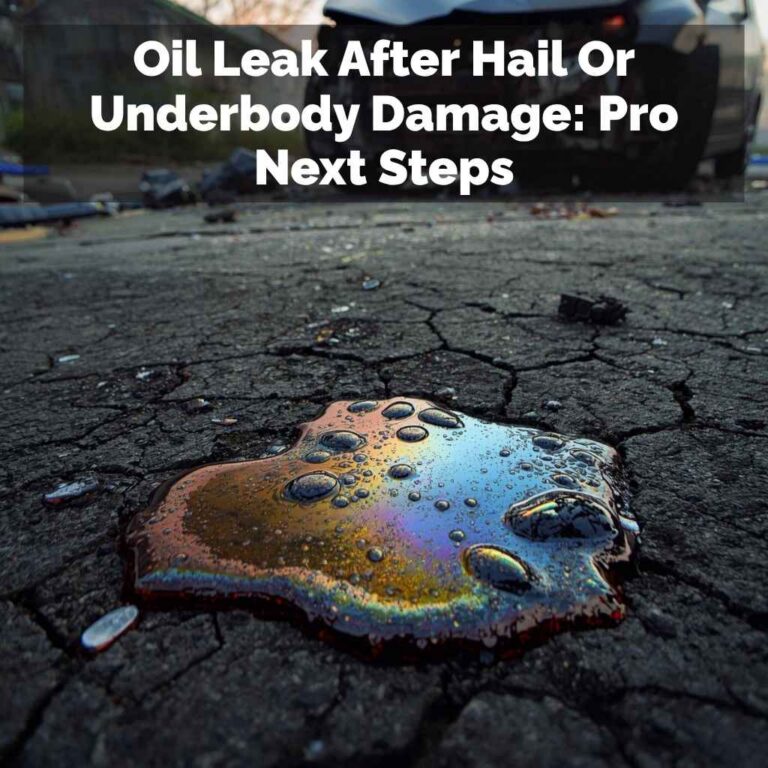
If you notice reddish or brownish fluid spots on your driveway or in your parking spot, it’s a strong indicator of a transmission fluid leak. Transmission fluid is typically red when it’s new. Over time, it can darken to a brown or even black color.
The smell can also be a clue.
Leaks mean that fluid is escaping the transmission system. This loss of fluid will inevitably lead to low levels. Finding the source of the leak is important.
It could be a faulty seal, a cracked hose, or a damaged transmission pan. Even a small leak can cause significant problems over time.
Quick Check: What Does Transmission Fluid Look Like?
New Fluid: Bright red and clear. You can almost see through it.
Used Fluid: Darker red or brownish. It might look a bit murky.
Bad Fluid: Dark brown or black. It might smell burnt. It could have particles in it.
Important Note: Some cars use different colored transmission fluids. Always check your owner’s manual.
Why Does Transmission Fluid Get Low?
It’s not magic. Fluid levels drop for specific reasons. Understanding these reasons helps you be more proactive.
Leaks
This is the most common reason. Seals and gaskets in the transmission system can wear out over time. Hoses can crack or become loose.
The transmission pan itself might have a small leak. Any breach in the system means fluid can escape. Even a slow drip can lead to significant fluid loss over weeks or months.
Think of it like a leaky faucet. A tiny drip might not seem like much, but over time, it wastes a lot of water. A transmission leak is similar.
It’s crucial to find and fix leaks promptly to prevent further fluid loss and potential damage.
Evaporation (Rare)
While transmission fluid doesn’t evaporate easily, in extreme cases of overheating, some volatile components might be lost. However, this is not a typical cause for significant fluid loss. If you’re losing fluid due to evaporation, there’s likely a much larger problem like severe overheating occurring.
Internal Consumption (Very Rare)
In some very rare and specific transmission designs, a small amount of fluid might be burned during operation. This is not common in most modern automatic transmissions. If your car is consuming fluid this way, it’s usually a sign of a significant internal issue.
Improper Filling
Sometimes, the fluid level is low simply because it was never filled correctly after a service. This could happen if a mechanic didn’t add enough fluid after a repair or fluid change. It’s why it’s good practice to double-check fluid levels yourself or ensure your mechanic is reputable.
My Own Transmission Fluid Scare
I remember one time, a few years back, my old sedan started acting up. It was a Saturday afternoon, and I was heading out of town. As I pulled away from a stop sign, the car felt sluggish.
It didn’t want to shift into second gear right away. Then, when it did, it was a rough jolt. My gut clenched.
I’d never experienced anything like it.
I pulled over to the side of the road, a little panicked. The car was still running, but it felt. wrong.
I popped the hood, but of course, the transmission dipstick isn’t usually there. I remembered reading about transmission fluid checks. I got out and looked underneath the car.
Bingo. A small, dark, oily spot on the asphalt where I had parked. My heart sank.
I pictured a massive repair bill.
Luckily, I was only about twenty minutes from home. I managed to drive back very slowly, babying the car. Once home, I consulted my owner’s manual.
It showed me how to check the transmission fluid dipstick, which was tucked away in a less obvious spot. The fluid was indeed very low and looked a bit dark. I added a bottle of the correct transmission fluid.
The car felt almost instantly better. That experience taught me a huge lesson: never ignore those subtle signs. A little fluid saved me a lot of potential trouble.
Transmission Fluid Check: A Quick How-To
1. Park on a Level Surface: This is critical for an accurate reading.
2. Warm Up the Engine: For most cars, you check the fluid when the engine is running and at operating temperature. Check your owner’s manual for specifics.
3. Locate the Dipstick: It’s often marked “Transmission” or has a gear symbol. It might be a different color than the oil dipstick.
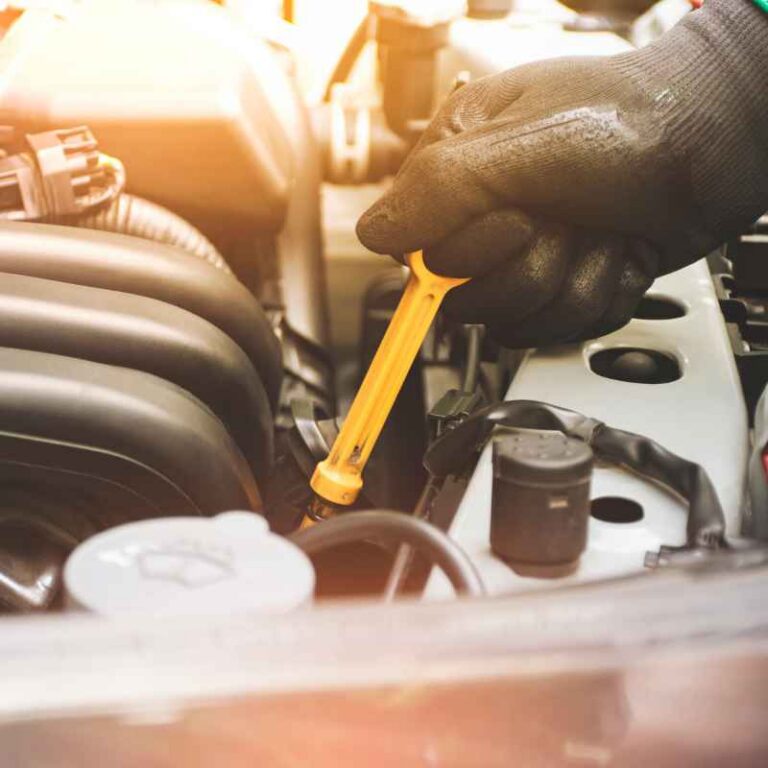
4. Pull and Wipe: Remove the dipstick, wipe it clean, and reinsert it fully.
5. Read the Level: Pull it out again and check the fluid level against the markings (usually “hot” and “cold” or “full” and “add”).
6. Check Fluid Condition: Note the color and smell. If it’s dark or burnt, it needs attention.
What to Do if You Suspect Low Transmission Fluid
If you recognize any of these signs in your car, it’s time to act. Don’t wait for the problem to get worse.
1. Check Your Transmission Fluid Level
The first step is always to check the fluid yourself. Your owner’s manual is your best friend here. It will tell you exactly where the dipstick is and how to check it correctly.
Make sure the car is on a level surface. For most cars, the engine should be running and at normal operating temperature for an accurate reading.
Pay attention to not just the level but also the condition of the fluid. Is it red and clear, or is it dark brown, black, or smelling burnt? This information is vital for your mechanic.
2. Add the Correct Type of Fluid (If Needed)
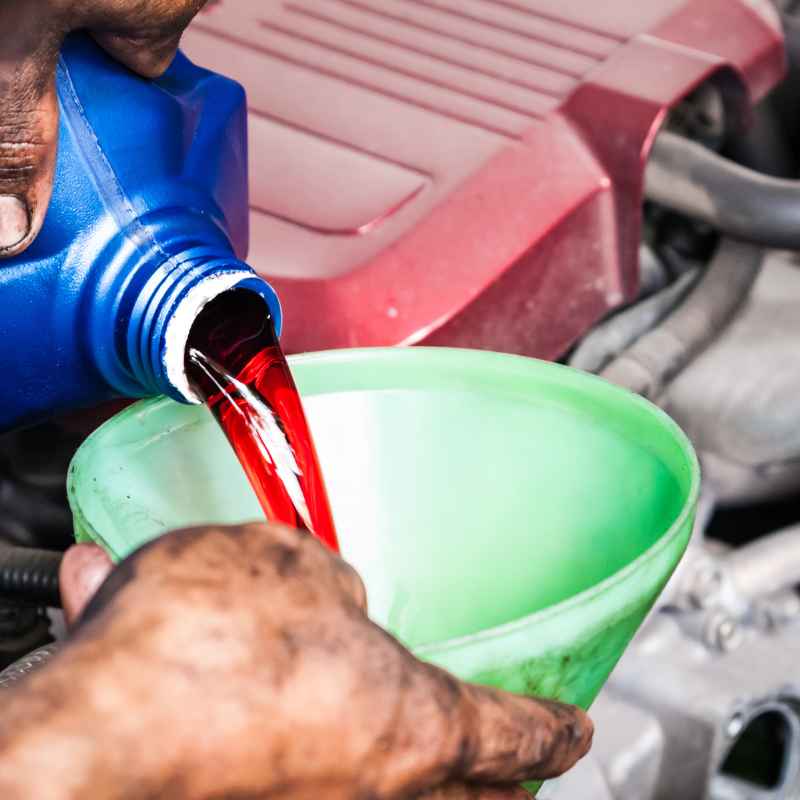
If the fluid is low, you can often add some yourself. It is extremely important to use the exact type of transmission fluid recommended by your car’s manufacturer. Using the wrong fluid can cause serious damage. Your owner’s manual will specify the type (e.g., ATF Dexron-VI, Mercon V).
Auto parts stores can also help you find the right one.
Add fluid slowly and in small increments. Recheck the level after each addition until it reaches the “full” mark. Do not overfill.
Overfilling can cause its own set of problems, like foaming and shifting issues.
3. Look for Leaks
If you see fluid spots under your car, try to pinpoint where they are coming from. Is it near the front, middle, or rear of the car? If you find a leak, it needs to be addressed by a professional.
You might need a new seal, gasket, or perhaps the transmission pan or a cooler line needs repair.
Even if you fix the low level by adding fluid, a leak means the problem will return. It’s essential to fix the source of the leak to maintain the correct fluid level and prevent future issues.
4. Consult a Qualified Mechanic
If the fluid is very low, smells burnt, looks dark and dirty, or if you can’t find the source of a leak, it’s time to see a professional. A mechanic specializing in transmissions can properly diagnose the issue. They can check for leaks, assess the condition of the fluid and transmission components, and perform any necessary repairs.
Be prepared to describe the symptoms you’ve experienced. The more information you can give them, the easier it will be for them to diagnose the problem quickly and accurately. Mentioning any unusual noises, shifting problems, or smells is very helpful.
The Dangers of Ignoring Low Transmission Fluid
It might be tempting to put off fixing a low transmission fluid problem, especially if the car still seems to be driving. But this is a risky gamble.
1. Overheating
As we discussed, the fluid cools the transmission. Low fluid means less cooling. This leads to overheating, which can damage sensitive internal components.
Heat breaks down the fluid, making it less effective at lubricating and cooling. Over time, this can cause irreparable harm.
2. Increased Wear and Tear
Without proper lubrication, metal parts inside the transmission grind against each other. This friction causes accelerated wear. Seals can get damaged, gears can get scored, and clutches can burn.
This wear leads to reduced transmission life and eventual failure.
3. Transmission Failure
Ultimately, ignoring low transmission fluid can lead to complete transmission failure. This is the most expensive type of car repair. A new or rebuilt transmission can cost thousands of dollars.
Often, it’s more economical to replace the car than to repair a severely damaged transmission.
4. Expensive Repairs
Even if the transmission doesn’t completely fail, you’ll likely face costly repairs. Replacing worn-out seals, clutches, or even a transmission pump are not cheap jobs. The labor involved in transmission work is often extensive.
Early detection and correction are always the most cost-effective approach.
Transmission Fluid vs. Engine Oil
Transmission Fluid: Red/brownish, typically checked when the engine is running, and often has a distinct smell (new or burnt). For automatic transmissions, it’s vital for gear shifting and hydraulic pressure.
Engine Oil: Brown/black, checked when the engine is off and on a level surface. It lubricates the engine’s moving parts.
Important: Never use engine oil in your transmission or transmission fluid in your engine. They are designed for different purposes and are not interchangeable.
Can You Drive With Low Transmission Fluid?
The short answer is: not for long, and not safely. While your car might still move, driving with significantly low transmission fluid is dangerous and can cause further damage. Each mile you drive puts more stress on the transmission.
If the fluid level is just slightly below the recommended mark, and you are on your way to get it serviced, you might be okay. But if you’re experiencing any of the more serious symptoms like slipping, rough shifting, or burning smells, it’s best to stop driving and have the car towed. Continuing to drive could turn a minor issue into a catastrophic one.
What’s the “Normal” Transmission Fluid Level?
The “normal” level is usually marked on the transmission fluid dipstick. Typically, there are two marks: one for “cold” and one for “hot.” When the engine is cold, the fluid level will be lower. When the engine is at normal operating temperature, the fluid expands slightly, and the level will be higher, reaching the “hot” or “full” mark.
Your owner’s manual is the definitive guide. It will detail the specific procedure for checking your transmission fluid and what the correct level should be at different temperatures. It’s crucial to follow these instructions precisely for an accurate reading.
When Is It Okay to Add Fluid Yourself?
For most car owners, adding transmission fluid when it’s slightly low is a manageable DIY task. If you’ve confirmed your car uses a dipstick for checking transmission fluid, and the fluid level is just below the “add” or “cold” mark, you can likely add the correct type of fluid yourself.
However, if the fluid is very low, smells burnt, looks dark or dirty, or if you suspect a leak, it’s best to leave the complex repairs to the professionals. Also, some newer vehicles don’t have traditional dipsticks, making fluid checks and additions more complicated and best left to a mechanic. Always err on the side of caution.
When to Worry: Red Flags
While a slightly low fluid level can often be corrected with a simple top-off, certain signs should raise major red flags:
1. Burnt Smell
This is a sign of overheating and fluid breakdown. It means your transmission is likely being damaged right now.
2. Dark, Dirty, or Gritty Fluid
This indicates wear and tear. The fluid is no longer lubricating effectively. There could be metal shavings or other debris inside, causing damage.
3. Visible Leaks
A leak means the system is compromised. If you can see fluid dripping, it needs professional attention to find and fix the source.
4. Persistent Shifting Problems
If adding fluid doesn’t resolve rough shifts, delays, or slipping, there could be internal transmission damage.
5. Warning Lights
Dashboard warning lights are not to be ignored. They indicate a problem that needs immediate investigation.
Conclusion
Your car’s transmission is a complex and vital system. Transmission fluid plays an indispensable role in its operation, lubrication, and cooling. When the fluid level drops, your car will exhibit a range of telltale signs.
From hesitant shifts and strange noises to burning smells and warning lights, these are all signals that your transmission needs attention.
Paying attention to these signs and addressing low transmission fluid promptly can save you from costly repairs and ensure your car remains reliable. Regularly checking your transmission fluid, especially if you notice any changes in your car’s behavior, is a simple yet effective maintenance practice that can extend the life of your transmission significantly. Don’t let a little bit of fluid turn into a big, expensive problem.
Frequently Asked Questions About Transmission Fluid Issues
How often should I check my transmission fluid?
It’s a good idea to check your transmission fluid at least once a month, or more often if you notice any unusual symptoms. Your owner’s manual will also have a recommended service interval for transmission fluid checks and changes.
Can I use universal transmission fluid?
While “universal” fluids exist, it’s always best to use the specific type recommended by your car manufacturer. Using the wrong fluid can cause significant damage to your transmission. Check your owner’s manual for the correct specification.
What’s the difference between transmission fluid and power steering fluid?
They are completely different fluids. Transmission fluid is for the transmission system, crucial for shifting and cooling. Power steering fluid is for the power steering system, helping you turn the steering wheel easily.
They are not interchangeable.
How long can I drive with low transmission fluid?
It’s not recommended to drive with low transmission fluid for an extended period. Even short distances can cause wear and tear. If the level is critically low or you notice severe symptoms, it’s best to stop driving and get it towed to a mechanic.
My transmission fluid looks dark. Do I need a new transmission?
Not necessarily. Dark transmission fluid often means it’s old and needs to be changed. However, if it’s black, smells burnt, or has particles in it, it could indicate more serious internal damage.
A mechanic should inspect it.
Can a transmission fluid leak cause my car to not start?
Generally, a transmission fluid leak won’t prevent your car from starting. Starting the engine is primarily related to the battery, starter, and engine systems. However, if the transmission is severely damaged due to prolonged low fluid, it might indirectly affect the car’s ability to engage gears, which could feel like it’s not starting properly.
What does it mean if my transmission fluid is foamy?
Foamy transmission fluid usually means there’s air trapped in the system. This can happen if the fluid level is too high (overfilled) or if there’s an internal issue causing excessive churning or leaks where air is being introduced. Foamy fluid doesn’t lubricate or cool properly.
Products related to this article
Sponsored / affiliate links. As an Amazon Associate I earn from qualifying purchases. I may earn additional commission from eligible campaigns.