How Often Does a Car Need to Be Driven to Stay Healthy?
Most cars need to be driven at least once a week for 15-20 minutes, or once every two to three weeks with a stretch at highway speed, to keep the battery charged, circulate fluids, and prevent flat-spotted tires. Letting a car sit for a month or longer without driving raises the risk of a dead battery, stale fuel, and brake components that stick from rust.
If your vehicle sits in the garage for days or weeks at a time, that driving cadence is what actually protects it — not just starting the engine, but getting it up to real operating temperature. Below, you’ll find the specific frequency to aim for on the battery, tires, fuel system, and brakes, plus the warning signs that tell you your car needs a drive sooner rather than later.
Quick Answer
Drive your car at least once a week for 15-20 minutes (ideally including a few minutes at highway speed), or at minimum once every 2-3 weeks, to keep the battery charged, lubricate engine parts, prevent tire flat spots, and stop fuel from going stale. If your car has already been sitting for a few weeks, see our guide on how long a car can go without starting for the real battery-drain timeline.
Ideal Driving Frequency
Knowing the ideal driving frequency helps keep a car in good shape. Cars need use to stay healthy. Letting a car sit too long can cause problems. Driving regularly helps avoid many common issues.
Effects Of Infrequent Use
When a car is not driven often, parts can wear out faster. Fluids like oil and brake fluid can break down. Tires may develop flat spots from staying in one place. Battery charge can drop, making it hard to start the car. Fuel can go stale and clog the engine. Rust may form on brake discs and other metal parts.
Benefits Of Regular Driving
Driving a car regularly keeps the battery charged. Engine parts stay lubricated and work well. Tires stay round and hold air better. The car’s fluids circulate and stay fresh. Running the engine warms up the system, preventing moisture buildup. Regular use helps spot problems early before they get worse.
How Often vs. How Long Can It Sit? Two Different Questions
This guide answers a driving-frequency question: how often should you get behind the wheel to keep every system healthy over the long run. That is different from asking how long a car can safely sit before something actually breaks. If your car has already been parked for a few weeks and you are wondering whether the battery is already dead, see our companion guide on how long you can go without starting your car, which breaks down the real 2-4 week timeline and the factors that speed it up or slow it down.
Engine Health And Oil
Engine health depends a lot on oil. Oil keeps engine parts moving smoothly. It stops metal from rubbing and wearing out. When a car sits too long, oil does not flow well. This can cause damage inside the engine. Regular driving helps oil move and protect the engine.
Importance Of Oil Circulation
Oil circulation moves oil through the engine parts. This stops friction and heat build-up. Without regular movement, oil can settle and lose its power. Old, thick oil does not protect well. Good oil flow removes dirt and small metal bits. This keeps the engine clean and working well. Short drives may not move oil enough. Longer or regular drives help oil reach all engine parts.
Recommended Oil Change Intervals
Changing oil on time keeps the engine healthy. Most experts say to change oil every 5,000 to 7,500 miles. Some cars need oil changes more often. Check your car’s manual for exact advice. Old oil can cause engine problems and reduce fuel efficiency. Driving the car regularly helps you track when oil needs change. If the car sits for weeks, change oil before driving again.
Battery Maintenance
Battery maintenance is key for cars that are not driven often. A car battery loses charge when the vehicle sits idle. This can lead to starting problems and costly replacements. Regular attention to battery health keeps the car ready to start anytime.
Signs Of Battery Drain
A slow engine crank or dim headlights are common signs. Electronics may act strange or fail to work. Warning lights on the dashboard might appear. A battery older than three years needs extra care. Notice any swelling or corrosion on battery terminals.
Tips To Keep Battery Charged
Our Top Pick

NOCO GENIUS1 Smart Battery Charger & Maintainer
Best for: Cars that sit for more than a week or two between drives.
Why we picked it: Fully automatic charge-and-maintain cycle with overcharge protection, so you can leave it connected indefinitely without babysitting it.
Main drawback: Only 1 amp, so it charges a fully dead battery slowly, it is built for maintenance, not emergency jump-starts.
View Our Pick on Amazon
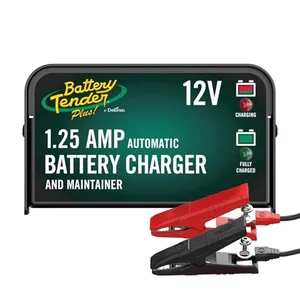 Battery Tender Plus 12V Maintainer Best for: Garage-kept cars, motorcycles, and ATVs left plugged in long-term. Why we picked it: A long-trusted float charger that switches to trickle mode automatically once the battery is full. Main drawback: Bulkier clip-on connector than some newer smart chargers. |
 Keltrion Tire Saver Ramps, 4-Pack Heavy-Duty Rubber Tire Protectors Best for: Cars stored for weeks at a time when regular driving isn’t possible. Why we picked it: Curved ramps redistribute the tire’s contact patch, reducing the pressure that causes flat spots during long storage. Main drawback: Needs to be positioned precisely under each tire to work correctly. |
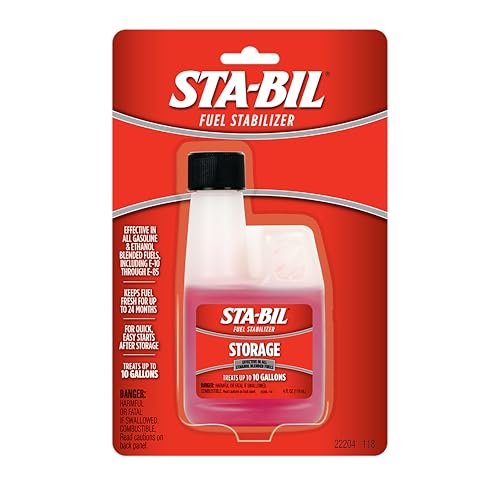
 STA-BIL Storage Fuel Stabilizer Best for: Keeping fuel fresh between infrequent drives or seasonal storage. Why we picked it: One bottle treats up to 40 gallons and keeps fuel usable for up to 24 months, preventing the gum and varnish buildup that clogs fuel lines. Main drawback: Needs to be added before fuel goes stale, it won’t restore already-degraded gas. |
Drive the car at least 20 minutes every week to charge the battery. Disconnect battery cables if the car will sit for a long time. Use a battery maintainer or trickle charger to keep charge levels steady. Keep terminals clean and tighten connections. Park in a garage to avoid cold weather damage.
Tire Care
Proper tire care is essential for safe driving and long tire life. Tires can suffer damage if the car sits unused for too long. Regular attention helps keep tires in good shape and ready to roll.
Preventing Flat Spots
Flat spots happen when a car stays still for many days. The weight of the car presses the tires against the ground. This pressure can create flat areas on the tire surface. Flat spots cause vibrations and rough rides.
Driving the car at least once a week helps avoid flat spots. Moving the car spreads the pressure evenly on the tires. If driving is not possible, consider using tire cradles or supports. These tools reduce pressure on one spot.
Maintaining Proper Tire Pressure
Tires lose air slowly even when not in use. Low tire pressure can lead to poor fuel economy and tire damage. Check tire pressure once a week to keep it at the recommended level.
Use a reliable tire gauge for accurate readings. Inflate tires to the pressure listed in the car manual or on the door sticker. Correct pressure improves safety and tire wear. Never rely on visual checks alone.
Fuel System Tips
Keeping your car’s fuel system in good shape is key if you do not drive often. Fuel can break down over time and cause problems. This section shares simple tips to help protect your car’s fuel system. These tips help keep the engine running smoothly and extend the life of your fuel parts.
Avoiding Fuel Degradation
Fuel can lose quality if left unused for too long. This breakdown is called fuel degradation. It can clog fuel lines and filters. Using old fuel can make the engine run poorly or not start at all. To avoid this, try to drive your car regularly. Even short trips help keep the fuel fresh. Also, keep your fuel tank as full as possible. This reduces air inside the tank, which slows fuel breakdown.
Using Fuel Stabilizers
Fuel stabilizers are liquids you add to the gas tank. They help keep fuel fresh for longer. Adding stabilizers is a smart choice if you do not drive often. They stop fuel from turning sticky or thick. Use the right amount of stabilizer for your tank size. Stir or drive the car a little to mix it well. This simple step protects your fuel system and helps your car start easily after long stops.
Brake System Checks
The brake system is a key part of your car’s safety. Regular checks keep it working well. Driving a car often helps stop brake parts from getting stuck or rusty. Sitting unused for long times can cause brake issues. Check the brake system to avoid costly repairs and keep safe on the road.
Preventing Brake Seizure
Brake seizure happens when brake parts stick or lock up. This can cause brakes to drag or fail. Driving the car regularly moves the brake pads and discs. This action cleans off rust and keeps parts free. If the car sits still for weeks, rust can build up. Start the car and drive it at least once a week. This helps prevent brake seizure and keeps brakes smooth.
When To Inspect Brake Components
Brake parts wear down over time. Check brake pads, discs, and fluid regularly. Look for noises, vibrations, or weak braking. Inspect brakes every 6 months or 6,000 miles. Check sooner if the car sits unused for long. Regular inspection finds problems early. Fixing issues early keeps brakes safe and saves money.
Storage Considerations
Proper storage plays a key role in keeping your car safe and in good condition. Cars that sit unused for long periods can develop problems. Dirt, moisture, and sunlight can damage the vehicle. Taking care of where and how you store your car helps avoid these issues.
Choosing The Right Parking Spot
Pick a parking spot that is dry and flat. Avoid places with standing water or mud. A garage is the best choice for storage. It protects your car from rain, snow, and sun. If you park outside, try to find a shaded spot. This reduces paint damage and keeps the car cooler.
Covering Your Vehicle
Use a car cover to protect the vehicle’s surface. Covers shield against dust, bird droppings, and tree sap. Make sure the cover fits well and is breathable. A tight cover prevents dirt from scratching the paint. Breathable material stops moisture buildup that can cause rust.
Signs Your Car Needs Driving
Cars need regular driving to stay in good shape. Sitting unused for long periods can cause problems. Recognizing signs that your car needs driving helps avoid costly repairs. Watch your vehicle closely for any unusual changes.
Warning Indicators
One sign is difficulty starting the engine. Batteries lose charge when cars sit still. Strange noises during startup also warn of issues. Tires may develop flat spots from too much rest. Check for unusual smells or leaks under the car. Dashboard warning lights can turn on without use. Notice if brakes feel less responsive than before.
Routine Test Drives
Taking short drives regularly helps keep your car healthy. Drive at least once every week for 10 to 15 minutes. This action charges the battery and lubricates engine parts. It also prevents tire damage and maintains brake function. Test drives reveal hidden problems before they get worse. Use these drives to check lights, signals, and controls. Regular driving keeps your car ready for daily use.
Try to include a few minutes of highway-speed driving during these test drives, not just idling in the driveway or short stop-and-go errands. Speeds above 50 mph let the engine and exhaust system reach full operating temperature, which burns off condensation that can otherwise build up inside the exhaust and crankcase during short, low-speed trips.
Frequently Asked Questions
How Often Should You Drive A Car To Keep It Healthy?
Drive your car at least once a week for 15-20 minutes. This keeps the battery charged, fluids circulating, and tires from flat spotting.
Can A Car Sit Unused For Months Without Damage?
Cars can sit unused for a month or two safely. Beyond that, risks like battery drain, tire damage, and fluid degradation increase.
What Happens If A Car Is Not Driven Regularly?
If unused, tires may develop flat spots, battery can die, and engine parts may corrode. Regular driving prevents these issues.
Is It Bad To Drive A Car Only Short Distances?
Short trips don’t fully warm the engine or evaporate moisture. Occasional longer drives help maintain engine health and fuel efficiency.
What’s The Difference Between How Often To Drive A Car And How Long It Can Sit?
How often to drive is about the recommended maintenance cadence, ideally once a week or at least every 2-3 weeks, to keep every system healthy over the long run. How long a car can sit is a separate, more urgent question about the maximum time before a specific problem, usually a dead battery, actually happens, which is typically 2-4 weeks depending on battery age and weather.
Does Highway Driving Matter More Than Short Trips?
Yes. Short, low-speed trips often don’t get the engine and exhaust hot enough to burn off built-up condensation, so an occasional highway-speed drive of 20 or more minutes helps more than several short errands at low speed.
Conclusion
Driving your car regularly keeps it healthy and ready to use. Cars need movement to keep parts working well. Sitting too long can cause problems like battery drain and tire flat spots. Aim to drive your car at least once a week.
Short trips help oil circulate and fuel stay fresh. Remember, small efforts now can save big repairs later. Keep your car happy by giving it some road time often. Simple care makes a big difference for your vehicle’s life.
Products related to this article
Sponsored / affiliate links. As an Amazon Associate I earn from qualifying purchases. I may earn additional commission from eligible campaigns.