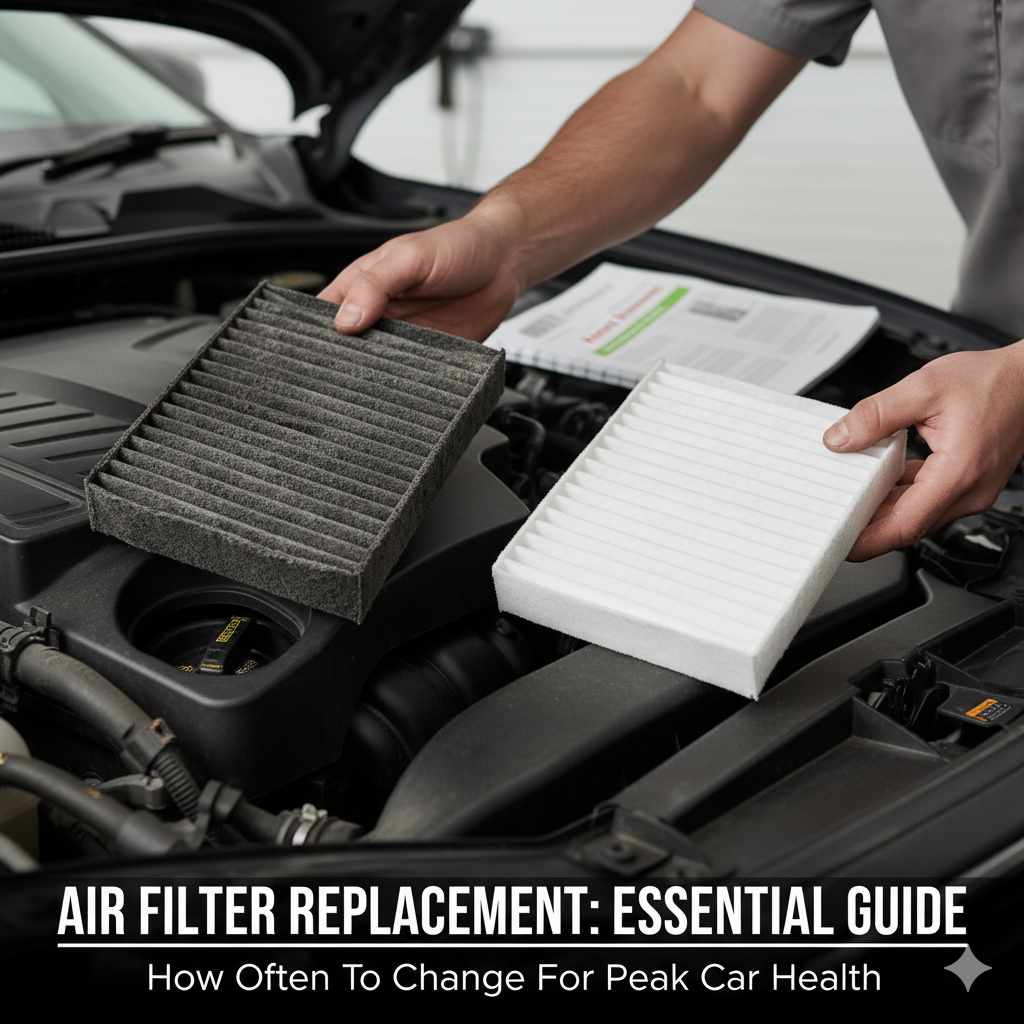
How Often Should You Change Air Filter On Car: Essential Guide
Typically, you should change your car’s air filter every 12,000 to 15,000 miles or once a year, whichever comes first. However, this can vary based on driving conditions. Checking it regularly and replacing it sooner if dirty is key to optimal engine performance and longevity.
Owning a car can sometimes feel like a puzzle. You want to keep it running smoothly, but figuring out the best way to do that can be confusing. One question many drivers have is about the air filter: “How often should I really change my car’s air filter?” It might seem like a small thing, but a dirty air filter can cause big problems for your engine and your wallet. Don’t worry, though! We’re going to break it all down in a super simple way. By understanding when and why to change your air filter, you’ll be one step closer to being a car maintenance pro. Let’s dive in and make car care easy!
Why Your Car’s Air Filter Matters So Much
Think of your car’s engine like its lungs. Just like you need to breathe clean air to stay healthy, your engine needs clean air to run efficiently. The air filter is the gatekeeper for this air. Its main job is to trap dust, dirt, bugs, and all sorts of other tiny particles that are floating around in the air before they can get into your engine.
If that filter gets clogged up with gunk, your engine can’t breathe properly. This leads to a whole bunch of issues that nobody wants. It’s like trying to run a race with your nose and mouth covered – you just can’t perform at your best!
Understanding the “When”Understanding the “When”Understanding the “When”
So, how do you know when it’s time for a fresh filter? There isn’t a single magic number that works for every car and every driver. Several things can influence how quickly your air filter gets dirty.
Regular Driving vs. Harsh Conditions
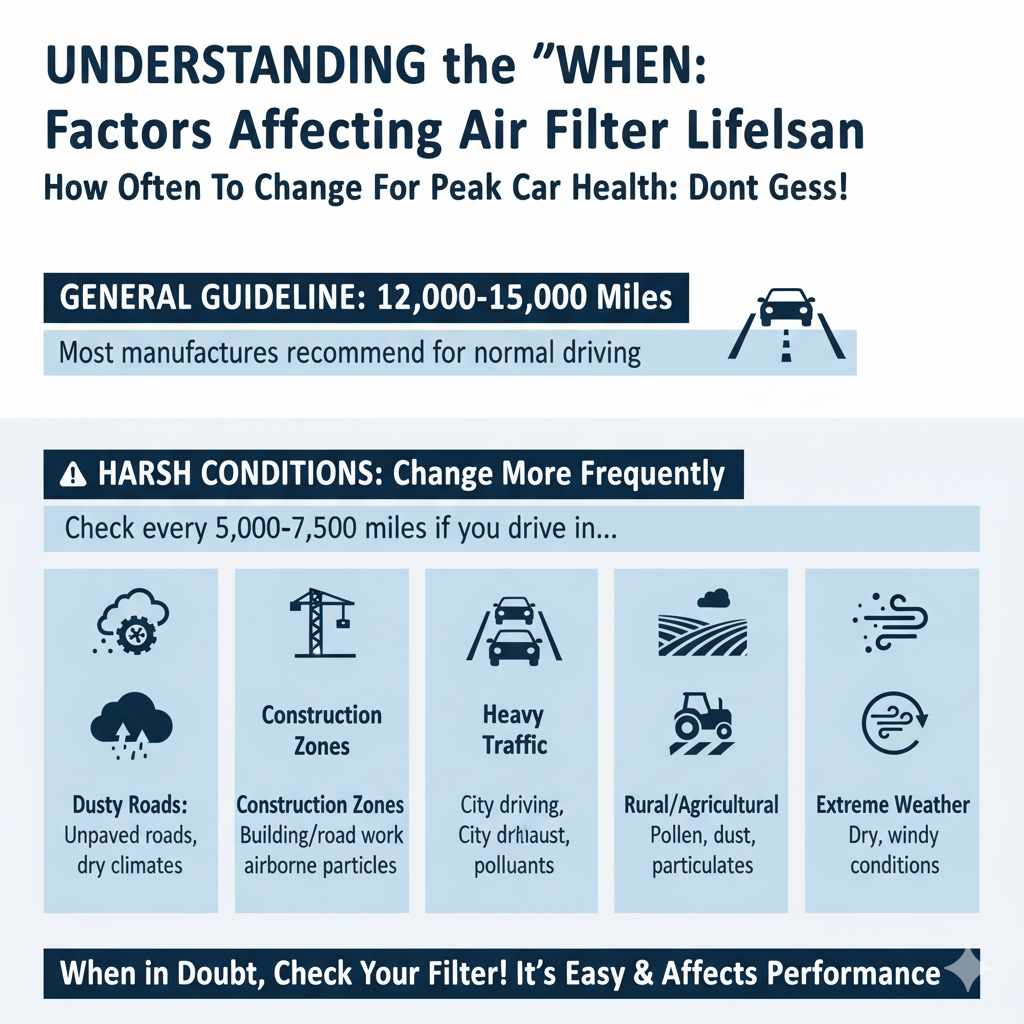
Most car manufacturers suggest changing your air filter every 12,000 to 15,000 miles. This is a good general guideline for normal driving.
However, if you often drive in conditions that are dirtier than average, your filter will likely need replacing much sooner. What counts as “harsh conditions”?
Dusty Roads: Driving on unpaved roads, especially in dry climates, kicks up a lot of fine dust.
Construction Zones: Areas with a lot of building or road work release a lot of airborne particles.
Heavy Traffic: Stop-and-go traffic, particularly in cities, means your engine is constantly drawing in air that has already passed through other vehicles, often carrying exhaust and other pollutants.
Rural/Agricultural Areas: Farming activities can release pollen, dust, and other fine particulates into the air.
Extreme Weather: Very dry and windy conditions can increase the amount of dust in the air.
If your car spends a lot of time in these environments, you might need to check and potentially replace your air filter every 5,000 to 7,500 miles. It’s always better to be safe than sorry!
Signs Your Car Needs a New Air Filter
Your car often tells you when something isn’t quite right, and a struggling air filter is no exception. Here are some common signs that it’s time to take a look at your air filter – or just go ahead and replace it:
Reduced Engine Power: Does your car feel sluggish when you accelerate? If it struggles to pick up speed like it used to, a clogged air filter is a prime suspect. Your engine isn’t getting enough air to create the power you need.
Poor Fuel Economy: You might notice you’re filling up your gas tank more often than usual. A dirty air filter forces your engine to work harder, which burns more fuel. It’s like trying to breathe through a straw – it takes more effort and burns more energy!
Unusual Engine Noises: Sometimes, a struggling engine will make odd sounds. You might hear popping, backfiring, or a rough idling noise. This is often your engine’s way of complaining about not getting enough air.
Check Engine Light: While the “Check Engine” light can mean many things, a severely clogged air filter can sometimes trigger it because of the strain on the engine.
Smell of Gasoline: If your engine isn’t getting enough air, it can’t burn fuel efficiently. This incomplete combustion can lead to a noticeable smell of gasoline.
Visible Dirt and Debris: The most obvious sign is, of course, seeing the dirt! If your air filter looks visibly black, clogged with leaves, bugs, or thick dust, it’s definitely time for a change.
The Simple Process: How to Check and Change Your Air Filter
The good news is that checking and changing your car’s air filter is one of the easiest maintenance tasks you can do yourself. You don’t need to be a master mechanic for this one!
Tools You’ll Need
You probably already have most of these handy:
New Air Filter: Make sure you get the correct one for your car’s make, model, and year. Auto parts stores can help you find the right fit.
Screwdriver: Often a Phillips head, but sometimes a flathead or a socket wrench might be needed depending on your car.
Gloves (Optional): To keep your hands clean.
Rag or Paper Towels: To wipe down the air filter housing.
Step-by-Step Guide to Changing Your Air Filter
1. Locate the Air Filter Housing: Pop your car’s hood. The air filter housing is usually a black plastic box connected to a large hose. It’s typically found on the side of the engine compartment. Look for a rectangular or square box that might have clips or screws holding it shut.
2. Open the Housing: Most housings have metal clips that you can unlatch. Some might require you to unscrew a few screws. Carefully release the clips or remove the screws. Some cars use a wing nut.
3. Remove the Old Filter: Gently lift the lid of the housing. You should see the old air filter sitting inside. Note which way the filter is facing (there’s usually an arrow indicating airflow). Carefully pull out the old filter. It might be a snug fit.
4. Clean the Housing: Before putting in the new filter, take a moment to wipe out any dust and debris from inside the air filter box with your rag or paper towels. This ensures your new filter starts clean.
5. Insert the New Filter: Place the new air filter into the housing, making sure it’s oriented correctly. It should fit snugly into place.
6. Close the Housing: Put the lid back on the housing and secure it by re-fastening the clips or screws you removed earlier. Make sure it’s sealed properly all around.
7. Start Your Engine: Turn on your car to ensure everything sounds normal.
And that’s it! You’ve successfully changed your air filter. It’s a simple task that makes a big difference.
The Consequences of Neglecting Your Air Filter
Ignoring a dirty air filter isn’t just an minor oversight; it can lead to significant problems and costs down the road.
Impact on Engine Performance and Health
Increased Wear and Tear: When the filter is clogged, dirt and debris can bypass it, getting into your engine’s internal components. This can cause scratches and wear on cylinder walls, piston rings, and bearings, leading to premature engine failure over time.
Overheating: An engine working harder due to restricted airflow can generate more heat, potentially contributing to overheating issues.
Carbon Buildup: Inefficient combustion due to lack of air can lead to carbon deposits forming on engine parts like spark plugs and valves, further degrading performance and efficiency. You can learn more about engine carbon buildup from resources like the U.S. Department of Energy.
Financial Ramifications
Decreased Fuel Efficiency: As mentioned, a dirty filter makes your engine less efficient, leading to more money spent at the pump. This might seem small per fill-up, but it adds up quickly.
Costly Repairs: If neglected for too long, the engine damage caused by a dirty filter can result in expensive repair bills that far outweigh the cost of a new filter. Replacing an engine is one of the most significant car repair costs there is.
Reduced Resale Value: A well-maintained car, including regular filter changes, is more attractive to buyers and will fetch a better price when you decide to sell or trade it in.
When in Doubt: Consulting Your Owner’s Manual
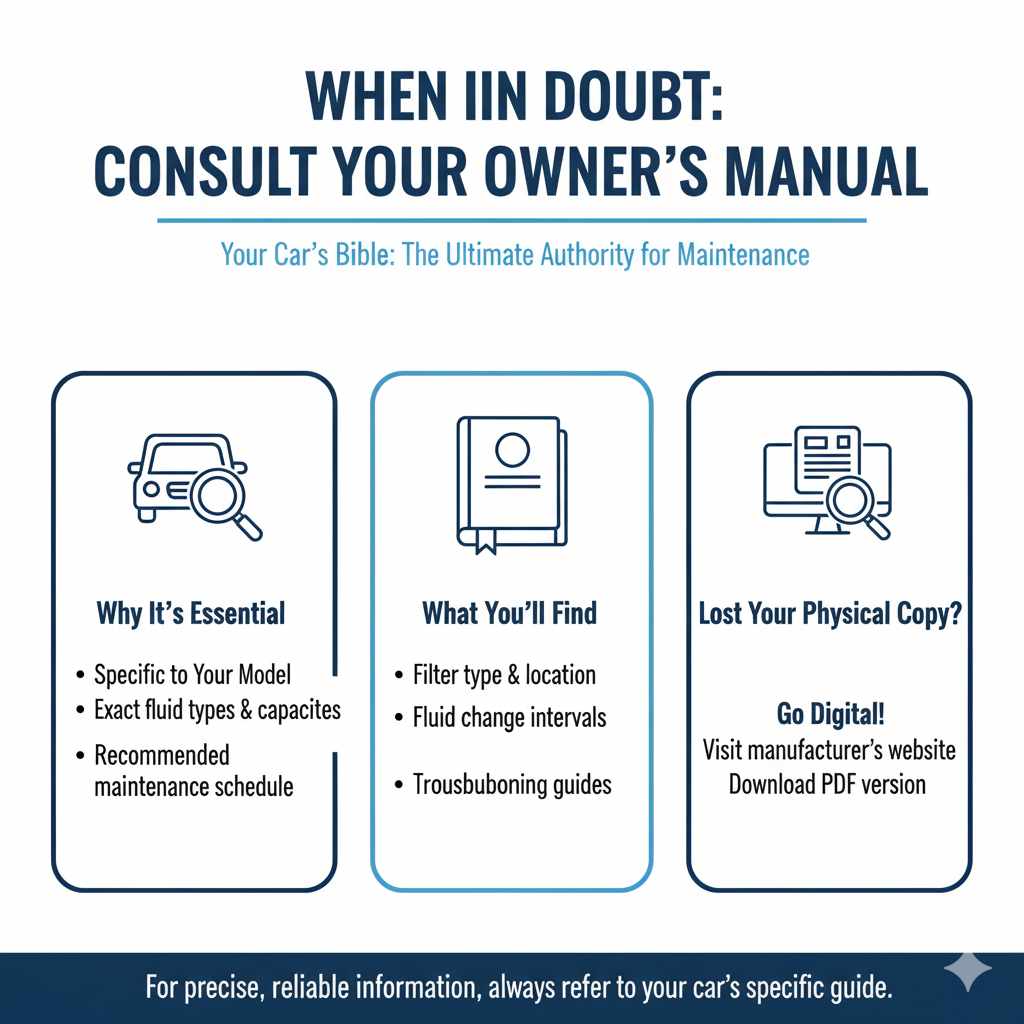
Every car is a little bit different. While the general principles are the same, your car’s owner’s manual is the ultimate authority for its specific maintenance needs. It will tell you:
The exact type of air filter recommended for your vehicle.
The manufacturer’s recommended replacement interval, which can vary slightly based on your car model.
The precise location of the air filter housing.
Any specific instructions for your car model.
You can usually find a digital version of your owner’s manual on the car manufacturer’s website if you no longer have the physical copy.
Frequently Asked Questions About Car Air Filters
Here are some common questions beginner car owners have about air filters:
Q1: Can I just clean my air filter instead of replacing it?
A1: While some very light dust might be brushed off, most engine air filters are designed for single use. Trying to clean them thoroughly is difficult, and you risk damaging the filter material, which can allow dirt to pass through. It’s generally best and most cost-effective in the long run to replace it.
Q2: How much does a car air filter cost?
A2: The cost of an engine air filter is usually quite affordable. They typically range from $10 to $30 for most standard vehicles. Some performance or specialty filters might cost a bit more. This makes it one of the most budget-friendly maintenance items.
Q3: Can a dirty air filter actually damage my engine?
A3: Yes, if left severely neglected for a long time, a clogged air filter can allow dirt to get into the engine, causing internal wear and damage. It also forces the engine to work harder, which can lead to other problems.
Q4: How often should I change the cabin air filter?
A4: The cabin air filter cleans the air that enters your car’s interior, not the engine. It’s usually recommended to change it every 15,000 to 30,000 miles, or once a year. Signs it needs changing include reduced airflow from your vents or musty smells. This is different from the engine air filter.
For more detailed information on cabin air filters, you can check out resources from automotive experts like those at AAA.
Q5: Does driving in the rain affect my air filter?
A5: Driving in heavy rain might get the air filter wet, which isn’t ideal. A wet filter can restrict airflow and potentially lead to moisture entering the engine. If your filter gets soaked, it’s a good idea to check it and replace it if it looks damaged or excessively dirty.
Q6: What’s the difference between a disposable and a reusable air filter?
A6: Disposable air filters are the most common type and are meant to be replaced when dirty. Reusable filters, often made of cotton gauze or synthetic materials, can be cleaned and re-oiled. While they can be more expensive upfront, they can save money over time if maintained properly. However, they require specific cleaning kits and careful maintenance to ensure they perform correctly.
Summary Table: Air Filter Replacement Intervals
To make it easy, here’s a quick reference for when to check and change your car’s engine air filter:
| Driving Condition | General Recommendation | Check/Replace Frequency |
|---|---|---|
| Normal Driving | Standard city/highway driving | Every 12,000 – 15,000 miles or 1 year |
| Dusty/Dirty Roads | Unpaved roads, construction zones, rural areas | Every 5,000 – 7,500 miles or 6 months |
| Stop-and-Go Traffic | Heavy city driving with frequent idling | Every 7,500 – 10,000 miles or 8 months |
Note: These are general guidelines. Always refer to your vehicle’s owner’s manual for the most accurate recommendations for your specific car.
Conclusion: Keeping Your Car Breathing Easy
Taking care of your car doesn’t have to be complicated. Changing your engine air filter is a simple, budget-friendly maintenance task that has a huge impact on your vehicle’s health, performance, and how much you spend on fuel. By understanding the signs that your filter needs replacing and following the recommendations for your driving conditions, you’re actively protecting your engine.
Don’t let a clogged air filter hold your car back. A quick check during your regular oil change or when you notice any of the symptoms we discussed can save you a lot of headaches and money in the long run. So, next time you’re thinking about car maintenance, remember the air filter – your engine’s best friend. Happy driving, and keep that engine breathing easy!