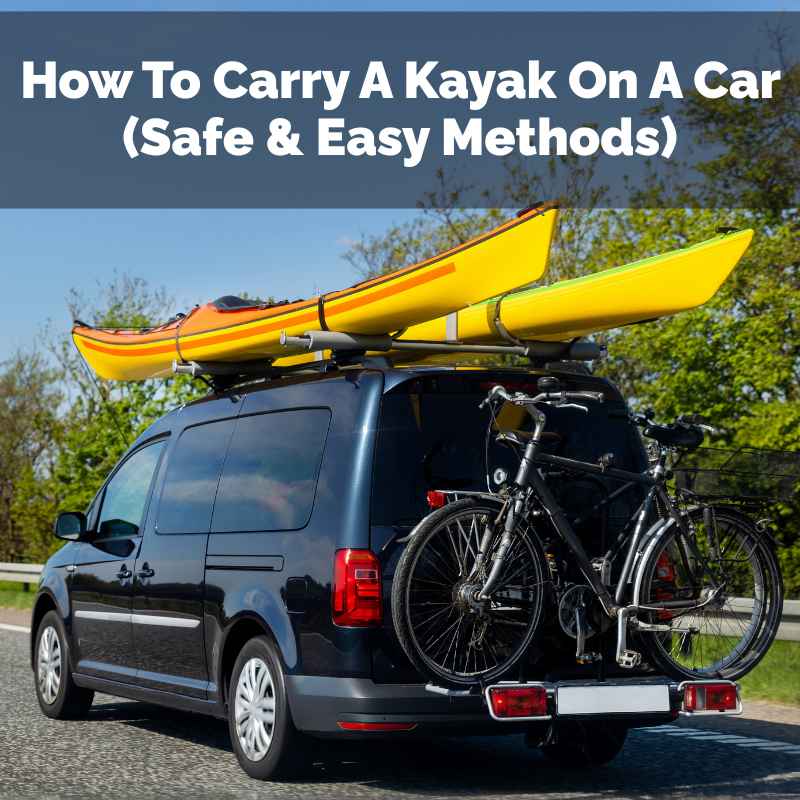
How To Carry A Kayak On A Car (Safe & Easy Methods)
You’ve got this amazing kayak, ready for adventure. But how do you safely get it from your garage or driveway onto your car’s roof, or into the back? It’s a common worry.
We want to make sure our kayak, our car, and most importantly, ourselves, stay safe.
This guide is here to break down the best ways to carry a kayak on your car. We’ll cover simple steps and smart gear choices. You’ll learn how to do it easily and securely.
Soon, you’ll be on your way to more paddling fun.
The easiest way to carry a kayak on a car involves using a roof rack system designed for boats. This typically includes crossbars and kayak carriers like J-racks, saddle racks, or stackers. Proper tie-downs are crucial for safety. For smaller kayaks or SUVs with open beds, a truck bed extender might be a simpler option.
Understanding Kayak Car Carrying Options
When you look at your car and your kayak, it can seem like a mismatch. How do these two things even get along? The good news is there are many ways to make it work.
It really depends on your car, your kayak, and your budget.
The most common and often best method is using a roof rack. Think of it as a strong base on your car’s roof. This base lets you attach special holders for your kayak.
These holders keep the boat steady and safe while you drive.
Beyond roof racks, some people use truck beds. If you have a pickup truck, this can be a straightforward option. You might need some extra gear to make sure the kayak doesn’t stick out too far or bounce around.
Then there are simpler methods for very specific situations. Maybe you have a small, lightweight kayak. Or perhaps your car has a unique setup.
We’ll explore all these to help you find the perfect fit for your needs.
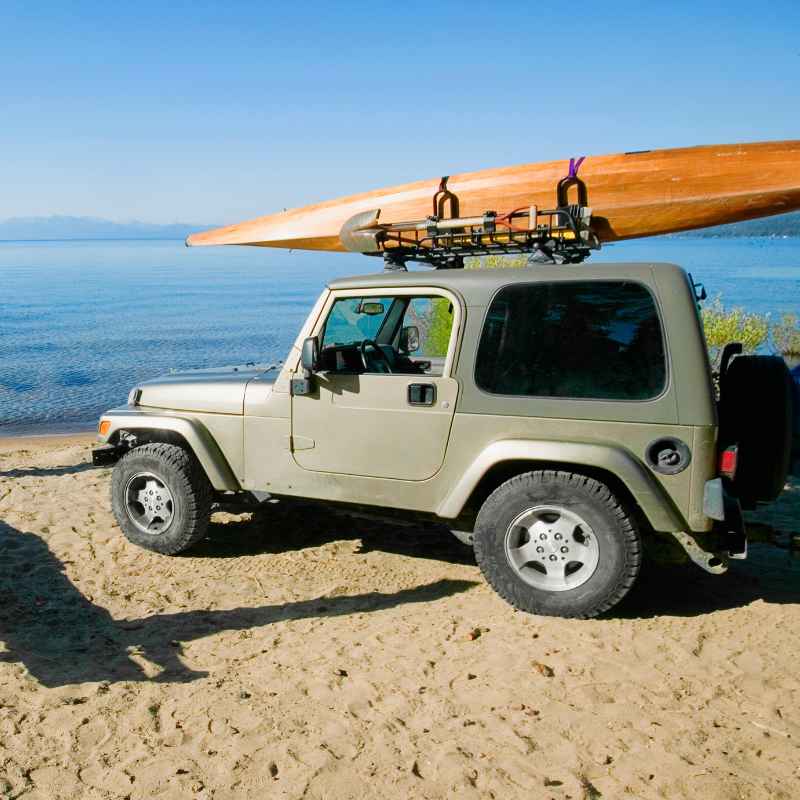
The Power of the Roof Rack System
Roof racks are like the backbone of kayak transportation for many. They add a sturdy platform to your car’s roof. This platform is key.
It holds whatever you need to carry, and for kayaks, it’s usually very effective.
A typical roof rack has two main parts. First are the crossbars. These run from side to side across your car’s roof.
They connect to towers that grip your car’s door frame or factory-installed rails.
Second are the kayak carriers. These attach to the crossbars. They are specifically shaped to hold a kayak.
They prevent the boat from sliding around or getting damaged.
Using a good roof rack system means your kayak sits up high. This keeps your car’s interior free. It also usually gives good ground clearance.
This is important for not scraping the bottom of your boat.
Types of Kayak Carriers
There are a few popular kinds of carriers that attach to your roof rack crossbars. Each has its own way of holding your kayak. Some are better for certain types of kayaks or for ease of use.
J-Cradles (J-Racks)
J-cradles are very common. They look like a capital ‘J’. Your kayak rests on its side in the curve of the ‘J’.
This position often saves space. You can sometimes fit two kayaks on a single rack with J-cradles, side by side.
They grip the hull of the kayak tightly. This stops it from shifting. Most J-cradles have padded surfaces.
This protects your kayak’s finish. They usually come with tie-down straps. These straps are super important for security.
Saddle Racks
Saddle racks are designed for kayaks to sit flat on their hull. They are like a set of padded rollers or saddles. The kayak rests its bottom on these saddles.
You usually need four saddles per car.
These are great for wider kayaks. They distribute the weight evenly. Like J-cradles, they usually include straps for securing the boat.
Some people find saddles easier to load than J-cradles. It’s a matter of preference and kayak shape.
Stackers
Stackers are vertical posts. You can slide multiple kayaks between these posts. They are good for people who carry a lot of kayaks.
Think families or rental outfitters.
The kayaks sit on their sides, leaning against each other. They are then strapped tightly to the stacker posts. This saves a lot of roof space.
You need strong crossbars for stackers. They carry more weight.
Load-Assist Systems
Some carriers have a load-assist feature. This can be rollers or a tilting mechanism. It helps you slide or lift the kayak onto the roof rack more easily.
These are fantastic for heavier kayaks or if you’re loading alone.
They reduce the amount of lifting you need to do. This is a real back-saver. They often add a bit more cost.
But for many, the convenience is well worth it.
Kayak Carrier Quick Scan
J-Cradles: Kayak on its side. Saves space. Good for multiple boats.
Saddle Racks: Kayak on its hull. Even weight distribution. Good for wide boats.
Stackers: Vertical posts. Carry many kayaks. Best for fleet owners.
Load-Assist: Rollers or tilt. Makes lifting easier. Great for heavy boats.
The Truck Bed Advantage
If you’re lucky enough to own a pickup truck, you’ve got a different set of options. The truck bed can be a great place to haul a kayak. It’s often lower and easier to load than a car roof.
For shorter kayaks, they might fit entirely within the bed. You just need to secure them well. For longer kayaks, they will extend out the back.
This requires special attention to safety.
Truck Bed Extenders
A truck bed extender is a very handy device. It attaches to your truck’s trailer hitch. It then extends out behind the tailgate.
This gives you extra length for carrying long items like kayaks.
The extender provides a stable support. The kayak rests on the extender and the truck bed. You still need to strap the kayak down securely.
This prevents it from moving. It also needs a red flag if it extends beyond the truck’s rear.
Truck Bed Loading Tip
What it is: A device that attaches to your trailer hitch. It provides extra support for long items.
Why use it: Lets longer kayaks fit within legal limits.
Key feature: Creates a stable, extended platform.
Safety note: Always use a red flag for overhang.
Direct Bed Mounting
For shorter kayaks, or if your truck bed is wide enough, you might not need an extender. You can lay the kayak directly in the bed. Padding is key here.
Use blankets, foam, or specialized bed mats.
You need to make sure the kayak is centered. It shouldn’t lean too much to one side. Tie-down straps are a must.
Run straps over the kayak and secure them to the truck’s tie-down points.
If the kayak extends past the tailgate, you need to be extra careful. Use a red flag during the day. At night, you might need a light.
Check your local laws about overhang.
Some trucks have built-in bed rails. You can use these to attach tie-down straps or special bed racks. These racks can lift the kayak higher.
This keeps the tailgate free for other uses.
Loading Your Kayak Safely
This is where many people get stressed. Lifting a kayak can be awkward. They are long, sometimes heavy, and hard to grip.
But with the right technique, it becomes much easier.
First, assess your kayak. How much does it weigh? How long is it?
What’s its shape? Also, look at your car. How high is the roof?
Having a helper is always the best option. Two people can easily lift and position most kayaks. But what if you’re alone?
Don’t worry, there are ways to manage.
The Two-Person Lift
This is the simplest method if you have a friend. Position yourselves on opposite sides of the kayak. Decide who will lift which end.
Or, one person at the front, one at the back.
Grip the kayak firmly. Use strong points like handles or the cockpit rim. Lift together.
Coordinate your movements. Slowly walk the kayak towards the car.
Once over the roof rack, carefully lower it into place. Make sure it sits securely on the saddles or cradles. Get it positioned correctly before you start strapping.
Loading Alone: Techniques and Tools
Loading a kayak by yourself takes a bit more planning. But it’s totally doable. The key is to use leverage and the right tools.
The Shoulder Carry: For lighter kayaks, you can lift one end to your shoulder. Then, walk the other end up onto the car’s rear bumper. From there, you can pivot the kayak onto the roof rack.
This takes practice.
The Roll and Lift: Place a blanket or mat on the ground behind your car. Lift one end of the kayak and rest it on the mat. Then, lift the other end and place it onto the roof rack.
This method is easier if your kayak is lighter.
Using a Loading Assist Roller: Some roof rack systems offer a rear roller bar. You rest the kayak’s back end on this roller. Then, you lift the front end and slide the kayak forward onto the rack.
Kayak Loading Docks/Hoists: For permanent storage on a garage ceiling, hoists are great. For car loading, some specialized docks help you lift one end and then slide the rest.
Kayak Carts: While not for loading onto the car, kayak carts (or dollies) are amazing for getting your kayak from the water to your car. Once it’s on the cart, you can wheel it right up to the car. Then, you can use one of the lift methods.
Alone Loading Trick
Method: The shoulder carry.
Steps:
1. Lift one end to your shoulder. 2.
Rest that end on the car’s rear bumper. 3. Walk forward, pivoting the kayak onto the roof rack.
Best for: Lighter kayaks.
Practice: Takes a few tries to get right.
Securing Your Kayak: The Tie-Down Strategy
This is perhaps the MOST important part. A kayak that isn’t secured properly can be incredibly dangerous. It can shift, fly off the car, or damage your vehicle.
You need strong tie-down straps. These are usually cam straps or ratchet straps. Cam straps are generally preferred for kayaks because they don’t overtighten and crush the hull.
You’ll need at least two straps for the kayak itself. One near the front, one near the back. These straps go over the kayak and attach to the car’s crossbars or strong anchor points.
Bow and Stern Lines: Crucial for Stability
Beyond the main straps holding the kayak to the rack, you MUST use bow and stern lines. These lines go from the front of your kayak (the bow) to the front of your car. And from the back of your kayak (the stern) to the back of your car.
Why are these so important? They stop the kayak from sliding forward or backward. Imagine braking hard.
Without bow and stern lines, the kayak could lurch forward. These lines keep it locked in place.
You can buy specialized bow and stern tie-down kits. They often have bungee cords or cam straps with hooks. You can also make your own using strong rope.
Attach these lines to solid points on your car. Look for tow hooks, or strong frame points. Avoid attaching them to plastic bumpers or trim.
Tie-Down Checklist
1. Main Straps: Use two or more cam straps.
2. Bow Line: Secure front of kayak to front of car.
3. Stern Line: Secure back of kayak to back of car.
4. Tightness: Snug, but not crushing the hull.
5. Check: Give the kayak a firm shake. It shouldn’t move.
The Knot You Need (Cam Straps)
When using cam straps, the knot is simple. You just feed the strap through the cam buckle. Pull it tight.
The cam mechanism locks it in place.
Make sure the strap lies flat. Don’t let it twist. Twist in a strap can weaken it.
Also, ensure the strap isn’t rubbing against anything sharp.
When you get to your destination, loosen the straps. You don’t want to leave them under tension for too long. This can damage your kayak or car.
My Own Loading Scare
I remember one time, I was heading out for a solo fishing trip. I had a new, slightly heavier touring kayak. I was pretty confident with my roof rack.
I’d loaded my old kayaks a hundred times.
I got the kayak up on the saddles. I used my trusty cam straps. I cinched them down tight.
I even used the bow and stern lines. I did my usual shake test. It felt solid.
I drove off. The highway was a bit windy that day. I felt okay at first.
Then, I heard a weird flapping sound. It wasn’t loud, but it was definitely there. My stomach did a little flip.
I pulled over at the next exit. I got out and looked. The kayak hadn’t moved an inch.
But one of the cam straps had loosened slightly. Just enough to flap against the side of the car.
It was a wake-up call. Even with all the right gear, you have to be vigilant. A small oversight can lead to trouble.
From then on, I always do a quick check after about 10-15 minutes of driving. And I make sure those cam straps are truly locked.
When Is It Time for a Different System?
Most people find a good roof rack system works well. But sometimes, your situation might call for something else.
Heavy Kayaks: If you have a really heavy kayak (like a tandem or a fishing kayak with all the gear), lifting it onto a car roof can be a big strain. A truck bed might be easier. Or a trailer.
Frequent Transport: If you’re moving your kayak almost every day, a system that’s super quick to load and unload is worth the investment.
Physical Limitations: For people with back problems or less upper body strength, heavy lifting is out. Load-assist systems, truck beds, or trailers become essential.
Multiple Boats: If you’re carrying more than one kayak regularly, stackers on a roof rack are great. Or a trailer with multiple cradles.
Car Type: Some cars are not ideal for roof racks. Very small cars might have roofs that are too low. Or cars without roof rails can be harder to outfit.
Kayak Trailers
A kayak trailer is a dedicated small trailer. It has mounts for one or more kayaks. They can be expensive.
But they offer the easiest loading and unloading.
You just roll your kayak onto the trailer. Strap it down. You don’t have to lift it high at all.
They are also great if you have a car that can’t take a roof rack.
The downside is you have to tow it. This means you need a vehicle with a tow hitch. And you have to manage the trailer when parking or reversing.
Trailer vs. Roof Rack
Trailer:
- Pros: Easiest loading, no lifting to roof height, keeps car roof clear.
- Cons: Requires towing vehicle, extra cost, parking and reversing can be tricky.
Roof Rack:
- Pros: Very common, lots of options, doesn’t add to vehicle length/weight like a trailer.
- Cons: Lifting can be difficult, can add wind noise, potential for car damage if not installed well.
Best Practices for Long Trips
Driving with a kayak on your car isn’t like driving normally. You need to adjust your habits.
Speed: Don’t speed. High speeds create more wind resistance and stress on your rack and kayak. Stick to speed limits.
Cornering: Take turns slowly and smoothly. The kayak can shift if you corner too sharply.
Braking: Brake gently. Sudden stops are hard on your tie-downs.
Wind: Strong crosswinds can be a challenge. Drive more cautiously in windy conditions.
Hills: Be mindful of steep hills. Accelerating or braking on inclines puts extra strain on the system.
Noise: Expect some wind noise. Some racks are quieter than others. You can get fairings to reduce noise.
Checking Your Rig at Stops
As I learned, checking your kayak is vital. Stop every hour or so on longer trips. Or at least after the first 15-30 minutes.
Get out and look. Give the kayak a firm push and pull. Do the straps look tight?
Are they still in the right place?
This simple check can prevent a disaster. It takes only a minute or two. It’s always worth the time.
What This Means for You
So, how does all this information help you? It means you have options! You don’t have to be intimidated by getting your kayak to the water.
For most people with a standard car, a good roof rack with appropriate carriers is the way to go. If you have a truck, explore bed extenders or direct bed carrying.
The most important takeaway is safety. Always double-check your tie-downs. Use bow and stern lines.
If you’re loading alone, find a method that works for you and your kayak’s weight.
Don’t rush the process. Take your time. And if possible, have a friend help.
The goal is to get your kayak to the water safely so you can enjoy your time there.
When to Worry
Movement: If the kayak shifts when you push it.
Loose Straps: If any tie-down strap is loose or flapping.
Odd Noises: Any scraping or banging sounds from the roof.
Instability: If the car feels wobbly or unstable at speed.
Advice: Pull over immediately and re-secure everything.
Quick Fixes and Smart Tips
Here are some small things that make a big difference when carrying your kayak:
Use a Towel: If your kayak is a bit slippery, or the rack straps are, a small towel tucked under the strap can add grip.
Protect Your Car: When loading, if your paddle or the kayak might scrape your car’s paint, use a soft cloth or foam protector on the bumper or door frame.
Know Your Load Limit: Most car roof racks have a weight limit. Make sure your kayak and the rack system don’t exceed it.
Consider a Kayak Cart: Seriously, if you’re walking any distance from car to water, a cart is a game-changer.
Practice at Home: Before your first big trip, practice loading and unloading in your driveway. Get comfortable with the process.
Check Local Laws: Rules about overhang, flags, and lights can vary. A quick search for your state’s regulations is a good idea.
Frequently Asked Questions
Can I carry a kayak on any car?
Generally, yes, but it’s easier with some cars than others. Cars with factory-installed roof rails are ideal for attaching crossbars. Some cars might need specific clip-on roof rack systems.
Very small cars or cars with no solid roof frame can be challenging. A truck bed or a trailer are alternatives if your car isn’t suitable for a roof rack.
How do I choose the right roof rack?
First, check your car’s manual for roof load limits. Then, choose crossbars that fit your car. Finally, select kayak carriers (J-cradles, saddles, etc.) based on your kayak’s type, weight, and how many you need to carry.
Look for reputable brands known for safety and durability.
Is it safe to drive with a kayak on the roof?
Yes, it is safe when done correctly. This means using a properly installed roof rack system, secure kayak carriers, and strong tie-down straps. Crucially, you must use bow and stern lines to prevent forward or backward movement.
Regular checks during the drive are also essential.
What if my kayak is too long for my truck bed?
If your kayak extends more than a few feet beyond your truck bed, you will likely need a truck bed extender. This device attaches to your trailer hitch and provides a stable support that extends out behind the truck. You will still need to secure the kayak properly with straps and use a red flag if it overhangs significantly.
How tight should the straps be?
The straps should be snug enough to prevent the kayak from moving at all, but not so tight that they deform or crush the kayak’s hull. For most kayaks, especially plastic ones, cam straps are recommended as they provide secure tension without excessive force. A good test is to try and shake the kayak; it should not budge.
Do I need bow and stern lines if I have good straps?
Absolutely, yes. Bow and stern lines are critical for safety, even with very strong side straps. They prevent the kayak from sliding forward during sudden braking or backward during acceleration.
They act as a crucial backup and provide overall stability to the load.
Conclusion
Transporting your kayak doesn’t have to be a headache. With the right gear and a bit of know-how, you can get your boat to the water safely and easily.
Whether you choose a roof rack, a truck bed solution, or even a trailer, remember that secure tie-downs and careful driving are key. Enjoy your adventures on the water!
Products related to this article
Sponsored / affiliate links. As an Amazon Associate I earn from qualifying purchases. I may earn additional commission from eligible campaigns.