How to Add Bluetooth to Your Car: 4 Methods for Any Budget
Adding Bluetooth to a car without it: if it has an aux port, use a Bluetooth AUX adapter ($20–60); if not, an FM transmitter ($15–30) broadcasts wirelessly; for the best sound quality, swap in a Bluetooth-enabled head unit ($150–400, plus $100–200 for professional installation). The method that’s right for you depends on your car’s existing connections and how much audio quality matters.
Benefits Of Bluetooth In Cars
Top Pick: Bluetooth FM Transmitter (No Aux Needed)
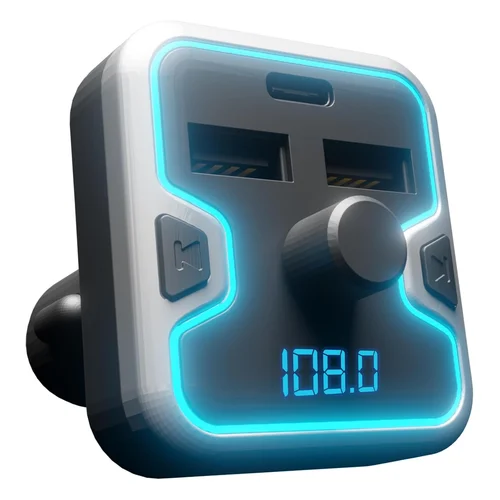
Bluetooth FM Transmitter with USB-C Charging
Works on any car with FM radio — no aux port needed. Pairs with your phone via Bluetooth 5.0, broadcasts on a clear FM frequency, and adds USB-C fast charging. Under $30.
- Best for: Cars with FM radio but no aux or USB ports
- Why we picked it: Zero installation — plug into 12V socket and pair in 60 seconds
- Main drawback: Sound quality depends on finding a clear FM frequency
More Bluetooth upgrade options by method
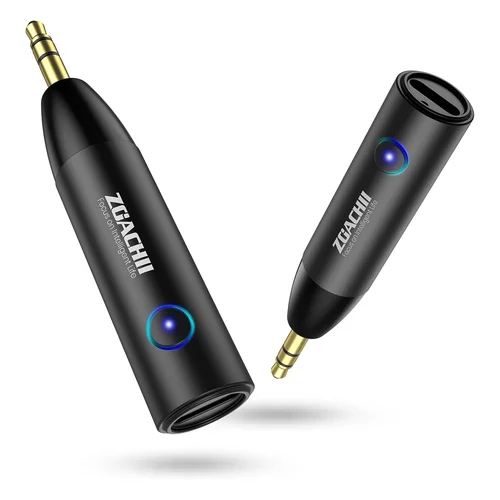 Option 1 Bluetooth AUX Adapter
|
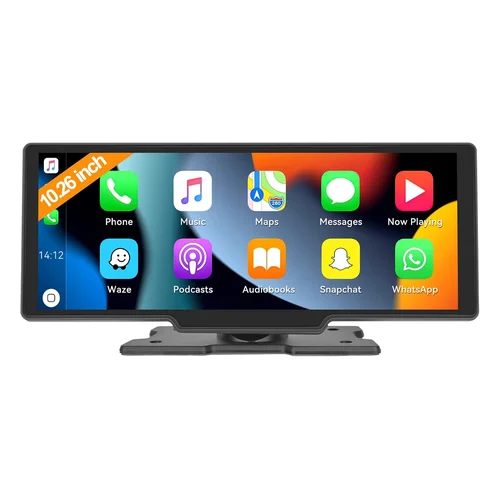 Option 2 Bluetooth Head Unit
|
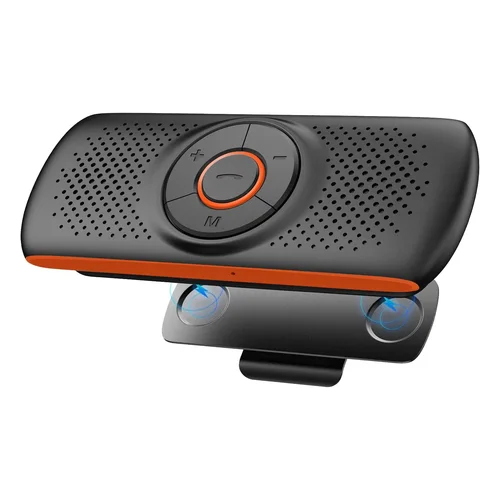 Option 3 Bluetooth Speakerphone Kit
|
As an Amazon Associate we earn from qualifying purchases.
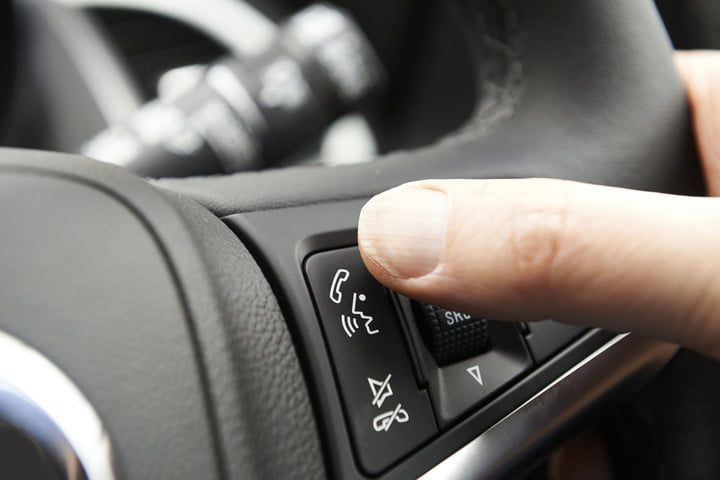
Bluetooth solves three problems at once: hands-free calling (legally required while driving in most US states), wireless music streaming, and GPS voice navigation through your car speakers — all without the cable tangle. Beyond convenience, studies show that holding a phone while driving increases crash risk by 4x; a hands-free Bluetooth setup keeps your attention on the road. Modern Bluetooth adapters also add USB charging ports, so your phone stays charged on long drives without a separate charger taking up your cigarette lighter socket.
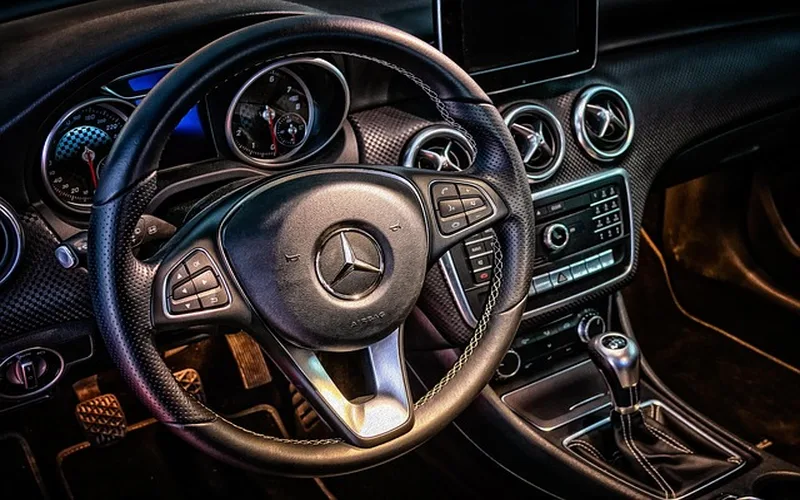
Assessing Your Car’s Compatibility
Before buying anything, check what audio inputs your car already has. Look at the front of the head unit and the center console for:
- 3.5mm AUX port: The most common on cars from 2005–2015. A Bluetooth AUX adapter is the easiest fix.
- USB port: Present on most cars from 2010 onward. Some Bluetooth adapters plug directly into USB.
- CD/cassette slot: Cassette tape Bluetooth adapters still work surprisingly well on older head units.
- FM radio only (no AUX, no USB): An FM transmitter is your only plug-and-play option without replacing the head unit.
- Screen with audio menus: Check the settings for a hidden Bluetooth option — some factory head units have Bluetooth built-in but not activated.
The existing car audio system determines which adapters will work. Once you know what inputs you have, choosing the right kit is straightforward.
4 Methods to Add Bluetooth to Any Car
Method 1: FM Transmitter (No AUX Required)
An FM transmitter plugs into the 12V cigarette lighter socket, connects to your phone via Bluetooth, and broadcasts audio on a low-power FM frequency — your car radio picks it up like any radio station. No aux port or wiring needed. This is the only truly plug-and-play option for cars that only have FM radio. Cost: $15–30. Modern FM transmitters (like the Nulaxy KM18 with Bluetooth 5.0) also add USB-C fast charging and a display showing the FM frequency. Sound quality depends on finding a clear FM frequency with no interference — rural drivers get excellent results; urban drivers may experience some static. For the best FM transmitter options, see our car cigarette lighter Bluetooth adapter guide.
Method 2: Bluetooth AUX Adapter (Best Value)
If your car has a 3.5mm aux port, a Bluetooth AUX adapter is the cleanest solution. Plug the adapter into the aux jack, pair your phone once, and audio streams wirelessly from that point on. Cost: $20–60. Higher-end models include an external microphone for clearer hands-free calls and aptX codec support for CD-quality audio. The connection is more stable than FM transmission and completely free of radio interference. Setup takes under 2 minutes. See our comparison of the best Bluetooth AUX adapters for car audio for specific model picks and current prices.
Method 3: Bluetooth Head Unit Replacement (Best Quality)
Replacing the factory head unit with an aftermarket Bluetooth stereo delivers the cleanest audio quality and the most features — Apple CarPlay, Android Auto, touchscreen navigation, and integrated microphone. Cost: $80–200 for the head unit + $20–50 for wiring harness + $100–200 for professional installation (or $0 if you DIY). Total DIY cost: $100–250. Total with professional install: $200–400. This is the permanent solution and the only option that integrates Bluetooth natively into the car’s audio system rather than adding an external device.
Method 4: OEM Integration Kit (Factory Look)
For newer cars where you want to preserve the factory head unit and steering wheel controls, an OEM integration kit (like the GROM BT3 or iSimple ISBT22) wires into the car’s existing audio harness behind the head unit. It adds Bluetooth audio and calling without changing the dash appearance. Cost: $80–150 for the kit + professional installation ($100–200). Best for: luxury cars, recent vehicles under warranty where swapping the head unit would void coverage, or any car where preserving the factory look matters.
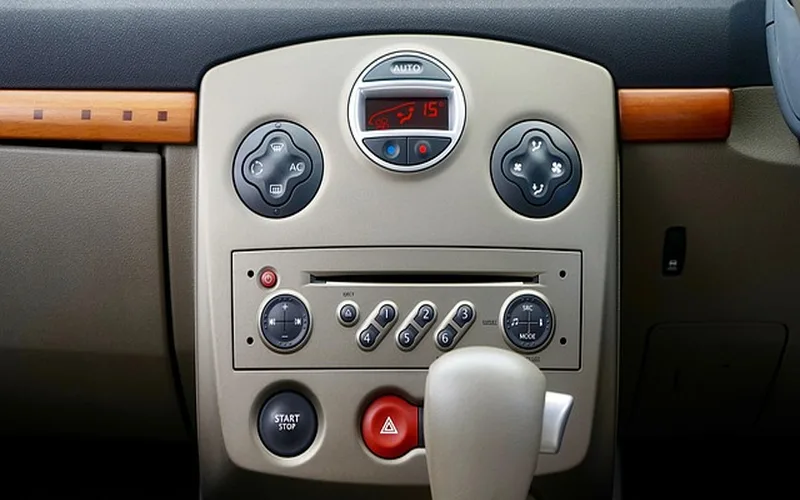
How to Add Bluetooth to a Car Without an AUX Port
Cars without an aux port — typically pre-2005 vehicles or base-trim models — have three realistic options:
- FM transmitter: Plugs into the 12V socket, no wiring. Best for a quick, cheap solution. Sound quality is good in areas with clear FM frequencies.
- Cassette tape Bluetooth adapter: If your car has a tape deck, a cassette adapter with a Bluetooth receiver delivers better sound than FM transmission and costs $20–40. Wired cassette adapters are even cheaper but require the phone to be plugged in.
- Replace the head unit: The most permanent fix. A new Bluetooth head unit costs $80–200 and replaces the factory radio entirely. Requires removing the dash trim and connecting the wiring harness — a 1–3 hour DIY job or $100–200 at a shop.
How Much Does It Cost to Add Bluetooth to a Car?
Cost varies significantly by method. Here’s a complete breakdown:
| Method | DIY Cost | With Pro Install | Audio Quality | Best For |
|---|---|---|---|---|
| FM Transmitter | $15–30 | N/A (no install needed) | Good (location dependent) | No aux port, budget |
| Bluetooth AUX Adapter | $20–60 | N/A (plug-in) | Very good | Cars with aux port |
| Cassette BT Adapter | $20–40 | N/A (plug-in) | Good | Cars with tape deck |
| OEM Integration Kit | $80–150 | $180–350 | Excellent | Preserve factory look |
| Head Unit Replacement | $100–250 | $200–450 | Excellent | Full upgrade, CarPlay/AA |
Tools Needed For Installation
For plug-in methods (FM transmitter, AUX adapter, cassette adapter): no tools required — just plug in and pair. For a head unit replacement, you’ll need:
- Panel removal pry tools: Plastic trim removal tools prevent scratching the dash. A full set costs $10.
- Wire harness adapter: A vehicle-specific wiring harness ($15–25) lets you connect the new head unit without cutting factory wires.
- Screwdrivers (Phillips and flathead): For removing the head unit mounting screws.
- Multimeter: Useful for verifying wire connections if the harness color coding is unclear.
- Zip ties: Bundle and secure the wiring behind the dash once everything is connected.
Step-by-Step Installation Process
For FM Transmitter or AUX Adapter (Under 5 Minutes)
Plug the FM transmitter into the cigarette lighter socket (or the AUX adapter into the aux port). Turn on the car. On the transmitter, select an FM frequency with no station — try 87.9 FM or 107.9 FM first as these are typically clear. Tune your car radio to the same frequency. Enable Bluetooth on your phone, search for devices, and select the transmitter’s name. Play music or make a call — audio routes through your car speakers immediately.
For Head Unit Replacement (1–3 Hours)
Start by checking your car’s audio system with a vehicle-specific wiring harness — search “[your car make/model/year] wiring harness” to find the right adapter. Remove the dash trim panels using plastic pry tools starting at the corners. Unscrew the factory head unit (typically 4 screws) and slide it out. Disconnect the factory wiring harness and antenna cable. Connect the adapter harness to the factory plug, then connect the harness to the new head unit. Slide the new unit in, test audio before reassembling the dash, then clip the trim panels back into place. Total time: 1–3 hours depending on vehicle complexity.
Troubleshooting Common Issues
Connection Problems
Bluetooth won’t pair: ensure Bluetooth is active on your phone and the adapter is in pairing mode (usually indicated by a flashing LED). Delete the device from your phone’s Bluetooth list and re-pair from scratch. Some cars have a Spotify Car Mode or audio app that overrides Bluetooth — close other audio apps before pairing. If problems persist, restart both the phone and the adapter by unplugging it from power for 10 seconds.
Audio Quality Concerns
For FM transmitters: the most common cause of poor audio is FM frequency interference. Try a different frequency — in dense urban areas you may need to experiment with 3–4 frequencies to find a clear one. For AUX adapters: static or hum usually indicates a ground loop — try a different power source or use a ground loop isolator ($10–15). For head units: check that the wiring harness is fully seated and that speaker wire connections are secure.
Maintaining Your Bluetooth System
Regular Updates
Bluetooth head units receive firmware updates that fix connection bugs and add features. Check the manufacturer’s website every 6 months — updates are typically loaded via USB drive. For phone-side Bluetooth issues, keeping your phone’s OS updated resolves most compatibility problems that arise after phone software updates.
Cleaning And Care
FM transmitters and AUX adapters accumulate dust and debris in the 12V socket and aux port — wipe contacts with a dry cloth monthly. Avoid cheap adapters that block adjacent 12V sockets; the extra heat from a tightly packed socket can reduce lifespan. For head units, clean the touchscreen with a microfiber cloth only — screen cleaners containing alcohol can remove oleophobic coatings.
Frequently Asked Questions
Can I Add Bluetooth To My Car?
Yes — any car can get Bluetooth added, regardless of age. Cars without any aux or USB ports can use an FM transmitter ($15–30) that plugs into the cigarette lighter. Cars with an aux port can use a Bluetooth AUX adapter ($20–60). For the cleanest result, replace the head unit with an aftermarket Bluetooth stereo ($100–250 DIY).
Can I Install Bluetooth In My Old Car?
Yes, old cars are actually easier to upgrade than modern ones — older head units are simpler to remove and the wiring is less complex. An FM transmitter requires zero modification. A head unit replacement on a pre-2000 car typically takes 30–60 minutes and uses a universal DIN or double-DIN bracket that fits most factory openings.
How Much Does It Cost To Have Bluetooth Installed In A Car?
Professional Bluetooth installation costs $100–200 for a head unit swap at an audio shop (labor only, plus parts). An FM transmitter or AUX adapter requires no professional installation at all. An OEM integration kit installed professionally runs $180–350 total. Dealer-installed Bluetooth upgrades for factory head units can reach $500+, making aftermarket options a much better value.
How Do I Pair My iPhone To My Car?
On your iPhone, go to Settings → Bluetooth and make sure it’s enabled. Put your car’s Bluetooth adapter or head unit into pairing mode (usually a button press or automatic when powered on for the first time). Your iPhone will show the device name in the “Other Devices” list — tap it to pair. Confirm any 6-digit pairing code shown on both devices. After initial pairing, your iPhone reconnects automatically each time you start the car.
Conclusion
Adding Bluetooth to any car takes under 5 minutes with an FM transmitter or AUX adapter — and under $30. If sound quality matters, a Bluetooth head unit swap for $100–250 gives you native integration, Apple CarPlay or Android Auto, and a clean factory look. Start with the cheapest option that fits your car’s existing inputs: AUX adapter if you have an aux port, FM transmitter if you don’t. Upgrade to a head unit only if you want CarPlay or want to eliminate the external adapter permanently.
Products related to this article
Sponsored / affiliate links. As an Amazon Associate I earn from qualifying purchases. I may earn additional commission from eligible campaigns.