How to Change a Car Horn in Simple Steps
Has your car horn suddenly gone silent, leaving you unable to signal warnings or express yourself on the road? It’s a common problem that can feel a bit intimidating to fix, especially if you’re not a seasoned mechanic. But what if you could tackle this yourself with a few basic tools and some clear instructions?
This guide is designed to walk you through exactly how to change a car horn in simple steps. By following this process, you’ll not only save money on repair shop visits but also gain a valuable skill, boosting your confidence and keeping you safer on the road by ensuring your horn is functional.
Why Your Car Horn Might Stop Working
A car horn is more than just a sound-making device; it’s a vital safety component. When it fails, it can create dangerous situations. Several factors can lead to a non-functioning horn.
The most common culprits include a blown fuse, a faulty horn relay, a damaged horn button or switch, or a broken wire. Less frequently, the horn itself might have corroded or simply worn out from age and use. Identifying the exact cause is the first step in the repair process, and luckily, most of these issues are quite accessible for a DIY fix.
The Fuse and Relay Check
Before you even think about touching the horn itself, it’s wise to check the electrical components that control it. Fuses and relays are designed to protect your car’s electrical system from damage. A fuse can blow if there’s an electrical surge or short circuit.
Relays act as electronic switches, allowing a small current to control a larger one, like the one that powers your horn.
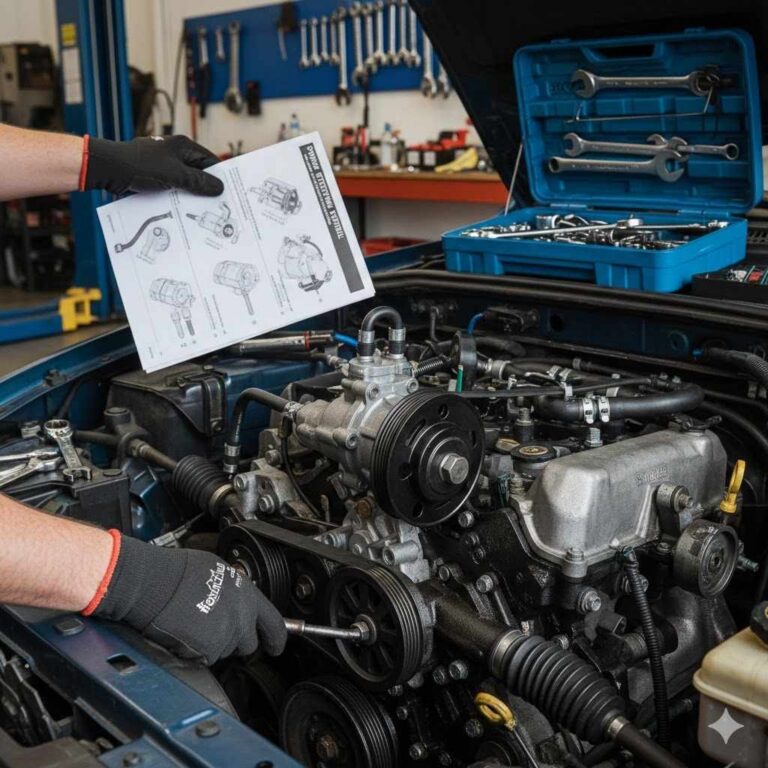
Locating your car’s fuse box is usually straightforward. Consult your car’s owner’s manual; it will show you exactly where the fuse box is and which fuses are for the horn. Typically, there will be two fuses associated with the horn system: one for the horn circuit itself and another for the horn relay.
Pull out the relevant fuses using a fuse puller (often found in the fuse box or as a separate tool) and visually inspect them. If the metal filament inside is broken, the fuse is blown and needs to be
The horn relay is usually located in the same fuse box or a separate relay box, often under the hood. Again, your owner’s manual is your best friend here. While you can’t typically “see” if a relay is bad, you can often test it.
If you hear a faint click when someone presses the horn button (and the fuse is good), the relay might be engaging but not sending power. A common swap test involves exchanging the horn relay with another identical relay from a non-essential system (like the fog lights, if it’s the same type). If the horn works after the swap, you’ve found your culprit and need a new relay.
The Horn Button and Steering Wheel
The horn button, or horn pad, is what you press to activate the horn. This component is integrated into the steering wheel. Over time, the connections within the horn button can become loose or corroded, preventing the electrical signal from reaching the horn.
Accessing the horn button requires removing parts of the steering wheel or steering wheel cover. This is where safety becomes paramount. Always disconnect the negative battery terminal before working on any part of the steering wheel or airbag system.
Airbags are sensitive and can deploy unexpectedly if mishandled. Once the battery is disconnected and you’ve waited a few minutes for any residual power to dissipate, you can proceed.
Depending on your car model, you might need to remove trim pieces around the steering column or the steering wheel itself. Carefully look for screws or clips. Once you can access the back of the horn pad, you’ll see electrical connectors.
Ensure these are clean and securely attached. Sometimes, simply cleaning the contacts with an electrical contact cleaner and reattaching them is enough to restore functionality. If the horn button itself appears damaged, it will need to be replaced.
Diagnosing the Horn Itself
If the fuses, relays, and horn button seem to be functioning correctly, the issue likely lies with the horn unit(s) themselves. Most cars have one or two horns, often located behind the front grille or bumper. They are usually bolted to the car’s frame and have a wire connector attached.
To access the horn, you’ll likely need to remove the front grille or a section of the bumper cover. Again, refer to your owner’s manual for specific instructions for your vehicle. Once you can see the horn, disconnect its electrical connector.
You can then test the horn directly using jumper wires connected to your car battery. Be cautious, as the horn can be loud. If the horn doesn’t sound when directly powered, it’s time for a replacement.

How to Change a Car Horn in Simple Steps
Now that you’ve identified the faulty component, let’s walk through the process of replacement. This guide focuses on replacing the horn unit itself, as it’s a common failure point and a manageable DIY task.
Tools and Materials You’ll Need
Gathering your supplies beforehand will make the process smoother. You’ll typically need:
- Socket set or wrench set (common sizes are 10mm, 12mm, 13mm)
- Screwdriver set (Phillips and flathead)
- Pliers
- Wire cutters/strippers (if wiring needs modification)
- Electrical tape or heat shrink tubing
- Jack and jack stands (if you need to lift the car for access)
- Work gloves and safety glasses
- Owner’s manual for your vehicle
Step-by-Step Replacement Guide
Follow these steps carefully to replace your car horn. Remember, safety first!
Step 1: Disconnect the Battery
This is the most critical safety step. Using a wrench (usually 10mm), loosen the nut on the negative (-) battery terminal and remove the cable. Tuck it away so it cannot accidentally touch the terminal.
Wait at least 5-10 minutes for any residual electrical charge to dissipate.
Step 2: Access the Horn
As mentioned earlier, the horn is typically located behind the grille or bumper. You might need to remove the grille by undoing clips or bolts. In some vehicles, you may need to remove part of the bumper cover for better access.
Refer to your owner’s manual or online tutorials specific to your car model for the best approach. If lifting the car is necessary for access, ensure it is securely supported on jack stands.
Step 3: Locate and Disconnect the Old Horn
Once the horn is visible, you’ll see it’s mounted with a bracket and has an electrical connector. Disconnect the electrical connector by pressing the release tab and pulling it off. Sometimes these connectors can be stiff; gentle wiggling might help.
Step 4: Remove the Old Horn
Using the appropriate socket or wrench, unbolt the horn from its mounting bracket. Be prepared to support the horn as you remove the last bolt so it doesn’t fall. Note the orientation of the old horn, as the new one will likely need to be installed in the same position.
Step 5: Install the New Horn
Take your new horn unit. If it came with a mounting bracket, ensure it’s correctly attached. Position the new horn where the old one was and secure it with the bolt(s).
Tighten them firmly but avoid overtightening, which could strip the threads.
Step 6: Connect the Electrical Connector
Plug the electrical connector into the new horn. Ensure it clicks into place, indicating a secure connection. If the connector on your car’s wiring harness looks corroded or damaged, you might need to clean it or even
Step 7: Reassemble the Vehicle
If you removed the grille or bumper cover, reattach it now. Make sure all clips and bolts are properly secured. If you lifted the vehicle, carefully lower it off the jack stands.
Step 8: Reconnect the Battery
With everything reassembled, reconnect the negative battery terminal cable and tighten the nut.
Step 9: Test the New Horn
Turn on your car’s ignition (no need to start the engine). Press the horn button on your steering wheel. You should hear a clear, loud sound.
If it works, congratulations! If not, re-check all your connections, fuses, and relays.
Troubleshooting Common Issues
Even with careful work, you might encounter minor setbacks. If the horn doesn’t sound after installation, the first step is to re-verify your work. Ensure the battery is connected properly.
Double-check that the new horn is securely connected electrically and physically. Sometimes, a new horn might be faulty out of the box, though this is rare.
If you replaced a dual-horn system, ensure you’ve connected the wires correctly to each horn. Some systems have two terminals per horn, while others might have one main wire and the chassis of the car acts as the ground. Refer to the new horn’s instructions or your car’s wiring diagram if available.
Consider the possibility that you might have misdiagnosed the original problem. If the horn still doesn’t work, you may need to re-examine the horn button, clock spring (a component within the steering column that allows electrical connections to rotate with the wheel), or the wiring harness itself for breaks or corrosion further up the line.
Maintaining Your Car Horn System
Once your horn is working perfectly, a little preventative maintenance can help ensure it stays that way. Regularly check your owner’s manual for recommended fuse and relay inspections. Keep the area around the horns free of excessive dirt and debris, which can sometimes impede their function or lead to corrosion.
When washing your car, avoid direct, high-pressure spraying of the horn area, which could force water into delicate electrical components.
Pay attention to any unusual sounds or intermittent horn operation. These are often early warning signs that something is beginning to fail. Addressing minor issues promptly can prevent them from escalating into more significant, and potentially costly, problems.

Frequently Asked Questions
Question: How long does it typically take to change a car horn
Answer: For most vehicles, changing a car horn takes about 30 minutes to an hour, assuming you have all the necessary tools and the replacement part ready. This can vary depending on the ease of access to the horn unit on your specific car model.
Question: Can I upgrade to a louder or different sounding horn
Answer: Yes, many aftermarket horns are available that offer louder sounds or different tones (like air horns). When upgrading, ensure the new horn’s amperage draw is compatible with your car’s existing wiring and fuse, or be prepared to upgrade those components as well.
Question: What should I do if my horn works intermittently
Answer: Intermittent horn issues often point to loose connections or a failing horn button/switch. Check the wiring at the horn itself and at the horn button. Sometimes, cleaning electrical contacts can resolve this.
If it persists, a failing horn relay or clock spring could also be the cause.
Question: Do I need special tools to change a car horn
Answer: You will generally need a basic socket or wrench set, a screwdriver, and possibly pliers. A fuse puller is also very helpful if checking or replacing fuses. Most of these are common tools found in a DIYer’s toolkit.
Question: Is it safe to work on the horn system myself
Answer: Yes, it is generally safe if you follow proper safety precautions, especially disconnecting the negative battery terminal before working on any electrical components. If you are uncomfortable working with electrical systems or automotive parts, it’s best to seek professional assistance.
Final Thoughts
Successfully replacing a car horn is a very achievable DIY project that offers a direct benefit to your vehicle’s safety and your peace of mind. By carefully following the steps outlined for checking fuses, relays, and the horn unit itself, you can pinpoint the problem and implement a solution. Remember the importance of disconnecting the battery before starting any work on electrical components and always refer to your car’s owner’s manual for specific details relevant to your make and model.
The process involves basic mechanical and electrical work, and with the right tools and a bit of patience, you can have your horn sounding loud and clear again. Don’t hesitate to tackle this task; gaining experience with simple car repairs builds confidence and can save you significant money over time. Should you encounter persistent issues, a professional mechanic is always a reliable resource to ensure your vehicle’s safety systems are fully operational.