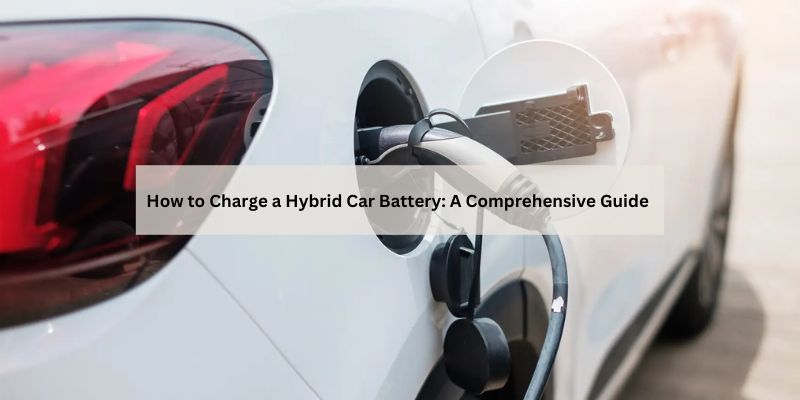
How to Charge a Hybrid Car Battery: PHEV vs. Self-Charging Hybrids
Hey there! If you’re reading this, you’re probably curious about how to charge a hybrid car battery. Maybe you just got a shiny new hybrid, or you’re thinking about making the switch to one. Either way, I’m thrilled to share everything I’ve learned from my journey with hybrid vehicles.
I’ve been driving one for years, and let me tell you, figuring out the ins and outs of charging a hybrid battery was a game-changer for me. It’s not as complicated as it sounds, but there’s a lot to know to get it right. In this guide, I’ll walk you through everything step-by-step, from the basics of hybrid batteries to the best charging practices. Let’s dive in and make this as simple as possible!
Quick Answer
It depends on your hybrid type. Traditional hybrids (like the Toyota Prius) and mild hybrids never plug in at all – their battery charges itself through regenerative braking and the gas engine. Only plug-in hybrids (PHEVs), like the Chevy Volt or RAV4 Prime, have an actual charging port: plug into a 120V outlet (Level 1, 5-7 hours) or a 240V home charger (Level 2, 2-3 hours) to recharge the larger battery.
What Is a Hybrid Car Battery and How Does It Work?
First things first, let’s talk about what a hybrid car battery is. When I got my hybrid, I was a bit confused about how it all worked. A hybrid car battery is different from the regular 12-volt battery in traditional cars. It’s a high-voltage battery, usually made of nickel-metal hydride (NiMH) or lithium-ion, designed to power the electric motor in your hybrid. This battery works alongside the gas engine to improve fuel efficiency and reduce emissions.
Here’s the cool part: the battery doesn’t just sit there. It’s constantly charging and discharging as you drive. When you brake or coast, the car captures energy (this is called regenerative braking) and stores it in the battery. Then, when you need a boost, like during acceleration, the battery sends power to the electric motor. It’s like a dance between the gas engine and the electric motor, and the battery is the heart of it all. Understanding this made me appreciate how smart these cars are!
Types of Hybrid Cars and Their Charging Needs
Not all hybrids are the same, and that was a big “aha” moment for me. There are different types of hybrid vehicles, and each has its way of handling battery charging. Let me break it down for you:
- Traditional Hybrids: These are the most common, like the Toyota Prius. Their batteries charge automatically through regenerative braking and the gas engine. You don’t plug them in, which makes life super easy.
- Plug-In Hybrids (PHEVs): These, like the Chevy Volt, have larger batteries that you can charge by plugging into an outlet. They can run on electric power alone for a certain distance before switching to gas.
- Mild Hybrids: These have smaller batteries that assist the gas engine but can’t power the car on their own. Like traditional hybrids, they charge automatically.
Here’s a quick table to make it clearer:
| Hybrid Type | Charging Method | Can You Plug It In? |
|---|---|---|
| Traditional Hybrid | Regenerative braking, gas engine | No |
| Plug-In Hybrid (PHEV) | Plug-in charging, regenerative braking | Yes |
| Mild Hybrid | Regenerative braking, gas engine | No |
Knowing your hybrid type is key because it determines how you’ll charge your battery. I drive a plug-in hybrid, so I’ve gotten pretty good at the charging routine, and I’ll share all my tips with you!
How to Charge a Plug-In Hybrid Battery
If you have a plug-in hybrid like I do, charging the battery is a hands-on process, but it’s not hard once you get the hang of it. Here’s how I do it:
Find the Right Charging Equipment
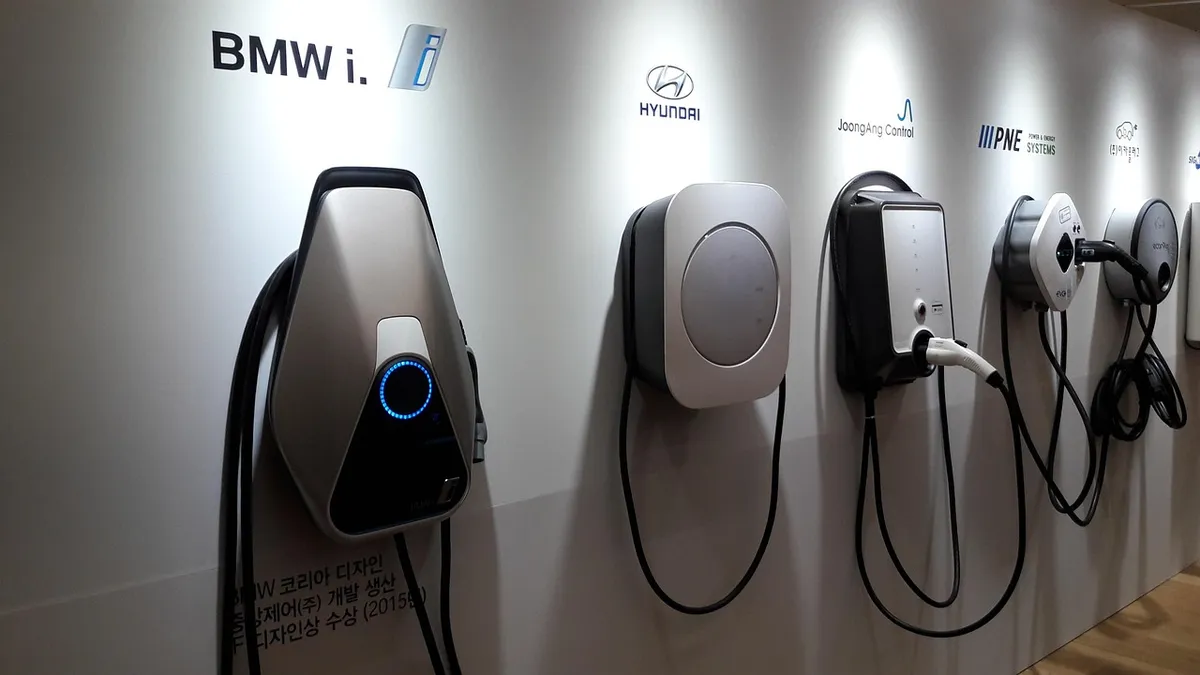
When I first got my PHEV, I was overwhelmed by the charging options. Most plug-in hybrids come with a Level 1 charger, which plugs into a standard 120-volt household outlet. It’s slow but convenient. For faster charging, you can invest in a Level 2 charger, which uses a 240-volt outlet (like the one for your dryer). I got a Level 2 charger installed at home, and it’s been a lifesaver—it cuts charging time in half!
2026 Update: The First PHEV With DC Fast Charging
Here’s a genuine change worth knowing about: for years, every plug-in hybrid on the market — no matter the brand — was limited to slow AC charging (Level 1 or Level 2), unlike full EVs which could use DC fast chargers. That changed with the 2026 Toyota RAV4 Plug-In Hybrid. Its XSE and Woodland trims come with a CCS1 charging inlet that supports DC fast charging, letting the battery go from 10% to 80% in roughly 30 minutes at a compatible fast charger — something no mainstream PHEV had offered before. The base SE and GR SPORT trims still use the standard SAE J1772 inlet for AC-only charging, so this feature isn’t universal yet even within the same model. If you’re shopping for a new PHEV and fast charging matters to you, it’s worth asking the dealer specifically which charging inlet a given trim uses.
Our Top Pick
EVDANCE Level 2 EV Charger, 40 Amp, 240V
Best for: PHEV owners who want Level 1’s convenience without the 5-7 hour wait — cuts most PHEV charge times to 2-3 hours.
Why we picked it: Plugs into a standard NEMA 14-50 outlet (the same one many dryers use), works with any J1772-equipped PHEV, and includes adjustable current settings so you don’t overload an older home circuit.
Main drawback: You’ll likely need an electrician to install a 240V outlet first if your garage doesn’t already have one.
View Our Pick on Amazon
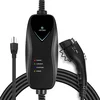 Lectron Level 1 EV Charger, 120V Best for: Renters or anyone who just wants the basic charger that came with their PHEV, as a backup. Why we picked it: Plugs straight into any standard household outlet — no electrician or install needed. Main drawback: Slow — expect 5-7+ hours for a full charge on most PHEVs. Check on Amazon |
 VEVOR J1772 Extension Cable, 21 ft Best for: Garages where the outlet is far from where you actually park. Why we picked it: ETL-certified and rated up to 48A, so it won’t bottleneck a Level 2 charger’s output. Main drawback: Adds one more cable to store neatly (see our “unplug safely” tip above). Check on Amazon |
 NOCO GENIUS1, 12V Battery Maintainer Best for: Keeping your hybrid’s separate 12V accessory battery topped up — this is different from the high-voltage hybrid battery and is safe for any driver to maintain. Why we picked it: Automatic, spark-proof, and won’t overcharge — useful if your hybrid sits unused for weeks at a time. Main drawback: Only maintains the small 12V battery, not the hybrid’s main high-voltage pack (that’s not a DIY job on any hybrid). Check on Amazon |
Locate the Charging Port
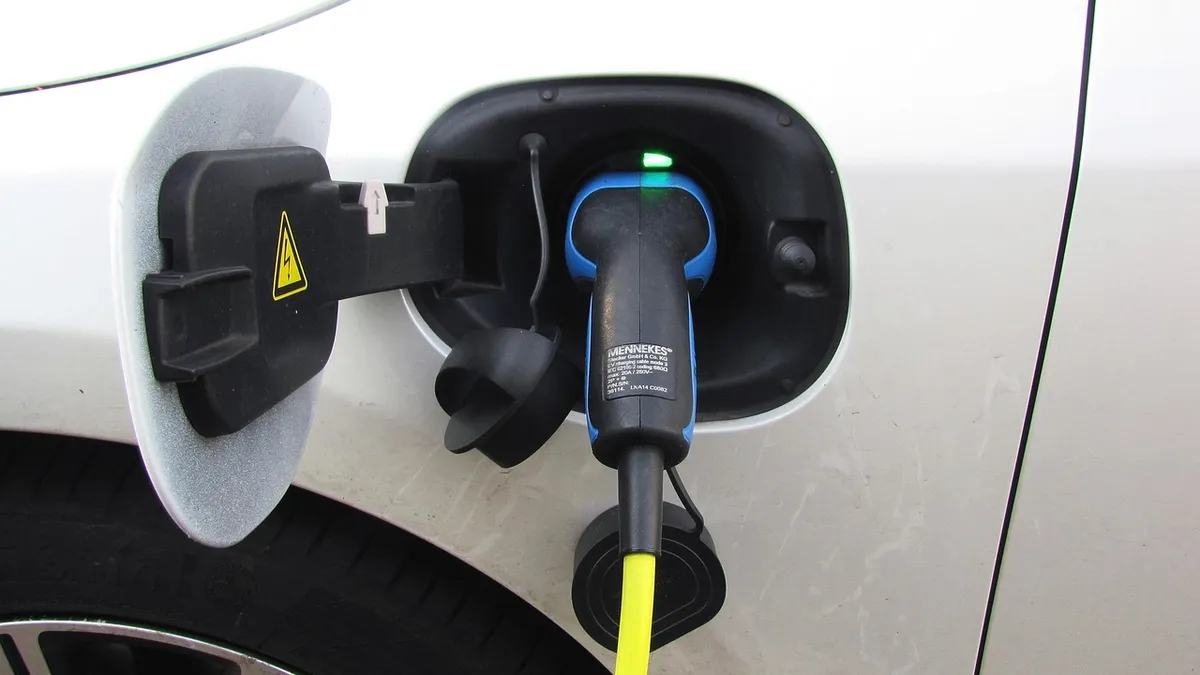
Every hybrid has a charging port, usually on the side or front of the car. Mine’s near the driver’s side door. Open the port (it’s like a little fuel door), and you’ll see where the charger plugs in. Check your owner’s manual if you’re not sure—it’s different for every model.
Plug It In
This part is straightforward. Take your charger, plug one end into the outlet, and the other into your car’s charging port. You’ll usually hear a click when it’s secure. My car has a little light that blinks to show it’s charging, which I love because it gives me peace of mind.
Monitor Charging Time
Charging times depend on the charger and battery size. With my Level 1 charger, it takes about 5-7 hours to fully charge my battery. With the Level 2, it’s more like 2-3 hours. I usually plug in at night so it’s ready by morning. Most hybrids have an app or dashboard display to show charging progress, which is super handy.
Unplug Safely
Once the battery is full, unplug the charger from the car first, then the outlet. Store the cord neatly to avoid tripping over it (trust me, I learned this the hard way!). If you’re using a public charger, double-check that you’ve disconnected properly to avoid any fees.
Charging a Traditional or Mild Hybrid Battery
If you have a traditional or mild hybrid, you’re in luck because there’s no plugging in is required. The battery charges itself while you drive. Here’s how it works:
- Regenerative Braking: Every time you brake or slow down, the car converts that energy into electricity to charge the battery. I was amazed at how efficient this was when I first noticed it.
- Gas Engine: The gas engine also generates power for the battery, especially during steady driving. It’s like the car is always working to keep the battery topped up.
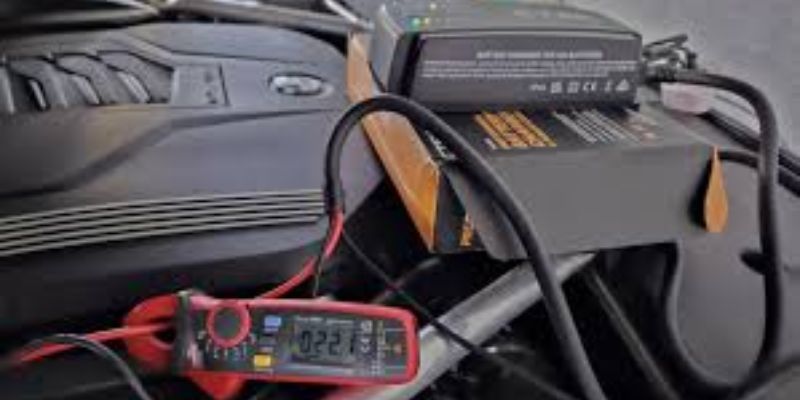
My advice? Just drive normally. The car does all the work for you. The only thing I watch out for is making sure my driving habits (like smooth braking) help maximize regenerative braking.
Where Can You Charge a Plug-In Hybrid?
One of the things I love about my PHEV is the flexibility of where I can charge it. Here are the main options:
At Home
This is my go-to. I charge in my garage using a Level 2 charger. If you’re considering a home setup, check with your electrician to make sure your wiring can handle it. It’s a bit of an upfront cost, but it pays off in convenience.
Public Charging Stations
When I’m out and about, I use public chargers at places like malls, grocery stores, or dedicated charging stations. Apps like PlugShare or ChargePoint are lifesavers for finding stations near you. I always carry my charger in the trunk just in case.
Workplace Charging
Some offices offer charging stations, which is awesome if you’re commuting. My workplace has a few, and I’ve gotten into the habit of plugging in during the day for a quick top-up.
Tips for Efficient Charging
Over the years, I’ve picked up some tricks to make charging easier and more efficient:
- Charge at Night: Electricity rates are often lower at night, so I plug in before bed. Check with your utility provider for off-peak rates.
- Keep the Battery Cool: Heat can degrade the battery over time. I try to park in the shade or a garage when charging, especially in summer.
- Don’t Overcharge: Most modern hybrids stop charging automatically when full, but I still unplug once it’s done to be safe.
- Regular Maintenance: I take my car for regular checkups to ensure the battery and charging system are in top shape. A healthy battery charges better.
Cost of Charging a Hybrid Battery
One question I get a lot is, “How much does it cost to charge a hybrid?” It depends on a few things, like electricity rates and your car’s battery size. Here’s what I’ve found:
For my PHEV, a full charge with a Level 1 charger costs about $1.50-$2 at home, based on average U.S. residential electricity rates – which climbed to roughly 18 cents per kWh nationally in 2026, according to U.S. Energy Information Administration data (up from about 13-15 cents just a few years ago). A Level 2 charger is similar but faster. Public chargers can be pricier, sometimes $2-5 per session, depending on the location.
To give you a clearer picture, here’s a rough estimate for a 10 kWh battery (common in many PHEVs):
| Charger Type | Charging Time | Cost (at ~18 cents/kWh, 2026 avg) |
|---|---|---|
| Level 1 (120V) | 5-7 hours | $1.80 |
| Level 2 (240V) | 2-3 hours | $1.80 |
Compare that to gas, and you’ll see why I love my hybrid—it’s way cheaper to “fuel” with electricity!
Common Mistakes to Avoid
I’ve made my fair share of mistakes, so let me save you some trouble:
- Using the Wrong Charger: Always use the charger that came with your car or one recommended by the manufacturer. I once tried a cheap third-party charger, and it was a nightmare—slow and unreliable.
- Ignoring Battery Health: Don’t let the battery sit at 0% for too long. I try to keep mine between 20% and 80% to prolong its life.
- Forgetting to Unplug: Leaving the charger plugged in at a public station can rack up fees. Set a reminder on your phone if you’re forgetful like me!
Environmental Benefits of Charging a Hybrid
One of the reasons I switched to a hybrid was to reduce my carbon footprint. Charging a plug-in hybrid with electricity, especially from renewable sources, is way better for the environment than burning gas. Even traditional hybrids, which don’t plug in, use less fuel thanks to their self-charging batteries. I feel good knowing I’m doing my part, even if it’s a small step.
How to Maintain Your Hybrid Battery
Taking care of your hybrid battery is key to keeping it running smoothly. Here’s what I do:
- Regular Checkups: I take my car to a certified mechanic for battery health checks every year or so.
- Avoid Extreme Temperatures: Extreme heat or cold can stress the battery. I park in a garage whenever possible.
- Drive Regularly: If you have a traditional or mild hybrid, driving regularly keeps the battery charged. For PHEVs, regular charging prevents the battery from degrading.
Troubleshooting Charging Issues
Sometimes, things don’t go as planned. Here are some issues I’ve run into and how I fixed them:
- Charger won’t connect: Make sure the port and plug are clean. Dust or debris can cause issues. I use a soft cloth to wipe them down.
- Slow Charging: If charging takes longer than usual, check your outlet or charger. I had a faulty outlet once, and switching to another fixed it.
- Error Messages: If your car’s display shows an error, check the manual or call your dealer. I had a minor issue with my charger cable, and a quick replacement solved it.
The Future of Hybrid Battery Charging
As someone who’s been driving a hybrid for a while, I’m excited about where things are headed. Charging stations are popping up everywhere, and batteries are getting better, lasting longer and charging faster. One correction worth making here: wireless (inductive) charging pads are starting to arrive as options on some fully electric vehicles — Porsche, for example, is rolling out an 11-kW wireless charging option for its electric Cayenne in 2026 — but as of now, no plug-in hybrid on the market offers this feature. The bigger near-term advancement for PHEV owners is faster plug-in charging, not wireless pads (see the DC fast-charging update above).
Conclusion
There you have it—everything I’ve learned about charging a hybrid car battery! Whether you’re driving a plug-in hybrid like me or a traditional one, understanding how to charge and care for your battery makes all the difference. If you’re curious specifically about what your battery is doing right after a drive, our guide on how a hybrid charges its battery after a trip breaks down that process in more depth. It’s not just about saving money (though that’s a big perk); it’s about enjoying the ride and knowing you’re doing something good for the planet. I hope this guide has answered all your questions and given you the confidence to charge your hybrid like a pro. So, go plug in (or let your car do the work), and enjoy the journey toward a greener future!
FAQs
What’s the difference between a plug-in hybrid and a regular hybrid?
A plug-in hybrid (PHEV) has a larger battery that you can charge by plugging into an outlet, letting you drive on electric power alone for a short range. A regular hybrid charges its battery automatically through driving and regenerative braking, and you can’t plug it in.
How long does it take to charge a plug-in hybrid battery?
It depends on the charger. A Level 1 charger (120V) takes 5-7 hours, while a Level 2 charger (240V) takes 2-3 hours for most PHEVs. Your car’s battery size and charger efficiency also play a role.
Can I use a regular household outlet to charge my hybrid?
Yes, if you have a plug-in hybrid! Most come with a Level 1 charger that works with a standard 120-volt outlet. Just make sure the outlet is in good condition to avoid slow charging.
Do I need to charge my hybrid every day?
For plug-in hybrids, it depends on your driving habits. I charge mine daily to maximize electric driving, but if you drive less, you might not need to. Traditional hybrids don’t need plugging in at all.
How can I find public charging stations?
Apps like PlugShare, ChargePoint, or Electrify America are great for locating stations. I use them to find chargers at malls or rest stops when I’m on the road.
Is charging a hybrid battery expensive?
Not really! At home, charging a plug-in hybrid typically costs $1-2 per full charge, depending on electricity rates. Public chargers might cost more, but they’re still cheaper than gas.
Can I damage my hybrid battery by charging it wrong?
Modern hybrids have systems to prevent overcharging, but using the wrong charger or letting the battery sit at 0% for too long can cause issues. Stick to manufacturer-approved chargers and keep the battery between 20% and 80% when possible.
How long does a hybrid battery last?
Most hybrid batteries last 8-10 years or 100,000-150,000 miles, depending on the car and how well you maintain it. I’ve had mine for years, and it’s still going strong with regular care! This isn’t just a rough estimate, either — federal law requires automakers to warranty hybrid and EV batteries for at least 8 years or 100,000 miles, and starting with 2026 models, California and other CARB-aligned states require 10 years or 150,000 miles of coverage. Most batteries actually outlast their warranty when properly maintained.
Do any plug-in hybrids support DC fast charging?
As of 2026, yes — but only on select trims. The 2026 Toyota RAV4 Plug-In Hybrid’s XSE and Woodland trims use a CCS1 inlet that supports DC fast charging, taking the battery from 10% to 80% in about 30 minutes. Most other PHEVs, and the RAV4’s own SE and GR SPORT trims, are still limited to slower Level 1 or Level 2 AC charging.
Can hybrid cars charge wirelessly?
Not yet. Wireless (inductive) charging pads are starting to appear as options on some fully electric vehicles — Porsche’s electric Cayenne, for example, will offer an 11-kW wireless charging option in 2026 — but no plug-in hybrid currently on the market offers this feature. Traditional and mild hybrids don’t need it since they never plug in at all.
Products related to this article
Sponsored / affiliate links. As an Amazon Associate I earn from qualifying purchases. I may earn additional commission from eligible campaigns.