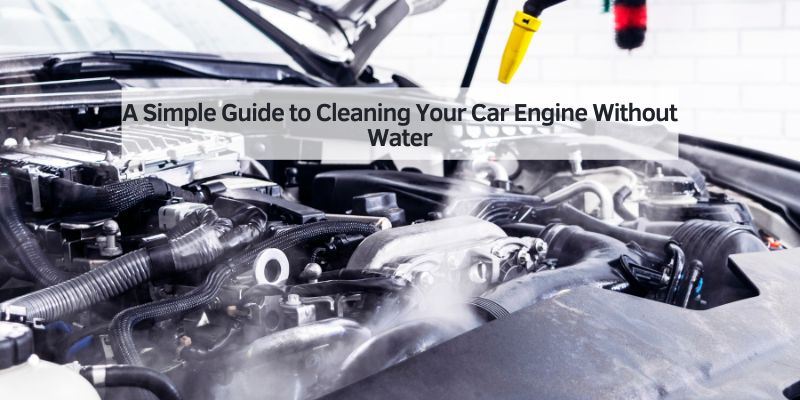
A Simple Guide to Cleaning Your Car Engine Without Water
I’ll never forget the first time I cleaned my car’s engine. It was a dusty old sedan, and I was nervous about using water near all those wires. That’s when I learned how to clean a car engine without water. This method is safe, eco-friendly, and perfect for beginners or car enthusiasts. In this guide, I’ll share easy steps, handy tips, and my own experiences to help you make your engine shine. Whether you’re prepping for a car show or just want a clean ride, this article has you covered with simple advice and clear examples.
What Is Waterless Engine Cleaning?
Waterless engine cleaning means using special cleaners and cloths to clean your car’s engine without a hose or pressure washer. It’s great because it protects sensitive parts like wires and sensors from water damage.
This method is perfect if you live in a place with water limits or don’t want to risk a wet engine. It’s also good for the planet since you use less water.
Why Clean Your Engine Without Water?
A clean engine looks great and helps you spot leaks or problems early. Waterless cleaning keeps electronics safe and works in tight spaces. Here’s why it matters:
- Saves water: Great for dry areas or eco-conscious folks.
- Protects parts: No water means less risk to wires or sensors.
- Looks awesome: A shiny engine impresses at car shows or for resale.
I once cleaned my truck’s engine before selling it. It looked so good, the buyer offered extra!
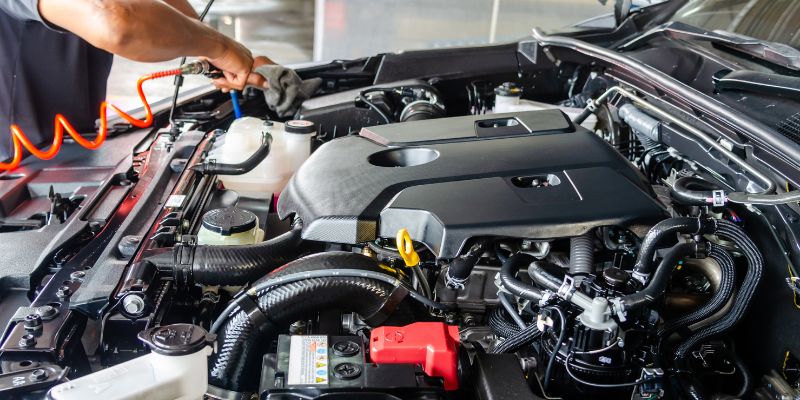
Tools and Materials You Need
You don’t need fancy gear to clean your engine. Here’s a simple list of what I use:
- Degreaser: A spray like Chemical Guys All Clean+ cuts grease fast.
- Microfiber cloths: Soft and great for wiping without scratches.
- Brushes: A soft toothbrush or paintbrush for tight spots.
- Plastic bags: To cover sensitive parts like the battery.
- Gloves: Keep your hands clean and safe from chemicals.
Table 1: Comparing Degreasers for Engine Cleaning
| Degreaser | Price | Best For | Notes |
|---|---|---|---|
| Chemical Guys All Clean+ | $10 | All engines | Safe, easy to find |
| Simple Green | $8 | Budget option | Rinse well to avoid aluminum damage |
| Gunk Foam | $12 | Heavy grease | Foams for easy application |
Visual Idea: A photo showing these tools laid out on a workbench would help beginners know what to grab.
Step-by-Step Guide to Cleaning Your Engine Without Water
Here’s how I clean my car’s engine without a drop of water. Follow these steps, and your engine will sparkle.
- Let the engine cool: Wait 1-2 hours after driving to avoid burns. A hot engine can also crack if cleaned too fast.
- Cover sensitive parts: Use plastic bags to cover the battery, air intake, and wires. Tape them down to keep them secure.
- Spray degreaser: Lightly spray degreaser over the engine. Start with the dirtiest spots, like the valve covers.
- Scrub gently: Use a toothbrush or soft brush to scrub grease and dirt. Work in small areas for best results.
- Wipe clean: Use microfiber cloths to wipe away degreaser and dirt. Swap cloths when they get dirty.
- Apply dressing: Use a water-based dressing like Meguiars Ultimate Black for shine. Avoid belts to prevent slipping.
- Remove covers: Take off plastic bags and check that everything looks clean and dry.
Table 2: Steps and Time Needed
| Step | Time | Tips |
|---|---|---|
| Cool engine | 1-2 hours | Check with your hand to ensure it’s cool. |
| Cover parts | 5 min | Use zip-lock bags for tight fits. |
| Scrub and wipe | 30-45 min | Be patient in tight spots. |
Visual Idea: A diagram labeling engine parts to cover (battery, air intake) would make this step clear for beginners.
Benefits and Drawbacks of Waterless Cleaning
Waterless cleaning has lots of perks, but it’s not perfect. Here’s a quick look:
Benefits:
- Safe for electronics, so no short-circuit worries.
- Uses less water, which is great for the environment.
- Works anywhere, even without a hose or car wash.
Drawbacks:
- Takes longer than hosing down the engine.
- Needs more elbow grease for tough grime.
- Degreasers can be pricey if you need lots.
Another option is steam cleaning, which uses less water than a hose but still needs special tools. I stick with waterless for my daily driver since it’s simple and safe.
My Top Tips for Waterless Engine Cleaning
After years of cleaning engines, I’ve learned some tricks to make it easier. Here are my favorites:
- Start small: Clean one section at a time to avoid feeling overwhelmed.
- Use old toothbrushes: They’re cheap and perfect for tight spots.
- Check for leaks: A clean engine makes it easy to spot oil or fluid drips.
Once, I missed a small wire cover and got degreaser on it. It was fine, but now I double-check all covers. Learn from my mistake!
Table 3: Common Mistakes to Avoid
| Mistake | Why It’s Bad | Fix It |
|---|---|---|
| Cleaning a hot engine | Can burn you or crack parts | Wait 1-2 hours to cool |
| Skipping covers | Degreaser can harm wires | Cover all electronics |
| Using too much degreaser | Wastes product, hard to wipe | Spray lightly, add more if needed |
Other Ways to Clean Your Engine
If waterless cleaning isn’t for you, there are other options. A low-pressure hose with a degreaser works if you’re careful to cover electronics. Steam cleaning is another choice, but it needs a special machine. I’ve tried both, but waterless is my go-to for its simplicity and safety. Check out Car and Driver’s guide for more on traditional engine cleaning.
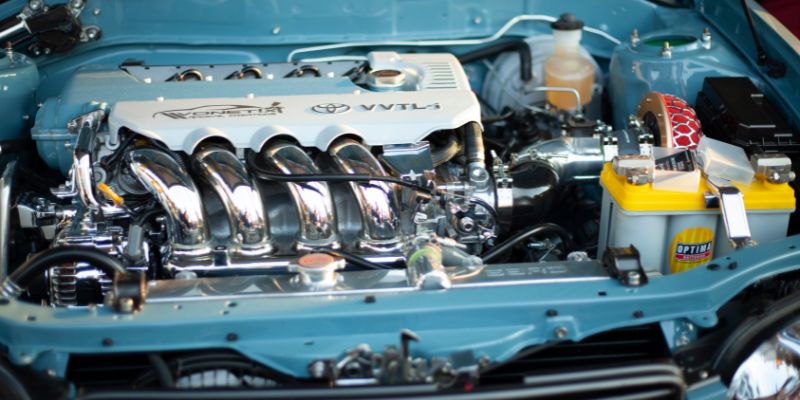
Visual Idea: A side-by-side photo comparing a dirty vs. clean engine bay would show readers the difference.
Keeping Your Engine Clean Long-Term
A clean engine stays nice if you take care of it. Park in a garage to avoid dust and leaves. Wipe down your engine every few months to prevent buildup. I clean my car’s engine twice a year, and it always looks sharp. For more maintenance tips, visit Chemical Guys.
Conclusion
Cleaning your car’s engine without water is easy, safe, and eco-friendly. With a few simple tools like degreaser and microfiber cloths, you can make your engine shine. Follow my steps, cover sensitive parts, and take your time. You’ll love showing off your clean engine at the next car meet or to your friends. Try it this weekend, and share your shiny engine pics online! For more car care ideas, check out AutoGeek.
Frequently Asked Questions
Can I clean my engine without water if it’s super dirty?
Yes, you can! Use a strong degreaser like Gunk Foam and scrub with a brush. It takes more effort, but it works. Wipe everything with microfiber cloths to remove grime. For extra-dirty engines, clean in small sections to stay thorough.
Is waterless cleaning safe for all cars?
It’s safe for most cars if you cover electronics like the battery and air intake. Modern cars have waterproof parts, but older ones need extra care. Always check your car’s manual first to be sure.
What’s the best degreaser for waterless cleaning?
I like Chemical Guys All Clean+ because it’s safe and strong. Simple Green is a budget pick but needs careful wiping to avoid aluminum damage. Pick one that’s engine-safe and easy to find.
How long does waterless engine cleaning take?
It takes about 45 minutes to an hour, plus cooling time. Scrubbing and wiping are the longest parts. Work slowly in tight spots to get every bit clean without rushing.
Can I use household cleaners instead of degreasers?
Household cleaners like dish soap can work but may strip protective oils. Engine degreasers are better because they’re made for grease and safe for car parts. Stick with them for best results.
Will waterless cleaning make my engine look new?
It can make your engine look great, but not brand-new. Regular cleaning keeps it shiny and helps you spot problems early. Add a dressing like Meguiars Ultimate Black for extra pop.
Is waterless cleaning eco-friendly?
Yes, it’s very eco-friendly! You use no water, which saves resources. Plus, degreasers are often biodegradable. It’s a great choice if you want to help the planet while cleaning your car.