How to Clean Leather Car Seats With Holes: Easy Repair & Care Tips
Your leather car seats add style and comfort to every drive. But what happens when those seats develop holes?
Cleaning them might seem tricky, and you might worry about making the damage worse. Don’t let those holes stop you from keeping your car’s interior fresh and clean. You’ll discover simple, effective ways to clean your leather seats without causing more harm.
Keep reading to protect your investment and make your car look great again.
Assessing Damage On Leather Seats
Start by measuring the hole size. Small holes under 1 inch are easier to fix. Large holes may need special patches or professional help. Check if the hole is a clean cutor torn leather. Torn leather might need extra care to smooth edges.
Look around the hole for cracks, dryness, or fading. Leather that is dry or cracked will need conditioning before repair. Soft, healthy leather can hold patches better.
| Hole Type | Repair Approach |
|---|---|
| Small, clean holes | Use leather filler or small patch |
| Large or torn holes | Apply leather patch or seek professional help |
| Surrounding leather dry or cracked | Condition leather before repair |
Gathering Repair Materials
Gathering the right tools and productsmakes fixing leather seats easier. You need a leather patchthat matches your seat color and texture. The patch should be flexible and durableto blend well.
Other important items include scissorsto cut the patch, leather adhesivefor sticking, and a clean clothto wipe the area. A small brushhelps spread glue evenly. Sandpaper can smooth rough edges before repair.
Choose a patch made of real leather or high-quality synthetic leather. Thin patches work better for small holes. Thicker ones suit bigger damage. Always pick a patch that feels soft and looks natural on your seat.
Preparing The Seat For Repair
Start by wiping the seat with a soft cloth to remove dust and dirt. Use a leather cleaner to get rid of oils and stains. This step makes sure the repair will stick well. Let the seat dry completely before moving on.
Next, use fine sandpaper to gently smooth the edges around the hole. This helps remove any loose leather or rough parts. Be careful not to sand too much. The goal is to create a clean, even surface for patching.

Credit: www.youtube.com
Fixing Holes In Leather Seats
Start by cleaning the damaged area gently with a soft cloth. Leather fillerhelps fill small holes and cracks. Apply it using a spatula, pressing it into the hole. Let it dry completely before touching it. For bigger holes, use leather patchesunder the seat to support the repair. Cut the patch to size and glue it carefully with strong adhesives. Press the patch firmly to avoid bubbles.
After filling or patching, blend the repair with the rest of the seat. Use leather colorantthat matches your seat color. Apply thin layers and let each dry. This helps hide the repair and makes the seat look natural again. Finish with a leather conditioner to keep the seat soft and protected.
Caring For Repaired Leather Seats
Use a soft cloth and mild soap to gently clean leather seats. Avoid harsh chemicals that can make holes worse. Dab the area with a damp cloth instead of rubbing hard. Let the leather dry naturally, away from direct sunlight or heat.
Apply a leather conditioner every few months to keep seats soft and flexible. This helps prevent cracks and new holes from forming. Choose a conditioner made for car leather for the best results.
Clean and condition regularly. This simple care keeps repaired seats looking good longer. Treat small holes with care to avoid bigger damage later.
Credit: www.leatherrepaircompany.com
Preventing Leather Seat Damage
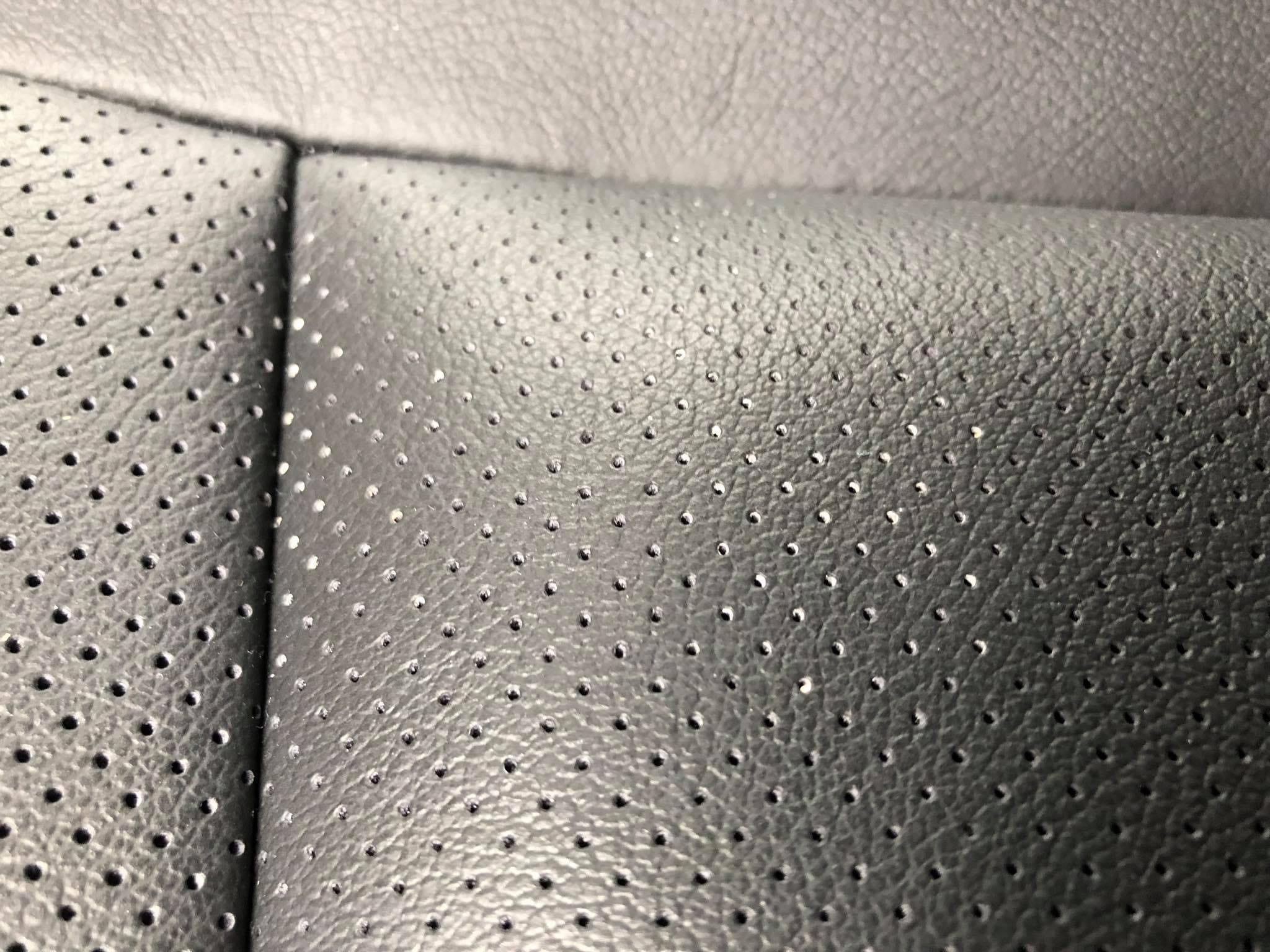
Leather seats with holes need extra careto last longer. Using protective covershelps stop more damage. Covers also keep dirt and spills away from leather. Soft cloth or padded covers work best to avoid scratches.
Common causes of wear include sharp objects, heavy keys, and pets. Avoid putting sharp items in pockets while sitting. Pets can scratch seats, so use pet-friendly covers. Regularly cleaning and conditioning leather keeps it soft and less likely to crack.
Frequently Asked Questions
How Do I Clean Leather Car Seats With Holes?
Use a gentle leather cleaner and soft cloth. Avoid harsh chemicals to prevent damage. Clean around holes carefully to avoid enlarging them.
Can I Repair Holes Before Cleaning Leather Seats?
Yes, repairing holes first helps prevent dirt buildup. Use a leather repair kit for best results. Clean the seat gently after repair.
What Products Are Safe For Leather Seats With Holes?
Choose pH-balanced leather cleaners and conditioners. Avoid alcohol or ammonia-based products. Test any cleaner on a hidden spot first.
How Often Should I Clean Leather Seats With Holes?
Clean your leather seats every 3-6 months. Frequent cleaning prevents dirt buildup in holes. Condition leather after cleaning to keep it supple.
Conclusion
Cleaning leather car seats with holes takes patience and care. Use gentle cleaners and soft cloths to avoid damage. Treat the holes carefully to prevent them from getting bigger. Regular cleaning keeps your seats looking fresh and lasting longer. Small repairs can make a big difference in appearance.
Keep your car interior neat and comfortable. A little effort goes a long way. Now, your leather seats can stay clean and well-maintained despite the holes.