How to Get Water Stains Out of Car Upholstery (Fabric & Leather)
Fresh water stains lift within minutes using a distilled water and white vinegar blot — but a dried mineral ring on leather needs a leather conditioner, not more water, or it sets permanently. Left wet, upholstery foam can start growing mold in as little as 24 to 48 hours, per the EPA. This guide covers the exact fabric method, the leather-safe fix for water rings, and how to dry the seat fully so mildew never gets a foothold.
Insert your Affiliate Disclosure reusable block here.
Quick Answer
Mix equal parts distilled water and white vinegar, blot (never rub) fresh fabric stains with a microfiber cloth, then air-dry with the doors open. For leather, skip the vinegar — clean with a dedicated leather cleaner and follow with a leather conditioner to blend out any water ring. Fully dry upholstery within 24-48 hours to prevent mold.
What Causes Water Stains on Car Upholstery?
Most water stains come from rain blowing in through a cracked window, a spilled drink, melted snow tracked in on shoes, or wet clothes after a swim. A car wash can also force water through door seals and gaskets that have started to fail. Regular tap water makes the problem worse than it needs to be — it carries dissolved calcium and magnesium that dry into a visible mineral ring, while distilled or filtered water mostly evaporates clean.
Left alone, a water stain does more than look bad. The fabric weakens and can tear more easily, and if the seat padding stays damp, mold can take hold and make the whole cabin smell musty. That is why speed matters more than the exact cleaner you reach for first.
Fresh vs. Dried Water Stains: Why It Matters
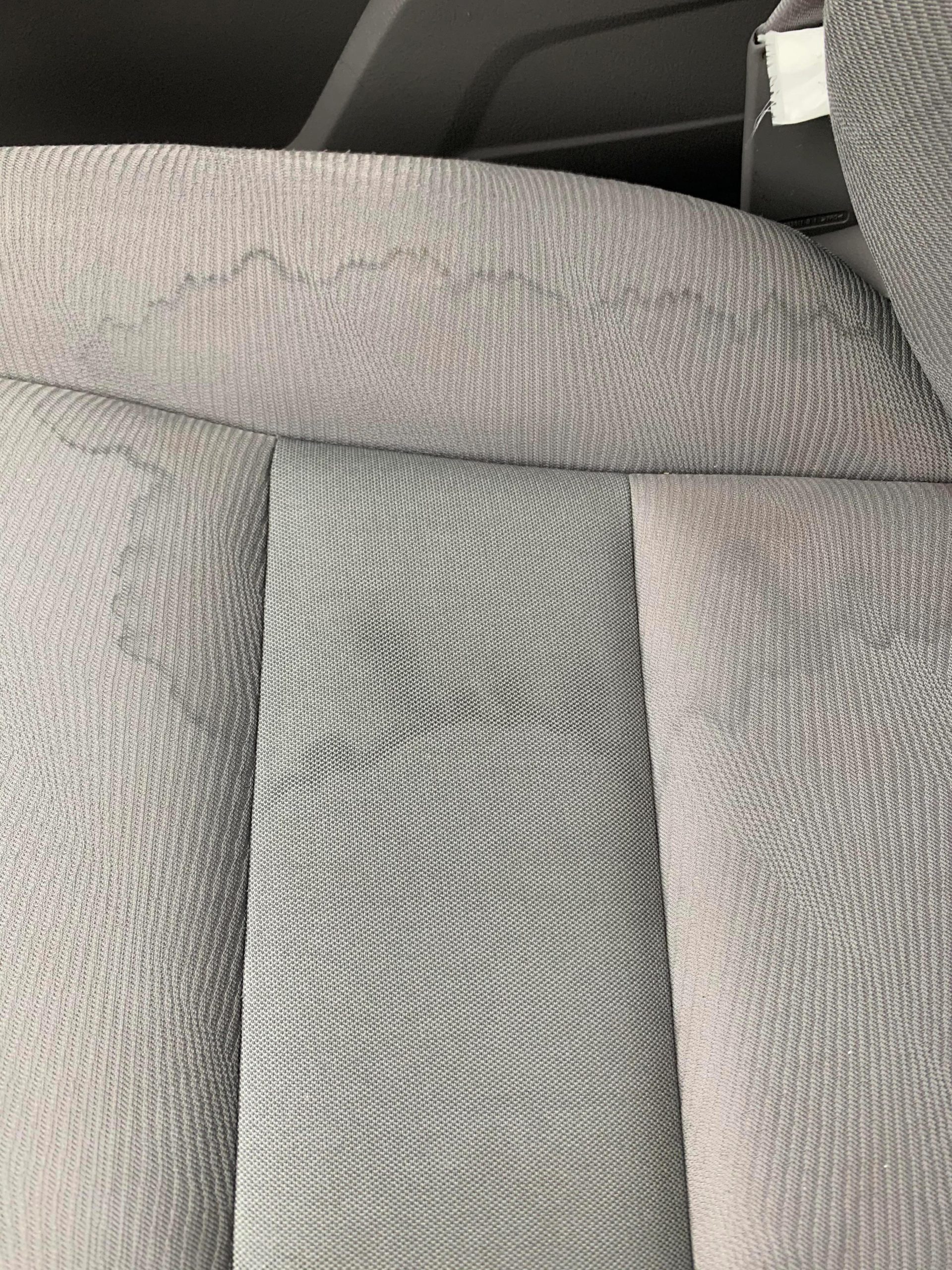
A stain you just noticed and a stain that has been drying for a week are not the same problem. A fresh stain is still slightly damp, looks darker than the surrounding fabric, and lifts with a simple blot. A dried stain has already left behind the mineral deposits from the water itself, forming a lighter, harder-edged ring — sometimes called a “tide line” — that plain water alone will not remove and can even make worse by spreading it further out.
| Stain Type | What It Looks Like | Best Method |
|---|---|---|
| Fresh (still damp) | Darker patch, edges not fully defined | Blot with a dry cloth first, then vinegar-water solution |
| Dried, light ring | Faint, lighter-colored outline | Distilled water mist to relax the edge, then feather-blend outward |
| Dried, hard mineral ring | Crusty or slightly raised edge | Fabric or leather-specific cleaner, repeated light passes |
| Old stain with odor | Faded ring plus a musty smell | Treat for mold first, then clean the stain |
How to Remove Water Stains from Fabric Car Upholstery (Step-by-Step)
Fabric seats respond well to a simple vinegar-and-water solution, as long as you blot instead of rub and avoid soaking the padding underneath.
- Vacuum the seat first: Remove loose dirt and dust so you are not grinding grit into the fabric while you clean.
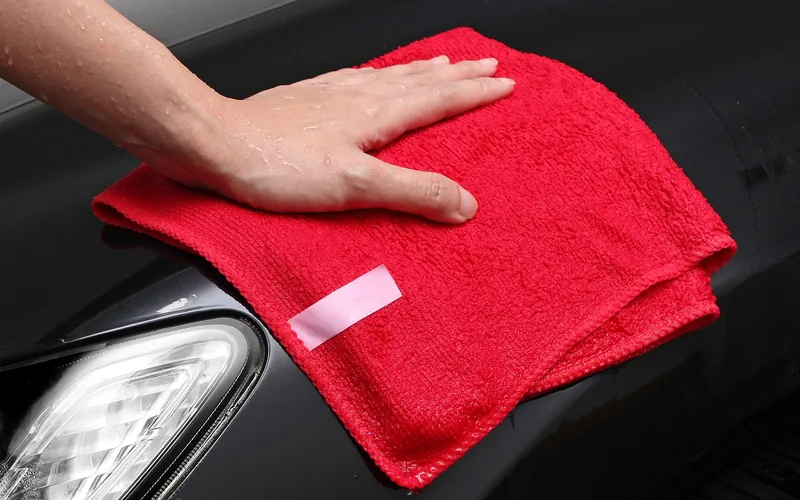
- Blot the fresh stain: Press a clean, dry cloth straight down onto the stain to absorb as much moisture as possible before adding any solution.
- Mix the cleaning solution: Combine equal parts distilled water and white vinegar in a spray bottle or small bowl.
- Apply and blot from the outside in: Dampen a microfiber cloth with the solution and work from the outer edge of the stain toward the center to avoid spreading a tide line.
- Rinse with plain distilled water: Lightly mist distilled water over the treated area and blot again to lift any remaining vinegar residue or cleaner film.
- Dry completely with airflow: Leave the doors open and run a fan or the car’s AC across the seat until it is fully dry to the touch, not just surface-dry.
Best Upholstery Stain Remover Pick
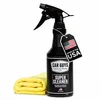
CAR GUYS Interior Car Cleaner for Tough Stains (18 oz Kit)
One kit formulated for car seats, carpet, upholstery, and leather — useful if you’re not sure yet which material caused your stain.
- Best for: Tackling both fabric and leather water stains without buying two separate products
- Why we picked it: Works on seats, carpet, and leather from one bottle, and ships with a microfiber towel for the blotting technique above
- Main drawback: The included towel is thin — a dedicated microfiber cloth lasts longer
Compare more stain-removal options
 Option 1 Weiman Leather Cleaner & Conditioner
|
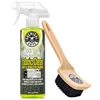 Option 2 Chemical Guys Citrus Fabric & Carpet Cleaner + Brush
|
 Option 3 Armor All 2.5-Gallon Wet/Dry Shop Vacuum
|
As an Amazon Associate we earn from qualifying purchases.
How to Get Water Stains Out of Leather Car Upholstery
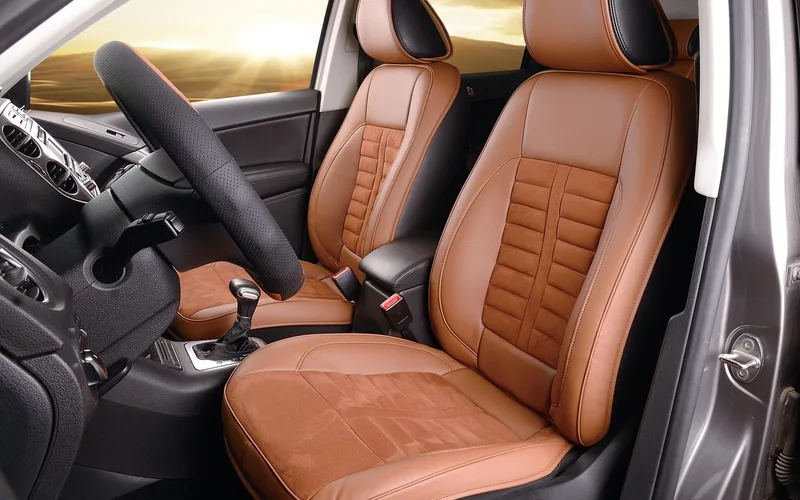
Leather needs a different approach than fabric. Skip the vinegar-and-water mix — leather is porous in a different way than cloth, and repeated water exposure can dry it out and crack the surface over time. Instead, clean the area with a pH-balanced leather cleaner using a soft applicator, working in small sections rather than soaking the whole panel at once.
A dried water ring on leather — including rain stains on a leather door panel where water pooled along the armrest or window trim — usually will not disappear with cleaner alone. After cleaning, follow up with a leather conditioner applied evenly across the whole panel, not just the stained spot. Conditioning the entire section blends the treated area back into the surrounding leather tone instead of leaving a visible clean patch next to a dull one.
Detailing brands that make dedicated leather care lines, such as Weiman and Chemical Guys, consistently recommend a cleaner-and-conditioner combination rather than water alone for leather water rings — conditioning restores the oils that plain moisture strips away.
How to Dry Car Upholstery Without Causing Mold or Mildew
Cleaning the stain is only half the job — drying it out fully matters just as much, especially on fabric seats where the foam padding underneath can stay damp long after the surface feels dry.
📊 Wet or damp materials that are dried within 24-48 hours generally will not develop mold — beyond that window, spores can begin to colonize damp fabric and padding. Source: US EPA, A Brief Guide to Mold, Moisture and Your Home
- Extract, don’t just blot: If you have access to a wet/dry shop vacuum, run it over the seat after cleaning to pull moisture out of the foam padding, not just the fabric surface.
- Leave the doors and windows open: Park in a covered, ventilated spot with the doors open for a few hours so air moves across the whole seat.
- Point a fan or run the AC: Airflow across the damp area speeds evaporation far more than sitting in a closed, humid cabin.
- Avoid a hair dryer or space heater on fabric: Direct heat can set a new stain or shrink some fabric blends before the moisture has fully worked its way out.
- Check the seat again the next day: Press on the padding — if it still feels cool or damp, keep drying before you put the seat cover back on or close up the car overnight.
DIY Mistakes That Make Water Stains Worse
Scrubbing hard to speed things up usually backfires — it pushes the stain deeper into the fibers and can fray the fabric weave. Using too much liquid is the second most common mistake: oversaturating the seat just creates a bigger wet area for a new ring to form once it dries. Bleach-based cleaners are another problem — they can fade or discolor fabric and are never safe on leather.
Always test any new cleaner on a hidden spot first, such as under the seat or on a side panel, and never mix cleaning products together — combining an ammonia-based cleaner with a bleach-based one, for example, can produce harmful fumes in the small, enclosed space of a car cabin.
Preventing Future Water Stains
A waterproof seat cover is the simplest way to stop new water stains before they start — it blocks spills, rain, and wet clothing from ever reaching the fabric or leather underneath, and wipes clean with a damp cloth. Keeping a small cleaning spray in the car also helps, since catching a fresh spill in the first few minutes is far easier than treating a stain that has already dried.
Beyond covers, a quick weekly habit helps: vacuum crumbs and dirt before they mix with moisture, keep drinks in spill-proof containers, and check window and door seals once a season so rain has fewer ways in.
When to Call a Professional
Most fresh water stains come out with the steps above, but a few situations are worth handing to a professional detailer instead of pushing further on your own: a large stain that covers most of the seat, a stain that has already started to smell musty, or a leather panel where the surface has begun to crack or discolor. Professionals have access to steam extraction equipment and leather-specific tools that go beyond what a spray bottle and microfiber cloth can do, and they can usually treat the seat without risking further damage.
Frequently Asked Questions
Does vinegar remove water stains from car upholstery?
Yes, on fabric. Mix equal parts white vinegar and distilled water, blot the stain from the outside in with a microfiber cloth, then rinse with a light mist of plain distilled water. Skip vinegar on leather — use a dedicated leather cleaner and conditioner instead.
Can you remove a dried, old water stain from car upholstery?
Yes, but it takes more patience than a fresh stain. Lightly mist distilled water over the dried ring to relax the edge, then work the vinegar solution (or leather cleaner) in overlapping passes, feathering outward so you don’t create a new, sharper edge around the old one.
Why do water stains show up worse on grey or light-colored car upholstery?
Light and grey fabrics show the contrast between a wet, darkened patch and the dry surrounding material much more clearly than dark upholstery does. The stain itself isn’t worse — it’s just more visible, which is why grey seats often need the same water and vinegar treatment applied a little further out around the stain to blend the edges evenly.
What household items can clean water stains from car upholstery?
White vinegar, distilled water, baking soda, and club soda all work on fabric. Sprinkle baking soda on the dried stain, let it sit for about 15 minutes to absorb moisture and odor, then vacuum it up. These household options are gentler than most all-purpose cleaners and safe to test first.
Are steam cleaners or a steam extractor the best way to remove water stains from car seats?
A steam extractor is one of the most effective options for a dried-on or stubborn water stain, since the heat and moisture loosen mineral deposits that a cloth and spray alone can’t lift. It isn’t strictly necessary for a fresh stain, where blotting works fine, but for old rings it often out-performs manual methods. Always check the seat material’s care instructions before applying steam, since some leather and vinyl finishes are more heat-sensitive than woven fabric.
How do water stains affect car upholstery over time?
Left untreated, water stains can discolor fabric, weaken fibers so they tear more easily, and — if the padding stays damp — lead to mold or a musty odor that spreads through the cabin. Cleaning a stain within a day or two, before it fully dries and sets, keeps all of these problems from becoming permanent.
Can you remove rain water stains from a leather car door panel?
Yes. Rain that pools along a door panel armrest or window trim leaves the same kind of mineral ring as a spill on a leather seat. Clean it with a leather-specific cleaner rather than water alone, then condition the entire panel afterward so the treated spot doesn’t stand out from the surrounding leather.
Conclusion
Fresh water stains on fabric come out with a simple vinegar-and-distilled-water blot, worked from the outside in and followed by a full airflow dry. Leather needs a gentler path — a dedicated leather cleaner and conditioner instead of more water. Either way, the material and the timing matter more than the specific product: treat the stain while it’s still fresh, dry the seat completely within a day or two, and a water stain rarely gets the chance to become a permanent mark.
For stains that aren’t water — food, ink, or general grime — see our broader guide on how to get stains out of car seats for both fabric and leather. If your seats need a full refresh beyond spot-cleaning, our fabric seat cleaning guide covers the no-streak whole-seat method, and our car detailing overview explains where upholstery cleaning fits into a full interior detail.
Products related to this article
Sponsored / affiliate links. As an Amazon Associate I earn from qualifying purchases. I may earn additional commission from eligible campaigns.