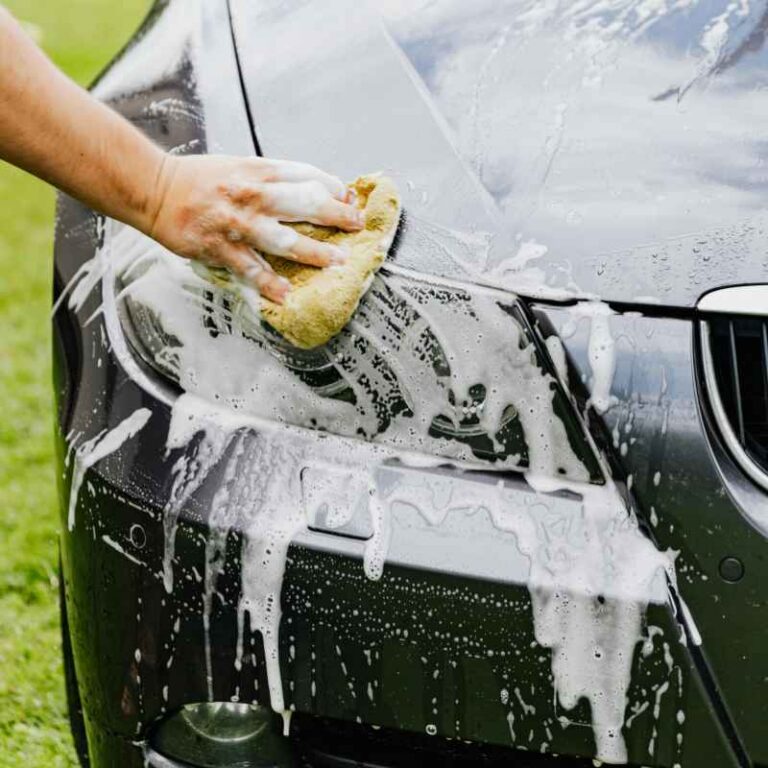
Do Car Washes Scratch Paint? Discover the Truth
Car washes can mark paint, but the risk changes with the method: touchless is lowest risk, soft-touch can leave micro-marring, and dirty towels or brushes are worst. Ignore that, and you can build swirl marks that dull clear coat and make paint correction expensive. This guide shows which wash type fits your paint condition, contamination level, and protection setup, plus when to skip the wash entirely.
What actually scratches paint
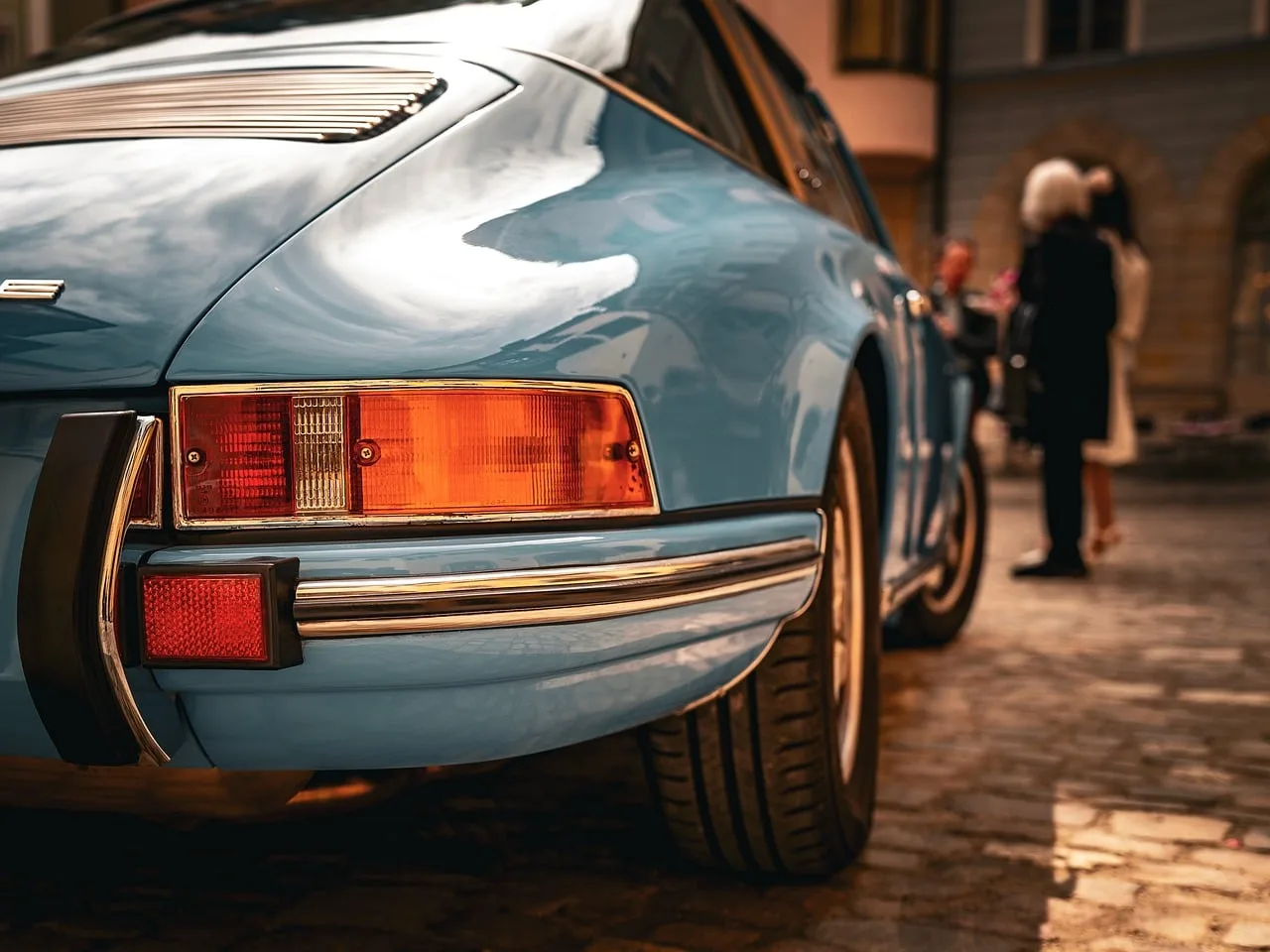


Most wash damage starts in the clear coat, the outer transparent layer that creates gloss and protects the base color underneath. A vehicle finish typically has three layers: primer, base coat, and clear coat. The clear coat is thin, so scratches are easy to see even when they are shallow.
Clear coat and surface wear
Wash damage usually shows up as fine surface wear, not immediate structural failure. Micro-scratches can make reflections look hazier over time, and repeated washing can add to that when abrasive contamination and physical contact combine. That is why a car can still look clean while the finish slowly loses clarity.
Swirl marks versus real damage
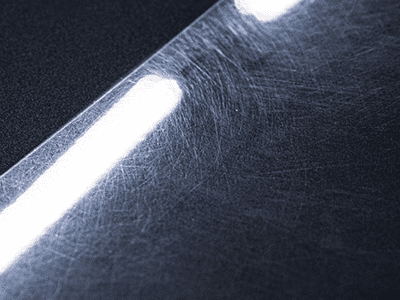
Swirl marks are fine surface scratches that appear as circular or spiderweb patterns in sunlight. They are usually cosmetic, which means they affect appearance more than structure. Deeper clear-coat failure is different: that is where the finish looks cut through, cloudy in spots, or visibly gouged and may need professional correction.
Why dirt and grit matter
Scratches usually happen when dirt, sand, or debris gets dragged across paint during cleaning. The problem is not the wash itself. The problem is moving abrasive contamination over a soft clear coat with a towel, brush, or cloth strip that is already dirty.
Picture a sedan that sat through a week of winter slush. Road film, salt, and grit cling to the lower doors and rear bumper. If those panels are hit with the same towel used on the roof, the grime gets dragged in one direction and the risk of micro-marring jumps fast.
Why black paint shows swirls faster
Black paint does not scratch more easily by itself, but it makes the damage easier to see. Darker cars show scratches more easily because light reflects more sharply off darker surfaces. That means the same wash marks that are barely visible on silver may stand out immediately on black.
Light reflection and visibility
Swirl marks show up best in bright sunlight, at gas station canopy lights, or under shop LEDs aimed across the panel. On black paint, those fine lines interrupt the reflection pattern sooner. The result is a finish that looks duller even when the paint is still intact.
A common first-timer mistake is assuming a black hood was “scratched badly” after one wash. Often, the wash only exposed pre-existing micro-marring that was already there and became obvious once the sun hit it at an angle.
Do car washes scratch paint?
Yes, car washes can mark paint, but the answer changes with the wash type, the condition of the finish, and what is on the car before the wash starts. Modern car washes are built to reduce scratch risk through better pre-rinse stages and softer materials, but dirty media and trapped grit still raise the odds.
When the answer is usually no
If the vehicle has light dust, the wash is well maintained, and the paint has a healthy protection layer, the risk of visible scratching is usually low. A careful wash on already-clean paint is far less likely to add damage than a rushed wash on a heavily contaminated surface.
When the risk rises fast
The risk can rise after winter road salt, mud, or heavy dust buildup. Those conditions load the surface with abrasive material that can be dragged across the clear coat. Repeated washing can also add wear if the same contamination is not removed first.
Think of a hatchback that just came back from a gravel road after rain. If the lower panels are coated in grit, a contact wash without a strong rinse-first step is the kind of situation where wash marks are most likely to appear.
Which type of car wash is safest for paint?
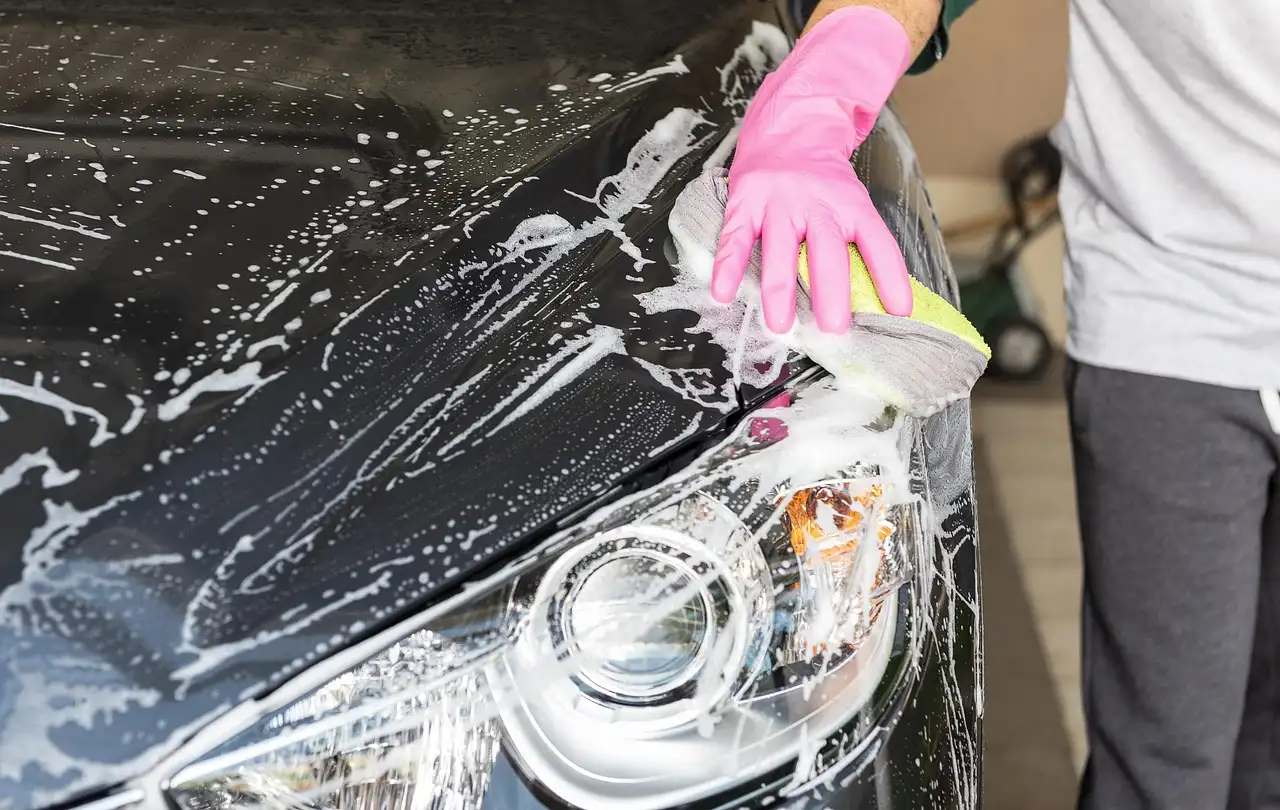
Hand washing is generally the lowest-risk method when it is done with clean microfiber tools, a rinse-first approach, and the two-bucket method. Touchless washes reduce friction because they use water and detergents instead of physical contact. Soft-cloth automatic washes can be safe when maintained well, but their risk depends on what touches the paint.
Touchless car wash
Touchless systems rely on pressure and detergents rather than physical contact. That lowers friction-related scratch risk, which makes them a strong choice for lightly dirty cars or owners trying to avoid brush contact. The tradeoff is that touchless systems may not remove stubborn road film completely, and stronger chemicals can affect protection layers over time.
Soft-cloth automatic wash
Soft cloth tunnel systems use soft cloth materials and structured wash stages. These systems can be gentle when the equipment is clean and maintained, but dirty brushes or cloth strips holding grit are a scratch risk. A soft-cloth automatic wash is not automatically bad; the condition of the media matters more than the label on the sign.
Hand wash
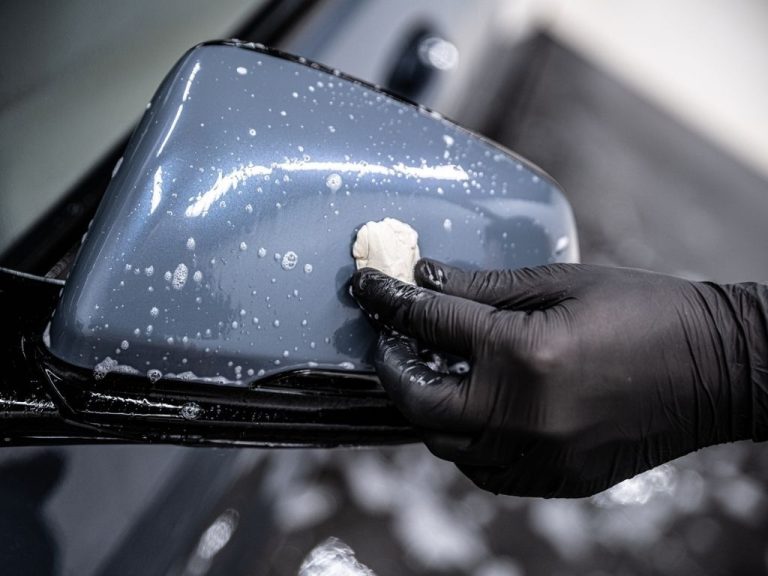
Hand washing has the lowest risk when it is done with clean microfiber towels, clean rinse water, and separate wash and rinse buckets. The microfiber towel matters because rough or dirty rags can drag grit across the clear coat. Done badly, hand washing can still mark paint; done correctly, it gives the most control over contamination.
| Vehicle condition | Touchless wash | Soft-cloth automatic wash | Hand wash |
|---|---|---|---|
| Light dust | Scratch risk: low. Cleaning effectiveness: medium. Prep step: quick pre-rinse if dust is dry. | Scratch risk: medium. Cleaning effectiveness: high. Prep step: check for visible grit on lower panels. | Scratch risk: low. Cleaning effectiveness: high. Prep step: rinse first and use clean microfiber tools. |
| Road salt | Scratch risk: low to medium. Cleaning effectiveness: medium. Prep step: use a strong pre-rinse to loosen film. | Scratch risk: medium. Cleaning effectiveness: high. Prep step: remove heavy salt buildup first if possible. | Scratch risk: low. Cleaning effectiveness: high. Prep step: two-bucket wash and careful drying. |
| Mud and grit | Scratch risk: low. Cleaning effectiveness: low to medium. Prep step: pre-rinse until runoff is mostly clear. | Scratch risk: high. Cleaning effectiveness: high. Prep step: avoid contact until heavy grit is removed. | Scratch risk: medium if rushed. Cleaning effectiveness: high. Prep step: foam and rinse thoroughly before touching paint. |
| Coated or black paint | Scratch risk: low. Cleaning effectiveness: medium. Prep step: choose a gentle detergent and dry without dragging. | Scratch risk: medium to high for visible marks. Cleaning effectiveness: high. Prep step: inspect for dirty media before entry. | Scratch risk: low if tools are clean. Cleaning effectiveness: high. Prep step: use fresh microfiber towels and bright inspection light after drying. |
How to reduce scratch risk
The safest wash plan starts before any towel touches paint. Rinse first, remove loose contamination, and keep every tool clean. Wax or sealant can add a protective barrier, but they do not prevent all scratches and need regular reapplication. Ceramic coating helps maintenance, and paint protection film helps against road debris and impacts, but neither removes the need for careful washing.
Rinse before contact
Start with a strong rinse to knock off loose dust, salt, and grit. If the car is heavily dirty, this step matters more than the wash soap choice. The goal is to reduce the amount of abrasive material that can be dragged across the finish.
Use clean microfiber tools
Microfiber towel quality matters because clean fibers are far less likely to mar paint than rough rags or contaminated sponges. Keep wash mitts, towels, and drying cloths separate. Once a towel picks up grit, it should not go back on the paint.
Dry without dragging debris
Drying can cause damage if dirt is still on the panel. Blot or glide only after rinsing well, and use a clean microfiber towel rather than an old household cloth. If the towel picks up brown or gray streaks, stop and replace it.
Check brushes, cloths, and towels
Before a soft-cloth automatic wash, look for visibly dirty media, trapped grit, or poorly maintained equipment. Dirty brushes can act like sandpaper on paint if not cleaned regularly. If the wash looks neglected, skip it and choose touchless or a careful hand wash instead.
- Rinse loose dirt off first.
- Choose the least contact-heavy wash that still removes the contamination.
- Use clean microfiber mitts and towels only.
- Wash from the cleanest panels to the dirtiest panels.
- Dry with fresh microfiber and check the finish in angled light.
How to tell if a wash caused damage
Look at the paint under angled light right after the wash and again after the car dries. Fresh wash damage usually appears as new haze, fine circular lines, or added dullness in the same panels that were touched most. If the marks were already present, the wash likely only made them easier to notice.
Inspect under angled light
Use sunlight, a bright LED, or a garage light aimed across the panel rather than straight at it. That angle makes swirl marks easier to see. If the reflections now look more cloudy than they did before the wash, micro-marring may have been added.
Look for fresh swirls or haze
Swirl marks appear as circular or spiderweb patterns in sunlight. Haze often looks like a soft film over the paint. If those marks are concentrated on the hood, roof, or door panels that were contacted most, the wash media is a likely source.
Check whether protection was stripped
A sudden loss of beading or sheeting can mean wax or sealant has worn down, but that is not the same as scratch damage. Stronger detergents in touchless systems can affect protection layers, so a change in water behavior after a wash does not automatically mean the clear coat was scratched.
Suppose a white coupe leaves a soft-cloth wash and the hood now shows faint circular lines only under direct sun. That points to micro-marring, not a paint failure. If the same car also has weak water beading after repeated detergent-heavy washes, the protection layer may have thinned even if the clear coat is still intact.
Frequently asked questions
Can automatic car washes leave swirl marks?
Yes. Automatic car washes can use soft cloth, brushless, or touchless technologies, and the risk depends on what touches the car. Dirty brushes or cloth strips holding grit can create swirl marks, especially on dark paint. A clean, well-maintained system lowers that risk a lot.
Are touchless car washes better for your car?
They are better when you want to reduce friction-related scratching. Touchless systems rely on pressure and detergents rather than physical contact, so they are useful for cars with light dust or protection coatings. They may struggle with stubborn road film, though, and stronger chemicals can affect wax or sealant.
Why do black cars show wash scratches more easily?
Black paint does not create more scratches by itself. It makes them easier to see because light reflects more sharply off darker surfaces. Swirl marks and micro-scratches stand out in sunlight, so the same wash marks that blend into silver paint can look obvious on black.
How can I tell if a car wash damaged my clear coat?
Inspect the paint under angled light right after the wash. Fresh damage usually shows as new haze, fine circular swirls, or more dullness in the panels that were touched most. If the clear coat looks cloudy, gouged, or uneven in a way that was not there before, stop using that wash method.
Products related to this article
Sponsored / affiliate links. As an Amazon Associate I earn from qualifying purchases. I may earn additional commission from eligible campaigns.