How to Clean Nuna Pipa Car Seat: Essential Guide
To effectively clean your Nuna Pipa car seat, focus on gentle, approved methods for fabrics, plastics, and the harness. Regular spot cleaning with mild soap and water prevents deep stains, while deeper cleans involve removing covers for hand washing and thoroughly drying. Always consult your manual and avoid harsh chemicals to maintain safety and integrity.
As a parent, keeping your baby’s car seat clean is a top priority. Messes happen – from spit-up and spilled snacks to diaper leaks. The Nuna Pipa series is a fantastic choice for safety and style, but like any frequently used item, it needs a good cleaning now and then. This guide will walk you through exactly how to clean your Nuna Pipa car seat, making sure it stays fresh, safe, and ready for your little one’s adventures.
We’ll break down the process into easy steps, covering everything from quick spot cleans to more thorough deep dives. You don’t need to be a car care expert to get this done. With a few simple supplies and this straightforward advice, you can confidently tackle any cleaning challenge your Nuna Pipa might face.
Why Cleaning Your Nuna Pipa Car Seat Matters
It’s more than just about appearance. A clean car seat is a safer car seat. Crumbs and debris can hide in the nooks and crannies, and sticky residues can be uncomfortable for your baby. Regular cleaning also helps prevent the buildup of bacteria and odors, creating a healthier environment for your little one. Over time, stubborn stains can degrade fabric, and improper cleaning can damage the seat’s materials or even its safety features.
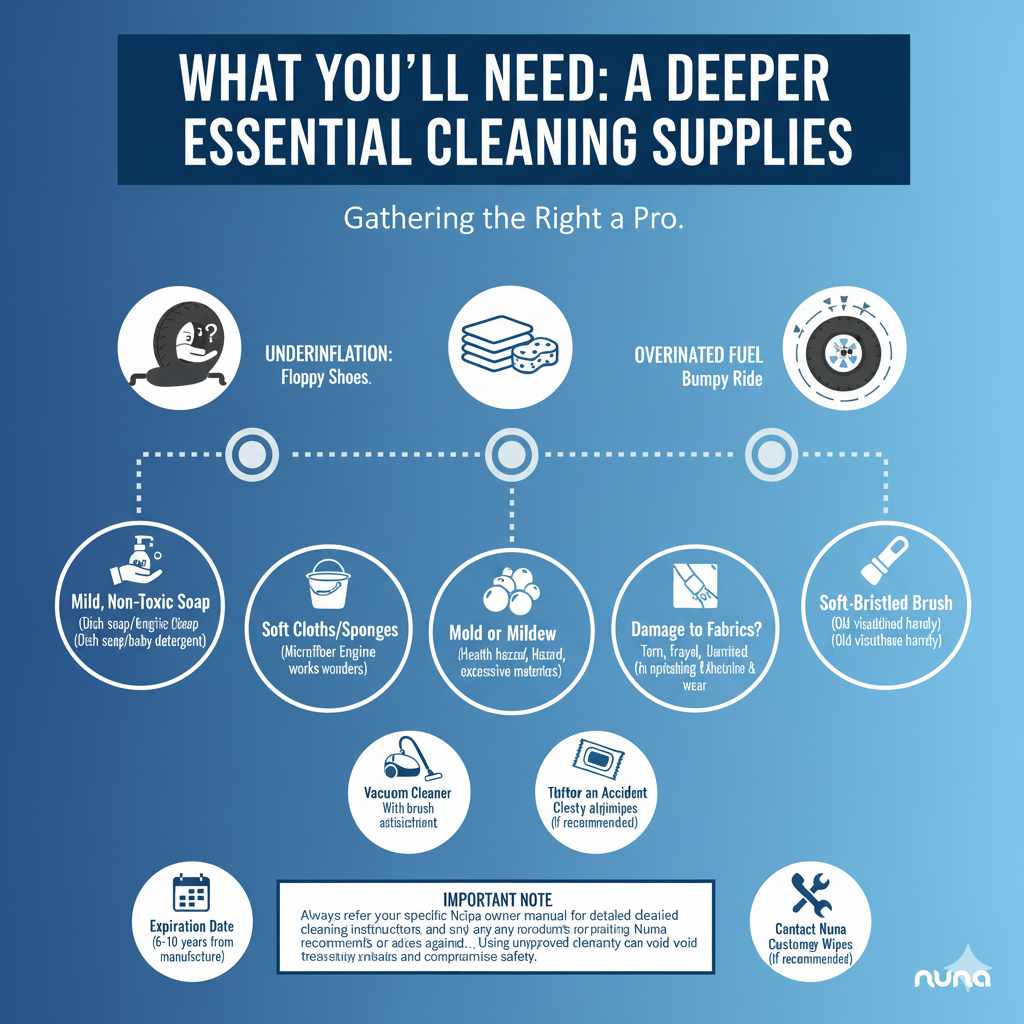
What You’ll Need: Essential Cleaning Supplies
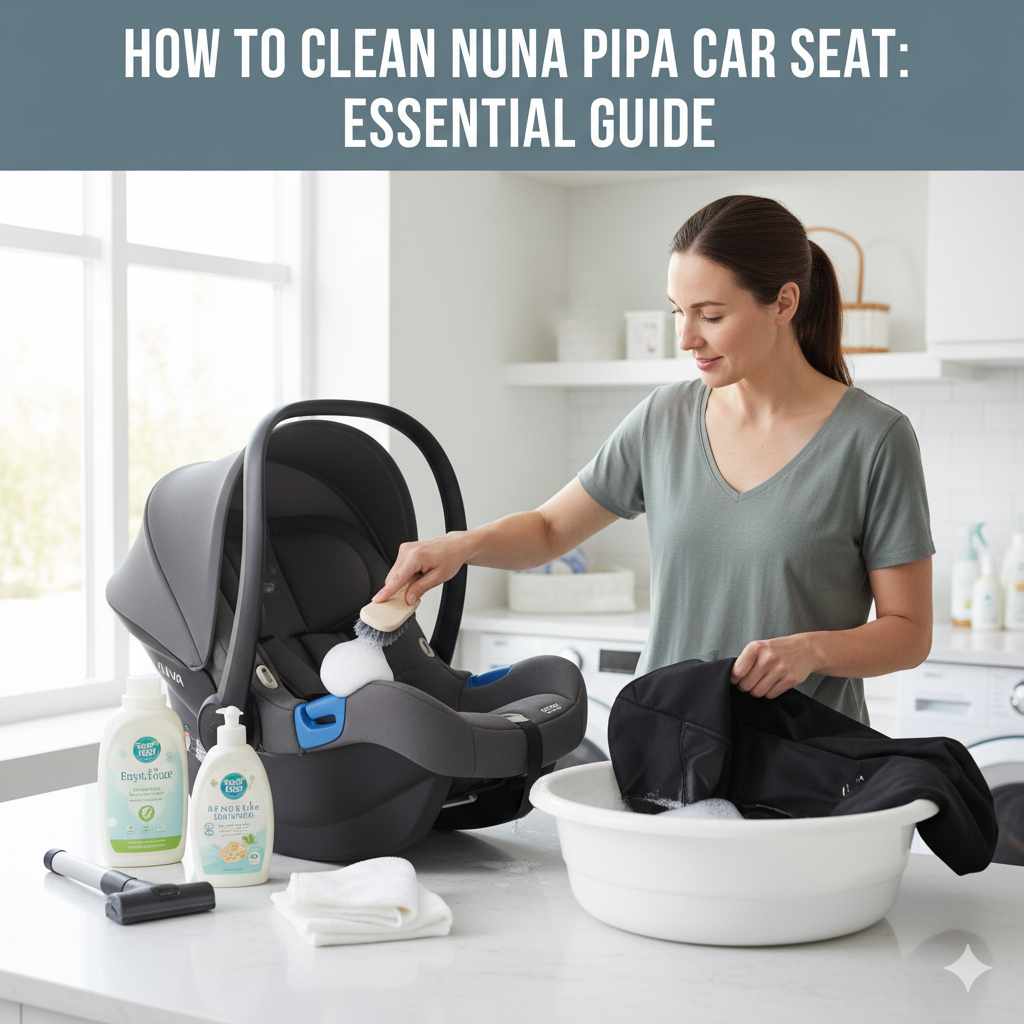
Gathering the right supplies before you start will make the cleaning process much smoother. You likely already have most of these items at home!
- Mild, non-toxic soap (like dish soap or baby-safe detergent)
- Soft cloths or sponges (microfiber works wonders)
- Warm water
- A soft-bristled brush (an old toothbrush can be handy)
- A bucket or basin
- Trash bags or towels for protecting surfaces
- Optional: A vacuum cleaner with a brush attachment
- Optional: Nuna Pipa specific cleaning wipes (if recommended by Nuna)
Important Note: Always refer to your specific Nuna Pipa owner’s manual for detailed cleaning instructions and any cleaning products Nuna recommends or advises against. Using unapproved chemicals can void your warranty and compromise safety.
Step-by-Step Guide: How to Clean Your Nuna Pipa Car Seat
We’ll tackle this in stages to make it manageable. Start with the gentlest methods and move to more intense cleaning only if necessary.
Step 1: The Quick Spot Clean
For everyday spills and small messes, a quick spot clean is usually all you need. This prevents stains from setting in and keeps the seat looking its best.
- Address Spills Immediately: The moment a spill happens, grab a clean cloth and blot up as much of the mess as possible. Don’t rub, as this can spread the stain and push it deeper into the fabric.
- Prepare a Mild Cleaning Solution: Mix a small amount of mild soap with warm water in a bucket or basin. You want just enough soap to create a few suds – too much can be hard to rinse out.
- Test a Small Area: Before applying the solution to the stain, test it on an inconspicuous part of the car seat fabric to ensure it doesn’t cause discoloration.
- Gently Clean the Stain: Dip a soft cloth into the soapy water, wring it out well so it’s damp, not soaking. Gently dab the stained area. Work from the outside of the stain inward.
- Rinse the Area: Use a separate clean cloth dampened with plain water to wipe away any soap residue. Again, blot gently.
- Dry Thoroughly: Pat the cleaned area with a dry cloth. Allow the car seat to air dry completely before putting your child back in it. Leaving it damp can lead to mold or mildew.
Step 2: Cleaning the Fabric Covers and Inserts
When the messes are more significant, or it’s been a while, it’s time to give the fabric parts a more thorough clean. Nuna Pipa seats often have removable covers, which makes this much easier. Always check your manual to confirm which parts are removable and how to take them off.
Removing the Covers:
Carefully follow the instructions in your Nuna Pipa manual for removing the fabric covers and any infant inserts. This usually involves unhooking snaps, releasing straps, or detaching Velcro. Take photos as you go if it helps you remember how to put them back together.
Washing the Fabric Parts:
According to Nuna’s general care guidelines, most removable fabric parts are designed for hand washing. This is the safest method to preserve the fabric’s integrity and any fire-retardant treatments.
- Fill a Basin: Use a clean sink, bathtub, or large basin and fill it with cool or lukewarm water.
- Add Mild Detergent: Add a small amount of mild, non-toxic detergent. Again, avoid harsh chemicals.
- Hand Wash Gently: Submerge the fabric parts and gently agitate them in the water. You can use your hands to lightly scrub away any stains. For tougher spots, a very soft-bristled brush might be used with extreme care.
- Rinse Thoroughly: Drain the dirty water and refill the basin with clean water. Rinse the fabric parts repeatedly until all soap residue is gone. Squeeze gently to help remove water.
- Remove Excess Water: Never wring or twist the fabric forcefully, as this can damage the material. Instead, gently press out as much water as you can. You can also roll the fabric in a clean, dry towel to absorb more moisture.
- Air Dry Completely: This is critical! Lay the fabric parts flat or hang them to air dry completely. This can take 24-48 hours, depending on humidity. Do NOT use a machine dryer, as the heat can cause shrinkage or damage. Ensure all parts are bone dry before reassembling.
Machine Washing (Use with extreme caution and only if your manual explicitly permits):
Some manufacturers may deem certain parts machine washable. Always consult your manual first. If permitted, use a gentle cycle with cold water and mild detergent. Again, no fabric softener or bleach. Air dry only. For the Nuna Pipa series, hand washing is generally the most recommended and safest approach.
Step 3: Cleaning the Plastic Components and Harness
The plastic shell and straps of your car seat also need attention. These parts can accumulate dust, food residue, and germs.
Cleaning the Plastic:
- Wipe Down: Use a damp cloth with a mild soap and water solution to wipe down all plastic surfaces.
- Stubborn Grime: For tougher spots on plastic, you can use a soft brush or an old toothbrush dipped in the mild soapy water. Be careful not to scrub too hard.
- Rinse and Dry: Wipe the plastic parts with a clean, damp cloth to remove soap. Then, dry thoroughly with a clean, dry cloth.
Cleaning the Harness and Buckles:
This is perhaps the most delicate part of cleaning. The harness and buckles are crucial safety components. Nuna advises against submerging the harness straps in water, as it can affect their strength and performance. Buckles should also be cleaned with care.
- Harness Straps: Spot clean the harness straps using a damp cloth with a very mild soap solution. Wipe them down gently, then wipe with a clean, damp cloth. Allow the straps to air dry completely. Never use any lubricants or cleaning agents that are not specifically approved for car seat harnesses. For a deeper clean of straps, some manufacturers suggest a dilute vinegar solution, but always confirm this with your manual to avoid damaging the material. A good resource for understanding car seat cleaning is the American Academy of Pediatrics (AAP), which offers comprehensive safety advice.
- Buckles: If the buckle is sticky or has food debris, you can clean it following Nuna’s instructions, which often involve using warm water. Sometimes, gently working the buckle open and shut while rinsing with warm water can help dislodge debris. Never put anything inside the buckle mechanism itself except what is safe for its function. If the buckle is not functioning correctly after cleaning, contact Nuna customer support.
Step 4: Cleaning the Seating Area and Crevices
The areas where your baby sits can trap crumbs and small particles. A vacuum cleaner is your best friend here.
- Vacuum Thoroughly: Use a vacuum cleaner with a crevice tool and brush attachment to get into all the seams, folds, and tough-to-reach areas of the car seat. This is excellent for removing dry debris like crumbs, hair, and pocket lint.
- Wipe Down: After vacuuming, use a slightly damp cloth with mild soap and water solution to wipe down any accessible surfaces within the seat area.
- Dry: Ensure these areas are also completely dry before putting the seat back together or using it.
Step 5: Reassembly
Once all parts are thoroughly clean and completely dry, it’s time to put your Nuna Pipa back together.
- Follow Your Manual: Refer to the photos you took or your owner’s manual to reattach the fabric covers, inserts, and harness correctly.
- Check Straps and Buckles: Ensure the harness straps are threaded through the correct slots and are functioning smoothly. Test the buckle to make sure it clicks securely and releases easily.
- Secure Everything: Double-check that all snaps, Velcro, and clips are fastened correctly.
Important Dos and Don’ts for Cleaning Your Nuna Pipa
To keep your Nuna Pipa car seat in optimal condition and ensure your child’s safety, follow these guidelines:
| Do | Don’t |
|---|---|
| Use mild, non-toxic soap and water. | Use harsh detergents, bleach, or abrasive cleaners. |
| Hand wash fabric covers as recommended. | Machine wash or dry fabric unless your manual specifically allows it. |
| Allow all parts to air dry completely. | Put the seat back together or use it if any part is still damp. |
| Spot clean spills as quickly as possible. | Soak or submerge harness straps in water. |
| Consult your Nuna Pipa owner’s manual for specific instructions. | Use lubricants or cleaning agents not approved for car seat components. |
| Vacuum and wipe down plastic parts regularly. | Use solvents or cleaning chemicals on plastic that could weaken it. |
| Ensure harness straps are never twisted or buckled incorrectly when reassembled. | Attempt to make repairs to the seat or its components yourself. |
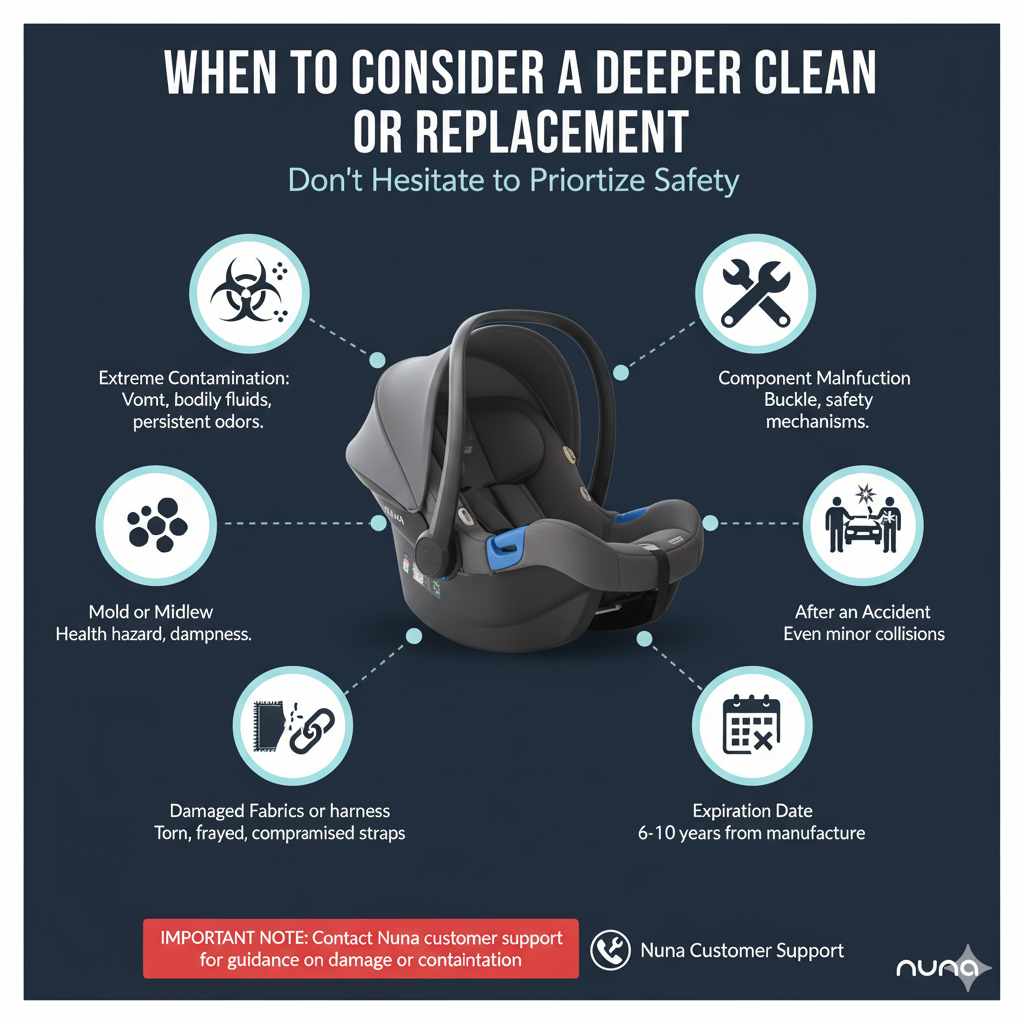
When to Consider a Deeper Clean or Replacement
While regular cleaning keeps your Nuna Pipa fresh, there are times when you might need to consider more drastic measures, or even a replacement:
- Extreme Contamination: If the car seat has been exposed to significant amounts of vomit, bodily fluids, or other substances that are difficult to remove completely and have left strong odors, despite thorough cleaning.
- Mold or Mildew: Any sign of mold or mildew growth indicates the seat has been damp for too long, which can be a health hazard and potentially compromise materials.
- Damage to Fabrics or Harness: If fabric is torn, frayed, or the harness straps show signs of wear beyond normal use, it may need replacement.
- Component Malfunction: If the buckle no longer functions correctly, or other safety mechanisms seem compromised.
- After an Accident: Car seats should almost always be replaced after even a minor car accident, as unseen damage can occur to the structure. The National Highway Traffic Safety Administration (NHTSA) provides guidance on this.
- Expiration Date: Car seats, including the Nuna Pipa, have an expiration date (usually 6-10 years from manufacture) due to the degradation of plastics and safety features over time.
For significant contamination or any damage, contacting Nuna customer support is always the best first step. They can advise on specific cleaning solutions or whether replacement parts or a new seat are necessary.
Frequently Asked Questions (FAQ)
Q1: Can I use baby wipes on my Nuna Pipa car seat?
A: Nuna may offer specific car seat wipes. If using general baby wipes, check the ingredients. Avoid wipes with alcohol or harsh chemicals that could damage the fabric or plastic. Always test on an inconspicuous area first. For most messes, a damp cloth with mild soap and water is preferable.
Q2: My Nuna Pipa harness is really dirty. How can I clean it best?
A: Nuna advises against submerging harness straps. Spot clean using a damp cloth with a very mild soap solution. Rinse by wiping with a clean, damp cloth. Ensure straps are completely air-dried before use. Never use lubricants or unapproved cleaners on the harness.
Q3: Is it okay to use a vacuum cleaner on my Nuna Pipa?
A: Yes, vacuuming is an excellent way to remove dry debris like crumbs and dust from the car seat. Use a brush and crevice attachment to get into all the nooks and crannies. Be gentle and avoid using a vacuum with a very strong suction that could potentially pull at loose threads.
Q4: How often should I clean my Nuna Pipa car seat?
A: It’s best to spot clean spills as they happen. A quick wipe-down of the plastic and fabric can be done weekly or bi-weekly. A more thorough cleaning of the fabric covers is recommended every 1-3 months, or as needed based on usage and spills.
Q5: Can I put my Nuna Pipa fabric covers in the washing machine?
A: Always check your specific Nuna Pipa model’s owner’s manual. For most Nuna Pipa seats, machine washing the fabric covers is not recommended. Hand washing with mild soap and cool water is the safest method to preserve the fabric’s integrity and safety features.
Q6: My buckle is sticky. What should I do?
A: If the buckle is sticky, you can try cleaning it with warm water. Sometimes, gently working the buckle open and shut while rinsing with warm water can dislodge debris. Avoid using soaps or lubricants inside the buckle mechanism. If the problem persists, contact Nuna customer support.
Conclusion
Keeping your Nuna Pipa car seat clean is an essential part of ensuring your child’s comfort and safety on every journey. By following these straightforward steps, you can confidently manage everything from minor spills to more significant messes. Remember, gentle methods, mild cleaning agents, and thorough drying are key. Always have your owner’s manual handy for specific details about your model, and don’t hesitate to reach out to Nuna if you have any concerns about cleaning or the condition of your car seat.
A well-maintained car seat not only looks better but functions as it was designed to, giving you peace of mind as you drive. You’ve got this!