How to Clean Your Car Without Water (Waterless Car Wash)
Cleaning your car without water is a practical, eco-friendly alternative to traditional washing that saves time and resources. This guide covers the tools, techniques, and pro tips you need to achieve a spotless finish using waterless car wash products.
Simply put, a waterless car wash uses a specialized spray lubricant and microfiber towels to lift dirt away from your paint without rinsing with water. It’s safe, fast, and ideal for lightly soiled vehicles when done correctly.
Key Takeaways
- Cleaning your car without water saves up to 100 gallons of water per wash and eliminates soapy runoff.
- Waterless wash products encapsulate dirt particles so they lift off safely without scratching your paint.
- Using the right technique — especially the two-towel method — is essential to avoid swirl marks.
- A full waterless wash takes 20–30 minutes compared to 45–60 minutes for a traditional hose wash.
What Is a Waterless Car Wash?
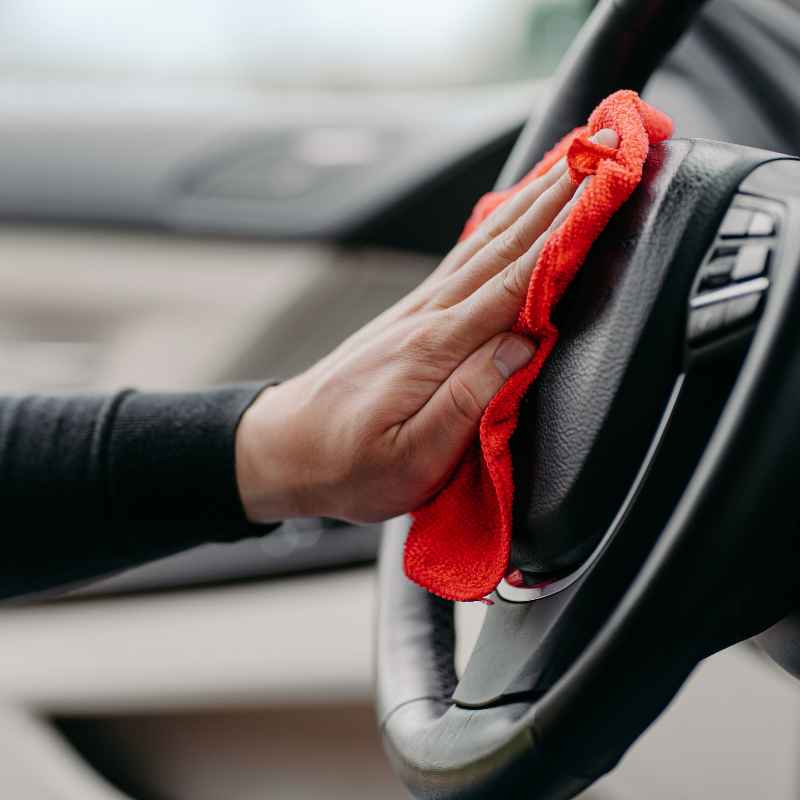
A waterless car wash is a cleaning method that uses a liquid spray formula and microfiber towels to remove dirt, dust, and grime from your vehicle’s exterior without rinsing with water. Instead of relying on high-pressure water to flush away contaminants, these products use advanced polymers and surfactants to encapsulate dirt particles so they can be wiped away safely.
Commercial waterless washes have been around for decades but have gained mainstream popularity recently as drought conditions and environmental awareness have grown. The International Car Wash Association notes that professional tunnel washes use about 40 gallons per car, while a home hose wash can consume up to 100 gallons. Waterless methods use zero gallons of rinse water.
These products come in various forms, including spray bottles, aerosol cans, and concentrate formulas that you dilute at home. Most are designed to clean, add gloss, and provide a layer of protection in a single step.
How It Differs From Traditional Washing
- Water usage: Traditional washing uses 40–100 gallons per wash; waterless uses zero rinse water.
- Location: You can waterless wash in a parking lot, garage, or apartment complex — no hose needed.
- Time: A waterless wash takes roughly half the time of a bucket-and-hose method.
- Environmental impact: Waterless products contain biodegradable surfactants, reducing chemical runoff.
- Paint safety: When done correctly, waterless washing is as safe as traditional methods for light dirt.
Tip: For best results, park your car in the shade and let the surface cool before starting. Hot panels cause the spray to evaporate too quickly, reducing lubrication.
How Does Waterless Car Wash Work?
Waterless car wash products rely on a clever chemical process. The spray contains lubricants, surfactants, and emulsifiers that surround dirt particles and lift them off the paint surface. When you wipe with a microfiber towel, the encapsulated dirt is absorbed into the towel fibers rather than dragged across the clear coat.
The science behind this is similar to how a degreaser lifts oil from a pan, but formulated specifically for automotive paint. The polymers in the solution also leave behind a thin protective layer that adds gloss and repels dust. According to a study by the University of Texas, waterless wash products removed 95% of surface contaminants when used with the proper technique.
You need two key actions for success: enough lubrication to float the dirt and a high-quality microfiber towel to trap it. Without either, you risk scratching the paint. This is why using a dedicated waterless wash product — not a household cleaner — is critical.
Key Ingredients in Waterless Wash Formulas
- Surfactants: Reduce surface tension so dirt lifts easily.
- Lubricants: Create a slippery barrier between dirt and paint.
- Polymers: Bond to the clear coat and add gloss.
- Emulsifiers: Help break down bird droppings and bug residue.
- Waxes or sealants: Provide a layer of protection after cleaning.
Important: Never use dish soap, household cleaners, or glass cleaners as a waterless wash substitute. They strip wax and can damage your clear coat.
What You Need to Clean Your Car Without Water
You don’t need much equipment to start cleaning your car without water. The basics are a spray product, a stack of microfiber towels, and a bit of patience. Investing in quality tools makes the difference between a glossy finish and a scratched mess.
Many detailers recommend using at least three to four towels per wash: one for spraying and wiping interior panels, one for exterior body panels, one for drying or buffing, and one for wheels and lower areas. Always separate towels for dirty and clean steps.
Essential Equipment Checklist
| Item | Purpose | Recommended Spec |
|---|---|---|
| Waterless wash spray | Loosens and lubricates dirt | pH-balanced, polymer-based formula |
| Microfiber towels (5+ pack) | Wipe away dirt without scratching | 350–450 GSM pile weight |
| Wheel brush or dedicated towel | Clean wheels separately | Soft bristle or microfiber |
| Detail spray (optional) | Touch up after wash | Matches your wash brand |
| Applicator pad | Apply spray to large panels | Edge-less foam pad |
Brands like Chemical Guys, Optimum No Rinse, Griot’s Garage, and AMMO NYC offer reliable waterless wash products. The key is to choose a formula designed for automotive paint, not a multi-surface cleaner.
Step-by-Step: How to Clean Your Car Without Water
Follow this process to get a swirl-free, glossy finish every time. Work panel by panel from the top of the car down, keeping your towel folded into clean quarters.
Step 1: Prepare Your Car and Workspace
Park in the shade and let the paint cool completely. Sunlight baking on the panel causes the spray to dry too fast, leaving residue and increasing friction. Close all windows and remove loose dust with a microfiber duster if the car is very dusty.
Step 2: Fold Your Microfiber Towels Correctly
Fold each towel into quarters so you have eight clean wiping surfaces. Use one side per panel section, then flip to a fresh side. Once all eight sides are used, switch to a new towel.
Never reuse a dirty side — that’s how scratches happen.
Step 3: Spray the Waterless Wash Solution
Mist the solution onto one panel at a time. Spray enough to fully wet the surface but not so much that it drips excessively. Two to three sprays per panel section is typical for most formulas.
Allow the product to sit for 5–10 seconds to encapsulate the dirt.
Warning: Do not spray directly onto a hot surface or into direct sunlight. The solution will evaporate before it can lubricate the dirt, leading to scratches.
Step 4: Wipe Gently in Straight Lines
Using your folded microfiber towel, wipe in one straight line across the panel. Flip to a clean section of the towel and wipe the next line, slightly overlapping the previous pass. Avoid circular motions, which can trap dirt particles and cause swirl marks.
Use light to moderate pressure — let the chemistry do the work.
Step 5: Buff to a Shine
Take a separate dry microfiber towel and buff the panel with light passes. This removes any remaining residue and brings up the gloss. If the surface still feels sticky, you used too much product.
Buff thoroughly until smooth.
Step 6: Move to the Next Panel
Work methodically across the car: roof, hood, trunk, sides, bumpers, and finally wheels and lower areas. Always use a separate towel for wheels to avoid transferring brake dust and road grit onto your paint. Repeat steps 3–5 for each section.
Step 7: Do a Final Inspection
Walk around the car in natural light and look for streaks, missed spots, or residue. Use a microfiber towel and a light mist of detail spray to touch up any areas. A final wipe-down with a dedicated quick detailer adds an extra layer of gloss.
Common Mistakes When Washing Your Car Without Water
Even experienced detailers slip up sometimes. Avoiding these common errors will keep your paint looking fresh and prevent damage that requires professional correction.
Top 5 Mistakes to Avoid
- Using too little spray: Skimping on solution means less lubrication, which increases friction and the risk of scratching. Always keep the surface wet with product.
- Reusing dirty towel sides: Once a towel side picks up dirt, flipping to a fresh side is essential. Reusing a dirty side drags grit across the clear coat.
- Washing in direct sunlight: Heat causes the product to flash-dry, leaving sticky residue and making wiping difficult. Always wash in the shade.
- Using the wrong towels: Old cotton rags, terry cloth, or cheap polyester towels will scratch your paint. Stick to high-GSM microfiber.
- Ignoring heavy dirt: If your car is caked in mud, road salt, or thick grime, a waterless wash won’t cut it. Pre-rinse with water or use a rinseless wash first.
| Mistake | Result | Fix |
|---|---|---|
| Too little spray | Swirl marks, scratches | Use 2–3 sprays per panel section |
| Circular wiping motion | Spider-web swirls | Wipe in straight overlapping lines |
| Washing in direct sun | Dried residue, hard removal | Park in shade or wash at dusk |
| Skipping towel folding | Dirt dragged across paint | Fold towel in quarters, use each side once |
If you avoid these five mistakes, you’ll get professional-grade results with minimal effort. The learning curve is short, and most people nail the technique after two or three washes.
Tip: Keep a separate towel in a plastic bag for quick touch-ups. A 30-second wipe with a waterless spray can remove bird droppings or tree sap before they etch the paint.
Benefits of Cleaning Your Car Without Water
Switching to a waterless car wash offers several advantages beyond just saving water. Environmental, financial, and convenience benefits make it an attractive option for many car owners.
Environmental Benefits
- Water conservation: The EPA estimates that washing a car at home uses 80–100 gallons of water per session. Waterless wash uses zero rinse water.
- Reduced runoff: Soap, oil, and exhaust residue from traditional washing flows into storm drains. Waterless wash products are biodegradable and you wipe them onto your towels, not the ground.
- Lower chemical load: Waterless formulas use fewer volatile organic compounds (VOCs) than many traditional car soaps, and you use less product per wash.
Convenience and Cost Benefits
- Wash anywhere: No hose, no bucket, no driveway required. You can wash at a parking lot, apartment parking spot, or even at a car show.
- Faster process: Most waterless washes take 20–30 minutes from start to finish, compared to 45–60 minutes for a traditional wash.
- Lower cost per wash: One 16-ounce bottle of waterless wash covers 8–12 full washes, costing about $0.50–$1.00 per wash. Traditional washes cost $5–$15 for supplies or $10–$20 at a professional.
- Less gear to store: You need only a spray bottle and a stack of towels, not buckets, hoses, nozzles, and drying chamois.
Paint Protection
Many waterless wash products include polymers that bond to the clear coat and provide a layer of protection. This helps repel dust and water between washes, keeping your car cleaner longer. Over time, consistent use can extend the life of your paint’s clear coat.
When You Should NOT Clean Your Car Without Water
Waterless car washing is not a one-size-fits-all solution. There are specific situations where using water — or at least a rinseless method — is the safer choice.
Heavy Mud or Off-Road Grime
If your car is caked in thick mud, red clay, or heavy off-road dirt, a waterless wash won’t provide enough lubrication. The dirt volume is simply too high. In these cases, use a pressure washer or a garden hose to remove the bulk of the grime first, then follow up with a waterless or rinseless wash.
Road Salt and Winter Conditions
Road salt and brine are highly corrosive and can be thickly layered on undercarriage and lower panels. Waterless wash products are not designed to dissolve heavy salt deposits. A traditional rinse or a dedicated undercarriage spray is better for winter maintenance.
Extremely Dirty or Neglected Paint
If your car hasn’t been washed in months and has built-up oxidation, tar, or bug residue, a waterless wash alone may not be enough. Consider a clay bar treatment or a full decontamination wash before switching to maintenance waterless washes.
Warning: Never use a waterless wash on matte paint finishes without checking the product label. Some polymers and waxes can create unwanted gloss or patches on matte surfaces.
When It’s Perfectly Fine to Use Waterless
- Light dust and pollen
- Weekly or bi-weekly maintenance washes
- Car shows and quick touch-ups
- Garage-kept or lightly driven vehicles
- Apartment dwellers without hose access
Frequently Asked Questions
Is it safe to clean your car without water?
Yes, when done correctly with a quality waterless wash product and clean microfiber towels. The key is using enough product to lubricate the surface and working in a shaded area to prevent flash-drying.
Can waterless car wash remove bird droppings and bug splatters?
Fresh bird droppings and bugs can be removed with a waterless wash if you saturate the area and let the product dwell for 15–20 seconds. Dried or baked-on residue may need a spot pre-treatment or a dedicated bug remover.
How often should I use a waterless car wash?
You can use a waterless wash every 7–14 days for maintenance. Many detailers use it weekly during dry weather. For daily drivers in dusty conditions, a quick waterless wipe-down every few days helps keep the paint protected.
Do waterless car washes scratch the paint?
Waterless washes do not scratch when used correctly. Scratches occur when you use too little product, reuse a dirty towel, or wipe in circular motions. Following the step-by-step process above virtually eliminates the risk.
What’s the difference between waterless and rinseless car wash?
Waterless wash is sprayed onto a dry surface and wiped off with a towel — no water needed. Rinseless wash is diluted in a bucket of water and applied with a sponge or wash mitt, then dried with towels. Both save water, but waterless is more portable and requires less setup.
Final Thoughts
Cleaning your car without water is a smart, modern approach that saves water, time, and money while keeping your paint in excellent condition. With the right products and a careful technique, you can achieve a show-quality shine anywhere. Start with a quality waterless wash spray and a stack of microfiber towels, and you’ll never look back at the hose.
Products related to this article
Sponsored / affiliate links. As an Amazon Associate I earn from qualifying purchases. I may earn additional commission from eligible campaigns.