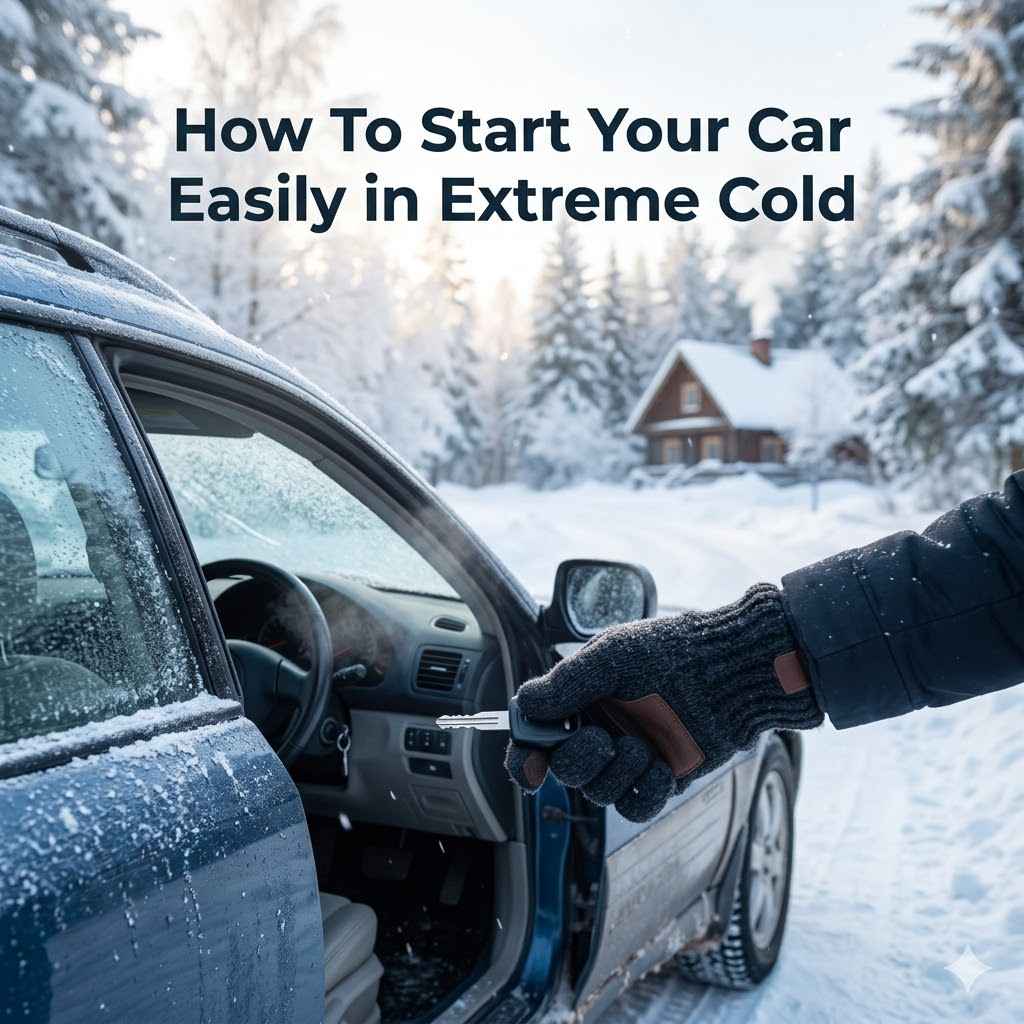
How To Start Your Car Easily in Extreme Cold
When the weather gets really cold, starting your car can feel like a big challenge, especially if you’re new to driving. It’s something many people wonder about because the cold can make car batteries weak and engine oil thick. This makes it harder for your car to turn over and get going.
But don’t worry! We’ll walk through exactly how to get your car started even when it’s freezing outside. This simple guide will make you feel confident, and we’ll cover everything you need to know step by step.
Understanding Car Starting Challenges in Cold Weather
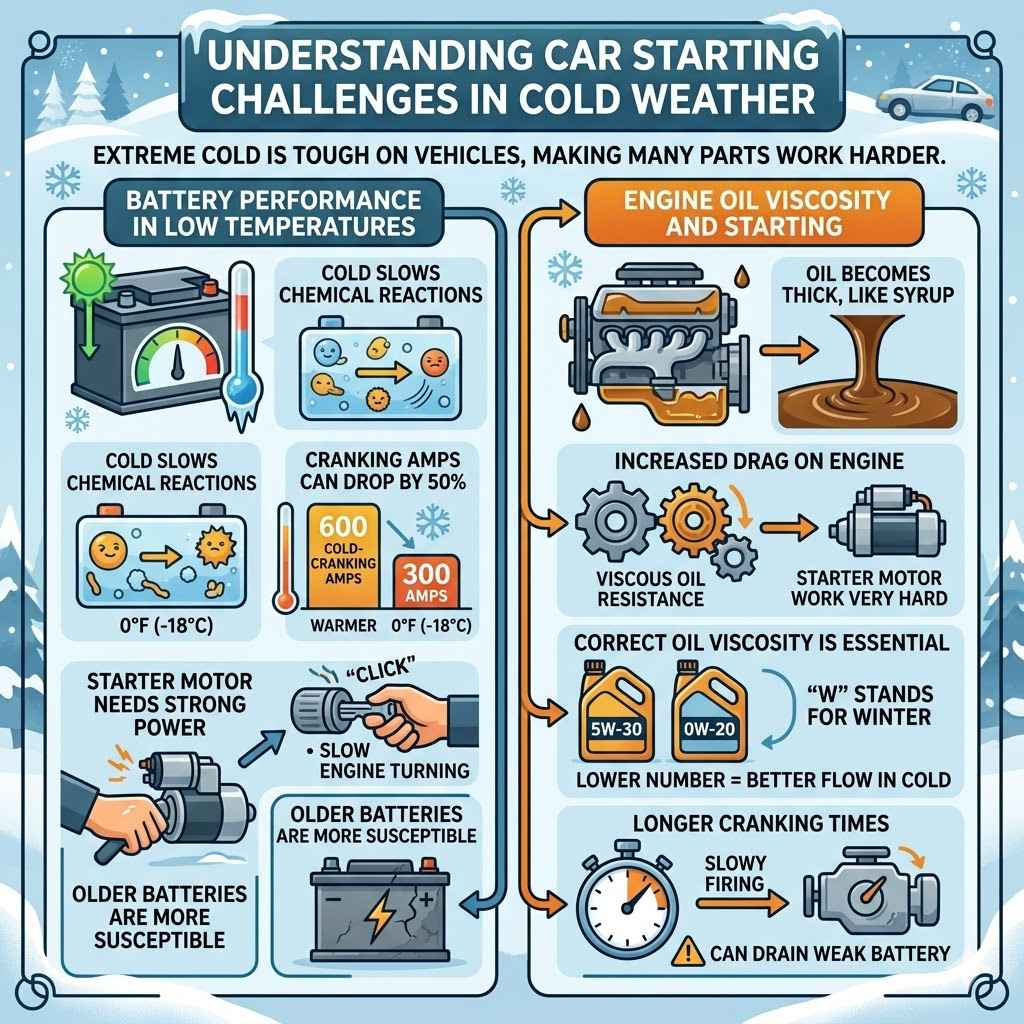
Extreme cold is tough on vehicles. It makes many parts work harder than usual. Batteries, for example, lose a lot of their power when temperatures drop.
Engine oil also becomes much thicker, which means the engine has to fight more to get moving. This combination can lead to frustrating situations where your car just won’t start. We will look at why this happens and what you can do.
Battery Performance in Low Temperatures
Car batteries are electrochemical devices. They rely on chemical reactions to produce electricity. When it’s cold, these chemical reactions slow down significantly.
This means a battery that might seem fine on a warm day can struggle to provide enough power to crank the engine when it’s freezing.
A battery’s cranking amps, which is the amount of power it can deliver for starting the engine, can drop by as much as 50% in very cold weather. For example, a battery rated for 600 cold-cranking amps might only deliver 300 amps at 0 degrees Fahrenheit (-18 degrees Celsius). This is a critical factor for starting your car.
- Cold temperatures affect the battery’s ability to create and store electrical energy. The chemical processes inside the battery become sluggish, reducing the flow of electrons needed to power the starter motor. This is a direct physical limitation imposed by the cold environment.
- A weak battery, even if it’s not completely dead, may not have enough juice to turn the engine over quickly enough. The starter motor needs a strong, consistent surge of power. If the battery is struggling, the starter might just click, or the engine might turn over very slowly and then stop.
- Older batteries are more susceptible to cold weather issues. If your battery is more than three to five years old, its ability to hold a charge and deliver power diminishes. The cold can be the final straw that exposes its weakness.
Engine Oil Viscosity and Starting
Engine oil is vital for lubricating moving parts inside your engine. It reduces friction and wear. However, oil’s thickness, or viscosity, changes with temperature.
In cold weather, oil becomes much thicker, almost like syrup.
When the oil is thick, it’s harder for the engine’s oil pump to push it through all the small passages. This means the engine parts don’t get lubricated as quickly when you first start the car. It takes more effort for the engine to turn over because it’s fighting against this thick, resistant oil.
This extra strain adds to the difficulty of starting in extreme cold.
- Thicker oil increases the drag on the engine. The starter motor has to work harder to spin the crankshaft against the resistance of the viscous oil. This requires more power from the battery, further taxing a battery that is already underperforming in the cold.
- Using the correct oil viscosity is essential. Manufacturers specify oil grades like 5W-30 or 0W-20. The “W” stands for winter, and the number before it indicates how well the oil flows at low temperatures. A lower number means the oil flows better when it’s cold.
- Longer cranking times can occur with thick oil. The engine might crank for longer than usual before it fires up. If the battery is weak or the oil is extremely thick, this extended cranking can drain the battery before the engine even has a chance to start.
How to Start Your Car Easily in Extreme Cold A Step-by-Step Guide
Getting your car started when it’s freezing can be simple if you follow a few key steps. These actions help overcome the challenges posed by the cold weather. We will go through each part of the process.
Preparing Your Car Before It Gets Cold
Taking steps before the really cold weather arrives can prevent a lot of trouble. It’s about being proactive rather than reactive when you’re already stuck in the freezing temperatures. These simple checks can make a big difference.
- Check Your Battery Regularly. Have your battery tested at an auto parts store or mechanic. Most tests are free. They can tell you if your battery is holding its charge well and if it’s likely to survive the winter. Replacing a weak battery before it dies is much easier than dealing with a no-start situation.
- Use the Right Engine Oil. Make sure your car has the correct type of engine oil for cold weather. This is usually an oil with a lower “W” number, like 0W-20 or 5W-20. If you’re unsure, check your owner’s manual. If your car is due for an oil change, consider switching to a winter-appropriate oil.
- Inspect Your Wiper Blades and Fluid. While not directly related to starting, good visibility is crucial in winter driving. Ensure your wiper blades are in good condition and that your windshield washer fluid is rated for freezing temperatures. You don’t want frozen washer fluid making it impossible to see.
The Starting Procedure in Freezing Temperatures
When you need to start your car in the cold, follow these steps carefully. Each action helps ensure the best chance of success.
- Turn Off All Electrical Accessories. Before you even insert the key, make sure your headlights, radio, heater fan, and any other electrical devices are turned off. This reduces the electrical load on the battery when you attempt to start the engine. You can turn them back on after the engine is running.
- the radio and power windows usually work, but the engine is off. Leave it there for a few seconds. This allows the battery to send a small amount of power to some systems, like the fuel pump, and can slightly warm up the battery.
- Crank the Engine. Now, turn the key to the “start” position. Don’t hold it there for too long if the engine doesn’t immediately turn over. If the engine doesn’t start after about 10 seconds of cranking, release the key.
- Wait and Try Again. If the engine didn’t start, wait at least 30 seconds to a minute before trying again. This allows the starter motor to cool down and the battery to recover a little bit of its charge. Repeatedly trying to crank the engine without waiting can overheat the starter and drain the battery completely.
- Listen Carefully. Pay attention to the sounds your car makes. If you hear a rapid clicking noise, it often indicates a weak battery. If you hear a single click or no sound at all, it could be a dead battery or a different starting system issue. If the engine cranks very slowly but doesn’t catch, the oil may be too thick, or the battery is significantly weakened.
What to Do If Your Car Won’t Start
Sometimes, even with the best efforts, a car might refuse to start in the extreme cold. Don’t panic. There are a few common solutions.
- Jump-Start Your Car. This is the most common solution for a dead battery. You’ll need jumper cables and another vehicle. Connect the positive terminals, then the negative terminals, starting with the working car. After a few minutes of the working car running, try starting your car. Remember to disconnect the cables in the reverse order.
- Use a Battery Booster Pack. A portable battery booster pack is a great alternative to another car. It’s a self-contained unit that can provide the necessary jump. Follow the instructions that come with your specific booster pack carefully.
- Check for a Blocked Fuel Line. In extreme cold, fuel lines can sometimes freeze. This is more common if there’s water in your fuel. If you suspect this, you might need professional help or a fuel additive designed to prevent freezing.
Advanced Tips for Extreme Cold Starts
Beyond the basic steps, a few advanced techniques can help ensure your car starts smoothly even in the harshest winter conditions. These involve understanding your car’s systems and using tools that can help.
Using Engine Block Heaters
An engine block heater is a small electric heater that warms the engine coolant. It’s plugged into a standard electrical outlet, often at your home or workplace. This is a highly effective way to make starting in extreme cold much easier.
By keeping the engine block and its internal components warm, the engine oil remains less viscous. This allows for easier cranking and better lubrication from the moment you start the engine. It also reduces the strain on the battery.
Statistics show that using an engine block heater can reduce engine wear by up to 50% during cold starts. It also cuts down on fuel consumption, as the engine reaches its optimal operating temperature much faster. A study by Natural Resources Canada found that using block heaters can save up to 10% on fuel costs over a winter.
- Installation and Use. Engine block heaters are usually installed by a mechanic. They typically have a cord that hangs from the front grille of the car, which you plug into an outdoor outlet. They should be plugged in at least 2-4 hours before you plan to start your car, depending on the outside temperature and the type of heater.
- Benefits Beyond Starting. Besides making starting easier, block heaters help the heater in your car’s cabin blow warm air sooner. This makes for a more comfortable driving experience. They also reduce emissions, as engines produce more pollutants when they are cold.
- Power Consumption. Block heaters use electricity, but their energy consumption is generally quite low. A typical 400-watt heater running for 4 hours uses about 1.6 kilowatt-hours of electricity. The cost of this is usually much less than the wear and tear on your engine or the inconvenience of a no-start situation.
Battery Warmers and Trickle Chargers
If you don’t have an engine block heater, other battery-focused solutions can help. Battery warmers and trickle chargers are designed to keep your battery in optimal condition during cold weather.
A battery warmer is essentially a heating pad that wraps around your battery. It helps maintain the battery’s temperature, preventing the severe drop in performance that occurs in extreme cold. A trickle charger, on the other hand, is a device that slowly recharges the battery.
It provides a constant low-level charge to keep the battery topped up.
- Battery Warmers. These devices are typically powered by electricity and are installed directly onto or around the battery. They use a thermostat to turn on when the temperature drops below a certain point. This ensures the battery stays at a temperature where its chemical reactions can occur more efficiently.
- Trickle Chargers. A trickle charger is ideal for vehicles that sit for extended periods or for those who live in areas with very harsh winters. It prevents the battery from self-discharging over time and ensures it has a full charge when you need it. Unlike a fast charger, a trickle charger is designed for long-term maintenance.
- Combination Devices. Some products combine the functions of a battery warmer and a trickle charger. These offer comprehensive battery care for winter conditions. They can help maintain charge and temperature simultaneously, providing the best protection against cold-weather battery failure.
Understanding Different Starting Problems
When your car won’t start, the sounds it makes can give you clues about the problem. Identifying the sound helps you choose the right solution.
A rapid clicking sound usually means the battery has some charge, but not enough to engage the starter motor fully. The clicking is the starter solenoid trying to engage, but failing due to insufficient power. A single, solid click might indicate a problem with the starter motor itself or a loose connection.
If the engine cranks very slowly and weakly, it suggests the battery is very low on charge or extremely cold, making the oil too thick. If there’s no sound at all when you turn the key, it’s likely a completely dead battery or an issue with the ignition switch or wiring.
- Rapid Clicking. This common sound points to a low battery. The battery has enough power for the solenoid to try and engage, but not enough for the starter motor to turn the engine over.
- Slow Cranking. If the engine turns over very slowly, the battery might be weak, or the engine oil is too thick. It takes more effort for the starter motor to spin the engine under these conditions.
- No Sound or Single Click. This could be a completely dead battery, a faulty starter motor, a blown fuse, or an issue with the ignition switch. It’s important to test the battery first.
Common Mistakes to Avoid When Starting in Cold
There are a few common pitfalls people fall into when trying to start their cars in freezing temperatures. Avoiding these mistakes can save you a lot of frustration and potential damage to your car.
Over-Cranking the Engine
One of the biggest mistakes is holding the key in the “start” position for too long. The starter motor is not designed for continuous operation. If you crank the engine for more than 10-15 seconds at a time, you risk overheating and damaging the starter motor.
Additionally, excessive cranking drains the battery faster. If the engine doesn’t start after a couple of short attempts, it’s better to wait and let the battery recover a bit. This also gives the starter motor time to cool down.
- Starter Motor Damage. Starters have small electric motors that can overheat if used for prolonged periods. This can lead to premature failure of the starter.
- Battery Depletion. Every second you crank the engine, you use up battery power. If the engine doesn’t fire up, you’re just draining the battery, making a subsequent attempt less likely to succeed.
- Wait Time is Crucial. Between attempts, allow at least 30 seconds to a minute. This gives the starter motor a chance to cool and the battery to regain some of its stored energy.
Not Checking Battery Health
Many people only think about their battery when it fails. This is a mistake, especially in winter. A battery that is just barely okay on a mild day can suddenly become completely dead when the temperature plummets.
Regular checks, especially before winter arrives, can prevent you from being stranded. Many auto parts stores offer free battery testing. Knowing the health of your battery can help you replace it proactively if needed.
- Proactive Testing Saves Trouble. Get your battery tested before winter. This simple check can identify a weak battery before it becomes a problem.
- Battery Age Matters. Batteries typically last 3-5 years. If yours is older, its performance is likely degraded, making it more vulnerable to cold weather.
- Signs of a Failing Battery. Look for slow engine cranking, dimming headlights, or warning lights on the dashboard. These can be early indicators that your battery needs attention.
Ignoring Oil Viscosity Recommendations
Using the wrong type of engine oil is another common error. Your car’s owner’s manual specifies the correct oil viscosity for your engine. In cold climates, using an oil with a higher “W” number than recommended can cause significant problems.
For example, if your manual recommends 5W-30, using 10W-30 in freezing temperatures will make the oil much thicker. This thicker oil creates more resistance, making it harder for the engine to start and potentially causing insufficient lubrication during the critical first few moments after starting.
- Consult Your Owner’s Manual. Always refer to your vehicle’s owner’s manual for the recommended oil viscosity. This ensures your engine receives the best protection.
- Winter-Specific Oils. If you live in a very cold region, consider using a synthetic oil with a very low “W” number, like 0W-20. Synthetics generally perform better in extreme cold than conventional oils.
- Impact on Lubrication. Incorrect oil viscosity can lead to delayed lubrication. This means engine parts may run without adequate oil film for longer periods, increasing wear and tear.
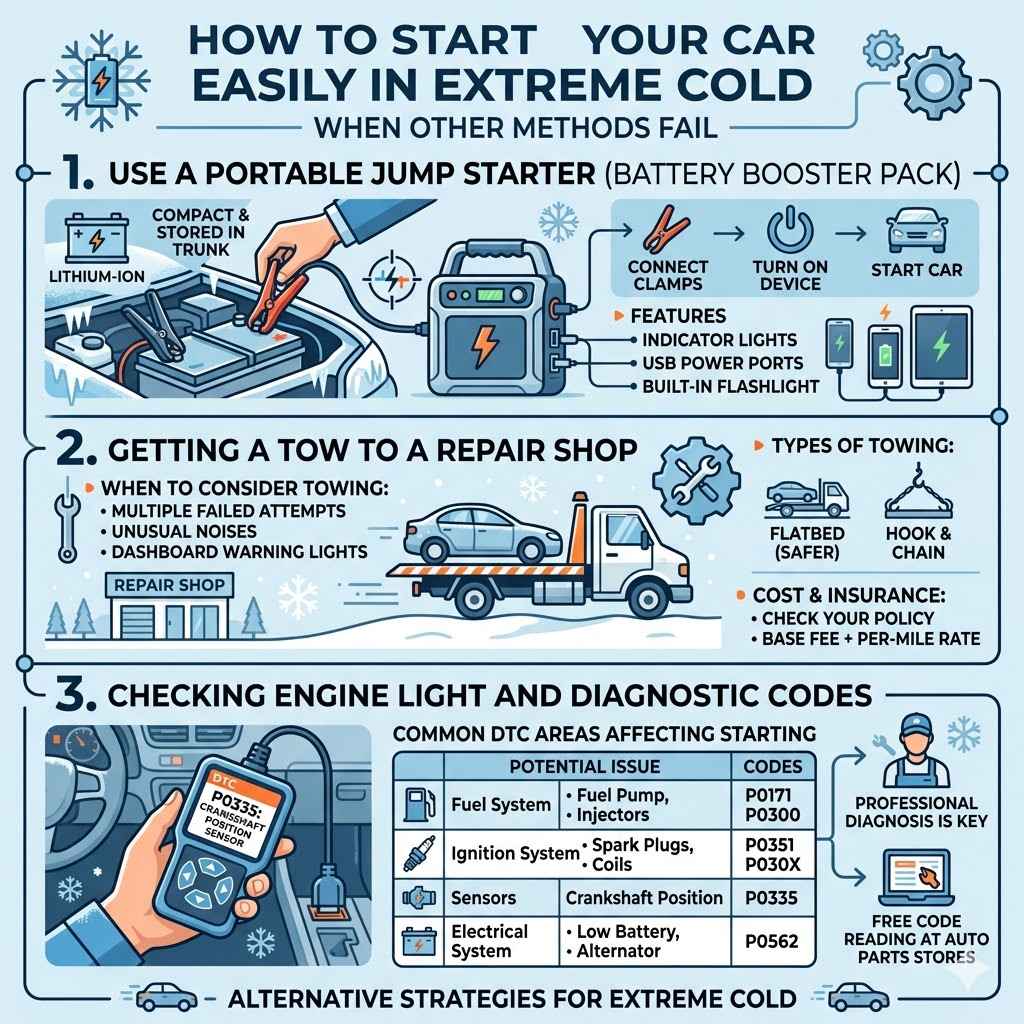
How to Start Your Car Easily in Extreme Cold When Other Methods Fail
Sometimes, despite your best efforts, your car might still refuse to start. When standard jump-starting doesn’t work or isn’t an option, there are alternative strategies. These can help get you moving again.
Using a Portable Jump Starter
A portable jump starter, also known as a battery booster pack, is a self-contained unit that can jump-start a car without needing another vehicle. These are incredibly useful for anyone who frequently faces cold weather or lives in an area prone to battery issues.
These devices contain a powerful lithium-ion battery. They are compact and easy to store in your car’s trunk. Most have built-in safety features like reverse polarity protection to prevent damage if you connect the clamps incorrectly.
They are a reliable solution for a dead battery.
- How They Work. Portable jump starters have positive and negative clamps, similar to jumper cables. You connect them to your car’s battery terminals. The device then provides a surge of power to start your engine.
- Ease of Use. They are generally very user-friendly. You simply connect the clamps, turn on the device, and attempt to start your car. Many models include an indicator light to show when the battery is sufficiently charged.
- Versatility. Many portable jump starters can also charge other electronic devices like smartphones and tablets via USB ports. Some models even have a built-in flashlight, which is handy for nighttime or low-visibility situations.
Getting a Tow to a Repair Shop
If all attempts to start your car fail, it might be time to call for a tow. This is especially true if you suspect a more significant mechanical issue beyond a dead battery or thick oil.
A tow truck can transport your vehicle to a trusted mechanic or dealership. They have the tools and expertise to diagnose and repair complex problems that might be preventing your car from starting. While this is the most inconvenient option, it’s often the safest and most effective for serious issues.
- When to Consider Towing. If your car doesn’t start after multiple jump-start attempts, if you hear unusual noises during cranking, or if dashboard warning lights illuminate persistently, it’s a good sign that professional help is needed.
- Types of Towing. You can opt for flatbed towing, which lifts your entire vehicle onto a truck, or a hook-and-chain tow. Flatbed towing is generally considered safer for the vehicle’s suspension and drivetrain, especially for longer distances.
- Cost and Insurance. Check if your auto insurance policy includes roadside assistance or towing coverage. Many policies offer a certain number of free tows per year, which can save you money. Otherwise, towing services typically charge a base fee plus a per-mile rate.
Checking Engine Light and Diagnostic Codes
If your check engine light is on, it’s a direct indicator that your car’s onboard diagnostic system has detected a problem. Even if your car starts, a check engine light can signal an issue that might worsen and eventually prevent starting.
Mechanics use an OBD-II scanner to read diagnostic trouble codes (DTCs) stored in your car’s computer. These codes help pinpoint the exact system or component that is malfunctioning. Some common issues that can prevent starting include problems with the fuel pump, ignition system, or the crankshaft position sensor.
| Common DTC Areas Affecting Starting | Potential Issue |
|---|---|
| Fuel System (e.g., P0171, P0300) | Fuel pump failure, clogged fuel injectors, fuel filter issues. |
| Ignition System (e.g., P0351, P030X) | Faulty spark plugs, ignition coils, or ignition control module. |
| Sensors (e.g., P0335) | Crankshaft position sensor failure, camshaft position sensor failure. |
| Electrical System (e.g., P0562) | Low battery voltage, alternator issues, wiring problems. |
- Reading the Codes. An OBD-II scanner plugs into a port usually located under the dashboard. The scanner then displays a list of codes. Many auto parts stores offer free code reading services.
- Interpreting the Codes. Each code corresponds to a specific problem. For instance, a P0300 code indicates random misfires, which can be caused by various issues. Understanding the code is the first step toward diagnosis.
- Professional Diagnosis is Key. While reading codes is helpful, a mechanic is needed to accurately diagnose the root cause and perform the necessary repairs. Simply replacing a part based on a code without proper diagnosis can be costly and ineffective.
Frequently Asked Questions
Question: What is the most common reason a car won’t start in extreme cold?
Answer: The most common reason is a weakened car battery. Cold temperatures significantly reduce a battery’s power output, making it unable to provide enough energy to crank the engine.
Question: Can I use regular jumper cables in extreme cold?
Answer: Yes, you can use regular jumper cables, but ensure they are in good condition and have sufficient gauge wire. The process is the same, but you might need to let the cars run together for a bit longer to transfer enough power.
Question: How long should I wait between attempts to start a cold car?
Answer: It’s best to wait at least 30 seconds to a minute between attempts. This allows the starter motor to cool down and the battery to recover some of its charge.
Question: Is it bad to let a car idle for a long time in the cold?
Answer: Modern cars do not need to idle for extended periods to warm up. It’s better to start the engine, wait a minute, and then drive gently. Idling for too long can waste fuel and lead to premature wear on engine components.
Question: What if my car starts but then stalls?
Answer: If your car starts but stalls, it could be an issue with the fuel system not delivering enough fuel, or an air intake problem. In very cold weather, a frozen fuel line or a clogged fuel filter can also cause this. You may need professional diagnosis.
Conclusion
Starting your car easily in extreme cold is achievable with a little preparation and the right steps. By understanding how cold affects your car’s battery and oil, and by following our simple guide, you can avoid frustration. Keep your battery healthy, use the correct oil, and know what to do if it won’t start.
You’ve got this!
Products related to this article
Sponsored / affiliate links. As an Amazon Associate I earn from qualifying purchases. I may earn additional commission from eligible campaigns.