
How to Curb Carb Cravings: Proven Supplements
Struggling with constant carb cravings? Certain supplements, like fiber, chromium, and L-glutamine, can help by promoting fullness, stabilizing blood sugar, and supporting neurotransmitter balance, making it easier to resist those sugary and starchy temptations.
Do you ever find your mind drifting to cookies, bread, or pasta, even when you’ve eaten recently? You’re not alone! Carb cravings are incredibly common and can feel like a powerful force, making healthy eating feel like an uphill battle. This constant urge can be frustrating, especially when you’re trying to manage your weight or simply eat healthier. But what if there were natural ways to help dial down those powerful signals? This guide is here to help. We’ll explore how certain dietary supplements can become your allies in the fight against the carb creeps, offering a supportive hand when you need it most. Get ready to discover some smart, science-backed tools to help you regain control.
Understanding Carb Cravings
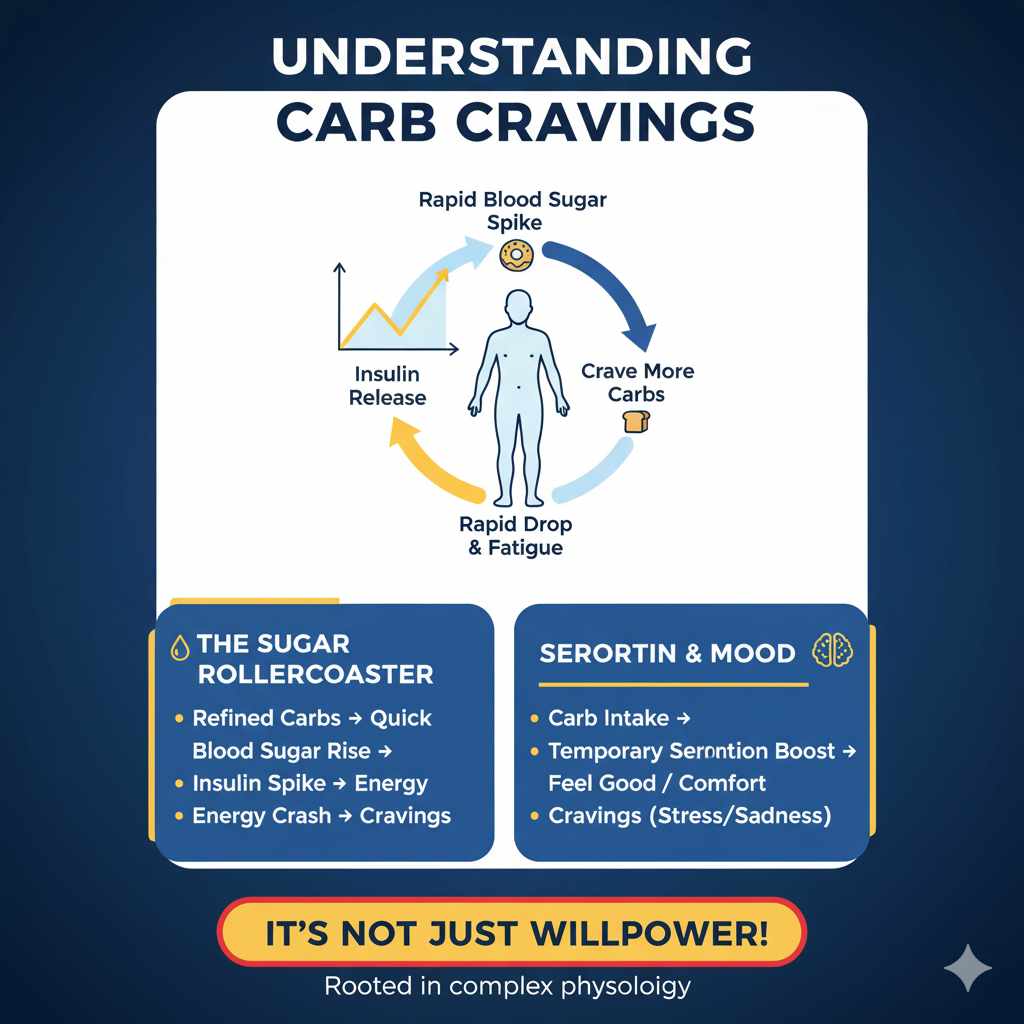
Before diving into supplements, it’s helpful to understand why these cravings happen. Carb cravings aren’t just about willpower; they’re often rooted in our body’s complex physiology. When we eat carbohydrates, especially refined ones, our blood sugar levels rise quickly. This triggers the release of insulin, a hormone that helps move sugar from our blood into our cells for energy. However, a rapid spike in blood sugar can sometimes lead to a rapid drop, causing feelings of fatigue and initiating a signal to eat more carbohydrates to bring those levels back up. It’s a cycle that can be hard to break.
Another factor is serotonin, a neurotransmitter that plays a role in mood and appetite. Carbohydrate intake can temporarily boost serotonin levels, which is why certain foods might be sought out when feeling stressed or down, offering a fleeting sense of comfort. This is a common reason why people often crave sweets or comfort foods. Recognizing these underlying mechanisms is the first step toward managing them effectively.
The Role of Supplements in Curbing Cravings
Supplements can play a supportive role in managing carb cravings, but it’s crucial to remember they are just that—supportive. They are most effective when combined with a balanced diet, regular exercise, and good sleep. They work by addressing some of the physiological reasons behind these cravings. For instance, some supplements can help you feel fuller for longer, others can help stabilize blood sugar levels to prevent sharp drops, and some might even influence the brain chemicals that regulate appetite and mood.
Think of supplements as tools to help your body work more efficiently in managing hunger and blood sugar. They aren’t magic pills, but when chosen wisely and used as directed, they can make a significant difference in your ability to resist those tempting high-carb foods and stick to your health goals. We’ll explore some of the most promising options below.
Proven Supplements to Help Curb Carb Cravings
Several well-researched supplements have shown promise in helping individuals manage their carbohydrate cravings. They work through different mechanisms, so understanding how each one functions can help you choose the best options for your needs.
1. Fiber Supplements (Psyllium Husk, Glucomannan)
Dietary fiber is a champion when it comes to satiety. It absorbs water in your digestive tract, forming a gel-like substance that slows down digestion and gastric emptying. This means food stays in your stomach longer, helping you feel fuller and more satisfied, which can significantly reduce the urge to snack, especially on carbs.
- How it works: Fiber promotes a feeling of fullness, which can decrease overall calorie intake and reduce the desire for quick energy boosts from carbs. It also helps to slow the absorption of sugar into the bloodstream, leading to more stable blood glucose levels and fewer cravings.
- Specific types: Psyllium husk is a popular and readily available source of soluble fiber. Glucomannan, a fiber derived from the konjac root, has also shown strong results in promoting satiety and aiding weight management by absorbing a large amount of water.
- Research spotlight: Studies on glucomannan, for example, have indicated its effectiveness in promoting weight loss by increasing feelings of fullness and reducing the absorption of calories from the diet. The National Institutes of Health (NIH) provides extensive information on its potential benefits.
- How to use: Start with a small dose and gradually increase it to avoid digestive discomfort. Always drink plenty of water when taking fiber supplements, as fiber needs water to function properly. Follow the dosage instructions on the product label.
2. Chromium Picolinate
Chromium is a trace mineral that plays a vital role in carbohydrate and fat metabolism. It is believed to enhance the action of insulin, helping your body use glucose more effectively. By improving insulin sensitivity, chromium can help stabilize blood sugar levels, thereby reducing the cravings that often arise from blood sugar fluctuations.
- How it works: Chromium may improve how your body responds to insulin, leading to more steady blood sugar levels. This stability can prevent the sharp drops that often trigger intense carb cravings.
- Benefits: Some research suggests chromium picolinate can help reduce appetite and cravings for sweets.
- Research spotlight: Several studies have explored chromium’s role in blood sugar control and appetite regulation. A review published in the Journal of Psychopharmacology discussed its potential in reducing food intake and cravings.
- How to use: Typically taken in doses ranging from 200 to 1000 mcg per day with a meal for best absorption.
3. L-Glutamine
L-Glutamine is an amino acid that is abundant in your body. It’s particularly important for immune function and gut health, but it also plays a role in brain function. Some research suggests that L-glutamine may help reduce cravings, potentially by influencing neurotransmitter levels in the brain involved in appetite regulation.
- How it works: L-glutamine is a precursor to neurotransmitters like GABA, which can have calming effects and may help regulate appetite. There’s also a theory that it can help stabilize blood sugar by providing a substrate for gluconeogenesis (the creation of glucose) in the liver, potentially reducing the need for dietary carbs.
- Potential benefits: It may help reduce cravings for sugar and alcohol. Some individuals report reduced feelings of hunger and improved mood when taking L-glutamine.
- Research findings: While human studies specifically on L-glutamine for carb cravings are limited, its role in neurotransmitter synthesis and potential impact on glucose metabolism are areas of ongoing interest.
- How to use: Doses often range from 5-15 grams per day, usually taken on an empty stomach or between meals.
4. Gymnema Sylvestre
Known as the “sugar destroyer” in Ayurvedic medicine, Gymnema sylvestre is a herb that has been used for centuries to help manage blood sugar and reduce the desire for sweets. Its active compounds, gymnemic acids, are thought to interact with sugar receptors on your taste buds, making sweet foods taste less appealing.
- How it works: Gymnemic acids can temporarily block sweet taste receptors on the tongue, reducing the palatability and enjoyment of sugary foods. It may also interfere with sugar absorption in the intestines and help improve insulin sensitivity.
- Key benefits: Directly reduces the perceived sweetness of sugar, making sweet cravings less satisfying. It can also contribute to better blood sugar control.
- Evidence base: A study published in the journal Food & Function highlights its potential taste-modulating and metabolic effects.
- How to use: Commonly found in capsule or extract form. Dosage varies, but typically ranges from 200-500 mg of extract per day.
5. Probiotics
The gut-brain axis is a fascinating connection. Your gut microbiome, the trillions of bacteria living in your digestive system, can influence your brain and behavior, including your appetite and food preferences. Certain probiotic strains may help rebalance gut bacteria, which could indirectly impact cravings.
- How it works: A healthy gut microbiome is linked to better mood and appetite regulation. Imbalances in gut bacteria (dysbiosis) can sometimes be associated with increased cravings for sugar and processed foods. Certain probiotics may help restore a healthier balance, potentially reducing these cravings.
- Potential benefits: Improved digestive health can lead to better nutrient absorption and overall well-being, which may indirectly influence cravings. Some strains are being studied for their role in modulating appetite hormones.
- Research direction: While research is still emerging, studies are exploring the link between specific probiotic strains and their effects on mood, appetite, and even weight management. The Nature Reviews Gastroenterology & Hepatology offers insights into the gut-brain axis.
- How to use: Choose high-quality probiotics with specific strains known for gut health benefits. Follow product recommendations for dosage, usually a daily capsule.
When to Consider Supplements
Supplements can be a valuable tool, but they aren’t a one-size-fits-all solution. Consider incorporating them if you’ve already made efforts to improve your diet and lifestyle without achieving the desired results in managing your carb cravings. This might include:
- Persistent Cravings: If you’re consistently struggling with strong urges for sugary or refined carbohydrate foods that are impacting your health goals.
- Blood Sugar Rollercoaster: If you experience significant energy dips, mood swings, or hunger pangs shortly after eating, suggesting blood sugar instability.
- Digestive Issues: Sometimes, gut health imbalances can play a role. If you struggle with digestion, a supplement that supports gut health might indirectly help.
- Lack of Satiety: If you find yourself feeling hungry soon after meals, a fiber supplement to promote fullness could be beneficial.
It’s also important to note that supplements are most effective when used in conjunction with a balanced diet rich in whole foods, adequate protein and healthy fats, regular physical activity, sufficient sleep, and stress management techniques. They are meant to supplement a healthy lifestyle, not replace it.
How to Choose and Use Supplements Safely
Navigating the world of supplements can feel overwhelming. Here’s a guide to help you make informed and safe choices:
- Consult Your Doctor: This is the most crucial step, especially if you have any existing health conditions, are pregnant or breastfeeding, or are taking medications. They can advise on potential interactions and appropriate dosages.
- Choose Reputable Brands: Look for brands that have third-party testing (like USP, NSF International, or ConsumerLab.com) to ensure purity, potency, and accurate labeling. This helps guarantee you’re getting what the label says you are.
- Start Low and Go Slow: Begin with the lowest recommended dose on the product label and gradually increase it over a few days or weeks. This allows your body to adjust and helps minimize potential side effects, especially with fiber supplements.
- Be Patient: Supplements don’t usually work overnight. Give them time to exert their effects, typically several weeks of consistent use.
- Storage Matters: Store supplements in a cool, dry place, away from direct sunlight, and out of reach of children.
- Listen to Your Body: Pay attention to how you feel. If you experience any adverse reactions, stop taking the supplement and consult your healthcare provider.
Potential Side Effects and What to Watch For
While supplements are generally safe when used as directed, some individuals may experience side effects. Awareness can help you manage them or decide if a particular supplement isn’t right for you.
| Supplement | Common Potential Side Effects | When to Seek Advice |
|---|---|---|
| Fiber Supplements (Psyllium, Glucomannan) | Bloating, gas, abdominal discomfort. Can cause digestive issues if not taken with enough water. | Severe stomach pain, difficulty passing stool, or signs of dehydration. |
| Chromium Picolinate | Generally well-tolerated. Some anecdotal reports of mild stomach upset or headaches. | Skin rash, mood changes, or kidney issues (rare). |
| L-Glutamine | Usually mild. Some report gastrointestinal upset initially, or temporary nausea. | Persistent digestive issues or unusual symptoms. |
| Gymnema Sylvestre | Generally minimal. May cause mild nausea or digestive discomfort in some individuals. | Significant blood sugar drops (hypoglycemia), especially if on diabetes medication. |
| Probiotics | Temporary gas, bloating, or mild digestive discomfort as your gut adjusts. | Severe abdominal pain, fever, or signs of infection. |
Always remember that individual responses can vary. If you have concerns, don’t hesitate to reach out to a healthcare professional for personalized advice.
Integrating Supplements into a Healthy Lifestyle
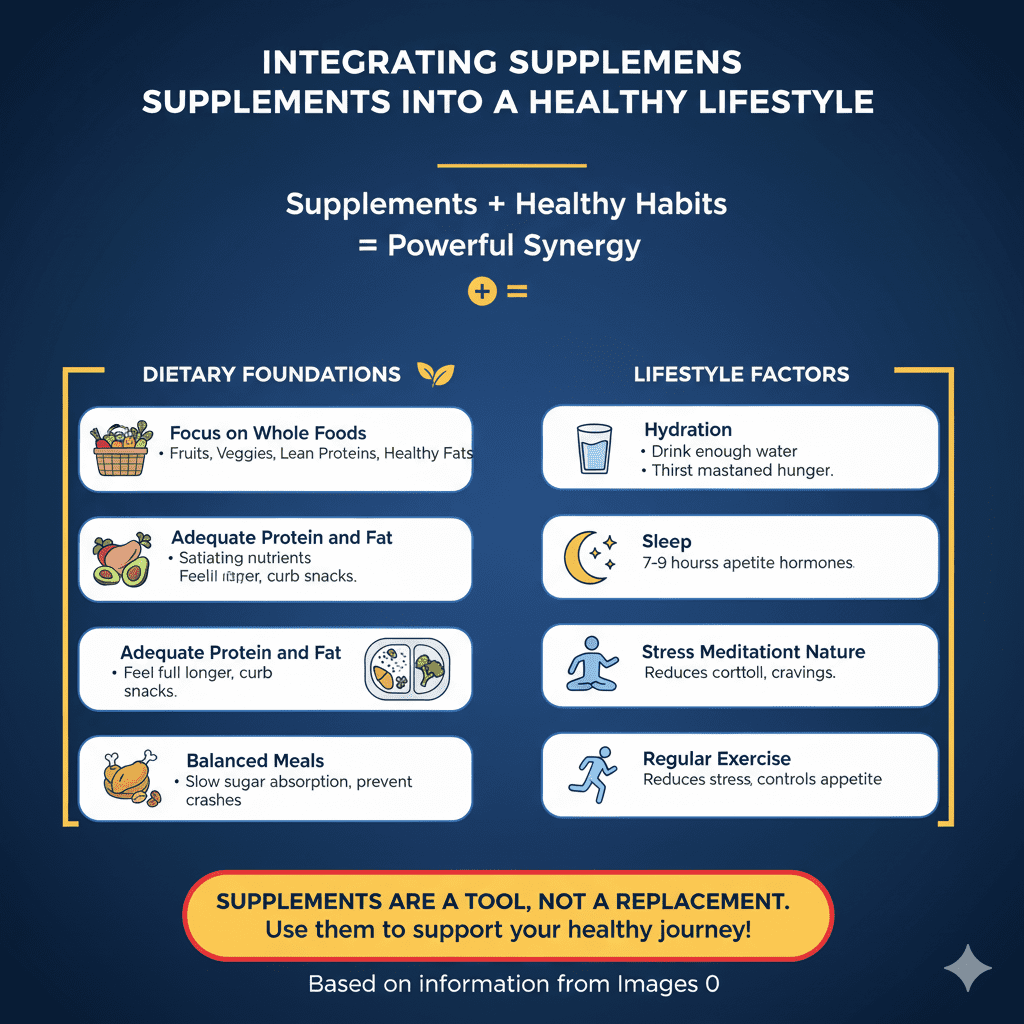
Supplements are most effective when they are part of a broader healthy lifestyle. Simply taking a supplement without addressing other factors is unlikely to be a sustainable solution for managing carb cravings.
Dietary Foundations:
- Focus on Whole Foods: Prioritize fruits, vegetables, lean proteins, and healthy fats. These foods are nutrient-dense and provide sustained energy, naturally reducing the desire for quick-fix carbs.
- Adequate Protein and Fat: Ensure your meals contain sufficient protein and healthy fats. These nutrients are very satiating and help keep you feeling full for longer, curbing the need to reach for snacks.
- Balanced Meals: Aim for meals that combine complex carbohydrates (like whole grains and legumes) with protein and fat to slow sugar absorption and prevent energy crashes.
Lifestyle Factors:
- Hydration: Sometimes, thirst can be mistaken for hunger or cravings. Ensure you’re drinking enough water throughout the day.
- Sleep: Lack of sleep can significantly disrupt hormones that control appetite (ghrelin and leptin), often leading to increased cravings. Aim for 7-9 hours of quality sleep per night.
- Stress Management: Chronic stress can increase cortisol levels, which can drive cravings for high-carbohydrate, high-fat foods. Incorporate stress-reducing activities like yoga, meditation, deep breathing, or spending time in nature.
- Regular Exercise: Physical activity can help improve insulin sensitivity and reduce stress, both contributing to better appetite control and fewer cravings.
By integrating supplements with these fundamental healthy habits, you create a powerful synergy that supports your body’s natural ability to manage cravings and maintain balanced energy levels.
Frequently Asked Questions (FAQs)
Q1: Are supplements the only way to curb carb cravings?
No, supplements can be helpful, but they are most effective when combined with a healthy diet, regular exercise, adequate sleep, and stress management. Lifestyle changes are foundational to managing cravings long-term.
Q2: How quickly can I expect to see results from these supplements?
Results can vary based on the individual, the supplement, and the consistency of use. Some people may notice changes within a few weeks, while others might take longer. Patience and consistency are key.
Q3: Can I take multiple supplements at once?
While some supplements can be taken together, it’s best to consult with a healthcare professional before combining them. They can advise on potential interactions and ensure you’re not exceeding safe dosages.
Q4: Are there any natural foods that help with carb cravings?
Yes! Foods rich in protein (like lean meats, fish, eggs, Greek yogurt), healthy fats (avocado, nuts, seeds, olive oil), and fiber (vegetables, fruits, legumes, whole grains) can help you feel full and satisfied, naturally reducing carb cravings.
Q5: What’s the difference between craving carbs and actual hunger?
Hunger is a physical need for food, often accompanied by stomach growling and a feeling of emptiness. Cravings are more specific desires for particular foods, often driven by psychological or physiological triggers rather than true physical hunger.
Q6: Is it safe to take supplements if I have diabetes?
If you have diabetes or any other medical condition, it is essential to speak with your doctor before taking any supplements. Some supplements, particularly those affecting blood sugar like chromium or gymnema, could interact with diabetes medications or influence blood glucose levels.
These FAQs are designed to provide brief, clear answers to common questions. For personalized advice, always consult your doctor or a registered dietitian.