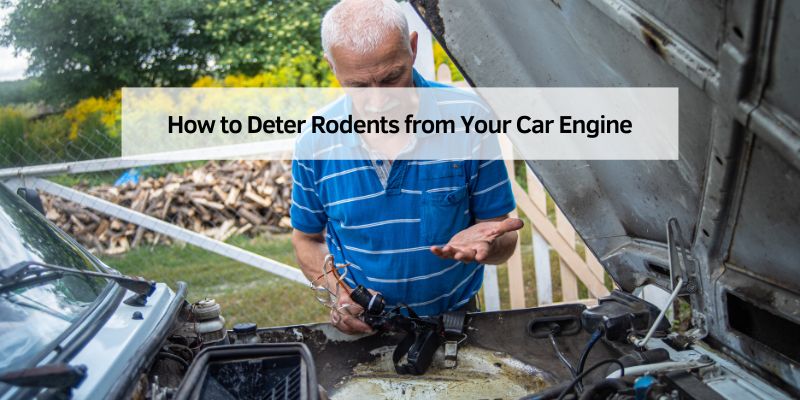
How to Deter Rodents from Your Car Engine
Hey there! If you’ve ever popped the hood of your car and found a nest of chewed wires or droppings scattered around, you know the sinking feeling of realizing rodents have made themselves at home in your engine. It’s frustrating, expensive to fix, and honestly, a bit gross. I’ve been there, and after dealing with this issue myself, I’ve explored every trick in the book to keep those pesky critters out. Rodents like mice, rats, and even squirrels can wreak havoc on your car’s engine, chewing through wires, insulation, and hoses.
The damage can cost hundreds, if not thousands, of dollars to repair. But don’t worry—I’m here to share practical, tried-and-true methods to deter rodents from your car engine. Whether you park in a garage, driveway, or on the street, these tips will help you protect your vehicle. Let’s dive in and keep those furry invaders at bay!
Why Rodents Love Your Car Engine
So, why do rodents find your car engine so appealing? It’s not because they love the smell of motor oil. Your engine compartment is like a cozy Airbnb for them. It’s warm, sheltered from the elements, and often has plenty of nooks to hide in. In colder months, the residual heat from your engine makes it a perfect spot for rodents to snuggle up. Plus, cars often have bits of food crumbs or spilled drinks that attract them. I once found a mouse nest made of shredded insulation in my old sedan, and let me tell you, it was a wake-up call.
Rodents also love to chew. Their teeth grow constantly, so they gnaw on anything they can find to keep them trimmed. Unfortunately, that includes your car’s wiring, rubber hoses, and plastic components. A single mouse can cause hundreds of dollars in damage in just one night. Understanding why they’re drawn to your engine helps you figure out how to make it less inviting. Let’s look at some practical ways to do just that.
Keep Your Car Clean
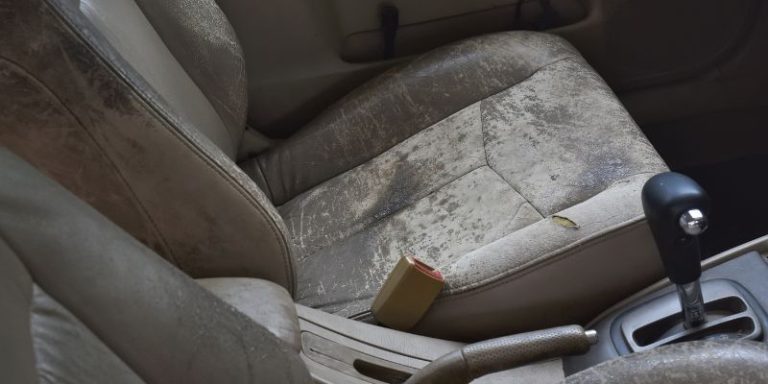
One of the easiest ways to deter rodents is to keep your car clean, inside and out. I learned this the hard way after leaving a bag of fast food in my car overnight. The next morning, I found tiny paw prints on my dashboard and chew marks on the bag. Food crumbs, wrappers, or even spilled coffee can attract rodents like a buffet. Vacuum your car regularly, especially under the seats where crumbs tend to hide. Don’t forget to check the trunk and glove compartment for any forgotten snacks.
Cleaning the engine compartment is trickier but just as important. Use a damp cloth to wipe down surfaces where grease or food particles might accumulate. Be careful not to get water on sensitive electrical components. A clean car is less likely to smell like a rodent magnet. If you’re like me and occasionally eat in your car, make it a habit to take out trash right away. Trust me, it’s worth the extra effort.
Use Natural Repellents
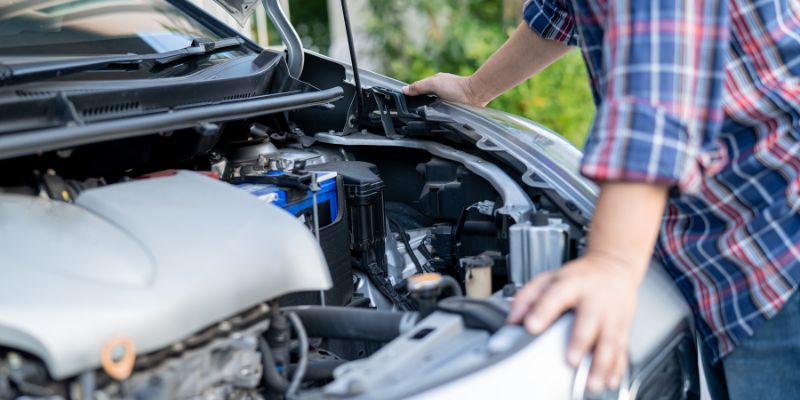
Rodents have sensitive noses, and certain smells drive them away. I’ve experimented with a few natural repellents, and they’ve worked wonders for me. Peppermint oil is a great option. Soak cotton balls in pure peppermint oil and place them in your engine compartment, near the battery, or under the hood. The strong scent overwhelms rodents, and they’ll steer clear. I replace the cotton balls every couple of weeks to keep the smell fresh.
Another option is cayenne pepper. Sprinkle it in areas where you’ve seen rodent activity, but be cautious—it can irritate your skin or eyes if you touch it. I’ve also heard of people using dried mint leaves or cedarwood blocks, though I haven’t tried those myself. These natural repellents are safe, affordable, and easy to find at any grocery store. Just make sure to reapply them regularly, especially after rain or a car wash, as the scents can fade.
Try Commercial Repellents
If natural remedies aren’t cutting it, commercial rodent repellents can be a game-changer. I’ve used a few products designed specifically for cars, and they’ve saved me from costly repairs. These come in sprays, pouches, or granules that you can place in your engine compartment. Look for products with ingredients like peppermint, balsam fir, or other strong-smelling compounds that rodents hate. Always follow the instructions to avoid damaging your car’s components.
One product I tried was a spray that I applied around the engine bay. It created a barrier that rodents avoided, and I didn’t see any signs of them for months. These products are widely available at auto parts stores or online. They’re a bit pricier than DIY solutions, but the peace of mind is worth it. If you go this route, check the product reviews to find one that’s effective and safe for your vehicle.
Seal Entry Points
Rodents can squeeze through tiny gaps, so sealing entry points is key. I spent an afternoon inspecting my car for small openings where mice could sneak in. Check around the hood, near the windshield wipers, and where cables enter the engine compartment. If you spot any gaps, use steel wool to plug them—rodents can’t chew through it. You can also use silicone sealant for a more permanent fix, but make sure it’s heat-resistant to withstand engine temperatures.
I also recommend checking the cabin air filter, as rodents sometimes enter through the ventilation system. Replacing a chewed-up filter is cheaper than fixing chewed wires, so it’s worth a look. Keeping your car’s entry points sealed makes it harder for rodents to turn your engine into their home.
Use Traps Strategically
Sometimes, you need to take a more direct approach. Traps can be effective, but you have to place them wisely. I’ve used snap traps and glue traps in my garage near where I park my car. Bait them with peanut butter—it’s more effective than cheese in my experience. Place traps along walls or near the tires, as rodents tend to travel along edges. Check them daily to avoid leaving dead rodents lying around, which can attract other pests.
If you’re not comfortable with kill traps, try catch-and-release traps. I used one last winter and caught a mouse that I released far from my house. Just be sure to check these traps frequently so the rodents don’t suffer. Traps are a great backup plan, but they work best when combined with other deterrents.
Park Smart
Where you park your car matters. I noticed that rodents were more likely to invade my engine when I parked near bushes or tall grass. These areas provide cover for rodents, making it easy for them to scamper to your car. If possible, park in a garage or a clear, open area. I started parking my car in the middle of my driveway, away from vegetation, and it made a big difference.
If you don’t have a garage, consider investing in a car cover. It won’t completely stop rodents, but it adds an extra layer of protection. Also, try to avoid parking near garbage cans or compost piles, as these are rodent hotspots. A little strategic parking can go a long way in keeping your engine rodent-free.
Use Electronic Deterrents
Technology can be your friend in this battle. I’ve tried ultrasonic rodent repellents, and they’ve worked surprisingly well. These devices emit high-frequency sounds that rodents find unbearable but are inaudible to humans. You can find models designed for cars that plug into your vehicle’s battery or run on their own power source. I installed one under my hood, and it significantly reduced rodent activity.
Another option is a strobe light device that flashes intermittently to scare rodents away. I haven’t used one myself, but a friend swears by it. These gadgets are a bit of an investment, but they’re worth it if you’re dealing with persistent rodents. Just make sure the device is weatherproof and safe for your car’s electrical system.
Maintain Your Yard
Your yard can either attract or deter rodents. I learned this after noticing mice scurrying around my overgrown shrubs. Keep your grass trimmed and clear away piles of leaves or debris near where you park. Rodents love hiding spots, so removing them makes your property less appealing. If you have bird feeders, make sure they’re far from your parking spot—spilled seeds are a rodent buffet.
I also sealed cracks in my garage floor and walls to prevent rodents from sneaking in. If you store pet food or birdseed in your garage, keep it in airtight containers. A tidy yard and garage create a less inviting environment for rodents, which means they’re less likely to target your car.
Check Your Car Regularly
Regular inspections can catch rodent problems early. I make it a habit to pop my hood every couple of weeks to look for signs of trouble—droppings, chewed wires, or nesting materials. Catching a problem early can save you from expensive repairs. I once found a small nest before the rodents did serious damage, and it was a huge relief.
Pay attention to strange smells, like urine or musty odors, as these can indicate rodent activity. If you notice anything suspicious, clean the area thoroughly and set up deterrents immediately. Staying proactive keeps rodents from turning your engine into their playground.
When to Call a Professional
Sometimes, despite your best efforts, rodents keep coming back. I had a stubborn rat problem that I couldn’t solve on my own, so I called a pest control professional. They identified entry points I’d missed and set up a targeted plan to keep rodents away. If you’re dealing with a severe infestation or live in an area with a high rodent population, a professional can be a lifesaver.
Look for a pest control company with experience in vehicle protection. They can recommend specific products or treatments tailored to your situation. It’s an expense, but it’s often cheaper than repairing extensive damage.
Comparison of Rodent Deterrent Methods
Here’s a quick table summarizing the methods I’ve discussed, so you can choose what works best for you:
| Method | Pros | Cons | Cost |
|---|---|---|---|
| Keep Car Clean | Easy, no extra cost | Requires regular effort | Free |
| Natural Repellents | Affordable, safe, easy to use | Needs frequent reapplication | $5–$15 |
| Commercial Repellents | Effective, long-lasting | Can be expensive | $10–$30 |
| Seal Entry Points | Prevents access, long-term solution | Time-consuming to inspect | $5–$20 |
| Traps | Direct, effective | Can be messy, requires monitoring | $5–$20 |
| Park Smart | Simple, no cost | Limited by parking options | Free |
| Electronic Deterrents | High-tech, effective | Higher cost, requires installation | $20–$50 |
| Maintain Yard | Prevents infestations | Ongoing maintenance | Free–$20 |
| Regular Checks | Catches problems early | Time-consuming | Free |
| Professional Help | Expert solutions, thorough | Expensive | $100–$300+ |
This table helped me decide which methods to prioritize based on my budget and time. You can mix and match these strategies to create a plan that suits your needs.
Wrapping It Up
Dealing with rodents in your car engine is a hassle, but it’s not a losing battle. I’ve been through the frustration of finding chewed wires and droppings, but with these strategies, I’ve kept my car rodent-free for years. From keeping your car clean to using natural and commercial repellents, sealing entry points, and parking smart, there are plenty of ways to protect your vehicle. Regular checks and a well-maintained yard can make a big difference, and if all else fails, a professional can step in.
The key is consistency. Rodents are persistent, but with a little effort, you can make your car engine a place they’ll avoid. I hope these tips save you from the headache of rodent damage and keep your car running smoothly. Try a combination of these methods, and you’ll be well on your way to a rodent-free engine. Here’s to worry-free driving!
Frequently Asked Questions
Why do rodents keep coming back to my car engine?
Rodents return because your engine provides warmth, shelter, and sometimes food. Check for crumbs or spills in your car, and make sure your yard isn’t attracting them with hiding spots or food sources. Using repellents and sealing entry points can break the cycle.
Are natural repellents safe for my car?
Yes, natural repellents like peppermint oil or cayenne pepper are generally safe. Just be careful not to get them on sensitive components like wires or hoses. Always apply them sparingly and follow any safety guidelines.
How often should I check my car for rodents?
I check my car every two weeks, especially in colder months when rodents are more likely to seek shelter. If you notice signs like droppings or chewed wires, check more frequently and take action right away.
Can I use mothballs to deter rodents?
Mothballs are not recommended. They’re toxic, can damage your car’s components, and are harmful to pets and kids. Stick to safer options like peppermint oil or commercial repellents.
What should I do if I find a nest in my engine?
Remove the nest carefully using gloves to avoid touching droppings, which can carry diseases. Clean the area thoroughly, check for damage, and set up deterrents like traps or repellents to prevent a repeat visit.